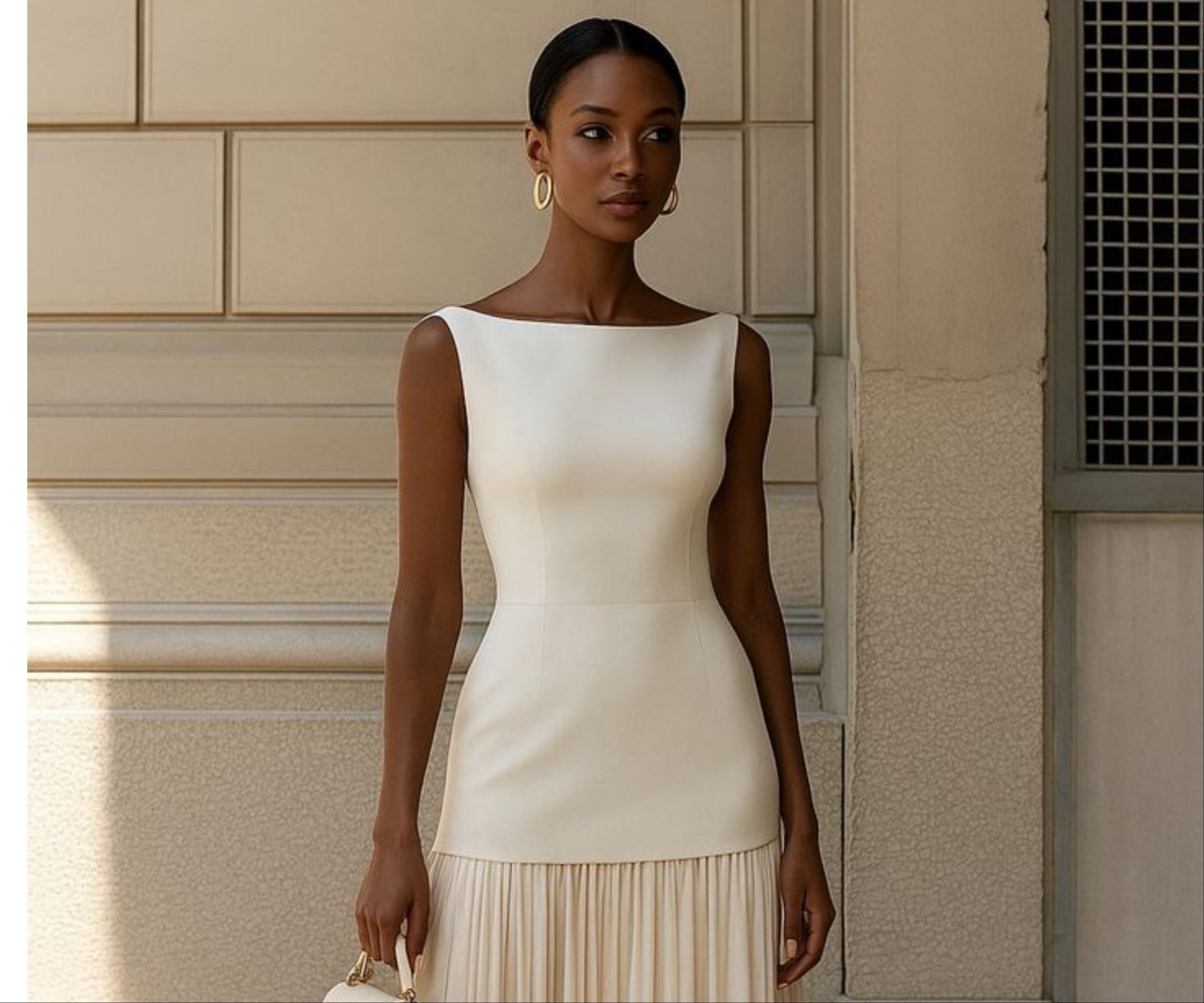
Fashion has always been a language that communicates more than mere style. It conveys identity, culture, confidence, and intention. For decades, status in fashion was loudly displayed. Logos, conspicuous patterns, and bold branding were used to signal recognition, success, and social positioning. But today, this language is evolving. Across the world, a new approach to dressing is emerging that emphasises subtlety, restraint, and intentionality.
Quiet luxury is not about the absence of style; it is about the selective, thoughtful expression of identity through clothing. It reflects a desire to assert presence without shouting, to embody confidence without performance, and to express taste without seeking validation. This shift is not limited to any single region or culture. Designers, consumers, and brands globally are embracing it, and African fashion, with its rich traditions of dignity, craft, and restraint, offers some of the clearest examples of this philosophy in practice.
Explore quiet luxury and subtle dressing, revealing how restraint, elegance, and intentional style are redefining status globally and in African fashion.
What Quiet Luxury Looks Like in Practice
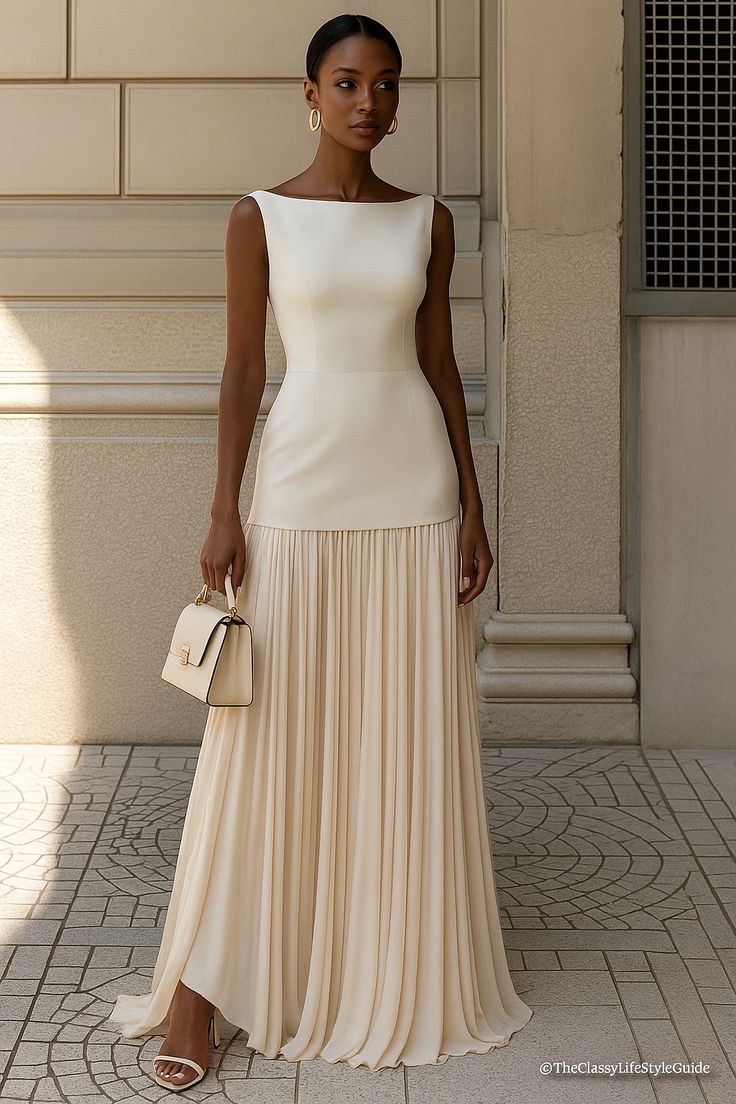
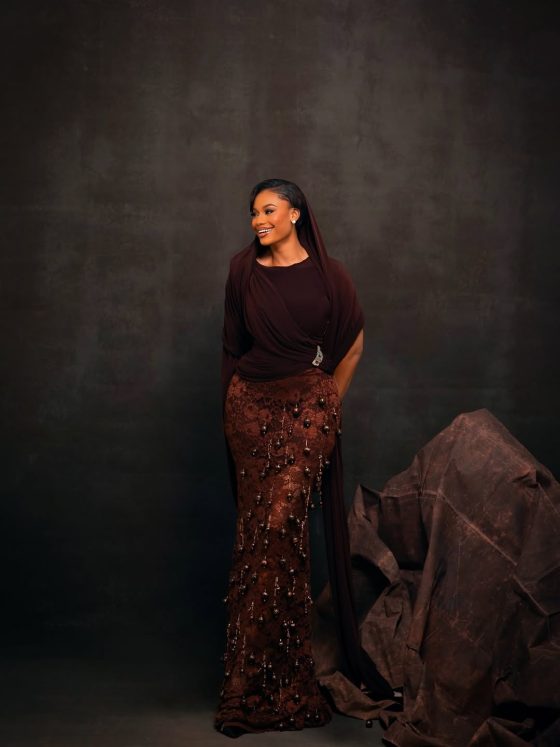
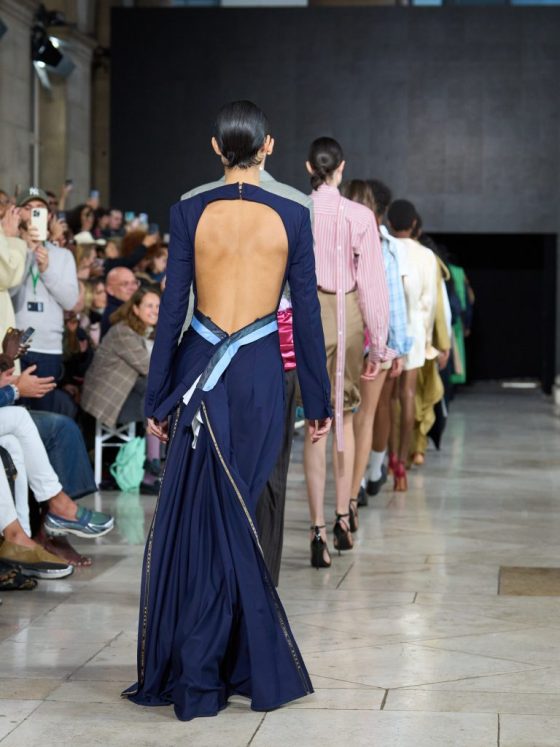
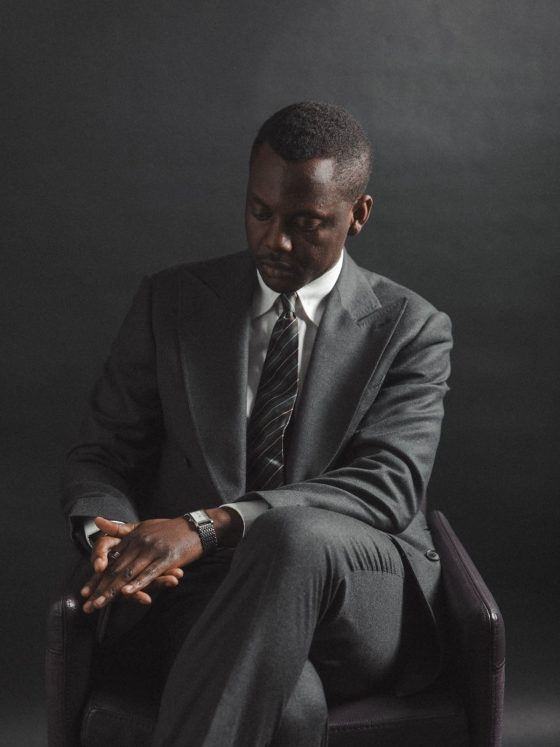
Quiet luxury is defined less by trends and more by its underlying principles. Clothing in this category often features muted colors such as cream, stone, grey, or brown. Tailoring is precise and considered, with cuts that flatter without exaggeration. Fabrics are carefully chosen for quality and texture rather than for immediate visual impact, and accessories are minimal yet purposeful. Even in high-end collections, branding is often absent or extremely understated.
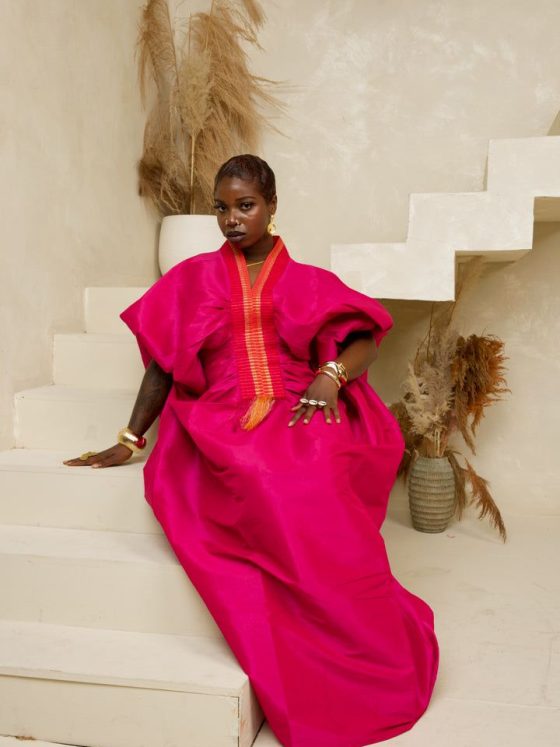
For example, African designers like Lisa Folawiyo and Maki Oh have long incorporated these principles. Their collections often highlight meticulous craftsmanship and subtle detailing rather than overt branding. In Lisa Folawiyo’s work, embellishments are integrated into the fabric itself rather than applied in a way that announces wealth. Maki Oh’s designs often rely on natural textures, neutral tones, and precise silhouettes that convey elegance without noise. Globally, brands like The Row and Bottega Veneta reflect similar values, favouring quality and restraint over logos or flash.
The common thread is intentionality. Every choice is deliberate. Quiet luxury does not seek approval; it communicates confidence and composure through subtle signals.
The Psychology Behind Subtle Dressing
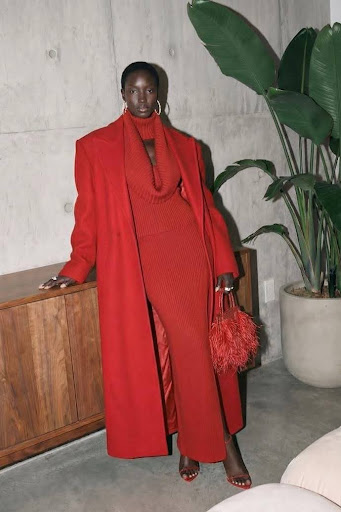
This movement toward quiet luxury is as much about social psychology as it is about fashion. In a world dominated by social media, constant visibility, and digital performance culture, many people are experiencing fatigue from overexposure. Loud logos, flashy patterns, and conspicuous displays of wealth once provided recognition, but today they can feel performative, exhausting, and even inauthentic.
Quiet luxury responds to this fatigue. Emphasising restraint and discretion, it allows the wearer to assert identity without subjecting themselves to constant scrutiny. Status is no longer measured by who is most seen, but by who exudes a controlled presence. In essence, quiet luxury transforms fashion from a performance to a statement of self-possession.
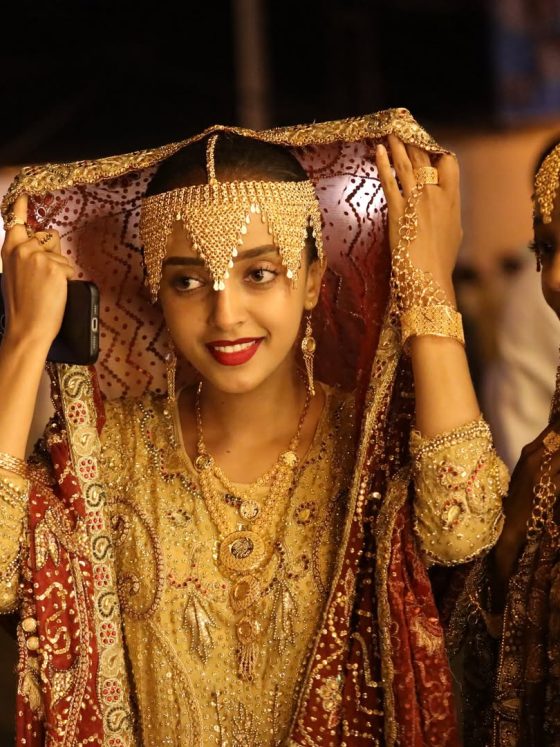
African fashion culture has historically valued this kind of composure. Social and cultural norms often prize dignity, self-control, and the silent communication of status through posture, fit, and elegance rather than through overt decoration. By examining these traditions, we see that quiet luxury is not simply a modern trend but a reflection of enduring principles that transcend geography.
READ MORE:
- Loza Maléombho: Redefining African Fashion for the Global Stage
- Thebe Magugu: African Heritage Meets Global Luxury in 2025
Global Adoption and Interpretation
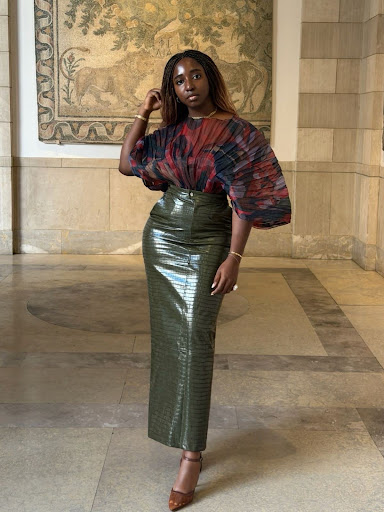
Globally, quiet luxury is visible not only in clothing but also in consumer behaviour. Urban professionals in Europe, Asia, and North America are increasingly gravitating toward clothing that is subtle, well-made, and versatile. High-quality tailoring, neutral palettes, and functional design have become markers of taste and sophistication. Meanwhile, in African fashion hubs such as Lagos, Accra, and Johannesburg, designers are embracing restraint in ways that speak to local sensibilities while appealing to a global audience.
For instance, contemporary African brands are focusing on craft-led collections with understated luxury. This includes meticulous hand-stitching, careful fabric selection, and designs that communicate refinement without overt display. By doing so, African designers are demonstrating that quiet luxury is not only accessible but culturally resonant. The message is clear: elegance is universal, and authenticity trumps visibility.
Why Quiet Luxury Matters Beyond Fashion
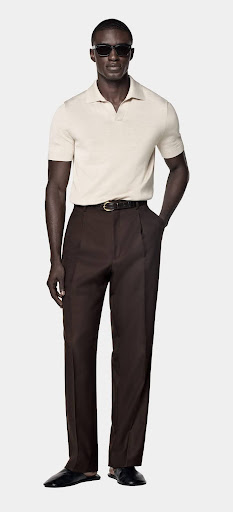
Quiet luxury is not simply an aesthetic. It is a response to cultural, social, and emotional realities. It reflects a collective desire for control, composure, and thoughtful self-expression. The rise of quiet luxury parallels broader societal shifts: digital fatigue, overstimulation, performance pressure, and a growing appreciation for privacy and personal space.
In this context, subtle dressing becomes an emotional strategy as much as a stylistic one. It allows individuals to define themselves on their own terms, to create a sense of presence without depending on public affirmation. This approach repositions fashion as a language of identity and intent rather than a tool of comparison or competition.
Conclusion
Quiet luxury represents a profound shift in how we use fashion to navigate the world. It is not about what is most visible or most expensive; it is about what communicates confidence, composure, and intentionality. For African designers and global brands alike, it demonstrates that elegance, craft, and restraint can be more powerful than spectacle.
In a noisy, overstimulated world, quiet luxury allows style to become a reflection of inner control, dignity, and self-awareness. It reminds us that the most compelling fashion is not always the loudest, but the most considered.
FAQs
- What is quiet luxury in fashion?
Quiet luxury emphasises subtlety, high-quality materials, precise tailoring, and restrained design, focusing on presence and intent rather than logos or branding.
- Why are people gravitating toward quiet luxury?
People are responding to digital fatigue, overexposure, and performance culture. Subtle dressing provides control, dignity, and composure in a noisy world.
- Are African designers embracing quiet luxury?
Yes. Designers such as Lisa Folawiyo and Maki Oh create collections that prioritize craft, fit, and elegance over loud branding, reflecting principles of quiet luxury in culturally resonant ways.
- Is quiet luxury only for the wealthy?
No. While it often intersects with high-quality clothing, quiet luxury is primarily about intentional style choices and subtlety, which can be expressed at any budget level.
- How does quiet luxury influence identity and status?
Quiet luxury allows individuals to communicate confidence and composure through subtle signals. It shifts the focus from visible recognition to self-possession and intentional presence.