For Black people around the world, laughter isn’t just about having a good time. It’s a way to survive, a weapon, and a living record of culture, all rolled into one. Black humour’s roots go deep—back to Africa—and cross the ocean with people who were forced into slavery in America. Under those brutal circumstances, humour wasn’t just relief. It kept people alive. Even now, it connects folks across the African diaspora. At times, one must find solace in laughter to avoid breaking down.
Black humour does more than just entertain – it flips pain into power, turns sharp critiques into art, and transforms oppression into creative energy. The whole world watches, laughs, and sometimes copies but doesn’t always get where all this came from. From rubbish-talking on the block to Jordan Peele’s mind-bending horror comedies, Black humour shapes the way we talk, joke, and see the world. It builds a language and a style all its own, and at the same time, it keeps secrets – insider codes that guard its heart from being watered down or stolen.
Black humour’s role in shaping global culture through survival, social critique, and creative expression, from slavery’s gallows to today’s digital platforms.
Why Does Black Humour Begin with Survival?
Black humour kept people going in America right from the start. From animal fables to the dozens of wild tales told in bars and whispers, the roots are everywhere. Slavery shaped all of this. It was a nightmare, but somehow, it sparked a whole tradition of comedy that balanced pain with sharp wit. These styles – some for insiders, some performed for everyone – grew under that pressure.
To really understand why black humour matters, you have to look at what it actually does. Enslaved Africans couldn’t speak out against their owners without risking everything. They weren’t allowed to use their languages, either. So, they found other ways —signals, music, dance, and, of course, jokes. Humour turned into a kind of code. Jokes that seemed harmless or self-mocking to white people actually hid sharp, subversive meanings for Black listeners. It helped people handle pain and loss while, at the same time, letting them express anger, grief, and hope in sly, clever ways.
This double-meaning – acting “safe” on the surface while hiding real resistance – became the heart of Black humour. When people talk about “signifying,” they mean this whole art of throwing clever insults layered with meaning. Other cultures have their own versions, but in West Africa it was almost a ritual, and in Black America it’s still a street-corner sport. Even after slavery ended, these ways of joking didn’t vanish. They just changed with the times, always protecting, constantly adapting.
How Does Black Humour Function as Social Critique?
Observing the realm of comedy reveals clearly defined boundaries. Black comedians talk honestly about racism, injustice, and everything the system throws their way. White comics? Usually, they avoid politics and stick to more relatable topics. That willingness to get uncomfortable, to point right at what hurts, is what sets Black humour apart.
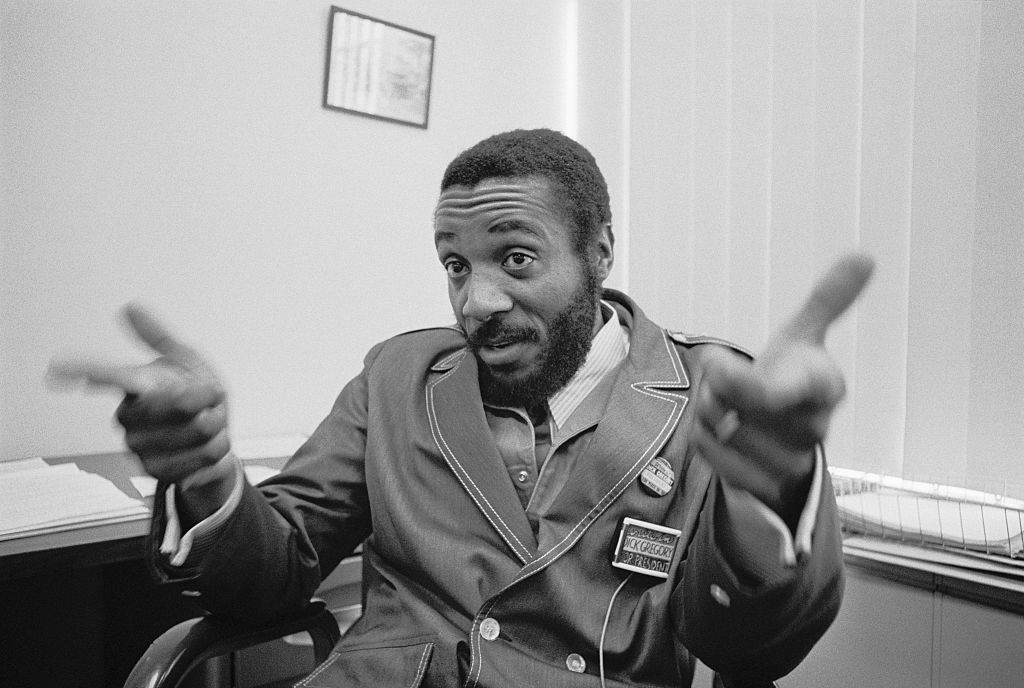
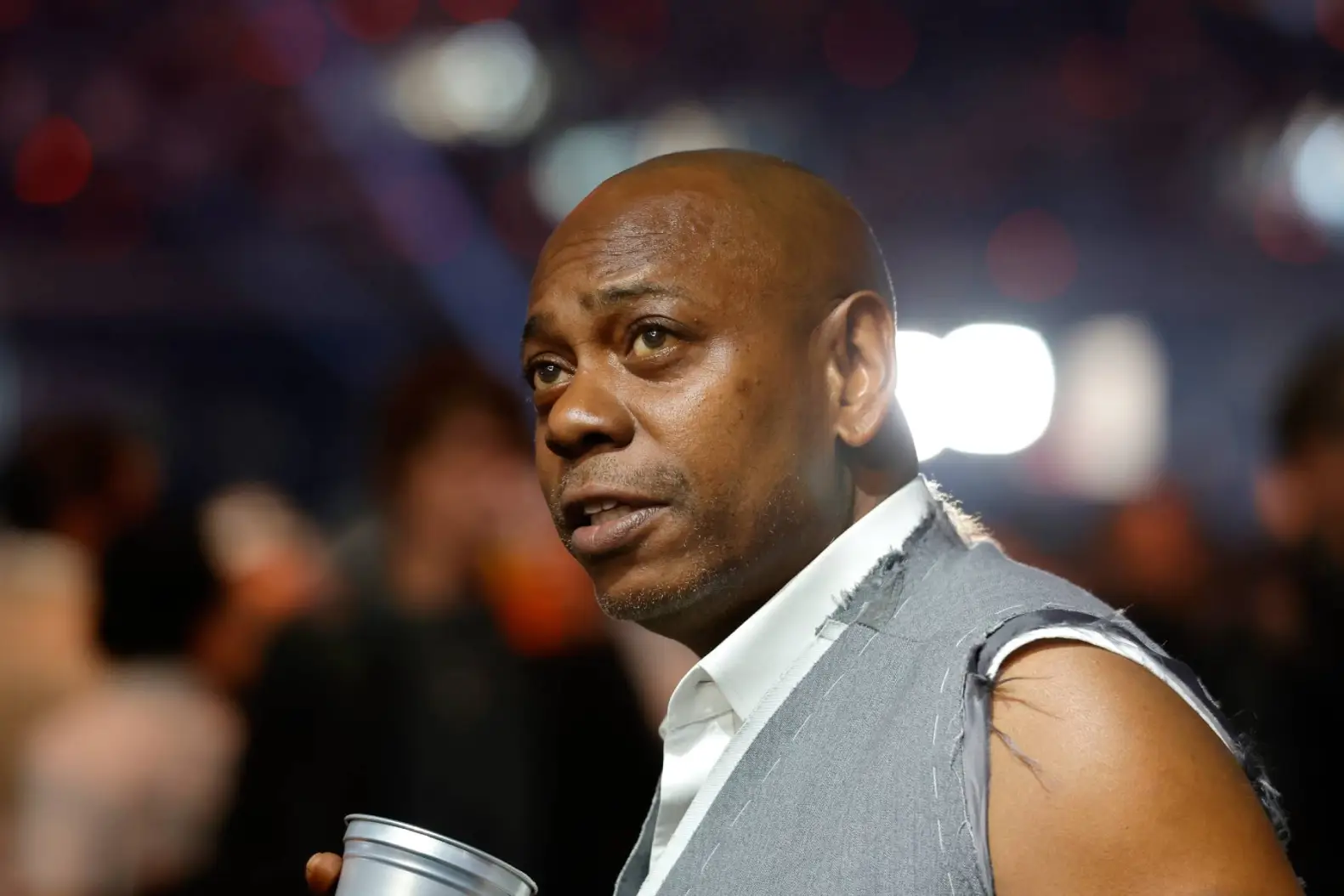
As this year wraps up, it’s obvious—comics are still a powerhouse for stories, truth-telling, and, yeah, just plain laughter. Today’s Black comedians – Dave Chappelle, Tiffany Haddish, Leslie Jones – walk the path paved by legends like Dick Gregory, Richard Pryor, and Moms Mabley. They employ jokes as a powerful tool. The truth confronts them, whether they welcome it or not.
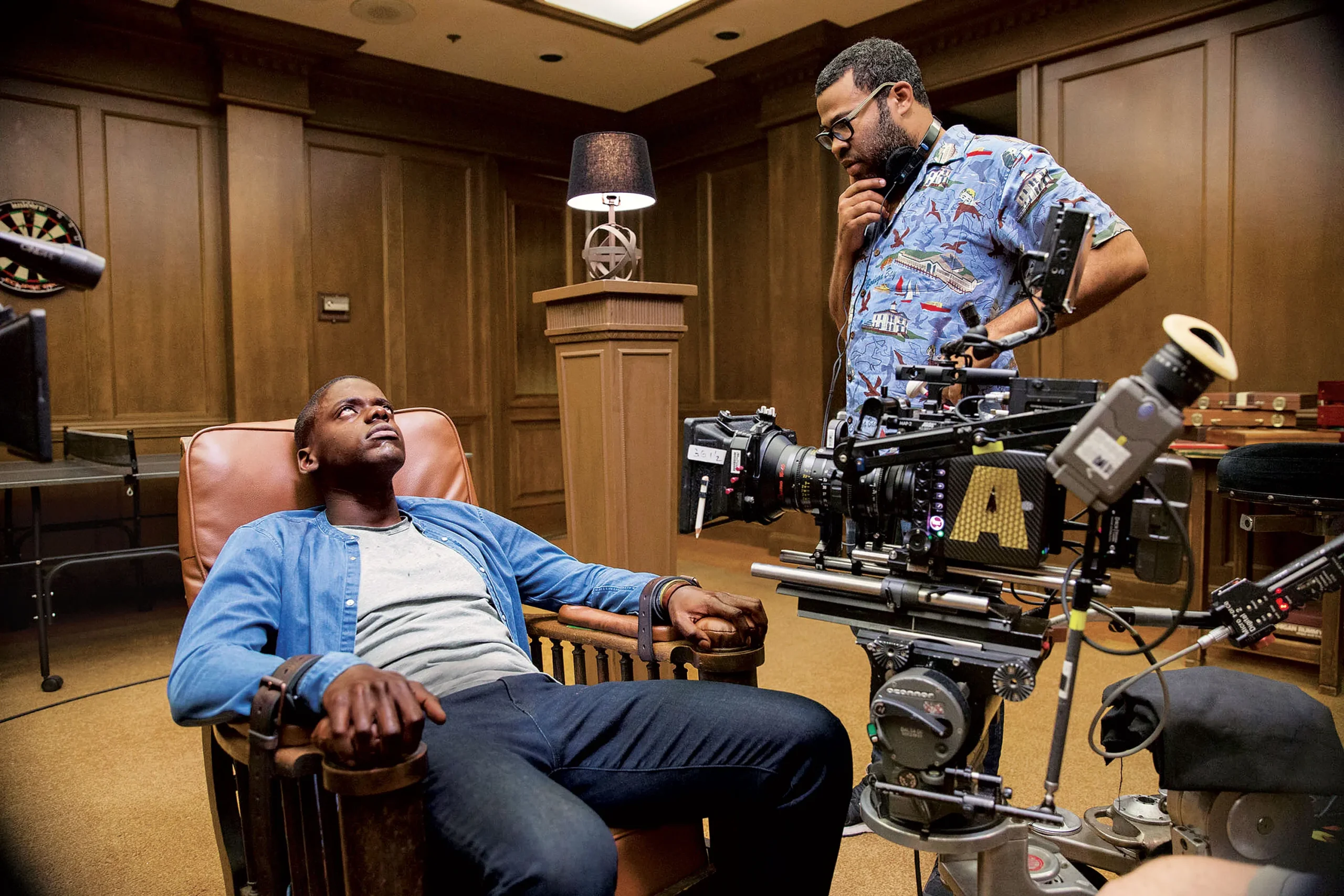
Scholars assert that marginalised humour can illuminate societal issues, such as racism, patriarchy, antisemitism, and more. Black humour goes where academic essays and speeches can’t. It makes people laugh—and then it makes them squirm, realising their own roles in these systems. Take Jordan Peele’s Get Out. The film rips into race and fake allyship, but it’s the jokes, especially from Lil Rel Howery, that cut through the darkness. That’s the magic: humour as both a shield and a sword.
The Cultural Codes Only Insiders Understand
Signifyin’, that sharp, playful back-and-forth in Black culture, lines up perfectly with the idea that we laugh hardest when our expectations get flipped. It’s not just a way to get through tough times – though, sure, it helps – but also a deep well of creativity and sharp social critique. There’s a rhythm, a kind of code, running through Black humour. To really get it, you have to live it. You need those references, the context, the history. Darryl Littleton, a stand-up comic, put it best: Back in the day, during slavery and even before, Black folks entertained each other to keep spirits high. That tradition traces back to Africa. So Black humour isn’t just jokes – it carries generations of memory. Outsiders might laugh at the surface but often miss the real punchline.
Take #TweetLikeThe1600s, for example. Black Twitter ran with it, riffing on history, cracking jokes, dropping memes, and spinning the story of enslaved ancestors into something biting and funny. To someone outside, joking about slavery might seem off-limits. But to Black folks, it’s a way to grab hold of a painful past and turn it into something powerful and new – a creative act that says, “This is ours.”
From Chitlin Circuit to Global Platforms
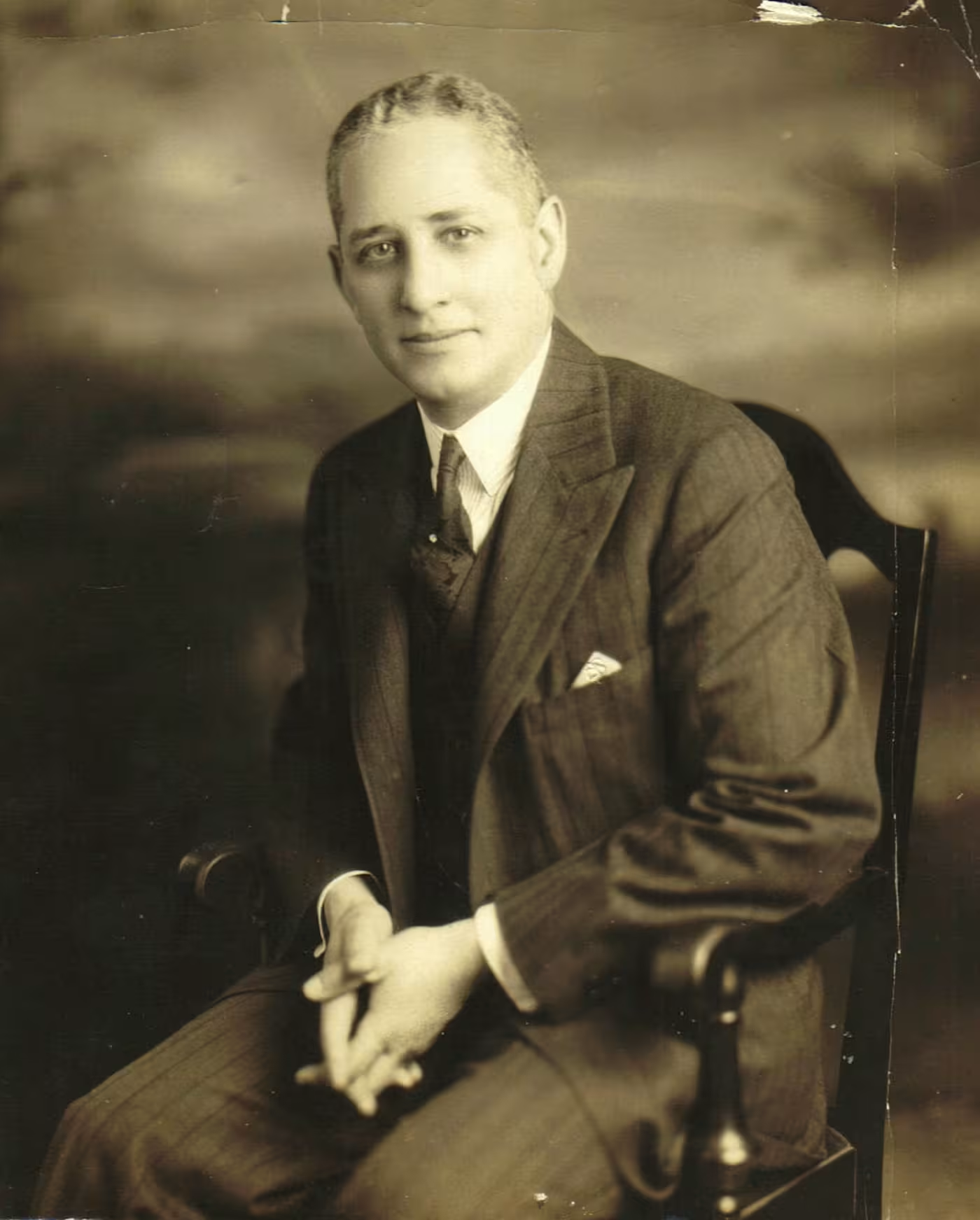
Harry Pace founded Race Records so Black listeners could finally hear humour that spoke to them, without permission. That was a turning point. Without white gatekeepers making decisions, Black comedy could flourish. The chitlin circuit, TOBA theatres, and later Black radio let comedians speak in a language white folks didn’t always get – or want to hear. They performed for themselves, and that changed everything.
Now, you see it in films like The American Society of Magical Negroes. That story about Aren, a shy Black guy drafted into a secret society using magic to ease white anxiety, pokes holes in old stereotypes with a wink and a laugh. Black humour has always called out stuff people feel but can’t name – like the “magical Negro” trope – long before mainstream culture caught on.
Streaming changed the game again. Issa Rae built Insecure from a YouTube series. Dave Chappelle made his comeback on Netflix. Now, Black creators can reach the world without watering down their stories, no gatekeepers in the way.
READ ALSO:
- How African Mythology Shapes Modern Pop Culture
- Broadway & Theatre Creatives: Shaking Up the Great White Way
- Modern African Consciousness: Embracing Ancestral Spirituality
Why Appropriation Threatens Black Humour’s Power
Things get messy when mainstream culture grabs hold of Black humour but leaves the roots behind. In the 1800s, white performers travelled the country under the name “Ethiopian Delineators,” asserting that their Black Face acts were authentic. In reality, they only saw the mask Black folks wore to survive.
That kind of theft still happens. White comedians borrow Black delivery and style but skip over where it all comes from. Brands use the look and sound of Black humour in their ads, even if no Black creatives are in the room. The jokes become just another product, cut off from the people who made them.
Look, it’s not about keeping anyone from laughing. Sharing culture is beneficial. But when imitation drowns out authentic Black voices, when the money and credit go elsewhere, and when the rough edges get sanded down for the mainstream, something vital disappears. Black humour loses its bite, its history, and its power. And that’s a loss for everyone.
The Future of Black Humour’s Cultural Influence
Black comedy – meaning comedy rooted in the African diaspora – started in the darkest places. Picture it: our ancestors dragged off those slave ships, stepping into a nightmare that white folks had the nerve to call paradise. Out of that hell, we found ways to laugh. This story is the origin of Black humour. As long as Black people continue to experience oppression and seek innovative methods to combat it, Black humour will continue to thrive. It keeps evolving.
Digital platforms have significantly expanded the reach of Black humour. A joke that pops up in Lagos can reach someone in London or Los Angeles in no time, thanks to TikTok, Twitter, and Instagram. The influence is everywhere: reaction GIFs, meme formats, new ways of talking online – all that started in Black digital spaces before the rest of the internet picked it up and ran with it.
But here’s the thing: the more valuable Black humour gets, the more pressure there is to water it down for bigger audiences – especially for folks who get uncomfortable with real talk. That’s nothing new. Black comedians have always had to figure out how to keep it real, hold onto their truth, and still find success beyond their own communities.
See life through a creative lens — explore Culture & Arts on OmirenStyles.
Frequently Asked Questions
1. What is Black humour and why does it matter?
Black humour arises from the experiences of people of African descent around the world. It began as a means of survival during slavery and has become a powerful tool for social criticism. This kind of humour turns pain into something creative, speaks out when mainstream voices stay silent, keeps cultural memory alive, and shows how laughter can be a form of resistance and pride.
2. How is Black humour different from other comedy?
Black humour does more than just entertain – it carries hidden messages, calls out racism and injustice, and draws on deep roots like African oral traditions and signifying. It grew out of survival, not just entertainment. And let’s be honest: Black comedians deal with barriers and realities that white comedians don’t, and that shapes everything about how they see the world and tell their jokes.
3. Who are some influential Black comedians?
The list is long and constantly growing. Legends like Dick Gregory, Richard Pryor, Moms Mabley, and Redd Foxx set the stage. Now you’ve got people like Dave Chappelle, Jordan Peele, Tiffany Haddish, Leslie Jones, and Issa Rae taking things in new directions. Plus, there’s a whole wave of younger comedians using digital platforms to reach audiences everywhere. Each group stands on the shoulders of the last but brings something fresh.
4. Can non-Black people appreciate Black humour?
Sure, anyone can laugh, but really appreciating Black humour means understanding where it comes from – its history, its codes, its inside jokes. Respect matters: support black creators; know when a joke’s got layers you might miss; don’t rip off ideas; and recognise that sometimes the humour just isn’t for you. Black people, reflecting their lived experiences, create some of this humour specifically for Black audiences.
5. How has Black humour shaped mainstream culture?
Black humour has changed the game. From comedy styles to the way people talk online, to the way TV and films tell stories, to the frameworks people use to talk about racism and inequality – so much of it started in Black communities. A lot of what gets called “edgy” or “alternative” comedy today? It comes straight from Black comedic traditions.