Menu
  • African Style
    • Designers & Brands
    • Street Fashion in Africa
    • Traditional to Modern Styles
    • Cultural Inspirations
  • Fashion
    • Trends
    • African Designers
    • Afro-Latin American
    • Caribbean Designers
    • Street Style
    • Sustainable Fashion
    • Diaspora Connects
  • Beauty
    • Skincare
    • Makeup
    • Hair & Hairstyle
    • Fragrance
    • Beauty Secrets
  • Lifestyle
    • Culture & Arts
    • Travel & Destination
    • Celebrity Style
    • Luxury Living
    • Home & Decor
  • News
    • Cover Stories
    • Designer Spotlight
    • Fashion Weeks
    • Style Icons
    • Rising Stars
    • Opinion & Commentary
  • Women
    • Women’s Style
    • Health & Wellness
    • Workwear & Professional
    • Evening Glam
    • Streetwear for Women
    • Accessories & Bags
  • Shopping
    • Fashion finds
    • Beauty Picks
    • Gift Guides
    • Shop the Look
  • Events
    • Fashion Week Coverage
    • Red Carpet & Galas
    • Weddings
    • Industry Events
    • Omiren Styles Special Features
  • Men
    • Men’s Style
    • Grooming Traditions
    • Menswear Designers
    • Traditional & Heritage
    • The Modern African Man
  • Diaspora
    • Designers
    • Culture
  • Industry
    • Insights
    • Investment
    • Partnerships
    • Retail
    • Strategy
Subscribe
OMIREN STYLES OMIREN STYLES

Fashion · Culture · Identity

OMIREN STYLES OMIREN STYLES OMIREN STYLES OMIREN STYLES
  • Fashion
    • Africa
    • Caribbean
    • Latin America
    • Trends
    • Street Style
    • Sustainable Fashion
    • Diaspora Connects
  • Culture
    • Heritage & Identity
    • Textiles
    • Ceremony & Ritual
    • Art & Music
    • Cultural Inspirations
  • Designers
    • African Designers
    • Caribbean Designers
    • Afro-Latin American
    • Emerging Talent
    • Interviews
  • Beauty
    • Skincare
    • Makeup
    • Hair & Hairstyle
    • Fragrance
    • Beauty Traditions
  • Women
    • Women’s Style
    • Evening Glam
    • Workwear & Professional
    • Streetwear for Women
    • Accessories & Bags
    • Health & Wellness
  • Men
    • Men’s Style
    • Grooming Traditions
    • Traditional & Heritage
    • The Modern African Man
    • Menswear Designers
  • Diaspora
    • Diaspora Voices
    • UK Scene
    • US Scene
    • Caribbean Diaspora
    • Afro-Latino Identity
  • Industry
    • Strategy
    • Investment
    • Retail
    • Insights
    • Partnerships
  • News
    • Cover Stories
    • Fashion Weeks
    • Opinion & Commentary
    • Style Icons
    • Rising Stars
  • Culture & Arts

African Dance: Movement for Modern Wellness

  • Heritage Oni
  • January 19, 2026
African Dance: Movement for Modern Wellness
Total
0
Shares
0
0
0

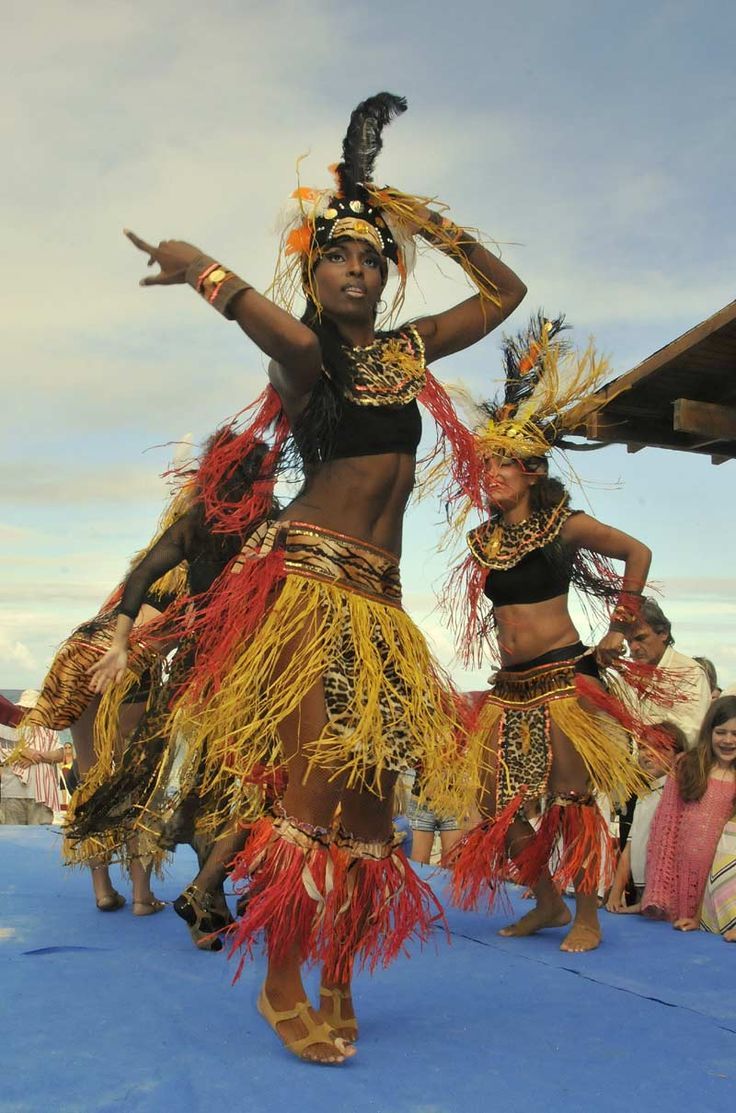
Walk into any dance space where African rhythms lead the body, and you will notice something immediately. The movement is not decorative. It is intentional. It carries weight. It carries history.

African dance, in its many forms, has never been only about performance. It has always been about regulation, restoration, and relationships. Long before “wellness” became an industry, African communities understood the body as a living archive and movement as a form of care.

Today, as global culture searches for more grounded ways to live, African dancers are quietly reshaping how the world thinks about health, balance, and self-expression. African dancers are transforming global perspectives on health, balance, and self-expression, not by following fads but by utilising embodied knowledge that has transcended centuries and continents.

This is not a fitness story. It is a cultural one.

From ritual to runway, how African dancers shape wellness culture, identity, and modern lifestyle through movement, memory, and meaning.

Movement as a System of Care
Movement as a System of Care

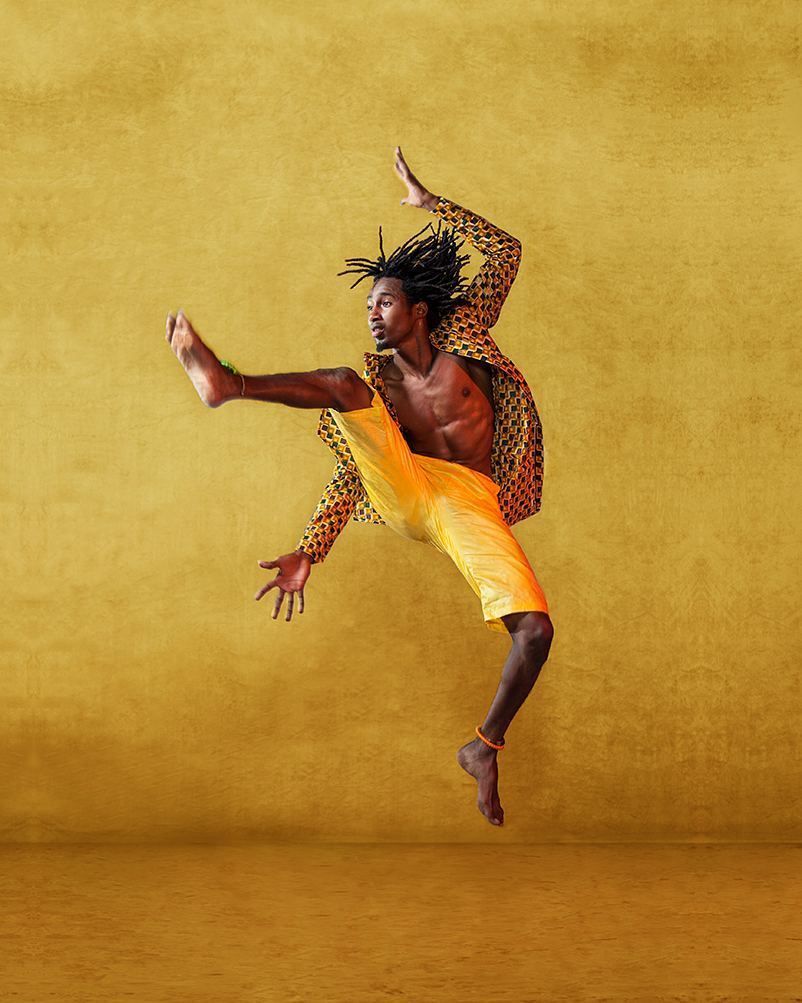
African dance operates as a holistic language. The body does not move in isolation. The heart, breath, emotion, and community move with it.

Unlike many modern exercise models that isolate muscle groups, African dance is polycentric. Different parts of the body respond to layered rhythms at once. This action demands coordination, presence, and cognitive engagement. The result is physical conditioning that feels less mechanical and more alive.

But the deeper value is not physical efficiency. It is a regulation. Rhythm stabilises the nervous system. Repetition creates emotional release. Collective movement reduces isolation.

In this sense, African dancers practice wellness, not as self-optimisation but as balance. The goal is not to dominate the body but to listen to it.

Dance, Identity, and Emotional Intelligence

Across African societies, dance has functioned as a social text. It encodes age, status, memory, grief, celebration, and transition.

Gestures are not random. They are communicative. A lifted arm, a grounded step, and a rotating shoulder can signal respect, resistance, joy, or healing. To dance is to speak, without words.

For many in the African diaspora, this language becomes especially significant. It offers continuity in spaces shaped by displacement. It restores connection to ancestry while adapting to contemporary realities.

Wellness here is not only about the individual body. It is about identity being safely expressed. It is about belonging being physically felt.

Ritual, Healing, and the Sacred Body
Ritual, Healing, and the Sacred Body
Photo: PHATBanana.

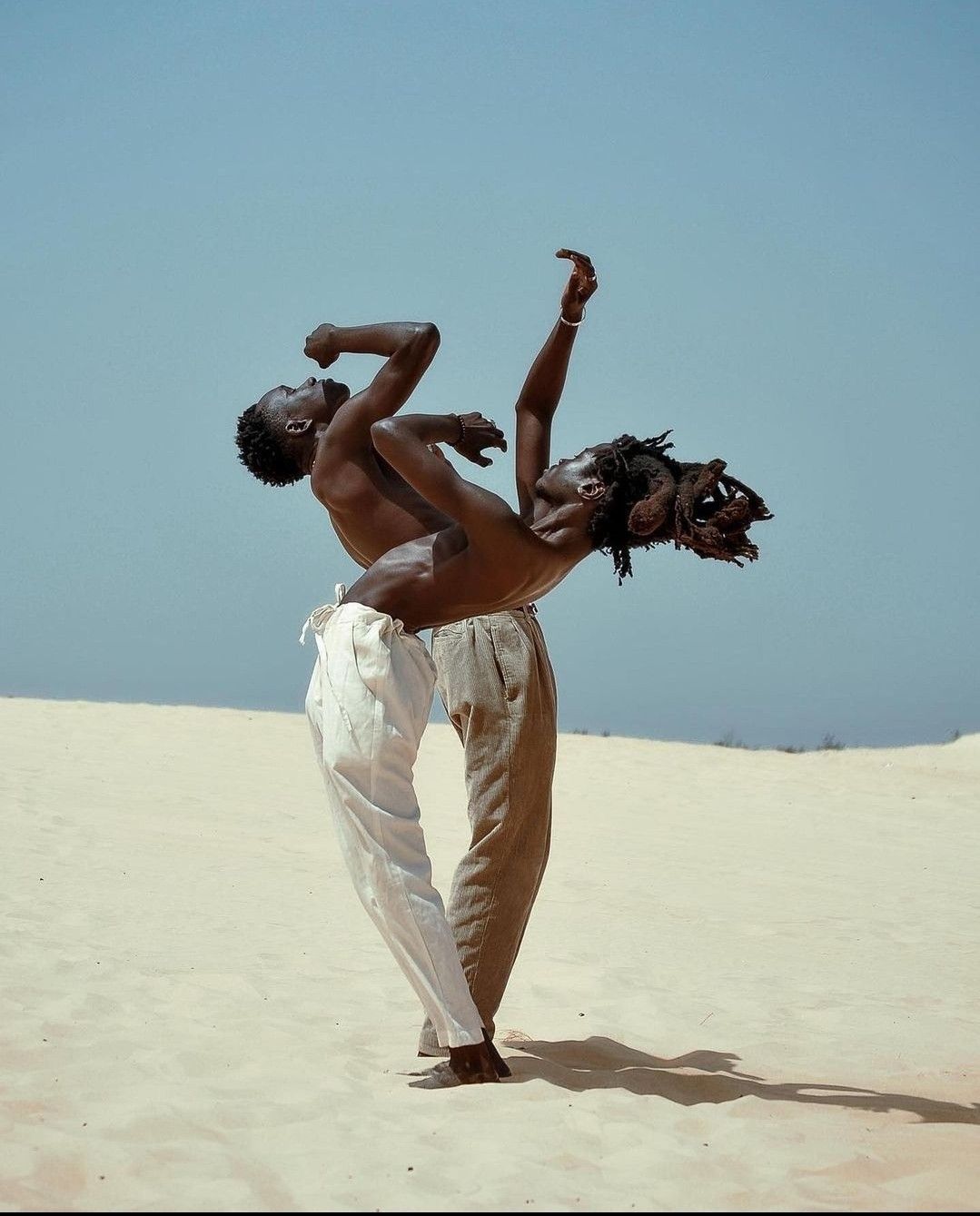
In many traditions, dance is inseparable from spirituality. Movement becomes a bridge between the visible and the unseen.

Specific dances are performed specifically for cleansing, emotional release, or communal restoration. They are not entertainment. They are interventions.

This framing matters in today’s wellness discourse. It challenges the idea that health is only clinical or commercial. It introduces a model where meaning, intention, and collective participation are central to healing.

In this context, African dancers are not performers. They are cultural practitioners. Their work reminds us that the body carries more than function. It holds a story.

Read Also:

  • Loza Maléombho: Redefining African Fashion for the Global Stage
  • Vintage & Heritage Fashion Dominance Across African Cities
  • 10 African Women Changing the Face of Contemporary Art

Global Influence and Contemporary Expression

From Afro-fusion studios in London to movement therapy in New York, from digital choreography on social platforms to luxury fashion presentations grounded in African rhythm, the influence is unmistakable.

What travels is not only style but philosophy. This movement style prioritises connection over perfection. This lifestyle views wellness as a relationship, rather than a transaction.

Designers, wellness brands, and creative industries increasingly borrow from this sensibility. Flow replaces rigidity. Expression replaces uniformity. Craft replaces mass production.

This area is where African dance intersects with modern lifestyle innovation. It shapes how we dress, move, design space, and define luxury. This is not a case of excess, but rather one of intention.

Why It Matters Now
Why It Matters Now

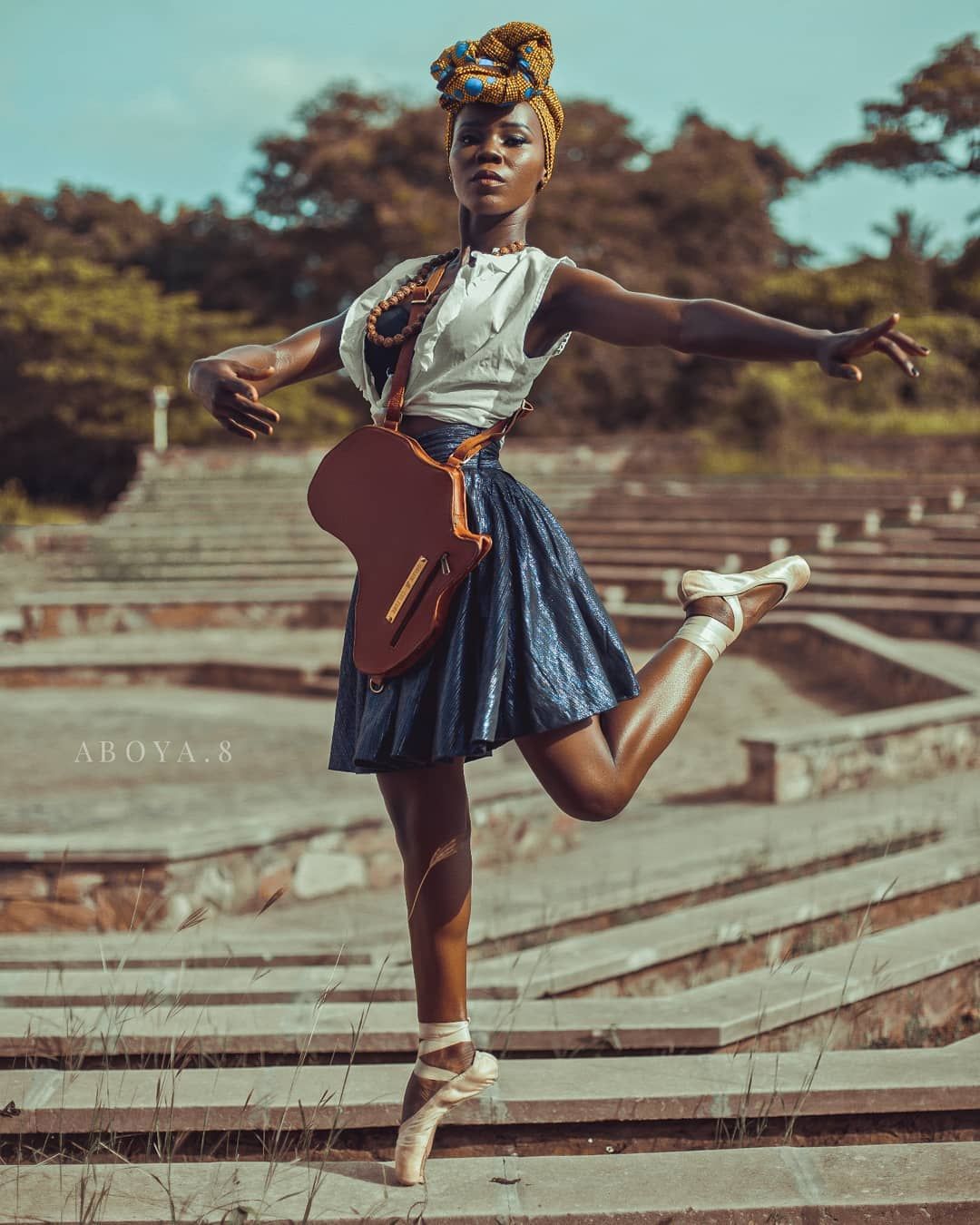
The global wellness industry often promotes isolation. Individual routines. Silent struggle. Private optimisation.

African dance proposes something different.

It suggests that care is communal. That healing can be shared, the body deserves rhythm, not pressure. That culture is not decoration but infrastructure for wellbeing.

In a world navigating burnout, disconnection, and identity fatigue, this perspective is not nostalgic. It is necessary.

Conclusion

African dancers’ wellness influence is more than just a fad to follow. It is a knowledge system to be understood.

Through movement, they preserve memory. Through rhythm, they regulate emotion. Through community, they sustain health.

Their influence extends beyond the studio and the stage. It shapes how modern society can live with greater presence, dignity, and balance.

Wellness, in this tradition, is not something you purchase. It is something you practice together.

See life through a creative lens — explore Culture & Arts on OmirenStyles.

FAQs

  1. Is African dance mainly a form of physical exercise?

No. While it offers substantial physical benefits, its deeper value lies in emotional regulation, cultural expression, and social connection.

  1. How does African dance support mental wellbeing?

Rhythm, repetition, and group movement help reduce stress, release emotion, and strengthen a sense of belonging.

  1. Why is community central to African dance traditions?

Because wellness is understood as relational, health is sustained through shared experience rather than individual effort alone.

  1. How does African dance influence global lifestyle culture today?

It informs movement therapy, contemporary choreography, fashion presentation, and holistic wellness practices worldwide.

  1. What makes African dance relevant in modern wellness conversations?

It offers a culturally grounded model of care that integrates body, identity, spirituality, and community in a balanced way.

Post Views: 236
Total
0
Shares
Share 0
Tweet 0
Pin it 0
Related Topics
  • African Dance Culture
  • Holistic Wellness Lifestyle
  • Movement Wellness Practices
Avatar photo
Heritage Oni

theheritageoni@gmail.com

You May Also Like
Trinidadian Carnival Masquerade Is a Fashion System; It Is Time the World Called It That
View Post
  • Culture & Arts

Trinidadian Carnival Masquerade Is a Fashion System; It Is Time the World Called It That

  • Ayomidoyin Olufemi
  • April 21, 2026
African Hair Is a Political Act: The History Nobody Taught You
View Post
  • Culture & Arts
  • Hair & Hairstyle

African Hair Is a Political Act: The History Nobody Taught You

  • Ayomidoyin Olufemi
  • April 15, 2026
View Post
  • Culture & Arts
  • Trends

The Intimacy of Tailoring Is How Clothes Learn the Language of Your Life

  • Heritage Oni
  • April 1, 2026
The Cultural Codes of Dressing Well: What Every Society Understands About Style and Respect
View Post
  • Culture & Arts
  • Trends

The Cultural Codes of Dressing Well: What Every Society Understands About Style and Respect

  • Fathia Olasupo
  • March 31, 2026
East Africa Textile Untold: Kitenge, Kikoi, and the Coastal Cloth
View Post
  • Cultural Inspirations
  • Culture & Arts

East African Textile Untold: Kitenge, Kikoi, and the Coastal Cloth

  • Faith Olabode
  • March 31, 2026
What the World Lost When Hand-Weaving Gave Way to Mass Production
View Post
  • Culture & Arts
  • Sustainable Fashion

What the World Lost When Hand-Weaving Gave Way to Mass Production

  • Fathia Olasupo
  • March 24, 2026
Culture As Currency: Africa’s Legacy On The Marketplace
View Post
  • Culture & Arts
  • Opinion & Commentary

Culture As Currency: Africa’s Legacy On The Marketplace

  • Philip Sifon
  • March 11, 2026
How Digital Looms Are Weaving New African Legends
View Post
  • Culture & Arts
  • Sustainable Fashion

How Digital Looms Are Weaving New African Legends

  • Philip Sifon
  • March 6, 2026

Leave a Reply Cancel reply

Your email address will not be published. Required fields are marked *

The Omiren Argument

African fashion and culture are not emerging. They are foundational. We document, interpret, and argue for the full cultural weight of African and diaspora dress. With precision. Without apology.

Omiren Styles Fashion · Culture · Identity

All 54 African Nations
Caribbean · Afro-Latin America
The Global Diaspora

Platform

  • About Omiren Styles
  • Our Vision
  • Our Mission
  • Editorial Pillars
  • Editorial Policy
  • The Omiren Collective
  • Campus Style Initiative
  • Sustainable Style
  • Social Impact & Advocacy
  • Investor Relations

Contribute

  • Write for Omiren Styles
  • Submit Creative Work
  • Join the Omiren Collective
  • Campus Initiative
Contact
contact@omirenstyles.com
Our Reach

Africa — All 54 Nations
Caribbean
Afro-Latin America
Global Diaspora

African fashion intelligence, in your inbox.

Editorial features, designer profiles, cultural commentary. No noise.

© 2026 Omiren Styles — Rex Clarke Global Ventures Limited. All rights reserved.
  • Privacy Policy
  • Editorial Policy
  • Terms of Use
  • Accessibility
Africa · Caribbean · Diaspora
The Omiren Argument

African fashion and culture are not emerging. They are foundational. We document, interpret, and argue for the full cultural weight of African and diaspora dress. With precision. Without apology.

Omiren Styles Fashion · Culture · Identity
  • About Omiren Styles
  • Our Vision
  • Our Mission
  • Editorial Pillars
  • Editorial Policy
  • The Omiren Collective
  • Campus Style Initiative
  • Sustainable Style
  • Social Impact & Advocacy
  • Investor Relations
  • Write for Omiren Styles
  • Submit Creative Work
  • Join the Omiren Collective
  • Campus Initiative
Contact contact@omirenstyles.com

All 54 African Nations · Caribbean
Afro-Latin America · Global Diaspora

African fashion intelligence, in your inbox.

Editorial features, designer profiles, cultural commentary. No noise.

© 2026 Omiren Styles
Rex Clarke Global Ventures Limited.
All rights reserved.

  • Privacy Policy
  • Editorial Policy
  • Terms of Use
  • Accessibility
Africa · Caribbean · Diaspora

Input your search keywords and press Enter.