Menu
  • AFRICA
    • African Fashion
    • African Designers
    • Textiles & Craft
    • Heritage Clothing
    • Made in Africa
    • Regional Style
  • DIASPORA
    • Diaspora Voices
    • Diaspora Connects
    • UK Scene
    • US Scene
    • Caribbean Diaspora
    • Afro-Latino Identity
    • Migration & Identity
  • CULTURE
    • Style & Identity
    • Ceremony & Ritual
    • Art & Music
    • Cultural Inspirations
    • Black Culture
    • Heritage Stories
  • FASHION
    • Trends
    • Street Style
    • Runway
    • Sustainable Fashion
    • Tailoring
    • Luxury Fashion
  • INDUSTRY
    • Editorial Intelligence
    • Market Trends
    • Brand Strategy
    • Retail & Commerce
    • Partnerships
    • Reports
    • Insights
    • Omiren Style Index
  • BEAUTY
    • Skincare
    • Makeup
    • Hair & Hairstyle
    • Fragrance
    • Beauty Traditions
    • Natural Beauty
  • MEN
    • Men’s Style
    • Grooming Traditions
    • Traditional & Heritage
    • The Modern African Man
    • Menswear Designers
  • WOMEN
    • Women’s Style
    • Evening Glam
    • Workwear & Professional
    • Streetwear for Women
    • Accessories & Bags
    • Bridal
  • NEWS
    • Cover Stories
    • Fashion Weeks
    • Opinion & Commentary
    • Style Icons
    • Rising Stars
  • DIRECTORY
    • Designers
    • Brands
    • Boutiques
    • Stylists
    • Models
    • Photographers
    • Creative Teams
    • Events
    • Production
    • Materials & Suppliers
Subscribe
OMIREN STYLES OMIREN STYLES

Fashion · Culture · Identity

OMIREN STYLES OMIREN STYLES OMIREN STYLES OMIREN STYLES
  • AFRICA
    • African Fashion
    • African Designers
    • Textiles & Craft
    • Heritage Clothing
    • Made in Africa
    • Regional Style
  • DIASPORA
    • Diaspora Voices
    • Diaspora Connects
    • UK Scene
    • US Scene
    • Caribbean Diaspora
    • Afro-Latino Identity
    • Migration & Identity
  • CULTURE
    • Style & Identity
    • Ceremony & Ritual
    • Art & Music
    • Cultural Inspirations
    • Black Culture
    • Heritage Stories
  • FASHION
    • Trends
    • Street Style
    • Runway
    • Sustainable Fashion
    • Tailoring
    • Luxury Fashion
  • INDUSTRY
    • Editorial Intelligence
    • Market Trends
    • Brand Strategy
    • Retail & Commerce
    • Partnerships
    • Reports
    • Insights
    • Omiren Style Index
  • BEAUTY
    • Skincare
    • Makeup
    • Hair & Hairstyle
    • Fragrance
    • Beauty Traditions
    • Natural Beauty
  • MEN
    • Men’s Style
    • Grooming Traditions
    • Traditional & Heritage
    • The Modern African Man
    • Menswear Designers
  • WOMEN
    • Women’s Style
    • Evening Glam
    • Workwear & Professional
    • Streetwear for Women
    • Accessories & Bags
    • Bridal
  • NEWS
    • Cover Stories
    • Fashion Weeks
    • Opinion & Commentary
    • Style Icons
    • Rising Stars
  • DIRECTORY
    • Designers
    • Brands
    • Boutiques
    • Stylists
    • Models
    • Photographers
    • Creative Teams
    • Events
    • Production
    • Materials & Suppliers
  • Textiles & Craft

The Artisan’s Weekend: Mapping Kampala’s Creative Heartbeat

  • Heritage Oni
  • January 19, 2026
Latitude0Kampala/Instagram.

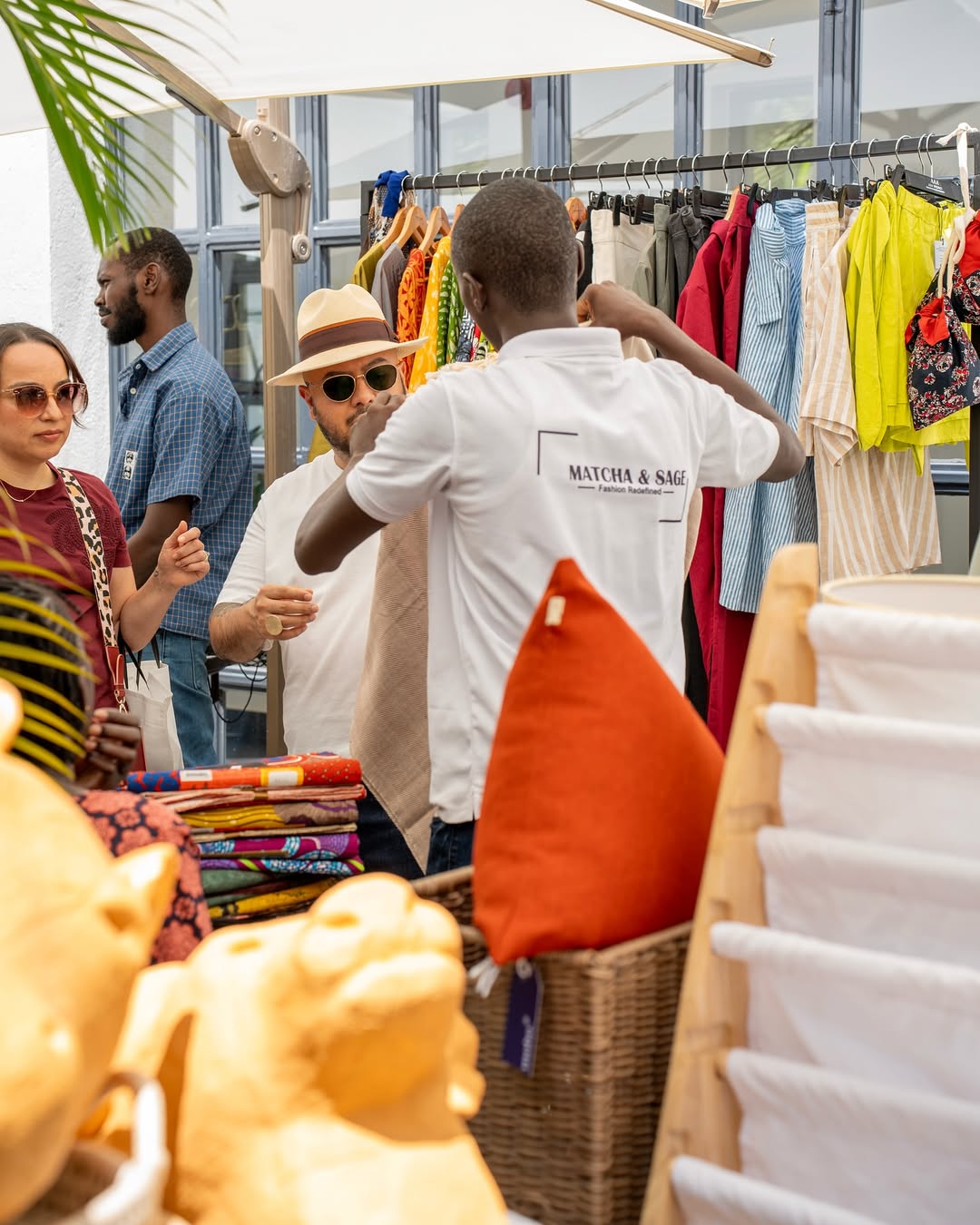
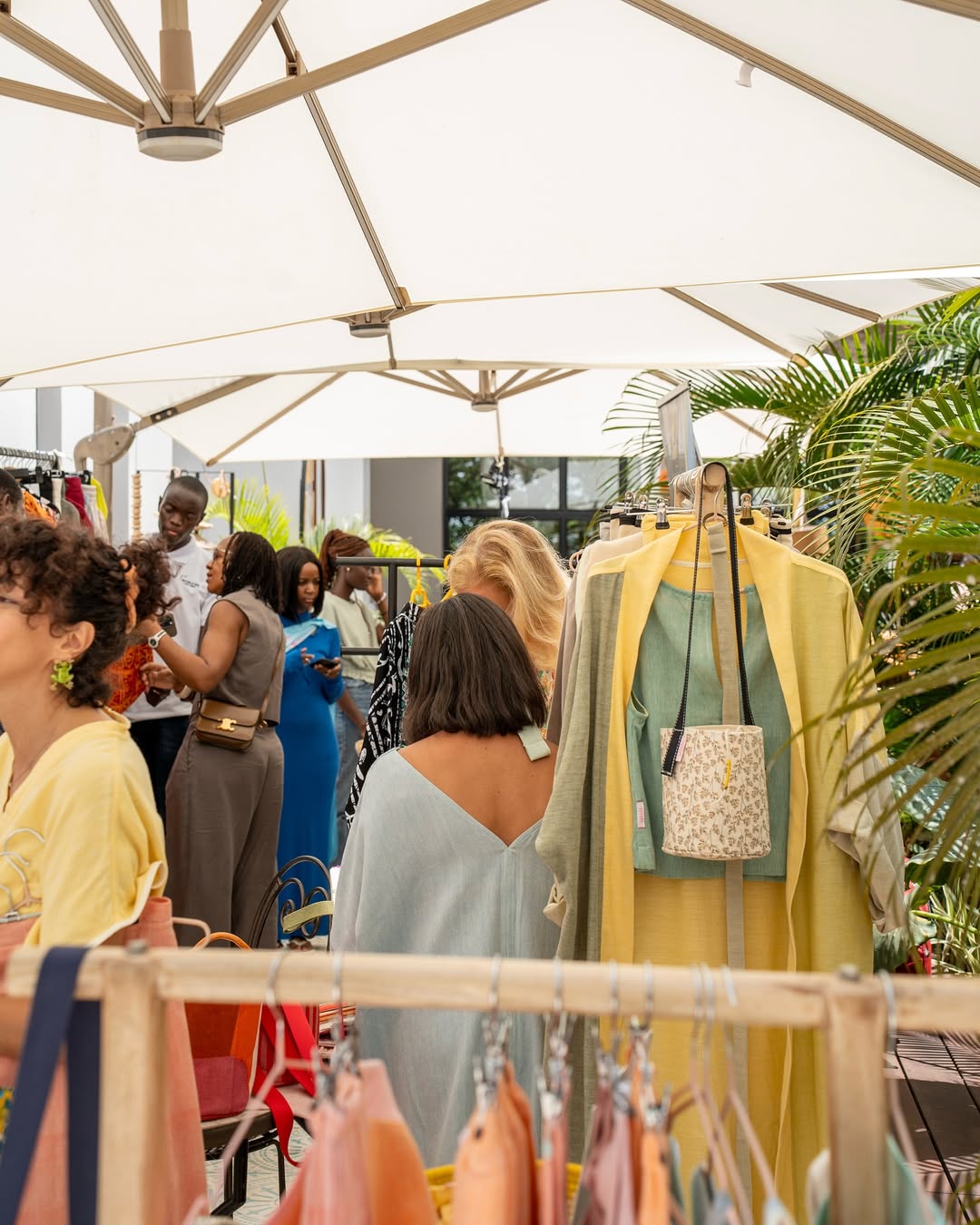
Kampala is a city that makes sense once you spend time in it. Creativity does not sit in one district or behind closed doors. It shows up in how people dress, where they meet, and how they talk about their work. A weekend here often starts with coffee and ends in conversation. Somewhere in between, you find studios, galleries, fashion spaces, and small design-led cafés shaping a quiet but confident creative culture. Kampala feels practical, not performative. It is a place where art, fashion, and lifestyle are part of everyday life, not events reserved for special occasions. For creatives looking for depth rather than spectacle, the city offers a grounded and refreshing pace.

Explore Kampala’s creative heartbeat through its artisans, markets, studios, and weekend culture—revealing how craft, community, and culture shape the city.

A City Shaped By Makers
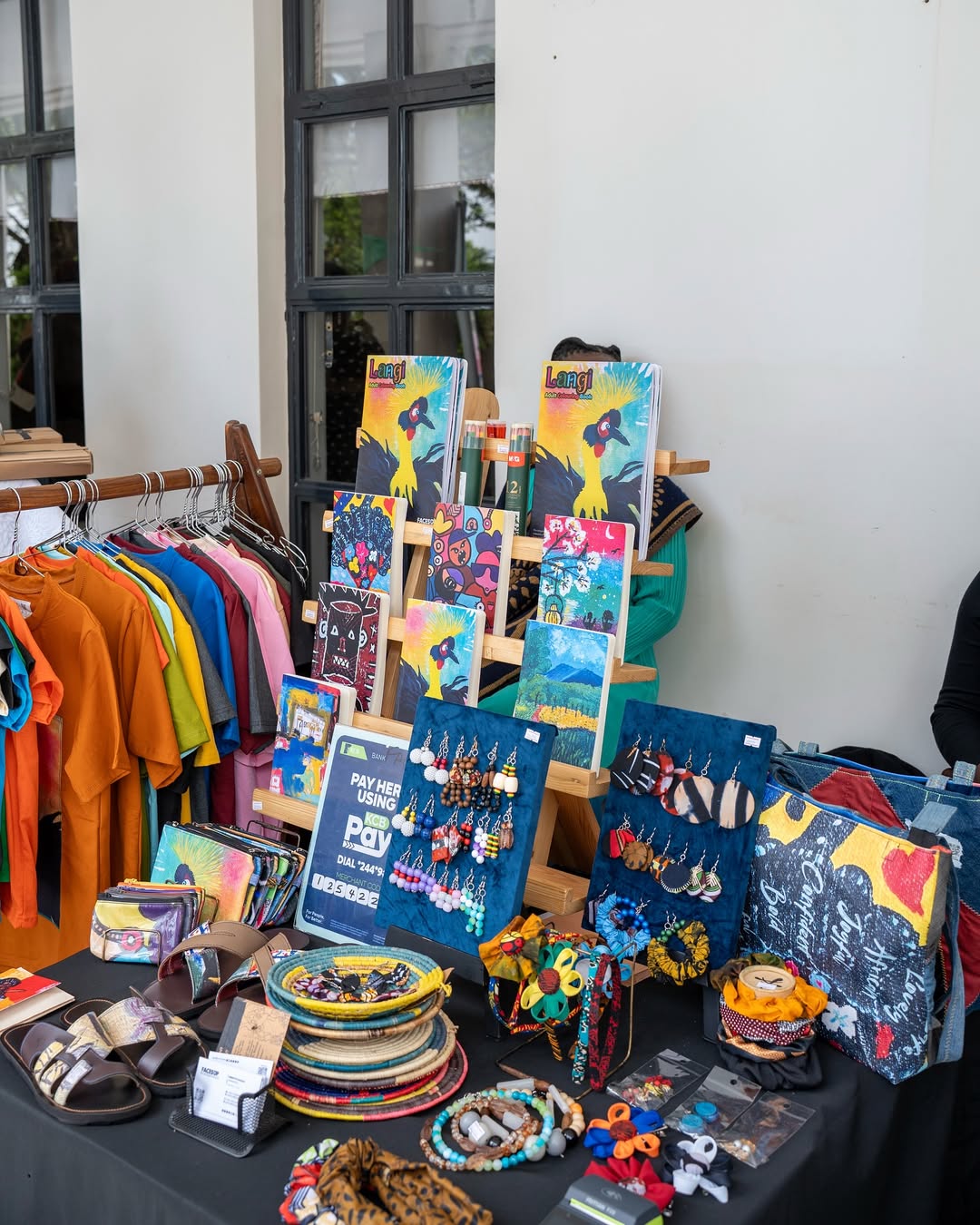
A City Shaped By Makers
All Photos: Latitude0Kampala/Instagram.

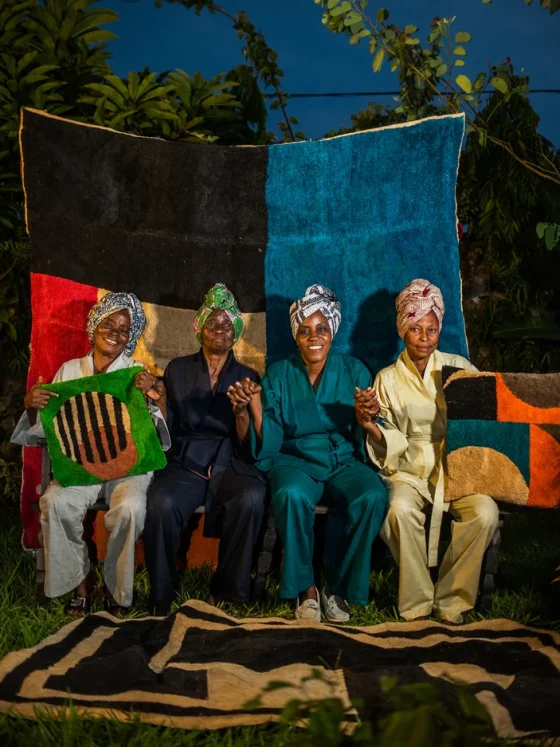
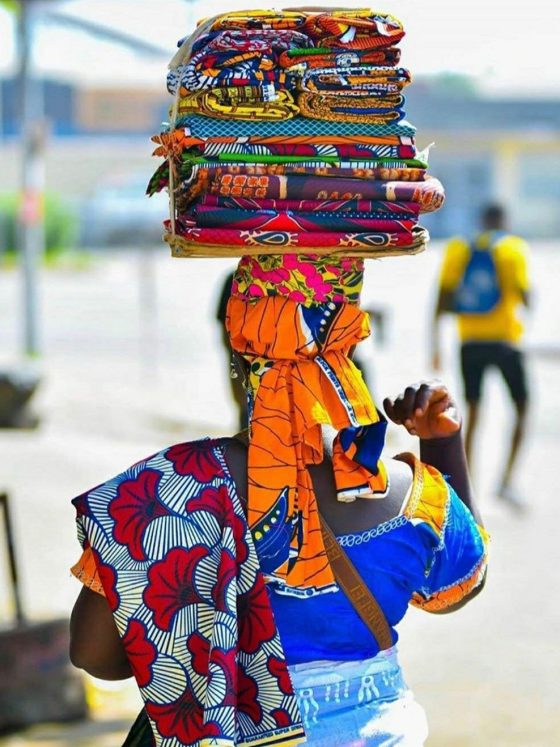
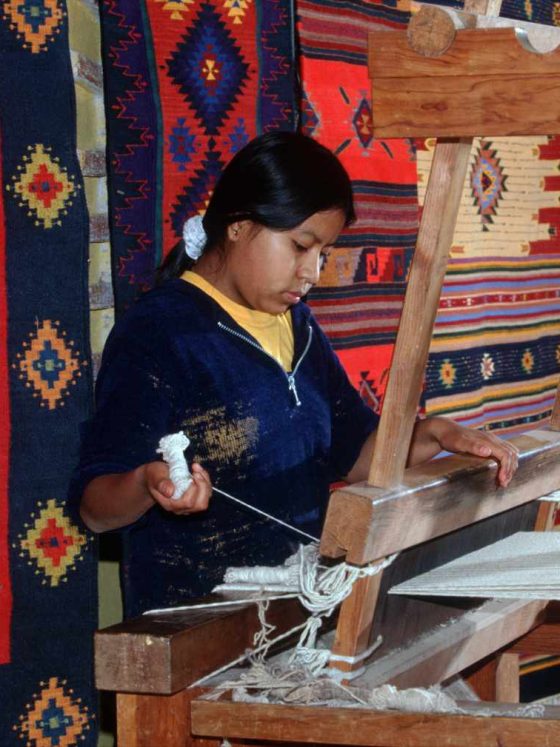
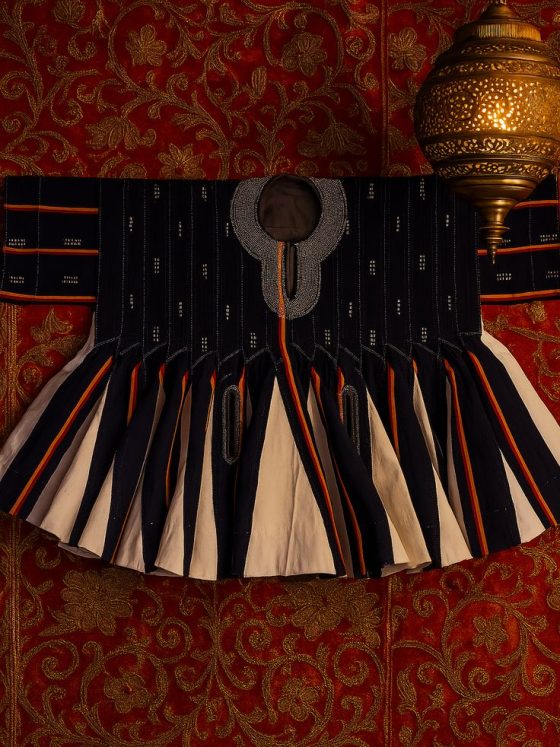
Kampala’s creative identity is rooted in craftsmanship. Long before contemporary galleries and design hubs emerged, artisans were already shaping bark cloth, weaving baskets, carving wood, and telling stories through form. That legacy still defines the city’s visual language. Today’s designers and artists do not abandon tradition. They reinterpret it. Textiles appear in modern silhouettes. Indigenous materials sit comfortably beside minimalist design principles. The result is work that feels global in conversation yet unmistakably Ugandan in soul.

This continuity gives Kampala an edge. Creativity here is not performative. It is functional, wearable, and lived with. You see it in fashion studios that blur the line between craft and couture and in interior spaces where handmade objects carry as much weight as imported design pieces.

Contemporary Art With Context
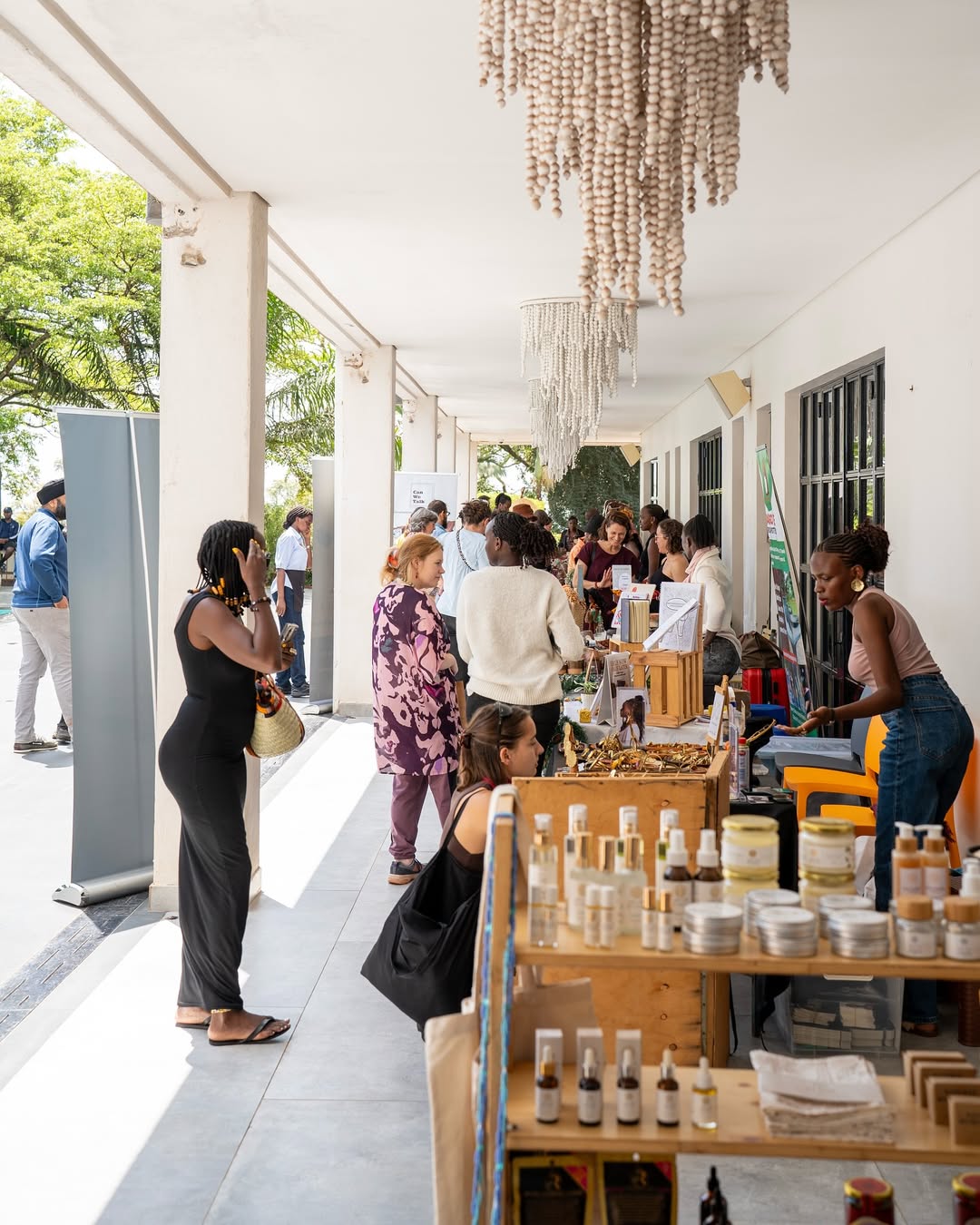
Contemporary Art With Context

Kampala’s art scene thrives on context. Galleries are not neutral white boxes but spaces for dialogue. Artists engage themes of identity, post-colonial memory, urban growth, and diaspora experience. Many creators have studied or lived abroad, bringing back global perspectives that reshape local narratives. Their work speaks to movement: between cities, between cultures, and between past and future.

Exhibitions often feel intimate. Conversations between artists and visitors are common. This accessibility strengthens trust and reinforces expertise, grounding creativity in lived experience rather than trend. For visitors, it offers more than visual stimulation. It offers understanding.

Design As Lifestyle Innovation
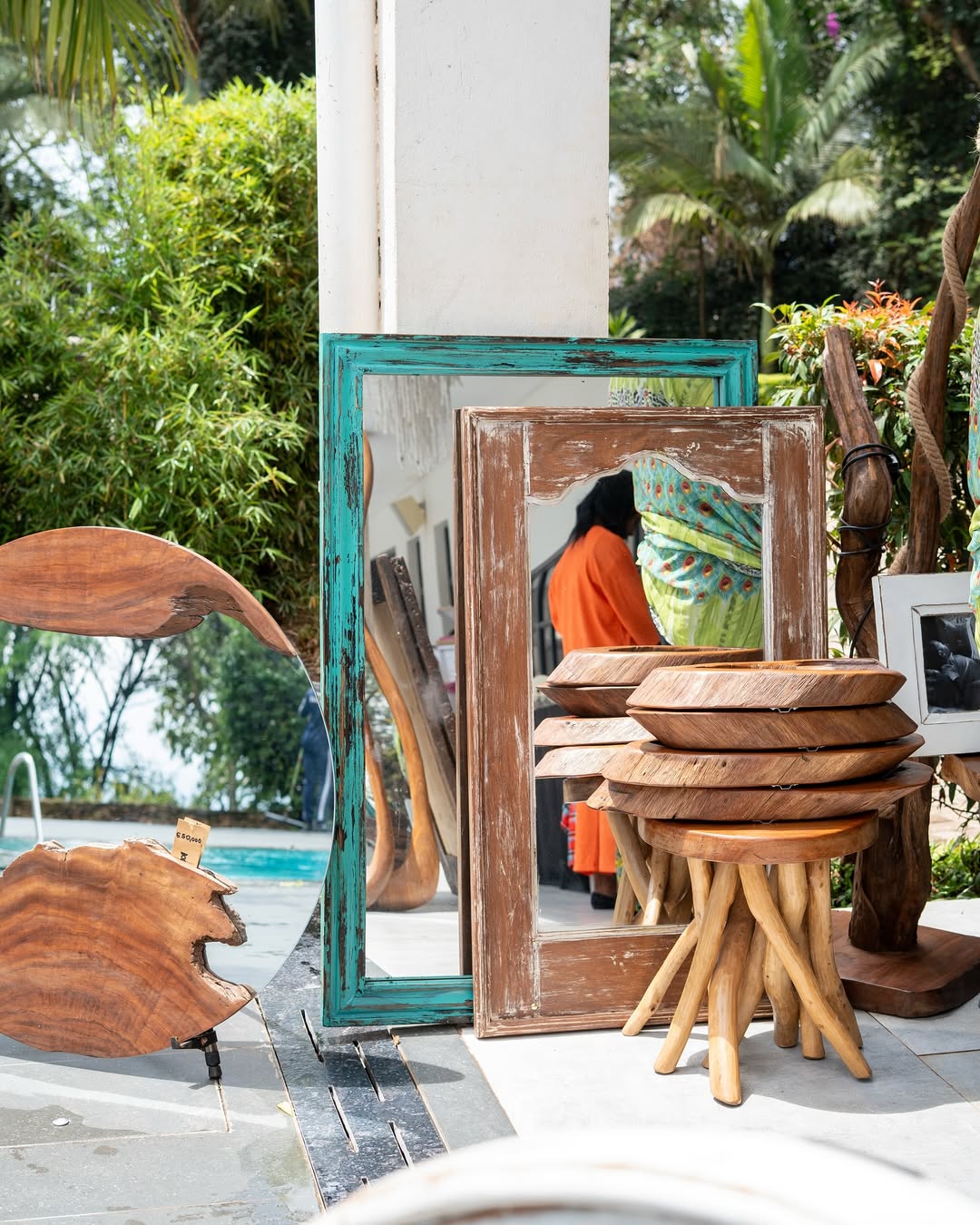
Design As Lifestyle Innovation

Design in Kampala extends beyond objects. It shapes how people gather, work, and rest. Creative hubs double as social spaces. Cafés host pop-up exhibitions. Concept stores blend fashion, art, and community storytelling. This fluidity reflects a city designing itself in real time.

There is also a quiet commitment to sustainability. Many designers source locally, work with smaller production teams, and prioritise ethical labour. Luxury here is not excess. It is intentional. The goal is to own fewer items made with higher quality, with traceable origins, and carrying cultural significance.

Read Also:

  • Kanga Chronicles: The Living Language of East Africa’s Most Iconic …
  • Where Concrete Meets Canopy
  • Vintage & Heritage Fashion Dominance Across African Cities

Coffee as a Creative Infrastructure

Coffee as a Creative Infrastructure

Speciality coffee plays a subtle but essential role in Kampala’s creative ecosystem. Uganda is one of Africa’s major coffee producers, and the rise of local speciality cafés signals a shift from export-only thinking to value creation at home. Coffee spaces have become informal studios and meeting rooms for writers, designers, and filmmakers.

This cafe prioritises quality and storytelling. Beans are traceable. Brewing methods are deliberate. The experience is calm and unforced. Coffee becomes both a product. These spaces provide a moment of reflection, sketching, and planning. This provides a moment for reflection, sketching, and planning. In a city that moves quickly, these spaces create room for thought.

Fashion And Global Dialogue

Restraint defines modern luxury fashion in Kampala. Designers focus on cut, fabric, and narrative rather than spectacle. Collections often reference heritage without replicating it. A silhouette may echo traditional dress while aligning with international fashion standards. This balance allows Kampala’s fashion voices to speak globally without dilution.

Diaspora influence is particularly strong. Designers who have navigated multiple cultural worlds bring precision, confidence, and market awareness. Yet they remain anchored to local realities. This duality strengthens credibility and positions Kampala as a city contributing to global creative conversations, not merely consuming them.

A Weekend Rhythm

A creative weekend in Kampala unfolds naturally. Mornings begin with coffee and observation. Afternoons move through studios, markets, and exhibitions. Evenings invite conversation, music, and shared meals. Nothing feels rushed. The city encourages presence. It rewards curiosity.

Conclusion

Kampala is not a finished product. It is a process. Its creative pulse lies in its willingness to evolve while honouring its roots. For the creative class, the city offers more than inspiration. It offers perspective. A reminder that meaningful creativity grows from culture, ethics, and community. A weekend here does not just fill your camera roll. It reshapes how you see value, luxury, and progress.

See life through a creative lens — explore Culture & Arts on OmirenStyles.

FAQs

  1. Is Kampala suitable for creative travellers and digital creatives?

Yes. The city has a growing network of cafés, galleries, and creative spaces that support work, collaboration, and inspiration.

  1. What makes Kampala’s art scene different from other African cities?

Its strength lies in continuity. Contemporary work remains deeply connected to traditional craftsmanship and lived social context.

  1. How strong is sustainability within Kampala’s creative industries?

Many designers and makers prioritise local sourcing, ethical labour, and small-scale production rooted in community values.

  1. Is speciality coffee culture established in Kampala?

Yes. A growing number of cafés focus on quality, traceability, and creating spaces for creative exchange.

  1. When is the best time to explore Kampala’s creative scene?

Weekends are ideal, especially Fridays and Saturdays, when exhibitions, markets, and cultural events are most active.

Post Views: 311
Related Topics
  • African Artisan Communities
  • Kampala Creative Culture
  • Urban Craft Scene
Avatar photo
Heritage Oni

theheritageoni@gmail.com

You May Also Like
View Post
  • Textiles & Craft

Ghanaian Funeral Fashion: The Most Serious Fashion Event in West Africa

  • Tobi Arowosegbe
  • May 29, 2026
Lesotho’s Basotho Blanket: How a Colonial Gift Became a Symbol of Sovereignty
View Post
  • Textiles & Craft

Lesotho’s Basotho Blanket: How a Colonial Gift Became a Symbol of Sovereignty

  • Adams Moses
  • May 29, 2026
The Language of Adinkra: When Cloth Becomes Scripture
View Post
  • Textiles & Craft

The Language of Adinkra: When Cloth Becomes Scripture

  • Rex Clarke
  • May 28, 2026
Cloth, Craft, and Community: The Textile Traditions of Afro-Peruvian Coastal Culture
View Post
  • Textiles & Craft

Cloth, Craft, and Community: The Textile Traditions of Afro-Peruvian Coastal Culture

  • Ayomidoyin Olufemi
  • May 22, 2026
The Significance of White in African Mourning: Why the Continent's Grief Dress Is Not What the West Assumes
View Post
  • Textiles & Craft

The Significance of White in African Mourning: Why the Continent’s Grief Dress Is Not What the West Assumes

  • Rex Clarke
  • May 22, 2026
The Dipo Ceremony and What Krobo Beadwork Communicates About Womanhood in Ghana
View Post
  • Textiles & Craft

The Dipo Ceremony and What Krobo Beadwork Communicates About Womanhood in Ghana

  • Adams Moses
  • May 22, 2026
Bogolan Is Not Mud Cloth: Why the Name Matters and Who Benefits from Getting It Wrong
View Post
  • Textiles & Craft

Bogolan Is Not Mud Cloth: Why the Name Matters and Who Benefits from Getting It Wrong

  • Adams Moses
  • May 20, 2026
Who Actually Owns Ankara: The Legal and Cultural Argument the Fashion Industry Has Been Avoiding
View Post
  • Textiles & Craft

Who Actually Owns Ankara: The Legal and Cultural Argument the Fashion Industry Has Been Avoiding

  • Tobi Arowosegbe
  • May 20, 2026

Leave a Reply Cancel reply

Your email address will not be published. Required fields are marked *

The Omiren Argument

African fashion and culture are not emerging. They are foundational. We document, interpret, and argue for the full cultural weight of African and diaspora dress. With precision. Without apology.

Omiren Styles Fashion · Culture · Identity

All 54 African Nations
Caribbean · Afro-Latin America
The Global Diaspora

Platform

  • About Omiren Styles
  • Our Vision
  • Our Mission
  • Editorial Pillars
  • Editorial Policy
  • The Omiren Collective
  • Campus Style Initiative
  • Sustainable Style
  • Social Impact & Advocacy
  • Investor Relations

Contribute

  • Write for Omiren Styles
  • Submit Creative Work
  • Join the Omiren Collective
  • Campus Initiative
Contact
contact@omirenstyles.com
Our Reach

Africa — All 54 Nations
Caribbean
Afro-Latin America
Global Diaspora

African fashion intelligence, in your inbox.

Editorial features, designer profiles, cultural commentary. No noise.

© 2026 Omiren Styles — Rex Clarke Global Ventures Limited. All rights reserved.
  • Privacy Policy
  • Editorial Policy
  • Terms of Use
  • Accessibility
Africa · Caribbean · Diaspora
The Omiren Argument

African fashion and culture are not emerging. They are foundational. We document, interpret, and argue for the full cultural weight of African and diaspora dress. With precision. Without apology.

Omiren Styles Fashion · Culture · Identity
  • About Omiren Styles
  • Our Vision
  • Our Mission
  • Editorial Pillars
  • Editorial Policy
  • The Omiren Collective
  • Campus Style Initiative
  • Sustainable Style
  • Social Impact & Advocacy
  • Investor Relations
  • Write for Omiren Styles
  • Submit Creative Work
  • Join the Omiren Collective
  • Campus Initiative
Contact contact@omirenstyles.com

All 54 African Nations · Caribbean
Afro-Latin America · Global Diaspora

African fashion intelligence, in your inbox.

Editorial features, designer profiles, cultural commentary. No noise.

© 2026 Omiren Styles
Rex Clarke Global Ventures Limited.
All rights reserved.

  • Privacy Policy
  • Editorial Policy
  • Terms of Use
  • Accessibility
Africa · Caribbean · Diaspora

Input your search keywords and press Enter.