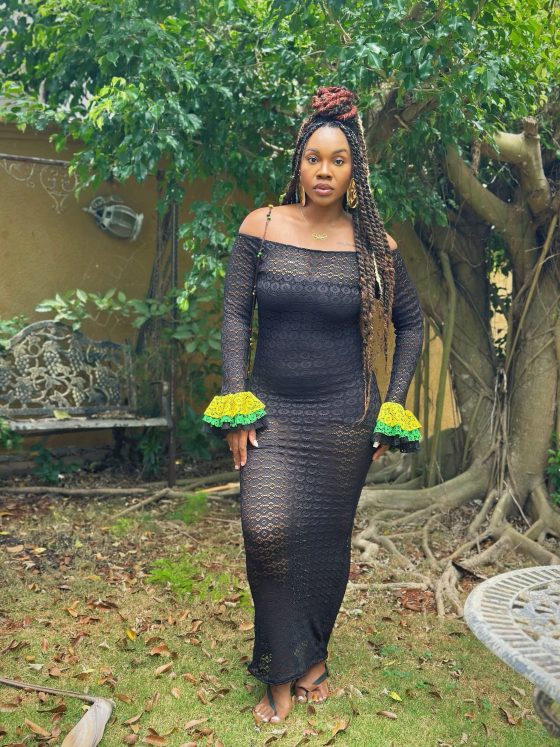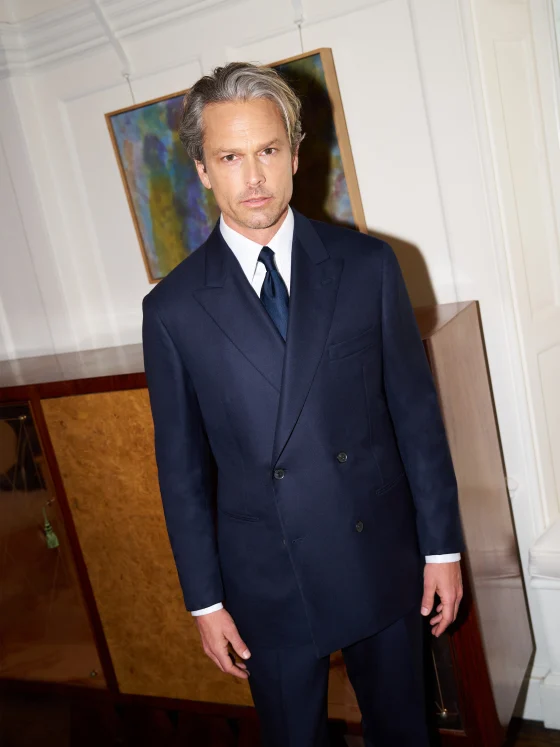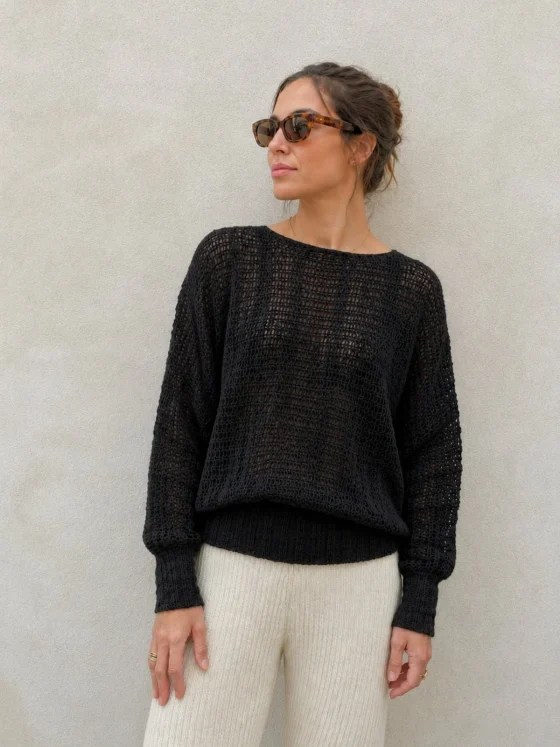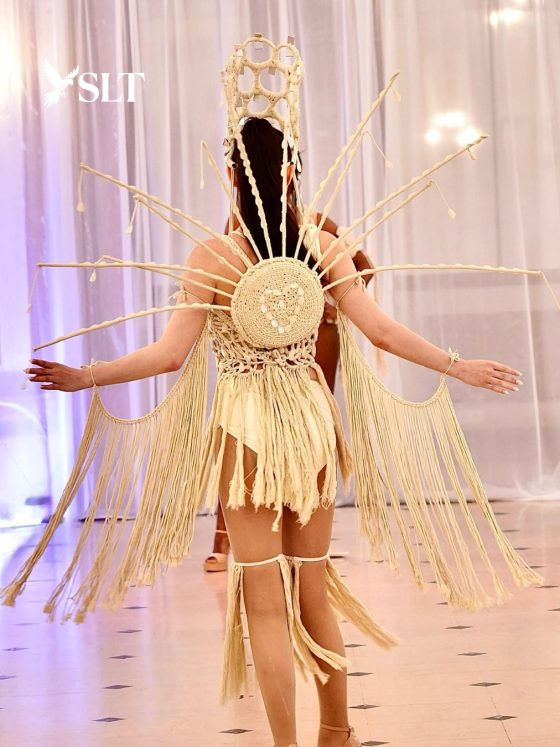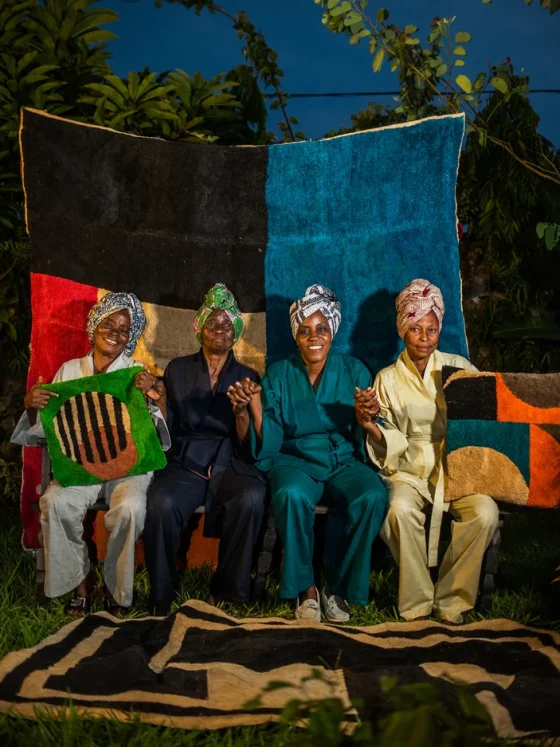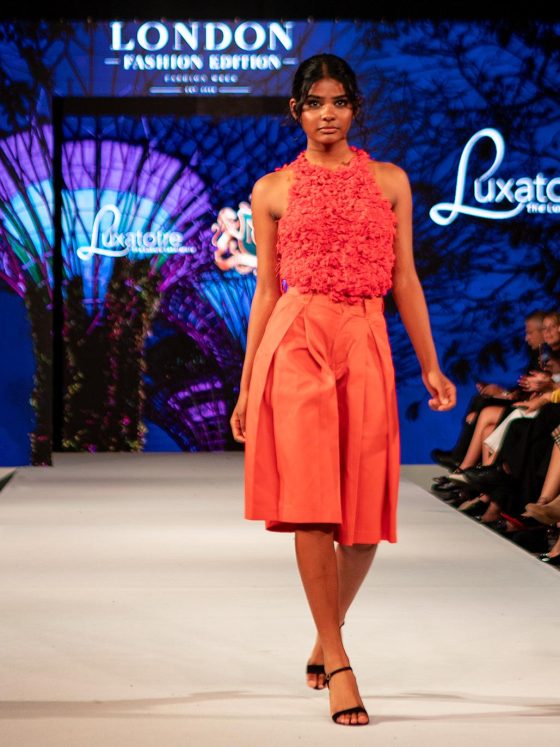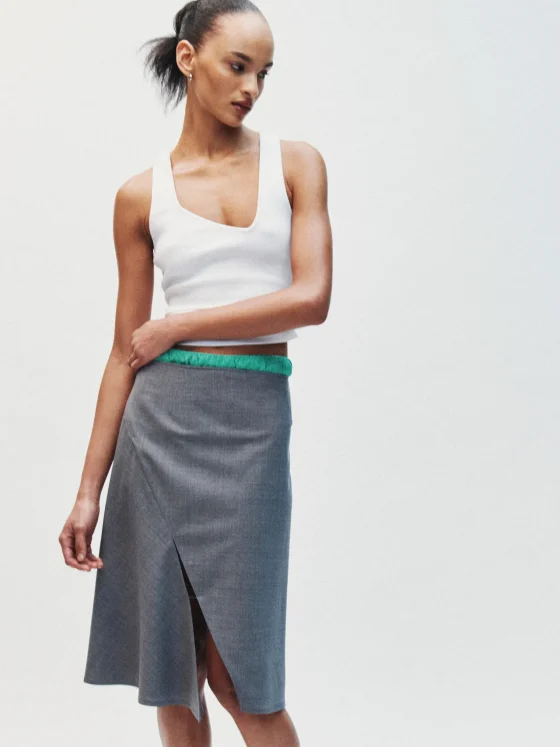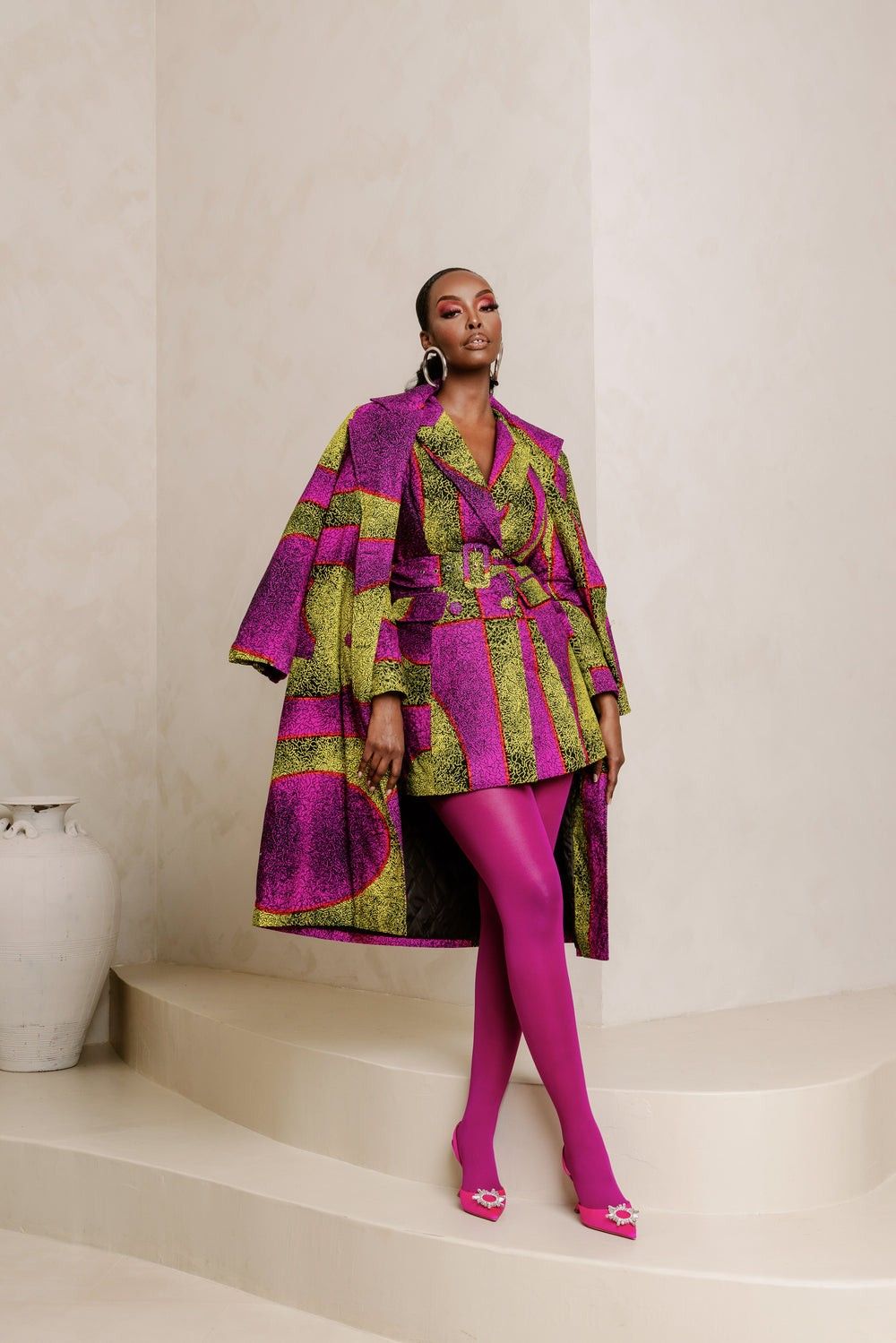
Have you ever seen a bright Ankara fabric or a sharp Maxhosa knit and wanted to match it with something just as bold, but hesitated because you worried about clashing?
In 2026, we’re leaving that fear behind. Today’s African “It Girl” doesn’t just wear prints; she knows how to make them work together. We’re stepping into a time of Afrocentric Soulful Minimalism, where what used to be called “clashing” is really a creative conversation between cultures and stories.
After years of working in a place where heritage meets high fashion, I’ve learnt that mixing prints is the best way to show both skill and cultural pride. It means using sustainable hand-woven fabrics and including styles from around the world to create outfits that look confident and easy. When you mix prints well, the result isn’t messy; it’s a clear example of thoughtful style.
In this guide, we’ll explain the basics behind mixing prints with style. You’ll learn how to balance patterns, spot what connects them, and use neutral pieces to turn a clash into something special. This is more than just fashion; it’s about feeling confident and sharing your story. Here’s your step-by-step plan for mastering the mix.
Master 2026 African fashion with our guide to Cultural Luxury Refined. This guide covers everything from mixing prints with expertise to sustainable home decor and inclusive It Girl wellness rituals. Discover intentional living at Omiren Styles.
The Golden Rule of Scale: Macro vs. Micro
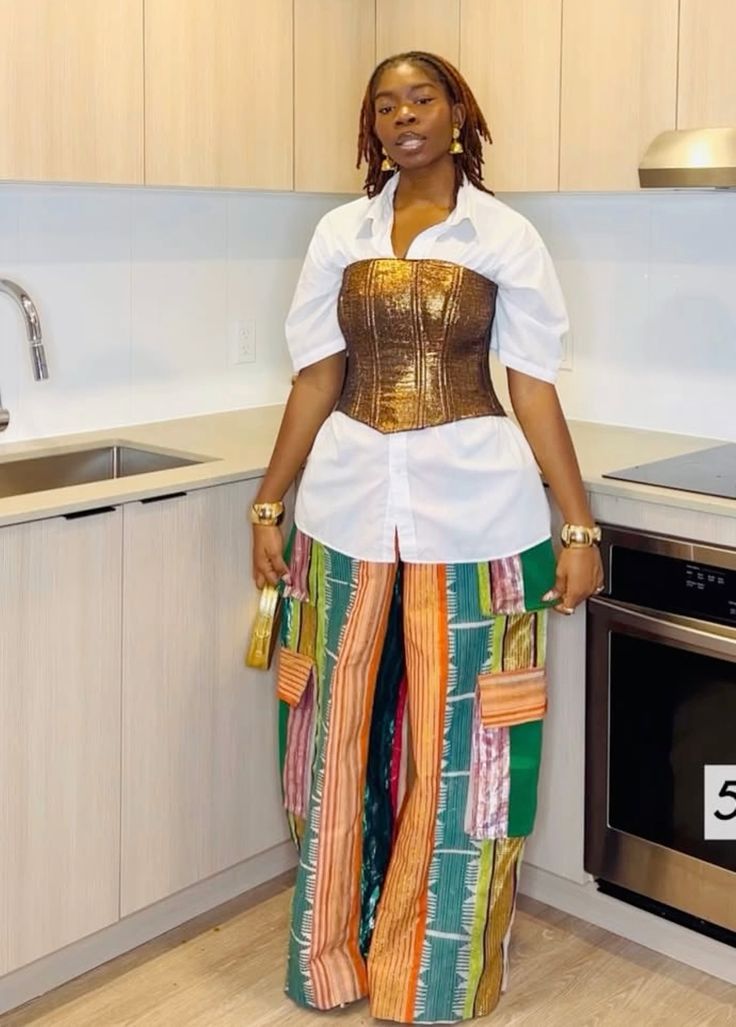
The first thing you need to master when mixing prints is understanding scale. In 2026, the best way to combine different patterns is to make sure they don’t compete for attention. Imagine a conversation where everyone talks at once; no one stands out. By adjusting the size of your prints, you can create a look that suits any body shape and still looks polished and professional.
I always begin with a large-scale print as the main piece. For example, I might choose a bold, long Ankara duster coat with significant floral patterns. To balance the look, I add a small-scale print, like pinstriped silk trousers or a tiny geometric-print blouse from Lisa Folawiyo. This creates a clear visual order that looks thoughtful and polished. This method is also sustainable because you’re not just buying matching sets; you’re finding new ways to wear what you already have, so your style feels new and elegant.
When you master the scale, you master the room. It’s a quiet way of showing culture. When you get the scale right, you stand out in any room. It’s a subtle way to show respect for the boldness of African textiles while making sure you wear the outfit, not the other way around. This style is fresh and on-trend, and it shows confidence in who you are in 2026.
Finding Your Colour Anchor
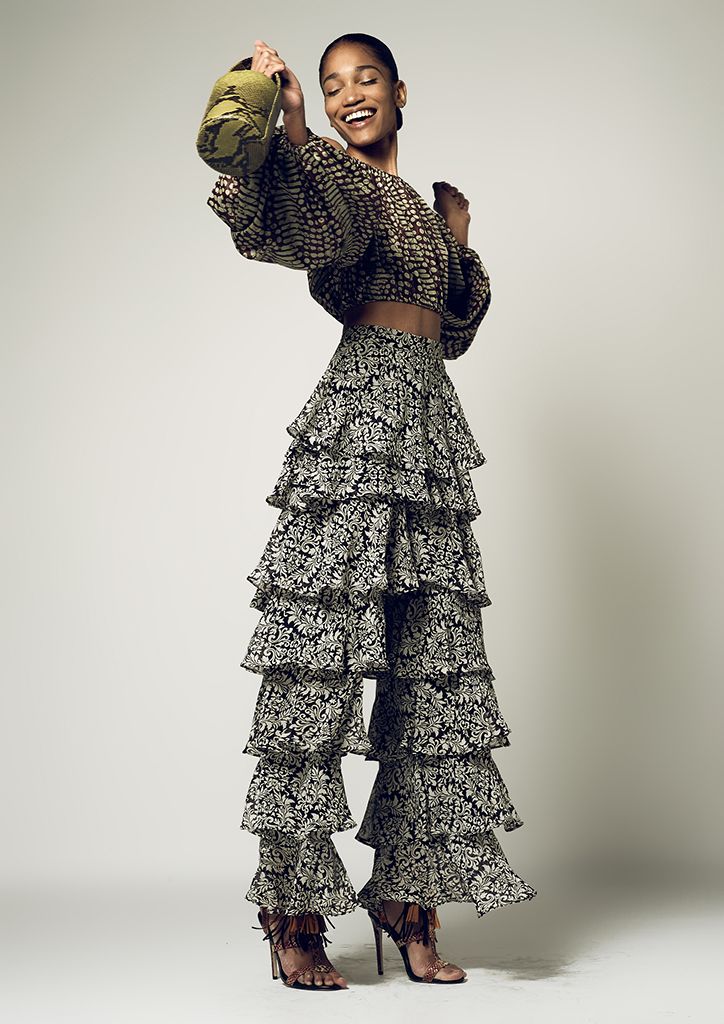
If scale is the science behind mixing prints, then colour is the soul. In 2026, the best print combinations aren’t random; they work because they share a standard palette. I’ve noticed that when your prints have similar colours, you can mix even the most different patterns.
Tongoro by Sarah Diouf is a brand that really gets this right. They’re known for bold, graphic prints and often stick to a simple palette, like their famous black-and-white patterns. I’ve found you can mix a Tongoro zig-zag print with a polka dot from another sustainable brand if they both have that clean white base. This gives you a polished, put-together look that feels planned rather than random.
Finding one colour to tie everything together really boosts my confidence. This style tip works for everyone, whether your look is bohemian, business, or streetwear. The ‘Common Thread’ rule helps you look polished and confident.
ALSO READ:
Your Secret Style Weapon
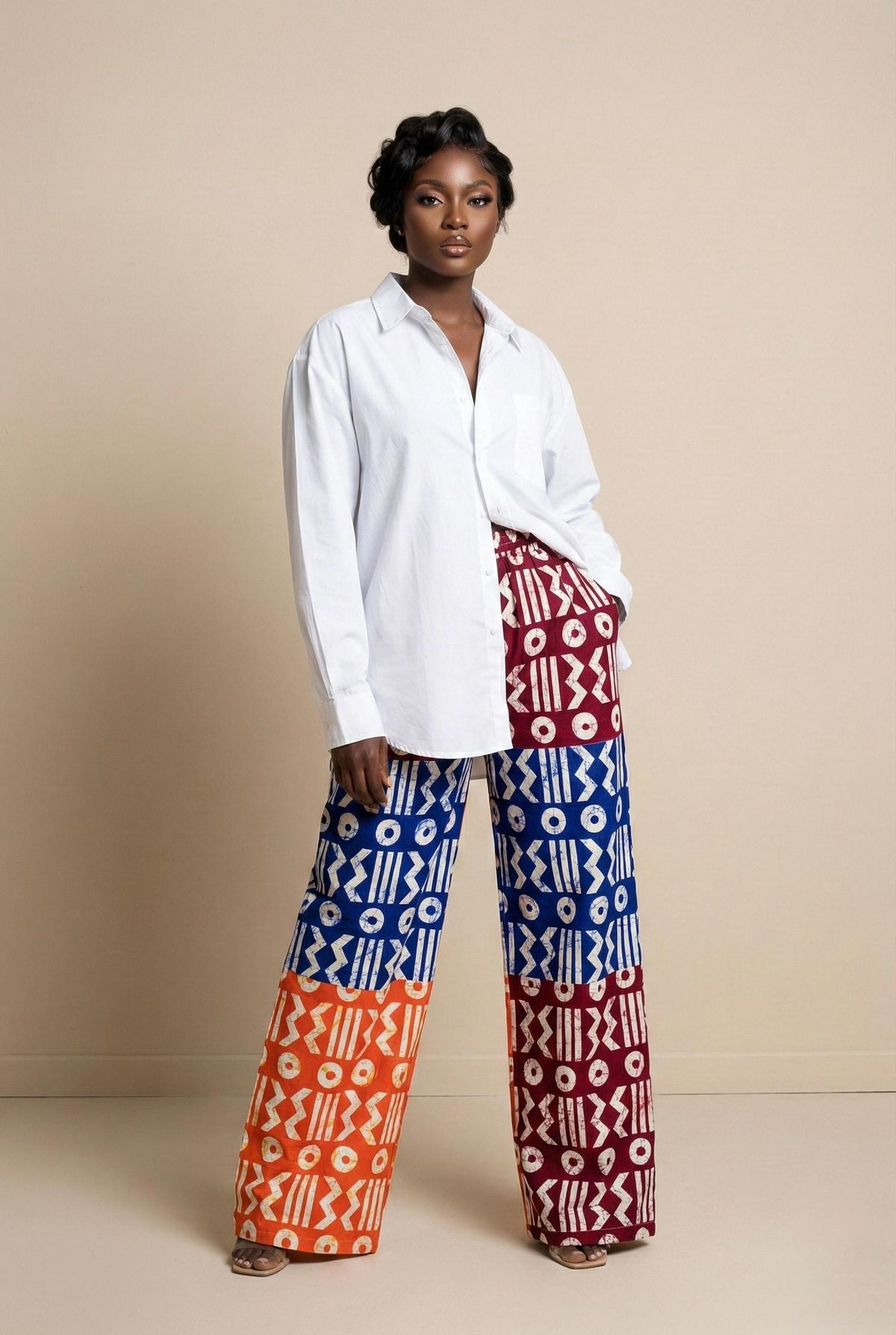
Sometimes, the best way to stand out in high fashion is to give the eyes a place to rest. In 2026, the “It Girl” understands that Afrocentric Soulful Minimalism is not just about adding more but also about knowing when to keep things simple. Neutral Anchors help with this. If you layer a solid, professional piece between two bold prints, you create a polished look that feels both expensive and intentional.
I’ve noticed how Orange Culture uses this approach. They often pair their bright, hand-dyed Adire prints with simple, structured neutrals, such as a crisp, oversized white shirt or a sand-coloured blazer. This type of outfit is an excellent example of sustainability. When you invest in quality neutral basics, you can wear your boldest prints more often without feeling over-the-top. This inclusive approach to styling lets anyone, regardless of comfort level, try bold African textiles while still looking polished for work or a fancy dinner.
I’ve learnt that a neutral anchor works like a painting frame. It shows off the print’s details without letting the patterns blend. This is the top “It Girl” trick for looking confident in 2026: let your prints stand out while using neutrals to keep your style sharp.
Conclusion
As we finish exploring the art of mixing prints, keep in mind that this is more than a fashion choice. It’s a celebration of Cultural Luxury Refined. In 2026, the “It Girl” doesn’t hide behind safe neutrals. Instead, she uses them as anchors to highlight her heritage. When you balance the scale, find a standard colour, and use neutral pieces well, you’re not just putting on clothes. You’re showing your expertise and acknowledging cultural legitimacy.
What makes this movement special is its Inclusivity. Whether you wear Orange Culture’s bold designs or the graphic, sustainable looks from Tongoro, you are joining a global conversation about African excellence. Real style isn’t about chasing every trend. It’s about making sustainable choices, picking pieces with a story, and styling them in ways that always feel new.
I’ve found that the most essential part of mixing prints is confidence. Once you know the rules, you can break them with style. So go ahead, mix with purpose, wear your history proudly, and let your wardrobe show the refined, multifaceted woman you are.
Your style is your loudest voice. To discover more ways to master the bold and the beautiful in African luxury, step into the world of Omiren Styles.
Frequently Asked Questions (FAQs):
- Can I mix two different types of African textiles, like Kente and Ankara?
A: Absolutely! This is the peak of refined cultural luxury. To keep it professional, ensure they share a common thread (like a specific shade of gold or blue) or use a neutral blazer to ground the look.
- Is there a “safe” print for beginners to start mixing with?
A: Stripes are often considered the “neutral” of the print world. A simple black-and-white striped tee or button-down is the perfect entry point for pairing with a bold, sustainable Tongoro print.
- Does print-mixing work for professional or corporate settings?
A: Yes, if you use the neutral break rule. Pairing a printed silk blouse with a solid-coloured suit and adding a subtle printed pocket square or scarf shows high-level expertise without being distracting.
- How do I choose accessories when wearing mixed prints?
A: Keep your accessories minimal and solid. Let the patterns be the star. Choose one colour from your prints, such as “Terracotta,” in your Adire fabric, and match your bag or shoes to that hue for a refined finish.
- Is mixing prints sustainable?
A: Very! It encourages “wardrobe recycling”. Instead of buying a new matching set, you learn to mix older pieces in your closet to create a brand-new, trendy look, which is the heart of sustainable fashion in 2026.