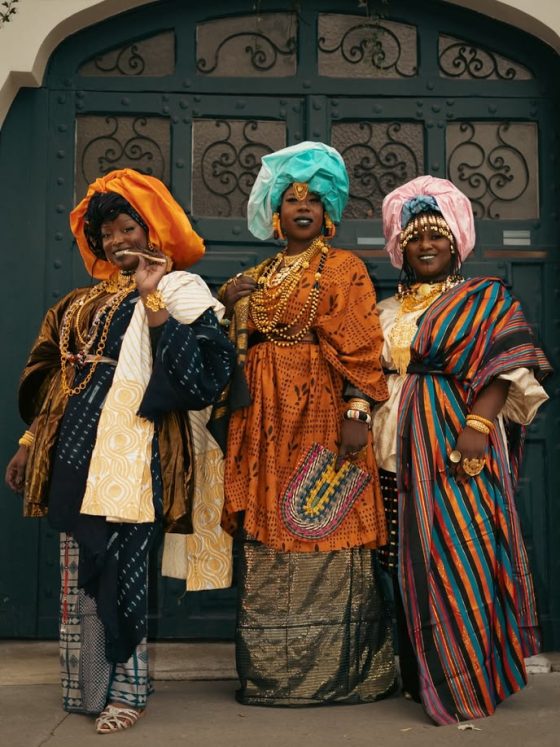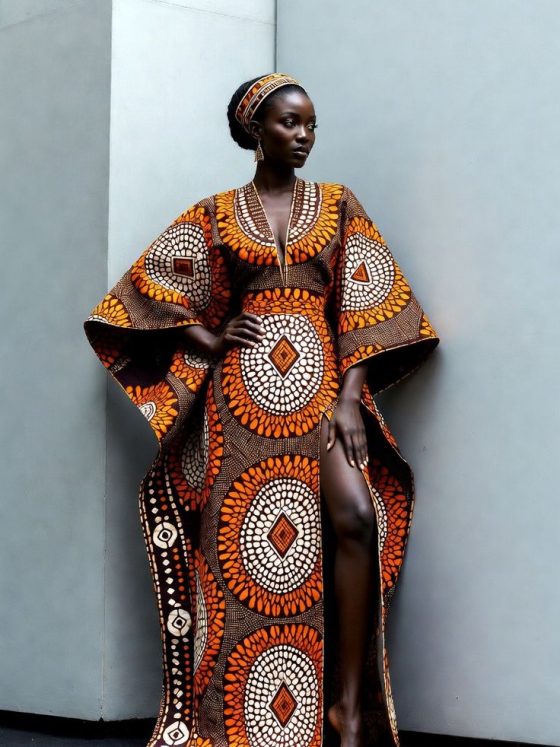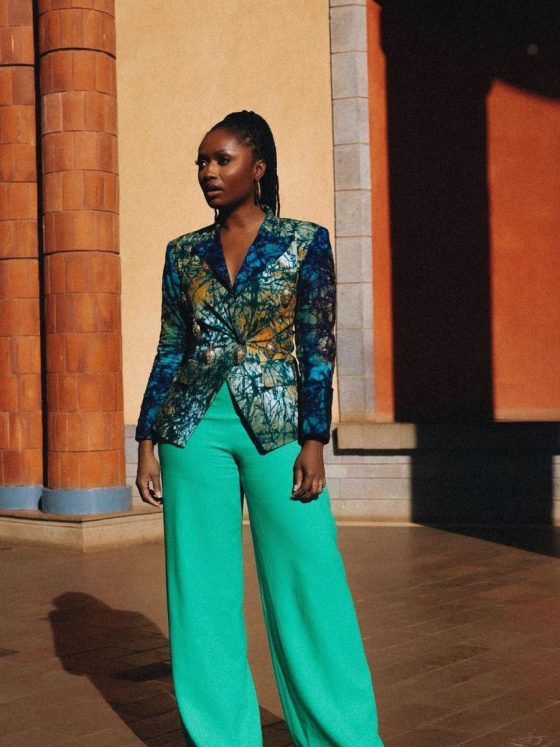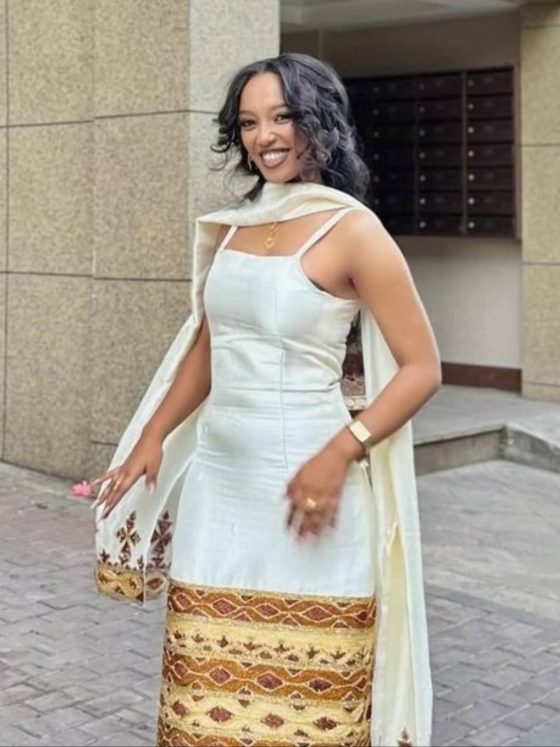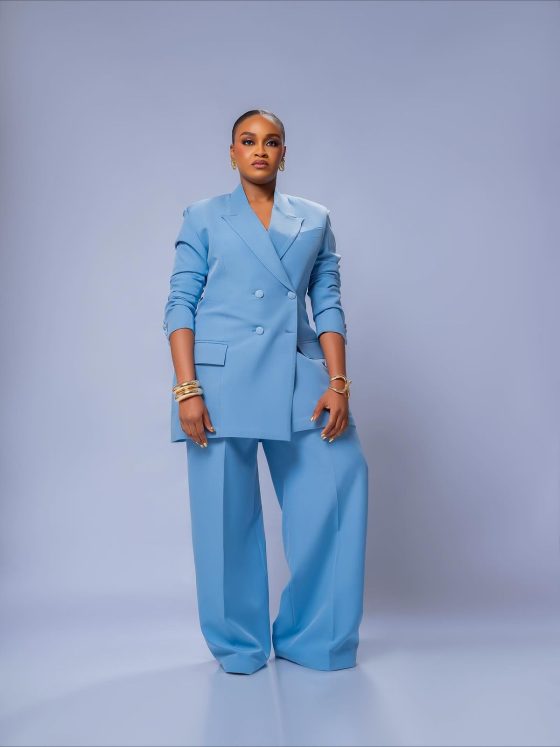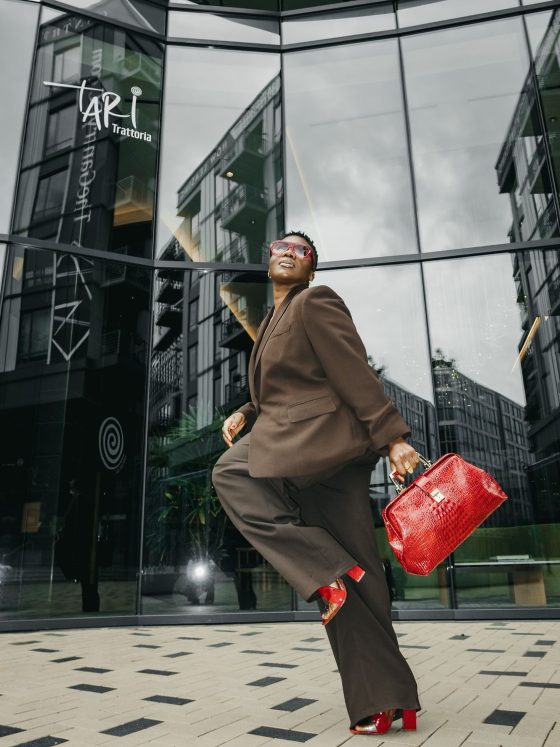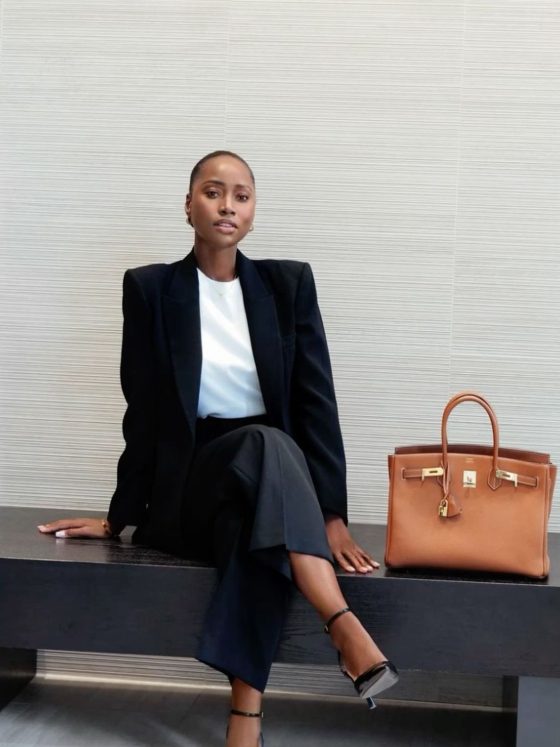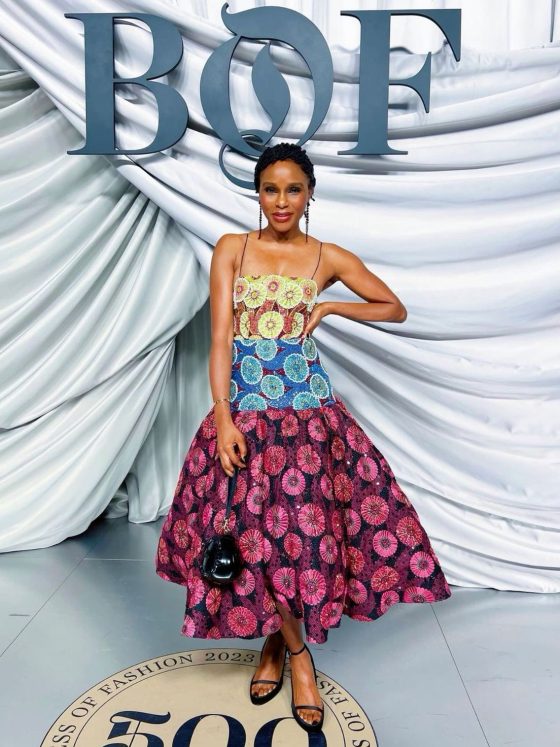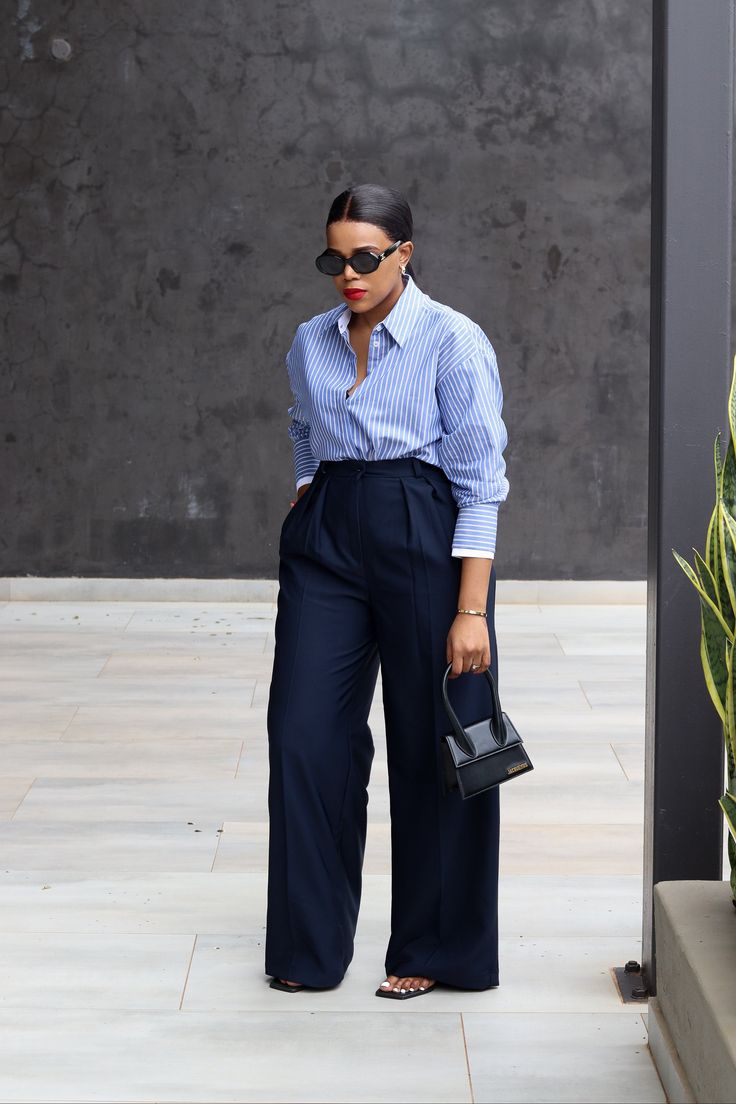
Two people can wear the same outfit and still look very different. The reason is rarely the brand or the price. The real difference is how the clothes fit. Clothes that fit properly sit where they should, move with the body, and feel comfortable to wear. Nothing pulls, sags, or feels awkward.
Tailoring makes this possible by adjusting clothes to match a person’s body. Since no two bodies are the same, tailoring turns regular clothes into something personal. This is why well-fitted clothes often look better, even when they are simple. Over time, fit has become a quiet way people show who they are.
Clothes that fit well can suggest confidence, care, or comfort in one’s own body. That’s why tailoring isn’t outdated, and why fit still matters today.
Clothing fit affects how you feel, move, and express yourself. Learn why tailoring remains important and how fit connects to personal identity.
What Is Tailoring And Fitting?
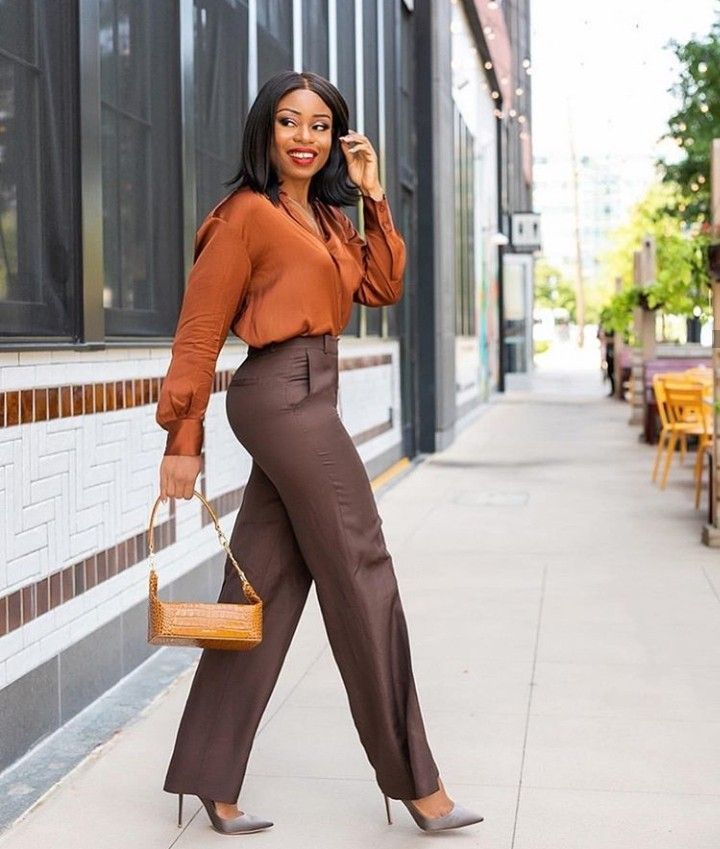
Fit is how clothes feel and look on your body. When clothes fit perfectly, they are not too tight or too loose. You can move easily, and they feel comfortable all day.
Tailoring is when a tailor alters clothes to make them fit you better. They can make sleeves shorter, take in the waist, correct the shoulders, or adjust the length of pants.
Most clothes in stores are made for “average” body sizes. But everyone’s body is different. Tailoring helps clothes match your body so they don’t look baggy or awkward.
That’s why fit comes first. Before thinking about style, colour, or trends, clothing needs to feel and look right on your body.
Why Does Fitting Matter?
Clothes don’t just cover your body; they affect how you feel and how others see you. Fit is the secret that makes even simple outfits look and feel right. Here’s why fit matters:
- Comfort: Properly fitted clothes let you move freely without pulling, bunching, or pinching.
- Confidence: Clothes that fit perfectly make you feel more sure of yourself and your presence.
- Appearance: Fit makes even basic clothes look neat, sharp, and intentional.
- Self-Expression: Well-fitting clothes help quietly communicate your personality through your style.
- Perception: Others notice fit, often associating it with care, attention, and self-awareness.
How Clothes That Fit Better Affect You And Your Identity
The way clothes fit can quietly shape your day. A well-fitted outfit doesn’t just look better, it changes how you move, how you feel, and how others read you. Fit turns clothing into a tool for confidence and self-expression, showing a bit of who you are without saying a word.
Below are some of the ways well-fitted clothes better affect you and your identity:
- Confidence: Well-fitted clothes make you feel more self-assured and comfortable in social situations.
- Comfort: A proper fit lets you move freely without pinching, bunching, or tugging.
- Posture and Body Language: Clothes that sit right encourage better posture and natural movement.
- Personality Communication: Fit helps your clothing reflect who you are. Whether neat, casual, or creative, the right fit makes your style clear.
- First Impressions: Fit is one of the first things people register, even if they can’t name it. Clothes that sit well quietly suggest intention, self-respect, and an awareness of how you show up.
Why Tailoring Still Matters In Today’s Fashion
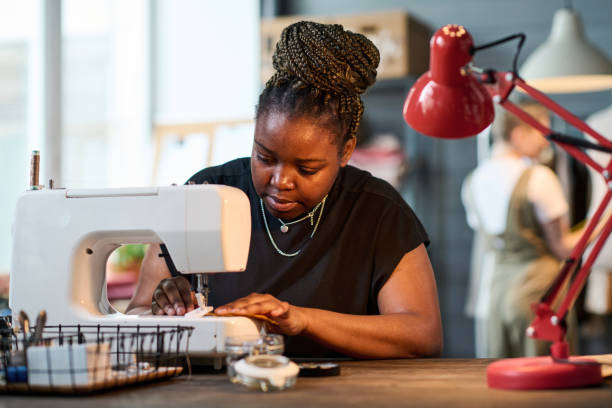
Even in a world of fast fashion and casual, off-the-rack clothes, tailoring hasn’t lost its importance. Ready-made clothing is convenient, but it rarely fits everyone perfectly.
Tailoring ensures that garments match your body shape, proportions, and personal style. Tailored clothes don’t just look better; they feel better too. They move with your body, sit correctly, and help you feel confident.
Beyond comfort and appearance, tailoring can make your clothing a personal statement. It’s a subtle way to show care, intention, and attention to detail.
No matter how casual or trendy clothing becomes, the principles of fit remain the same. A slight adjustment, a shortened sleeve, a tapered waist, or a cleaned-up hem can transform ordinary clothes into something that feels uniquely yours.
That’s why tailoring continues to matter in today’s fashion, connecting fit, style, and identity straightforwardly.
ALSO READ:
- From Desk To Dinner: Building A Flexible Work Wardrobe
- African Power Dressing: Clean Lines, Bold Silhouettes
- How Thoughtful Tailoring Shapes African Workwear
- The Iconic Blazer: Structure, Elegance, And Versatility In Modern Workwear
Tips For Choosing Clothes That Fit Well
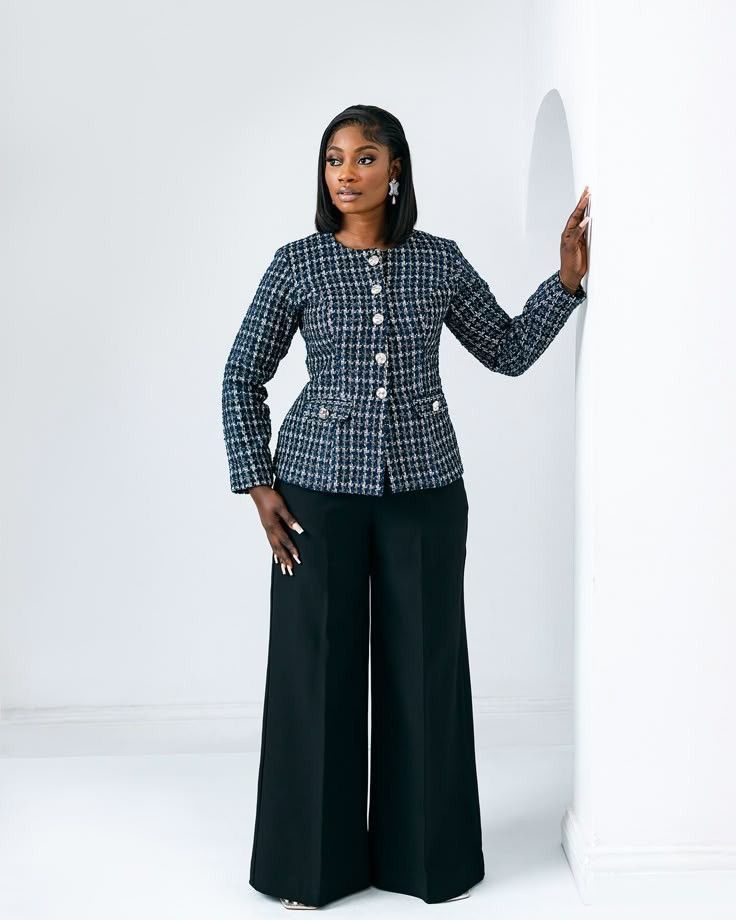
Finding clothes that fit properly doesn’t have to be difficult. A few simple tips can make a big difference:
- Know Your Measurements: Note your chest, waist, hips, inseam, and sleeve length. This helps you compare your body to sizing charts.
- Try Clothes On: Don’t rely solely on numbers or sizes. Always try clothes on to see how they feel and move with your body.
- Check Key Points: Look at shoulders, waist, sleeves, and trouser length. These areas usually reveal if a garment fits properly.
- Don’t Ignore Comfort: You should be able to sit, walk, and lift your arms without constantly adjusting your clothes.
- Consider Tailoring: Even minor adjustments, such as shortening sleeves or tapering a waist, can make a huge difference in fit and appearance.
- Be Honest About Style and Proportions: Certain cuts or shapes suit different body types. Choose clothing that complements your natural proportions.
Conclusion
Fit is more than a fashion detail; it shapes how you feel, move, and present yourself to the world. Clothes that fit well make you comfortable, confident, and intentional.
They can express personality, care, and style without needing words. Tailoring takes this a step further, adjusting garments to your unique body and making even simple outfits feel personal.
In today’s world of mass-produced fashion, fit remains a key part of identity. Paying attention to it helps you move through the day with ease, confidence, and a sense of who you are.
Frequently Asked Questions (FAQs)
1. Is Tailoring Only For Formal Or Expensive Clothes?
Not really. Tailoring works just as well for everyday items like jeans, shirts, dresses, or jackets. Even casual clothes can look noticeably better with minor adjustments. Price doesn’t matter as much as fit.
2. Why Do Well-Fitted Clothes Look Better Even When They’re Simple?
Because fit controls how the fabric sits and moves on the body, when nothing pulls or hangs awkwardly, the outfit looks intentional. Simple pieces suddenly feel polished, even without bold colours or patterns.
3. Does A Good Fit Really Affect Confidence, Or Is That Just A Fashion Idea?
It actually does. When clothes fit correctly, there’s less fidgeting, tugging, or self-conscious adjusting. This ease manifests in one’s posture, movement, and the level of comfort they experience in public.
4. Can Tailoring Change How People Perceive You?
Yes, often quietly. People tend to associate a good fit with care, awareness, and confidence, even if they can’t explain why. It’s not about impressing others; it’s more about how the details register subconsciously.
5. What Parts Of Clothing Matter Most For Fit?
Shoulders, waist, sleeve length, and trouser hems usually matter first. If those areas sit right, the rest of the garment tends to fall into place more naturally.
6. How do you know if something needs tailoring?
If clothes feel uncomfortable, look baggy in the wrong places, or don’t move well with the body, that’s usually a sign. Minor issues like sleeves being too long or trousers bunching up are common fixes.