Pop culture’s changing fast, and African languages aren’t just part of the background anymore, they’re right at the heart of the story. Think about it: Krio Fusion songs are topping charts in West Africa, Zulu phrases pop up in Hollywood films, Yoruba slang is all over international social media, and Swahili names are front and centre for new tech startups. These languages are shaping how people talk, create, and connect across the globe.
Krio Fusion stands out because it’s built around Krio, a creole language you’ll hear everywhere in Sierra Leone, and it’s not too different from the pidgin you’d catch in Nigeria or Ghana. But this whole movement is about more than showing off for diversity’s sake. It’s a statement: cultural production gets richer with more languages in the mix. Multilingualism doesn’t make Messy elements make things more interesting. The future of pop culture belongs to the people who can switch between their mother tongues and global languages without missing a beat.
Explore how African languages reshape global pop culture through music, film, fashion, and slang, transforming from marginalised tongues to cultural power.
Music as a Linguistic Ambassador
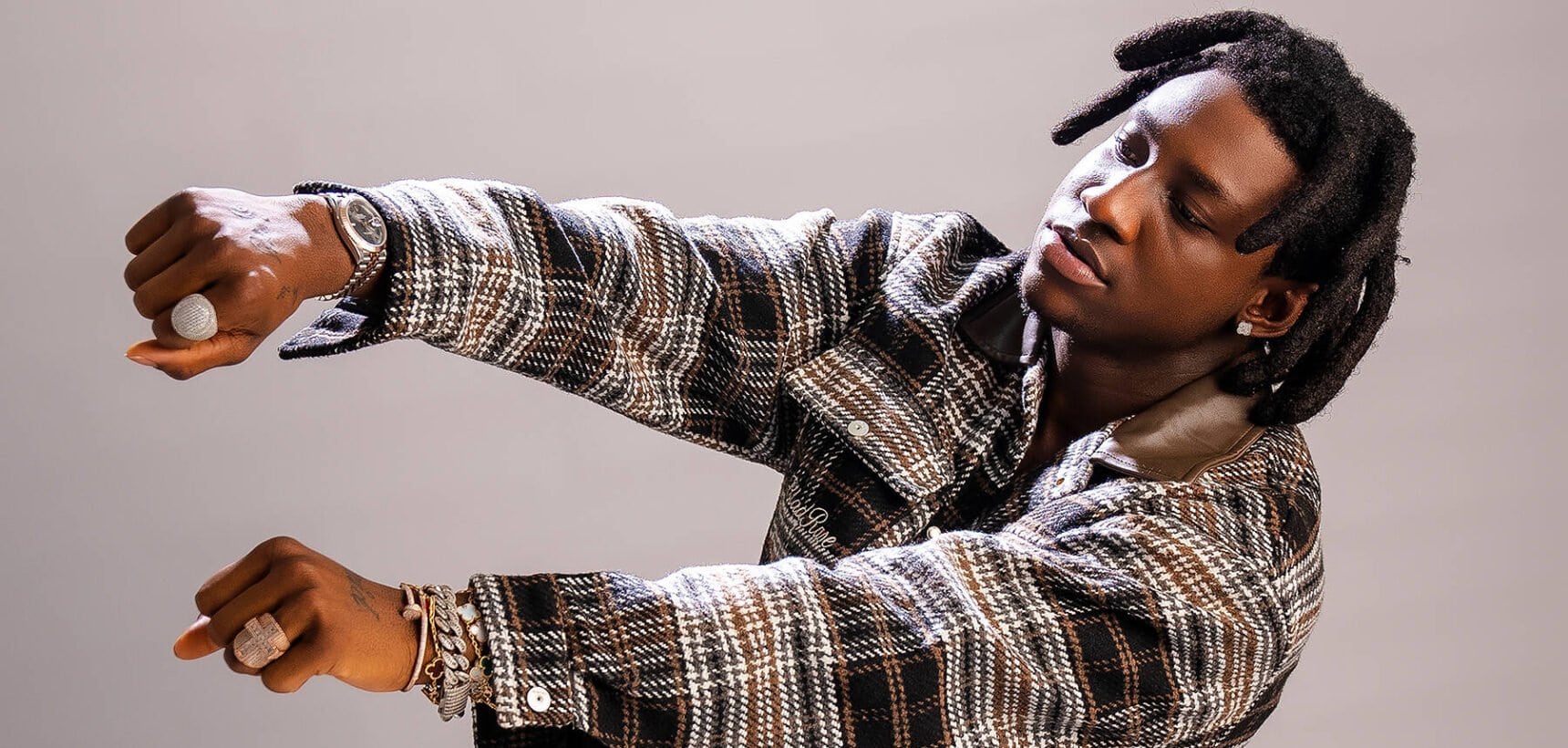
Just look at the music scene. Earlier this year, Sierra Leonean musician ApreeL dropped “Control”, a track that blends classic drums with modern beats and heartfelt lyrics. He sings “Thank you, tenki, momo, biaka,” giving shoutouts in English, Krio, Temne, and Mende, all major languages in Sierra Leone. It’s not just about catchy lyrics; it’s about making a point. You don’t need to stick to one language to make a hit.
Shallipopi did something similar with “Laho”, an anthem delivered primarily in Bini, his local language. The song blew up on African social media, showing just how much pride there is in speaking your language. Over in Cameroon, Sabrina’s “Faraway” arrives in pidgin English, riding wild piano chords. These artists prove that African languages bring their own music, unique tones, rhythms, and sounds that push creativity further rather than hold it back.
South African musicians have done the same for Zulu, making it familiar to listeners worldwide. From legends like Miriam Makeba to today’s Afrobeat stars, you can hear Zulu woven into tracks that mix tradition with today’s beats. And the message is clear: African languages can hit the mainstream without switching everything to English. Multilingual pop isn’t just possible; it sells.
How African Languages Are Changing Film and TV
Films and TV are catching on, too. In films like Azali, the language you hear carries real weight. When filmmakers swap out authentic languages just to make things more “palatable” for Western audiences, they lose something important, and researchers don’t mince words, calling it “cultural indignity.” In Azali, for instance, non-Dagbanli actors were cast in parts that required Dagbanli. The result? The language gets treated like a prop, not a living culture.
But it’s not all negative news. South African shows like Isibaya and Uzalo are wildly popular, putting Zulu in the spotlight. Even big international films, like The Lion King, use Zulu to add real depth. And in Power Book III: Raising Kanan, the Igbo “Kwenu!” greeting kicks off a wedding celebration before Flavour’s “Game Changer” plays, rooting the scene in authentic culture.
Film Africa, one of this year’s biggest festivals, really tells the story. African cinema isn’t busy explaining itself to outsiders anymore. Young directors are mixing documentary, sci-fi, and visual storytelling that draws on their own oral traditions, theatre, and folklore. The shift is evident: African languages are no longer defensive. They’re leading the way, right at the heart of the plot.
Why Do African Languages Matter in Fashion and Branding?
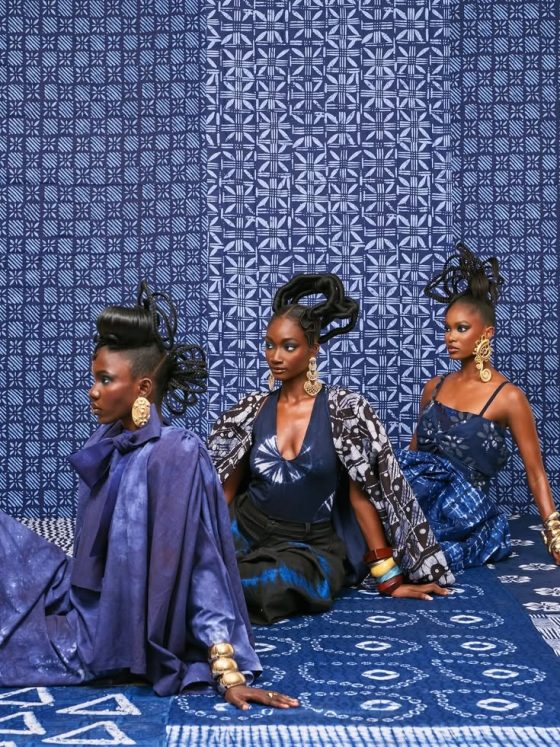
Swahili speakers call a phone “simu.” Kenyan agri-tech coders drop “mbegu” (seed) into their code comments. In Nigeria, fintech companies use “dash” to refer to small tips. It’s more than just vocabulary; these words connect with people, feel real, and carry a vibe that straight English can’t match. Aso Oke? That’s Yoruba fabric with history woven in. Shweshwe? Indigo-dyed cotton from southern Africa, try explaining that with just “cotton.” African languages nail the details English glosses over.
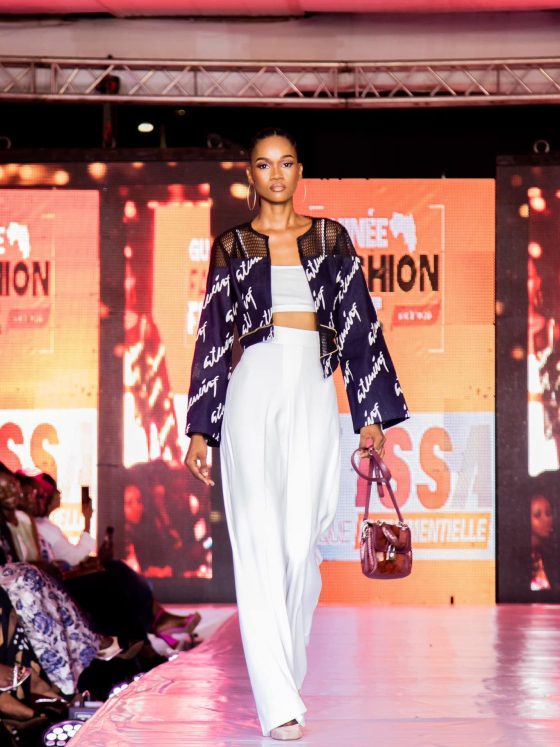
Lately, fashion brands are catching on. You’ll spot African words in product names, ad campaigns, and even on runways. When luxury brands use these terms, they’re not just trying to look cool; they’re saying, “We see Africa. We know you want respect.” It’s commercial, sure, but it’s real. African language speakers always knew their words had value. Now, the world’s catching up and realising that these languages mean business, not just identity.
The Slang Revolution
Yoruba slang isn’t just about sounding local; it’s pride, community, and a feeling of belonging, all packed into a word or phrase. In East Africa, you’ll hear Sheng everywhere, Swahili and English mashed together, full of inside jokes and youthful energy. In West Africa, French blends with local languages to create something new, something totally Ivorian or Senegalese. Sheng is Kenya’s badge of being in the loop, mostly for urban youth who want to stand out and fit in at the same time.
As for the Nigerian Pidgin? Just open social media, such as TikTok, Instagram, or YouTube. Words like “wahala” (trouble) and “haba” (come on!) are everywhere, popping up in memes and crossing borders without a second thought. Social media has transformed the landscape by enabling individuals to create, share, and establish communities in their native languages, eliminating the need for English. Platforms such as TikTok, Instagram, and YouTube provide equal opportunities for African languages, enabling them to connect with a global audience and circumvent traditional barriers.
Music effectively conveys this message. Afrobeats is packed with slang, catchy, emotional, and loaded with meaning. When international stars drop African-language phrases in their songs, no translation is needed; they’re not just adding flavour; they’re teaching the world to embrace, even chase, linguistic diversity. It’s not about fitting everything into English anymore.
READ ALSO:
- How Diaspora Stories Are Redefining Global Cinema
- The Rise of Afrobeat: African Rhythms Shaping Global Music Culture
- RAI Lagos: The Alternative Art Space Shaping Global Creative Exchange
Digital Platforms as Preservation Tools
Yoruba has travelled the globe, with speakers in Africa, Europe, North America, and South America. Diaspora communities keep the language alive, far from home. For many Black Americans, learning an African language is more than education; it’s a way to reclaim identity. Swahili, in particular, took off during the Black Power movement, a symbol of pride and belonging in the late 1960s.
Tech is keeping this momentum going. Language apps, online dictionaries, YouTube channels, and podcasts make African languages easy to access and fun to learn. On Twitter, people celebrate multilingualism, share stories, and keep their languages alive. These digital spaces aren’t just about preservation; they’re about showing that African languages matter now and in the future, not just in the past. When individuals perceive their native languages as instruments for growth, rather than mere inheritances from their forebears, these languages flourish.
What Challenges Do African Languages Face?
Netflix’s push for African stories comes with baggage. Nobody has really cracked open this old colonial power dynamic yet. Sometimes, films ditch real African languages just to make things easier for Western viewers. It’s a weird tug-of-war; streaming giants want African content, but then they nudge creators towards English because they think that’s what sells worldwide.
Schools across Africa don’t help either. Schools across Africa continue to prioritise English, French, and Portuguese, resulting in children growing up proficient in colonial languages but unable to write in their native tongue. Governments say wonderful things about indigenous languages, but when it comes to money for translation, publishing, or TV and radio, those languages end up forgotten. This kind of neglect chips away at Africa’s linguistic diversity, even though you see African languages blowing up in pop culture and proving they have real market value.
The Future of African Languages in Pop Culture
ApreeL nailed it: “The use of our local languages in music has never been this exciting; this is the only way the outside world would sense the difference and pay attention to us.” That kind of hope is spreading. African languages are increasingly perceived as a powerful tool in global pop culture. Artists, filmmakers, and business folks know now that being multilingual sets you apart; it makes African music, films, and brands stand out in a world drowning in sameness.
Over the next ten years, we will witness whether African languages finally gain prominence or continue to serve as a subtle accent to predominantly English content. Institutions must take action to bring about real change: publishers printing books in African languages, streaming services investing in original series, schools teaching children to read and write in their mother tongues, and governments actively advocating for language rights. Pop culture keeps languages alive and cool, but it can’t do the heavy lifting alone. What it can do is prove these languages aren’t relics; they’re tools for creativity right now.
Frequently Asked Questions
1. Which African languages shape pop culture the most?
Nigerian Pidgin and Yoruba drive the Afrobeats scene. Zulu pops up in South African films and TV. Swahili runs through East African media, and Krio has made Sierra Leonean fusion genres catch on. Slang like Sheng (that wild Swahili-English mix) is everywhere in Kenya. You’ll hear these languages in global music, spot them on fashion labels, and catch them flying around on social media.
2. How do African languages show up in Western pop culture?
You’ll find African languages in all kinds of places: music collabs with African stars, Hollywood films featuring authentic African dialogue, fashion brands using African words, tech companies naming products after Swahili or Yoruba terms, and online slang from Nigerian Pidgin or Sheng spreading worldwide through viral memes and videos.
3. Why do African languages matter for identity?
African languages hold stories, memories, wisdom, and ways of seeing the world that just don’t translate into English or French. They help people in the diaspora reconnect with their roots, keep indigenous knowledge alive, and show that African cultures have just as much linguistic depth as anyone else. Learning and using these languages is a way to claim your identity and push back against the old idea that only colonial languages matter.
4. What challenges do African languages face in pop culture?
There’s pressure to make everything in English for “global” audiences, schools still push mother tongues to the side, and there’s barely any funding for African language media. Stereotypes make these languages seem backward or too tricky for modern life, and the money’s still mostly in English or French for business and entertainment.
5. How can people support African languages?
Watch films, listen to music, or tune in to podcasts in African languages. Try learning one yourself; there are plenty of apps now. Ask for subtitles, not dubbing, when you watch African language content. Celebrate and share work from multilingual artists, support publishers and producers making content in African languages, and call out discrimination when you see it. That’s how these languages stay alive and thrive.