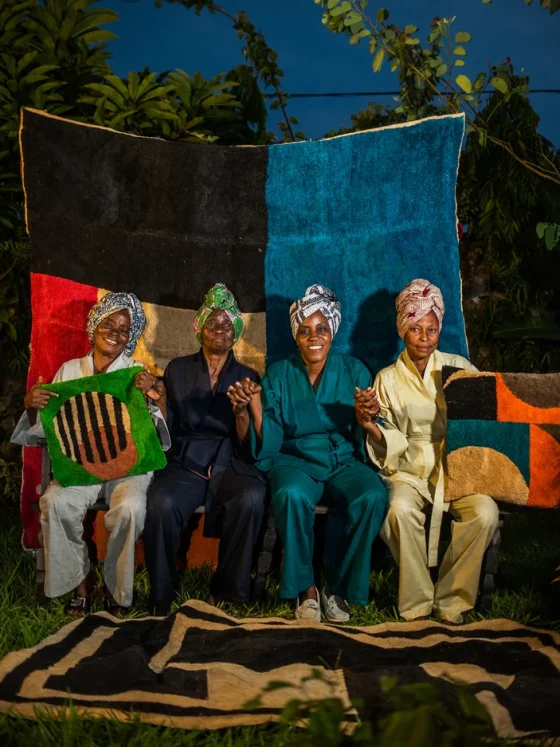
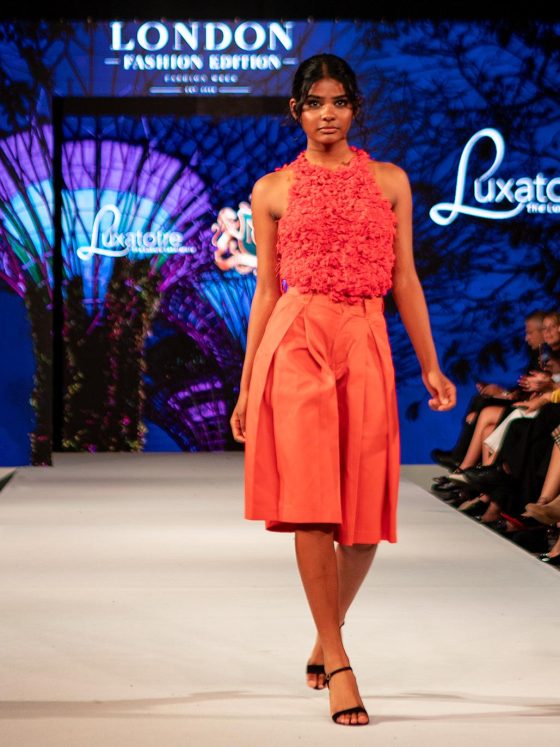
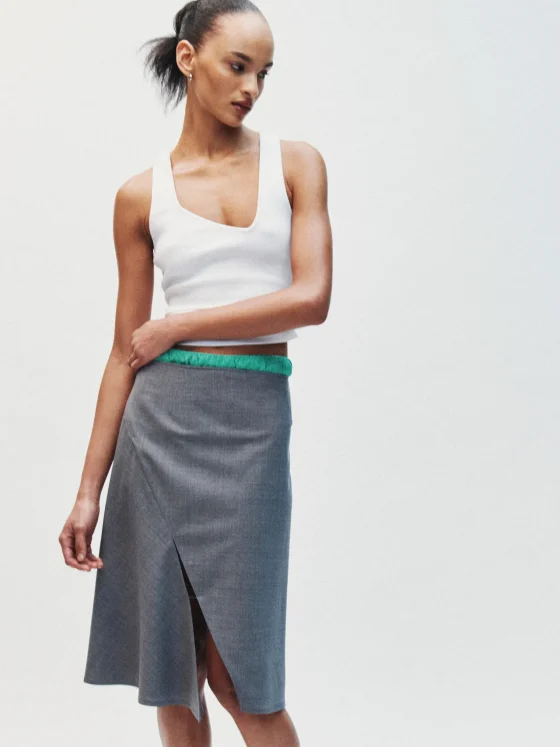
I remember a morning not too long ago. I was standing in a small studio where sunlight fell across the floorboards, and I noticed a single piece of cloth draped over a chair. It wasn’t fancy like the old magazines described luxury. There was no gold-plated logo or famous European name on the collar. When I touched the fabric and felt the raw, honest weight of the hand-woven cotton, I suddenly realised something important. For years, I had been taught to look elsewhere for elegance. I was told that grace was something we had to import, a standard we had to chase. But in that quiet studio, the fabric seemed to speak to me. It felt like home.
In 2026, I see that I’m not alone in this realisation. Together, we are letting go of old ideas that never fit us. We’ve stopped trying to fit our bodies and stories into boxes that weren’t made for us. Now, we are turning to our own skills, our own land, and the talent of our people. We’ve reached a time when the African Architect of Style is finally leading the way. This is no longer just about clothes for me; it’s about cultural legitimacy. It’s the quiet strength of knowing that our way of doing things, our careful excellence, is actually the highest form of luxury.
I’ve come to realise that our traditional rituals, from pressing oils into our skin to weaving our history into our clothes, teach us about true sustainability. We aren’t just taking part in fashion; we are changing the whole system so it finally reflects us. Whether it’s the precise lines of a blazer from a Johannesburg workshop or the skin-first knowledge from a lab in Lagos, we are showing that inclusivity isn’t just a goal. It’s the foundation we stand on.
Step into a new era where African mastery is the global standard. From the structural storytelling of Thebe Magugu to the heritage-led beauty of Ami Colé, we are decoding the shift toward a luxury that is rooted in our soil. Discover how intentionality, sustainability, and the quiet power of grace are redesigning the world of style on our terms.
Stitches That Speak
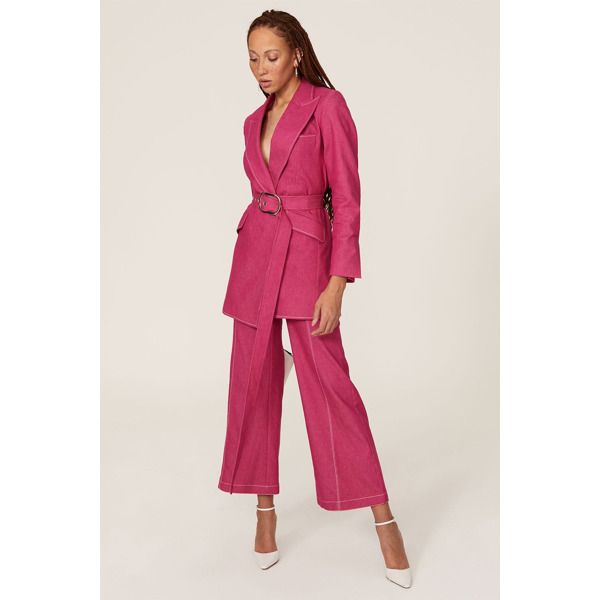
I used to think that “high fashion” only happened in places I saw on TV, like Paris, Milan, or London. I’d see those sharp blazers and think they looked amazing, but they never really felt like they belonged to me. Lately, though, things have changed. I’ve started seeing names like Thebe Magugu show up, not just as “African designers,” but as new leaders in global style. I haven’t been to his studio in South Africa, but you can see the skill in his work without ever stepping inside.
When you look at a Magugu piece, even through a screen, you can see the structural authority. It’s not just a “pretty dress”; it’s a piece of architecture. He’s taking our people’s stories and turning them into sharp, surgical tailoring that commands respect. I remember seeing a feature on his “Sisterhood” collection and realising that he isn’t just making clothes; he is building a system of Cultural Legitimacy. He uses local artisans and heritage techniques, proving that Sustainability isn’t something we need to learn from the West; it’s how we’ve always worked when we treat our materials with respect.
What stands out to me most is how inclusive the vision is. This brand doesn’t wait for permission to be on the world stage. It shows up with the confidence of someone who knows they belong. When I see a brand like his win global awards, it reminds me that our “slow” way of making things, such as hand-pleating and careful attention to detail, is actually the highest form of luxury. We’re finally starting to see that our own people are the actual creators of our style.
I’m beginning to see that elegance isn’t about where a label comes from. It’s about the honesty in every stitch. Right now, that honesty is coming from home.
Beauty Beyond the Bottle
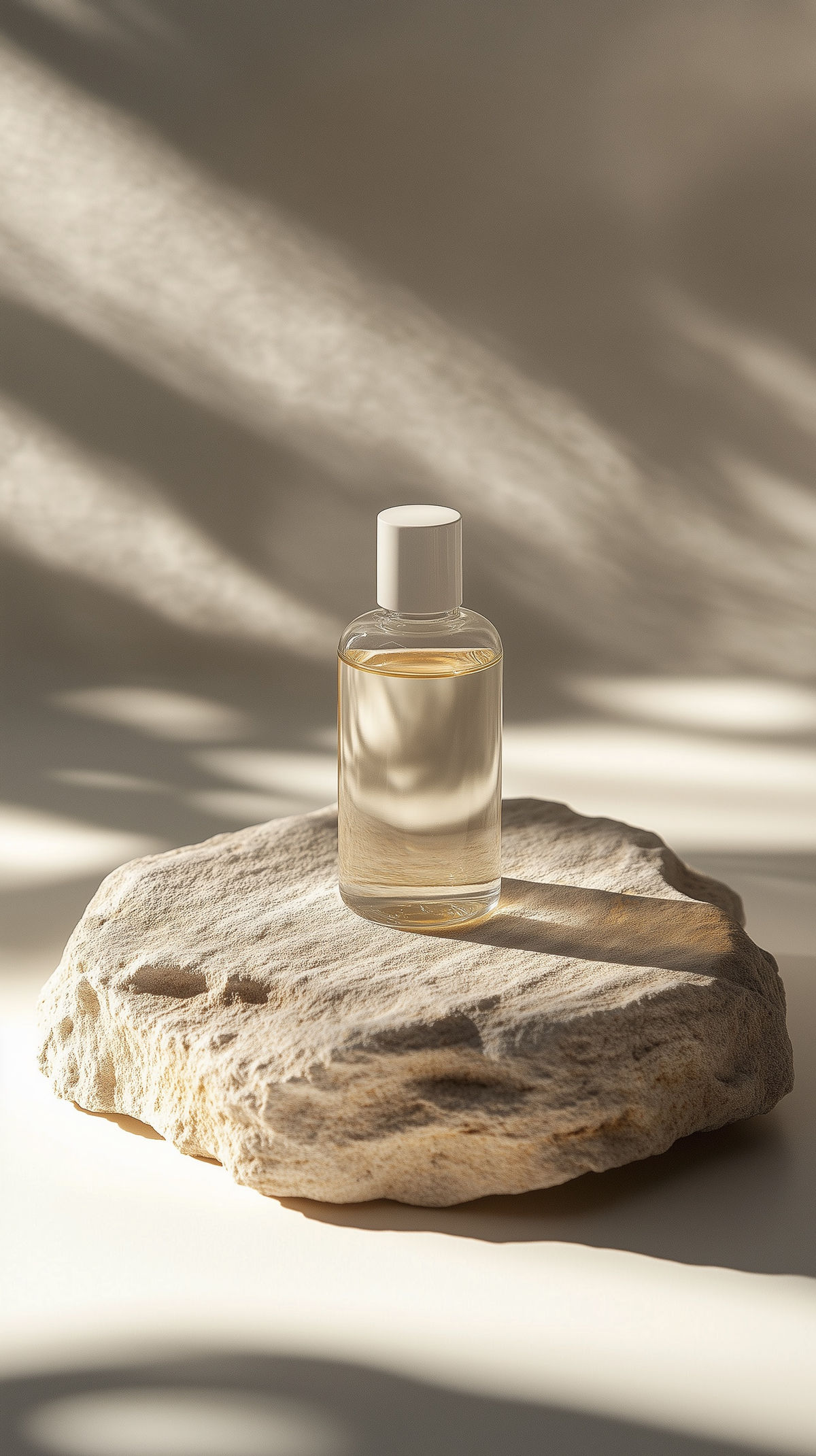
To be honest, for a long time, I didn’t think I belonged in the high-end beauty world. Growing up, I saw shelves of products that seemed made for someone else, in another climate, for a different skin. But then I noticed things changing. It wasn’t the big global brands leading the way, but people from our own communities who stopped waiting for permission and started creating their own magic. I haven’t visited their labs or offices, but I see how their products are changing the conversation in our neighbourhoods.
I realised we’ve always had our own treasures: shea, marula, and the oils our mothers used. Now, brands like Ami Colé are giving that traditional knowledge the recognition it deserves. Founded by Diarrha N’Diaye-Mbaye, who has strong Senegalese roots, this brand is more than just makeup. It’s a skin-first movement. I see it in how people are letting their real skin show. The outcome is genuine inclusivity, not just a marketing tactic. It’s like someone finally looked at our melanin and said, “This is the masterpiece.”
Juvia’s Place, founded by Chichi Eburu, is another example. Their influence is impossible to miss. By featuring African royalty and traditional art on their packaging, they’ve turned our heritage into a global symbol of pride. They’ve shown that our colours aren’t just a niche; they set the standard. This is what cultural legitimacy looks like. We don’t have to hide our features to be elegant; we just need to care for them with ingredients that suit us.
I’ve learnt that for us, sustainability isn’t a new trend based on a book; it’s how we’ve always lived. It means using what the earth gives us and treating it with care. Now, we’re starting to trust our own ways. We’re seeing that the best glow doesn’t come from a foreign brand, but from what we grow and create ourselves.
ALSO READ:
- Timeless Women’s Accessories for 2025: Stylish Bags & Jewellery That Elevate Your Look
- Timeless Nigerian Icons Who Embody Modern Elegance
Craft is the new status.
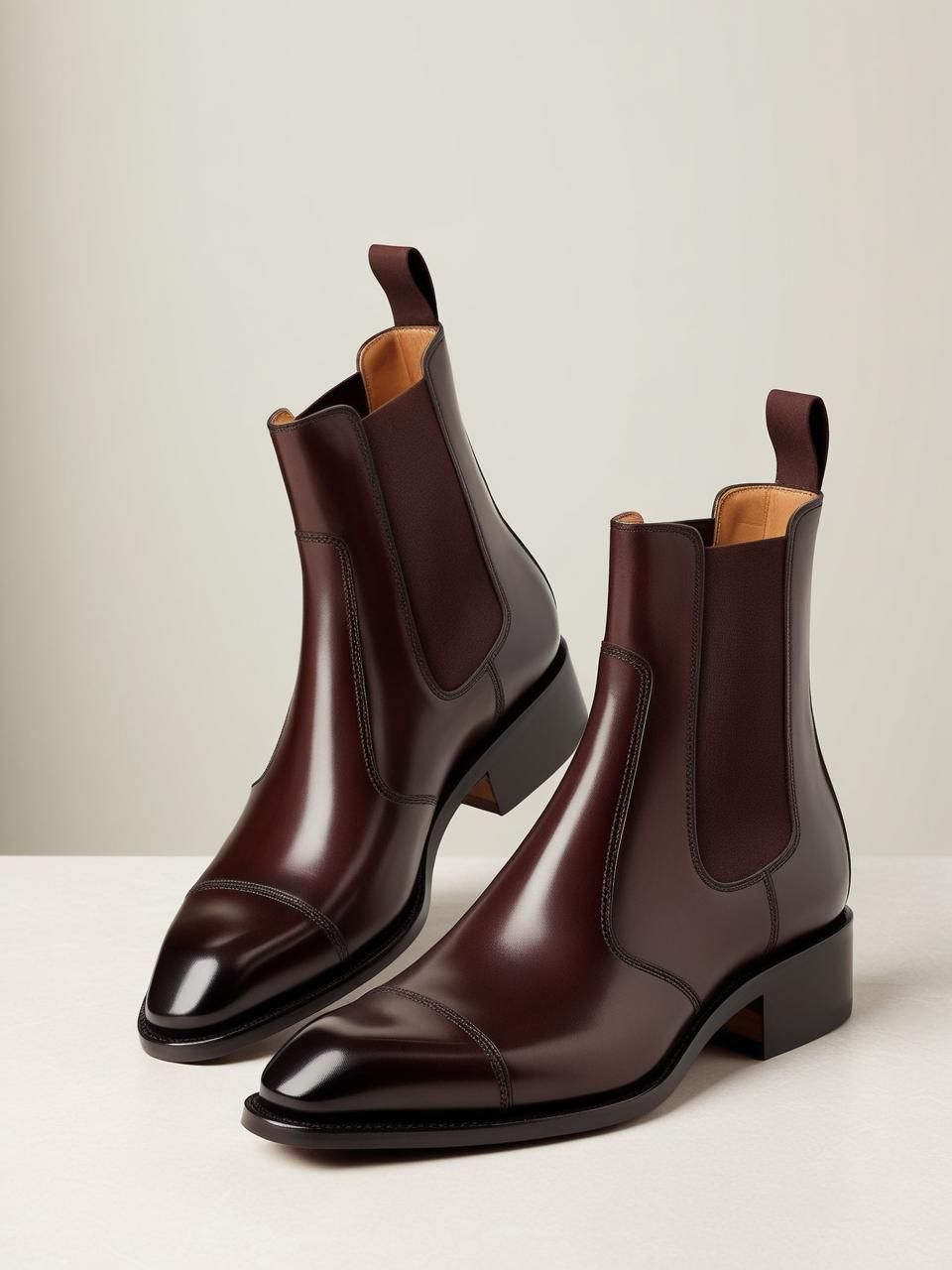
Lately, I’ve been thinking about what really makes something “expensive.” I used to believe it was just about the price or the brand name. But when I discovered brands like Brother Vellies, started by Aurora James, my perspective changed. I haven’t been to the workshops in Ethiopia or Kenya where these items are made, but you can sense their life. It’s clear machines didn’t make them in a factory. Instead, a person who cares about every curve of the leather and every stitch made it.
In 2026, showing off isn’t about owning something mass-produced that everyone else has. It’s about seeing the mark of the human hand. Watching how Brother Vellies partners with artisans across Africa, I see true sustainability. It’s not just about a “green” label. It’s about a system that values the maker as much as the wearer. This is what I call ‘inclusive luxury’, connecting our traditional village crafts to the world’s top fashion runways.
Our traditional leatherwork and weaving show a level of skill that the rest of the world is only now beginning to notice. We’re starting to see that a hand-woven bag or a hand-carved heel has a cultural value that factory-made luxury can’t match. It’s a strong statement against a world focused on speed and disposability. For us, style means lasting quality. It’s about buying something once and knowing it will be part of your story for years to come.
After seeing these creators, I realised we don’t need to create a new luxury system. We just need to protect and celebrate the one we already have. The era of Timeless Grace isn’t something in the future. We’re already living it, with each thoughtful, African-made piece.
Conclusion
If there’s one thing I’ve learnt on this journey, it’s that we’ve been seeing things wrong. We spent so much time following paths set by others, believing that “elegance” was a place we had to get to. But when I see the work of these heritage architects, like the sharp lines of a blazer from Johannesburg or the warm glow of a serum made from Senegalese soil, I realise grace isn’t something we chase. It’s where we begin.
I don’t have to visit every studio or walk every runway to know this change is real. I see it in myself and in how we’re finally starting to value our expertise. In 2026, the best thing we can do is stop apologising for our slower ways and start celebrating them. Our focus on sustainability honours the earth that raised us, and our inclusivity comes naturally from a culture that’s always believed everyone deserves a seat at the table.
The era of Timeless Grace isn’t about waiting for the world to accept us. It’s about us accepting ourselves. It’s the quiet confidence that comes from wearing our stories, knowing we’re the best-dressed people in any room. We’re not just the future of style; we’ve always been its heartbeat. Now it’s time to show it.
Excellence is homegrown. To continue the conversation about the absolute mastery of African creators, stay connected with the intentional world of Omiren Styles.
Frequently Asked Questions (FAQs):
- What makes a brand an ‘Elegance Architect’?
A: An Elegance Architect is someone who goes beyond following trends and creates a new perspective on style. These are African designers and makers who value skill and storytelling through their work. They pay attention to how each piece is made, the source of its materials, and the cultural story behind it, rather than just following fast-fashion trends.
- Why is African-led design considered the new standard for sustainability?
A: For us, sustainability is not just a marketing term; it is part of our heritage. Our creators often use slow methods like hand-weaving, natural dyeing, and small-batch production. By using natural materials and supporting local artisans, brands like Brother Vellies and Thebe Magugu are building a system that respects both the environment and the people who make each product.
- How can I start supporting more African-led beauty brands?
A: The best way is to look for brands that prioritise melanin-rich skin and local ingredients. Brands like Ami Colé and Juvia’s Place are excellent starting points because they lead with inclusivity. They understand our skin’s rhythm and use high-performance, sustainable formulas that celebrate our natural glow.
- Is ‘Timeless Grace’ just about expensive luxury items?
A: Not at all. Timeless Grace is a way of thinking. It means choosing quality over quantity and being intentional instead of following trends. It is about investing in pieces, like a hand-woven shawl or a well-made skin oil, that have cultural meaning and are made to last It is the quiet confidence that comes from knowing your worth.
- How does Omiren Styles define excellence in 2026?
At Omiren Styles, we believe excellence means combining skill, honesty, and heritage. It is about never compromising on quality and having the courage to share our stories. When a brand is inclusive, sustainable, and grounded in African roots, it has already reached the highest level of global respect.