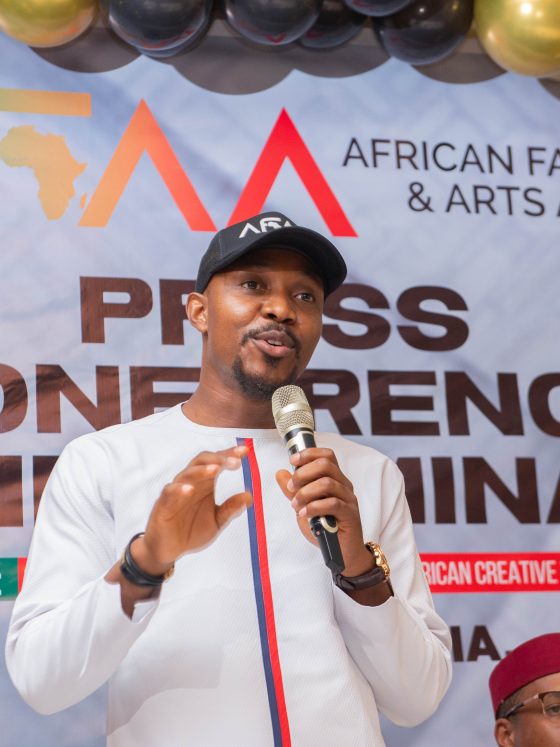
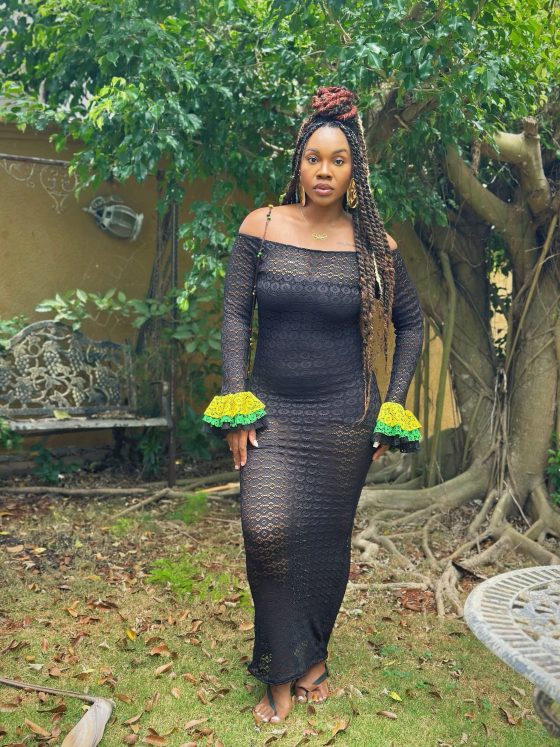
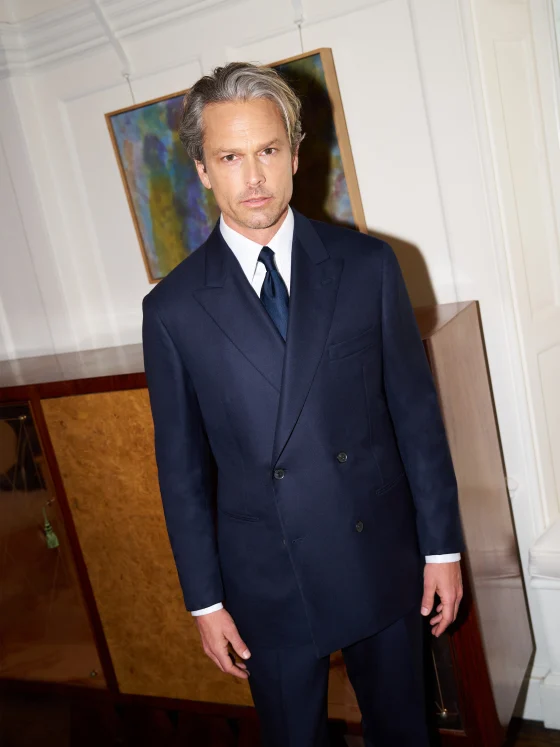
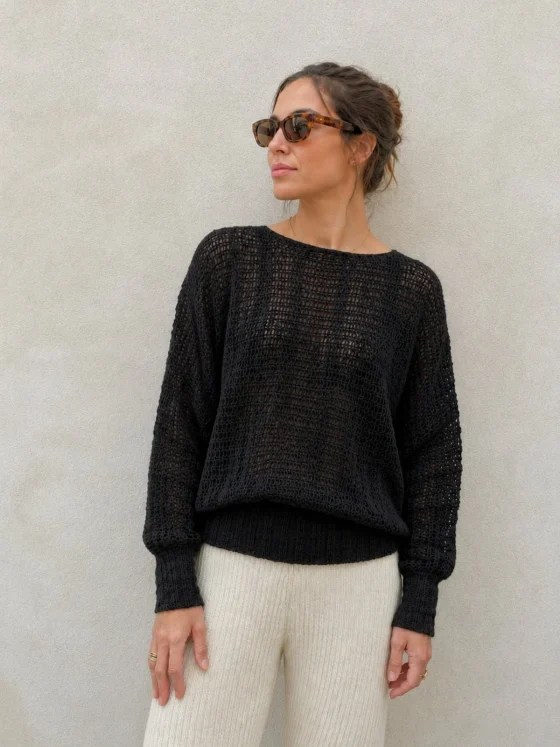
Fashion is slowing down. Fashion is slowing down, not in terms of momentum, but in terms of meaning.
The most compelling style conversations today are not driven by urgency or novelty; they are shaped by restraint. These conversations are shaped by individuals who recognise that what endures is rarely the most prominent aspect of the room. Clothing feels less like a performance and more like a reflection. Less about being seen, more about being understood.
There is a quiet confidence returning to fashion. This confidence prioritises intention over immediacy, depth over excess, and presence over noise. You can see it in how clothes are made, how images are composed, and how style is worn.
This approach is not a rejection of modernity. It is a refinement of it.
As fashion recalibrates, a group of creatives are helping to shape this shift, not through spectacle or overstatement, but through discipline, storytelling, and a clear sense of self. Their work does not chase relevance. It builds it.
Meet the creative voices shaping a more thoughtful era of fashion, where craft, identity, and intention define influence beyond trends.
When Fashion Chooses Thought Over Speed
For years, fashion rewarded speed. Faster collections. Faster trends. Faster opinions. But saturation has a way of forcing a pause. Today, what feels exciting again is care. Designers are deeply introspective about form. Image-makers consider emotion before impact. Style figures choose consistency over reinvention.
Thoughtful fashion is not minimalist by default, nor is it nostalgic. It is intentional. It asks better questions. How does this organ live in the body? How does it age? What does it communicate without explanation?
The creatives defining this moment understand that fashion does not need constant reinvention to stay relevant. It needs clarity.
The Voices Shaping What Comes Next
Torishéju Dumi — Form as Inquiry
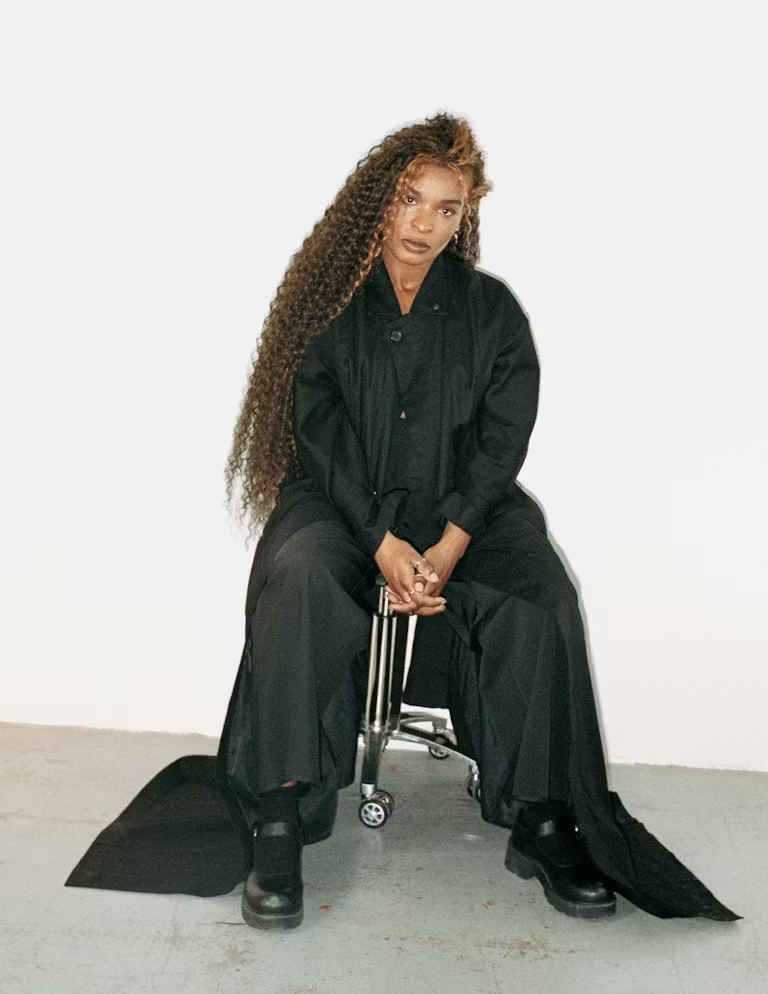
Torishéju’s work feels studied without feeling distant. Her garments often appear sculptural at first glance but reveal intimacy in movement. Shape becomes language. Construction becomes conversation.
Rather than using clothing to make statements, she uses it to ask questions. About identity. About structure. The focus is on the way the body takes up space. Gender is present but unannounced. Craft is visible but never decorative.
Her collections feel like chapters rather than seasons, each building on the last with quiet conviction. In an era of over-explanation, Torishéju allows form to speak for itself.
Wisdom Kaye — Digital Style as Visual Memory
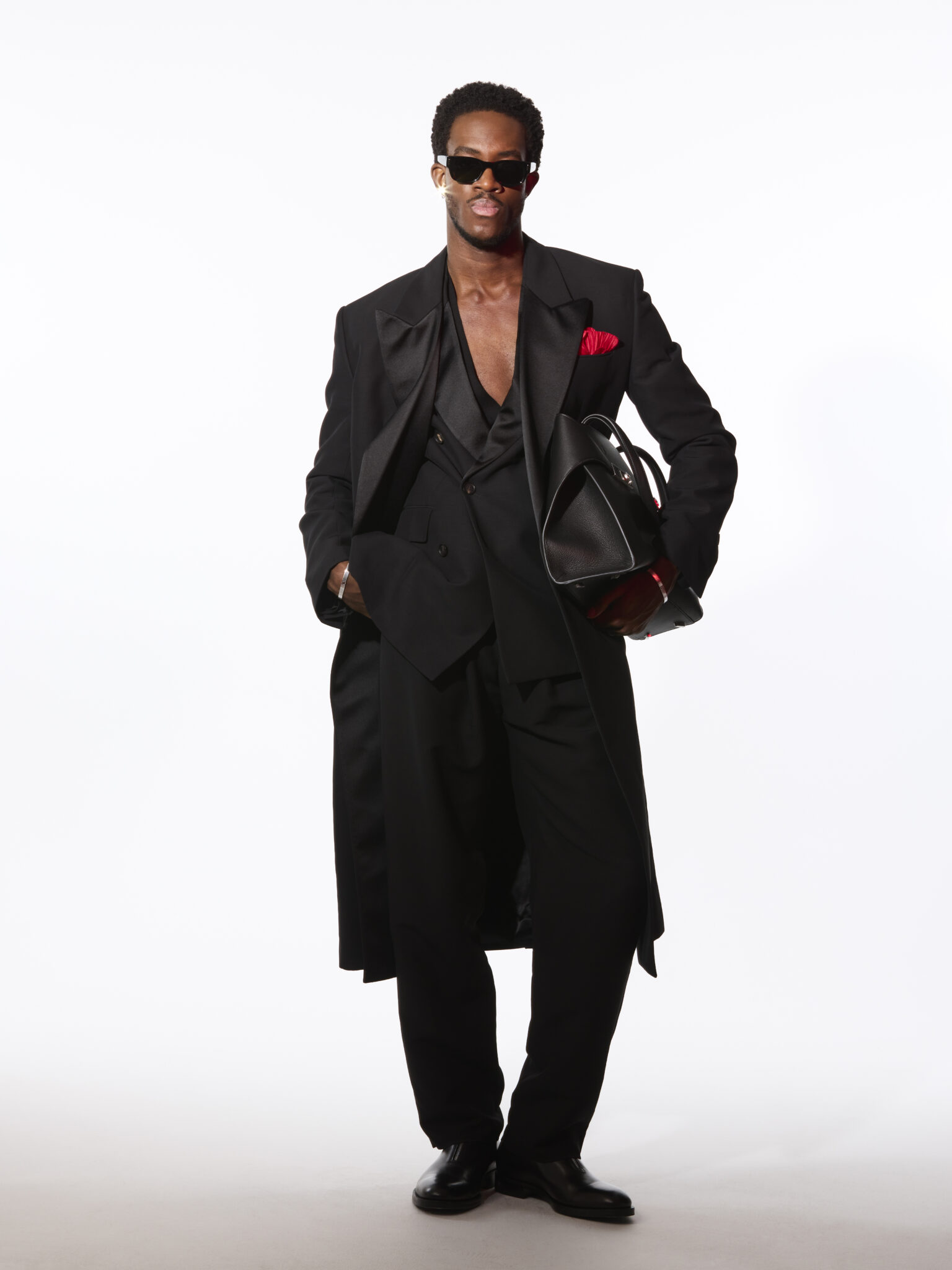
Wisdom Kaye’s influence is often misunderstood as immediacy. In reality, his work is about recall.
His visual storytelling draws from fashion history, film, and personal memory, recomposed through a digital lens that feels contemporary without being disposable. What sets him apart is not experimentation for its own sake, but his understanding of reference and restraint.
Kaye does not chase virality. He builds recognition through repetition, refinement, and a clear visual language. His presence online mirrors the thoughtful era itself: intentional, informed, and quietly authoritative.
Laetitia Ky — Hair as Cultural Architecture
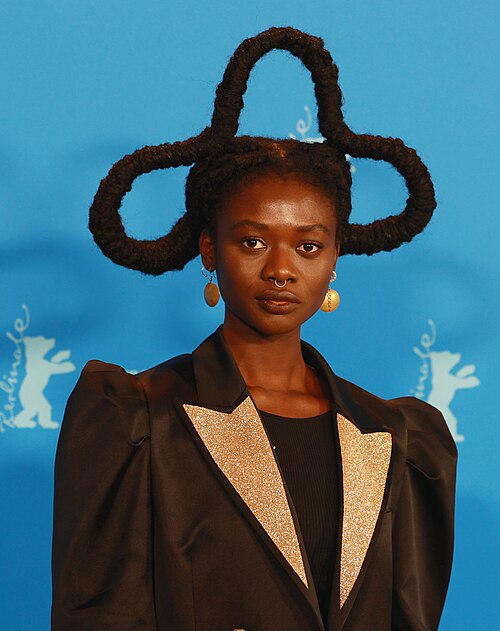
Laetitia Ky does not treat hair as an adornment. She treats it as a structure.
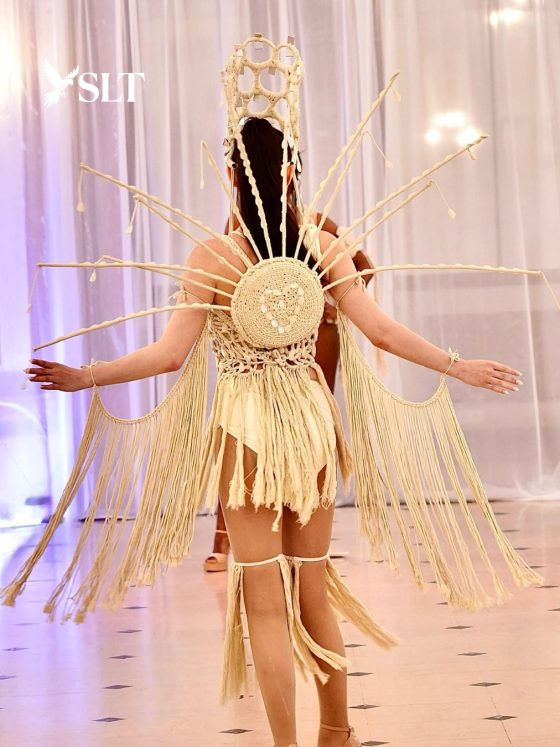
Her sculptural works sit at the intersection of fashion, art, and cultural memory. Using hair as both medium and message, she creates forms that explore femininity, autonomy, and historical presence without relying on costume or nostalgia.
What makes her work compelling is its balance. It is playful yet precise. Her work is both symbolic and immediate. Each piece feels grounded in history while speaking fluently to the present.
In expanding what fashion can be made of, Ky expands what fashion can mean.
READ ALSO:
- Black Luxury Entrepreneurs: Six Fashion Brands Worth Watching
- Black Designers Leading Sustainability in Luxury Fashion
- Diaspora Designers Bridging Tradition and Modern Couture
David Wej Lagos — Discipline in Modern Menswear
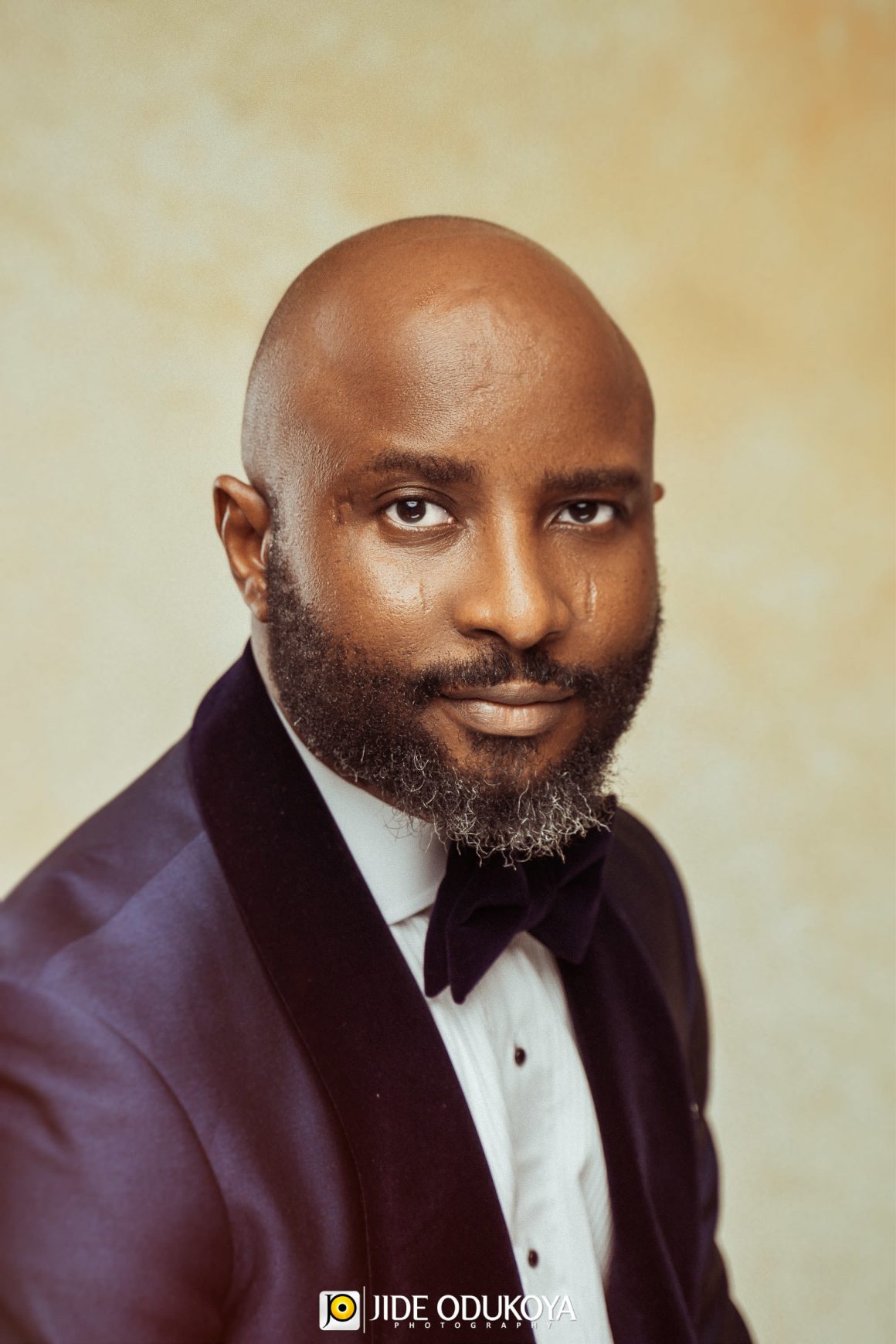
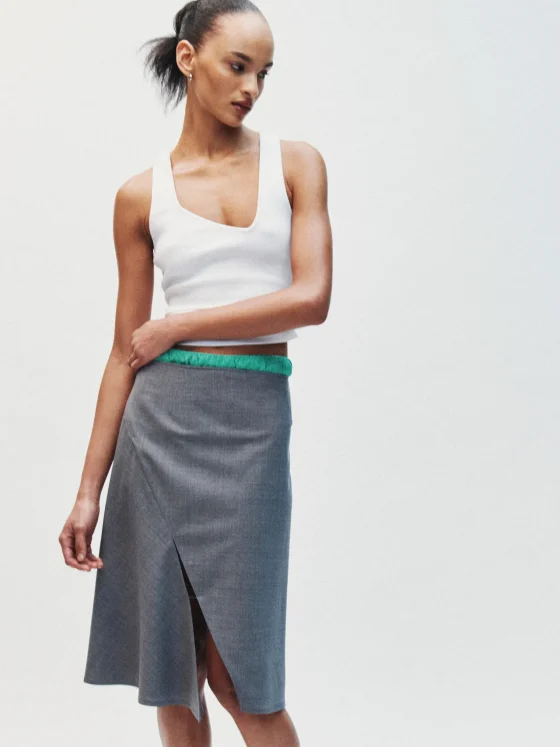
David Wej Lagos works within the language of menswear with quiet assurance. His designs prioritise proportion, structure, and longevity over seasonal drama. There is no urgency in his work, only confidence.
Rather than reinventing form, he refines it. Classic silhouettes are sharpened through precision and patience. The result is clothing that feels composed, wearable, and enduring.
In a landscape where menswear often oscillates between excess and austerity, David Wej offers an alternative rooted in balance. His work speaks to men who value presence over performance.
Ibrahim Kamara — Image as Emotional Language
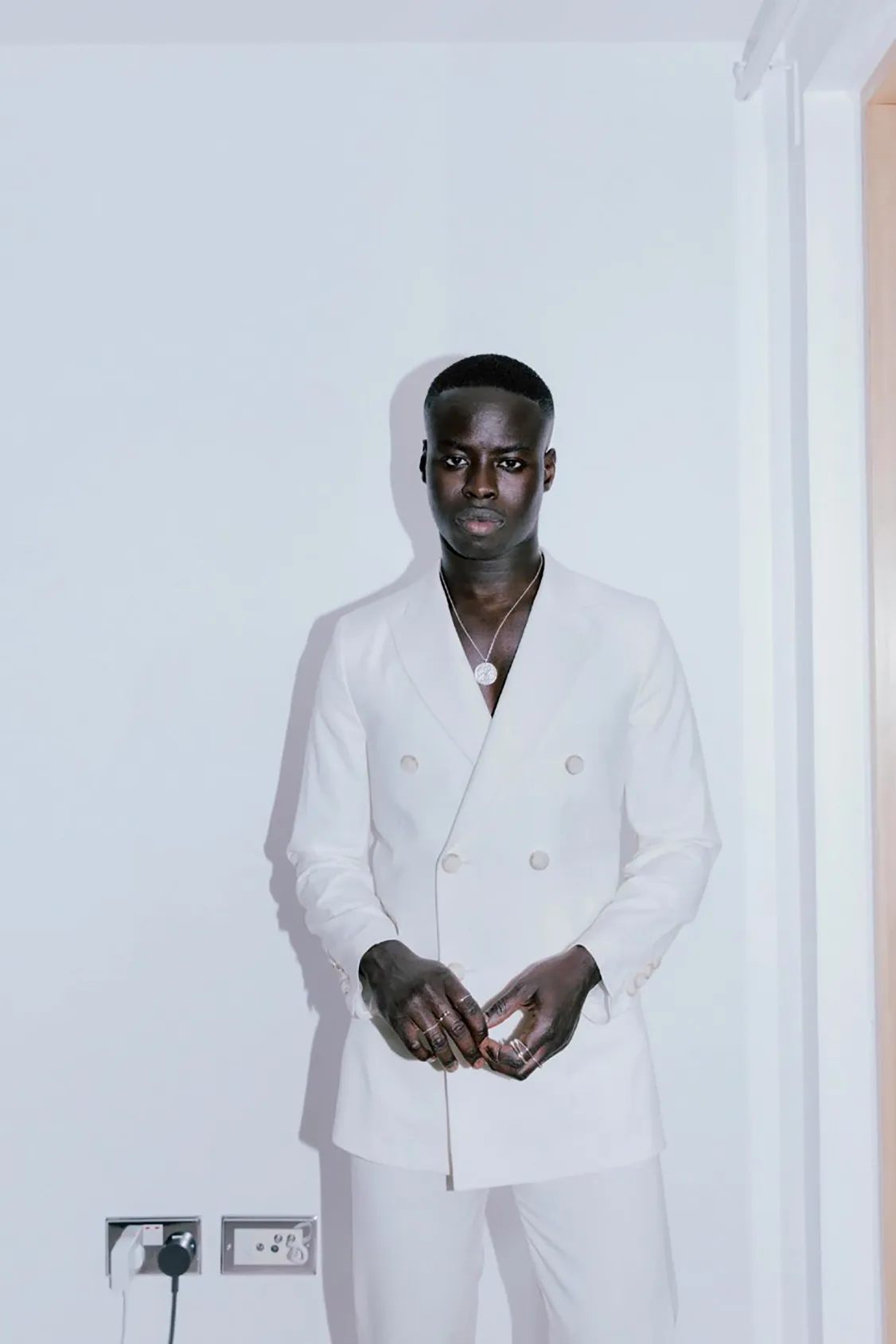
Ibrahim Kamara’s influence is evident even before his name appears. Through styling and editorial direction, he has reshaped how fashion imagery communicates emotion, vulnerability, and strength.
His work resists spectacle. Instead, it leans into feeling. Clothing becomes a conduit for narrative. Bodies are framed with intention. Each image feels considered rather than composed for impact.
Kamara understands that fashion’s power often lies in how it is seen, not just what is worn. By redefining visual language, he expands fashion’s emotional range.
Nkwo Onwuka — Textile as Intelligence
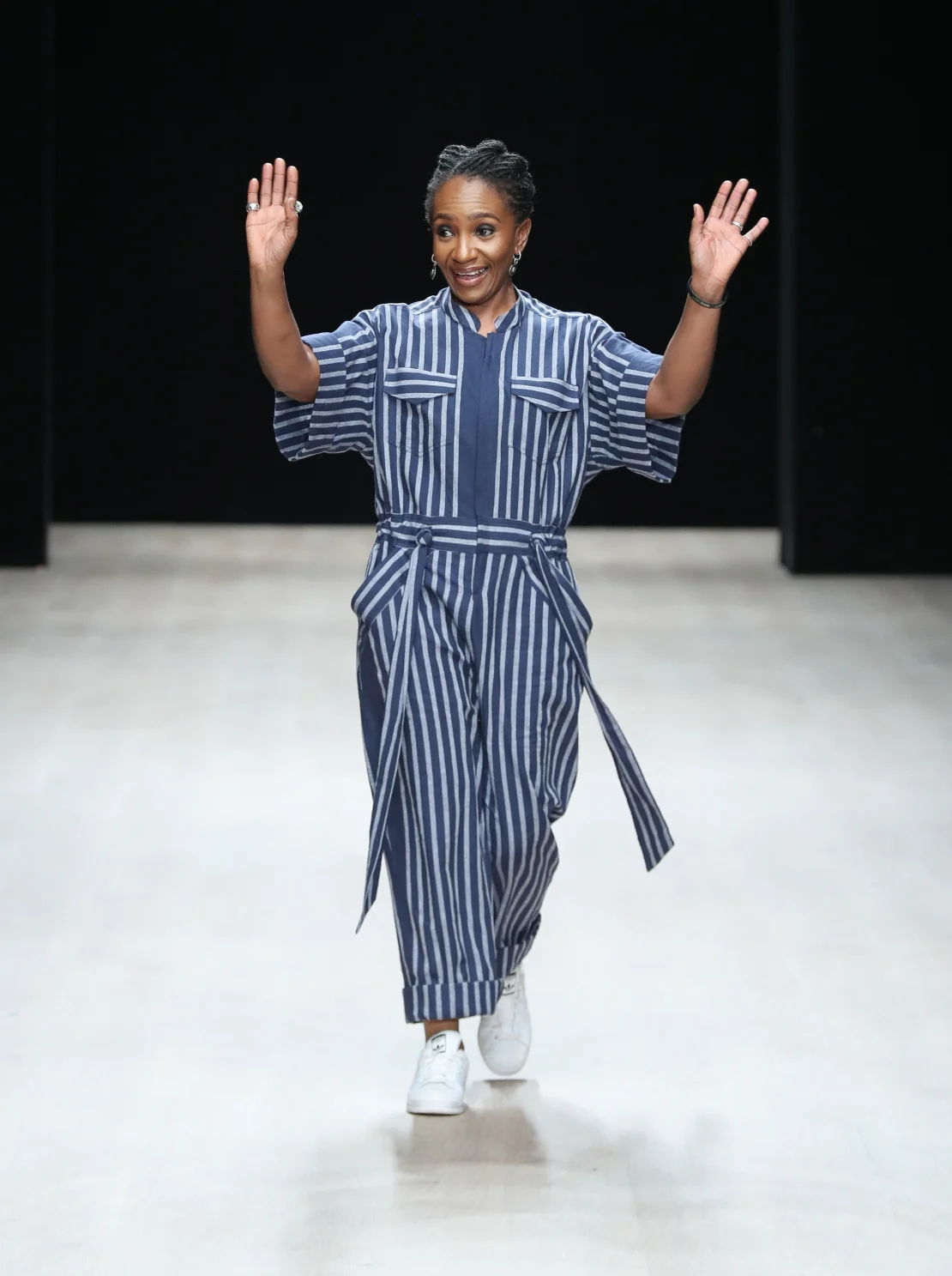
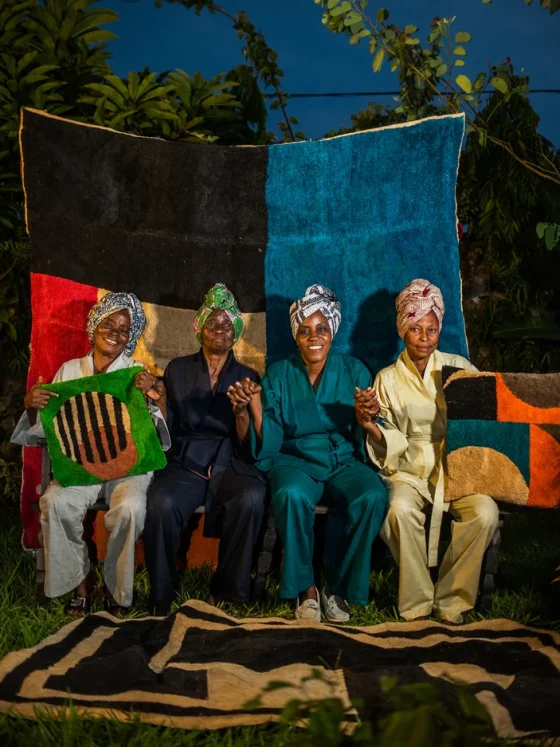
Nkwo Onwuka approaches fashion through material first. Her work with handwoven denim and sustainable textile processes places craft at the centre of contemporary design, not as a reference, but as a foundation.
Her garments carry evidence of the process. Threads are visible. Techniques are honoured. Yet nothing feels archival. The silhouettes are modern, the execution refined.
In a time when sustainability is often reduced to messaging, Onwuka’s work demonstrates what responsibility looks like when it is embedded rather than announced.
What These Voices Share
What connects these creatives is not aesthetic similarity but a shared approach. They work with intention. They respect the process. They understand that fashion gains depth when it reflects how people actually live, move, and remember.
A single look or movement does not define this thoughtful era. It is characterised by clarity. This era is characterised by creators who trust their own pace, perspective, and craft.
As fashion continues to evolve, these voices offer a blueprint for influence that feels grounded, global, and enduring.
Frequently Asked Questions
- What does a thoughtful era in fashion mean?
It refers to a shift toward intentional design, craftsmanship, and longevity over fast trends and constant reinvention.
- Why are emerging creative voices important now?
They shape future aesthetics and values before they become mainstream, offering fresher and more sustainable perspectives.
- How does African heritage influence contemporary fashion today?
Through material intelligence, storytelling, and cultural confidence, expression is subtle rather than symbolic.
- Is thoughtful fashion less trend-driven?
Yes. It prioritises lasting design principles over seasonal cycles.
- Can digital platforms support thoughtful fashion?
Absolutely. When used intentionally, they allow creators to build depth, consistency, and narrative authority.