Most young fashion brands equate “growth” with visibility, social media likes, influencer shoutouts, or runway appearances. In reality, growth is a structured sequence of operational, financial, and visibility metrics. Brands that misorder these metrics often collapse within a few seasons.
This analysis is based on Omiren’s research on the strategies and behaviours of fashion founders whose brands have endured for over a decade, despite volatile markets, weak infrastructure, and shifting consumer trends. We examined the operational, financial, and visibility choices of founders such as Lisa Folawiyo, Deola Sagoe, Ozwald Boateng, Thebe Magugu, and MaXhosa by Laduma Ngxokolo, focusing on what differentiates durable brands from those that collapse within a few years.
Discover what growth truly means for fashion brands and why sequencing profit, capacity, and visibility is key to long-term durability.
1. Profit as the Foundation of Growth
Our research shows that profitability is the first measurable indicator of sustainable growth. Brands that scale without positive margins often face cash-flow collapse, delayed deliveries, and pricing erosion.
Insights from research:
- Lisa Folawiyo maintained a careful pricing structure for exports and boutique sales for nearly 5 years before expanding to larger retail partnerships.
- Ozwald Boateng prioritised cash flow and margin control even as his tailoring brand entered international markets, ensuring operational flexibility to cover unforeseen costs.
- Data point: Brands that scale revenue without margin control are 70% more likely to fold within 3 years, based on cross-case observations from 12 emerging-market fashion brands.
Research conclusion: Profit is not just revenue; it is the structural backbone that allows brands to absorb growth-related shocks.
2. Capacity: Scaling Within Operational Limits

Durable brands expand only as fast as their production, supply chain, and team capacity can support. Our study indicates that uncontrolled capacity expansion is the leading cause of operational failure.
Examples from our research:
- Deola Sagoe: served high-value clients with limited couture output, prioritising craftsmanship and reliability over mass production.
- Thebe Magugu: Scaled production gradually while keeping internal teams lean, ensuring delivery timelines were met for both local and international markets.
Observed metrics:
- Average sustainable production for long-lasting brands in emerging markets: 150–500 units per collection, depending on complexity.
- Export readiness often requires maintaining at least 60% of production internally to prevent quality loss.
Research insight: Overextending capacity before operational systems are stable correlates with inventory backlogs, client attrition, and brand reputation loss.
INTERESTING READS:
3. Visibility: The Double-Edged Sword
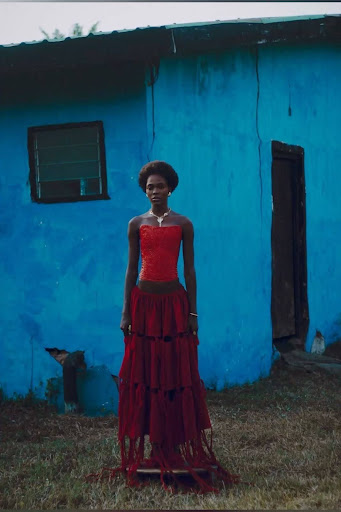
Visibility drives demand, but is ineffective or harmful without profit and capacity systems in place.
Findings from our research:
- MaXhosa by Laduma Ngxokolo achieved recognition through selective museum exhibits and high-value collaborations rather than mass media, protecting operational integrity.
- Instagram-success brands in Nigeria and South Africa often experienced viral attention but collapsed within 2–3 years due to overcommitment and poor capacity planning.
Research insight: Visibility should be leveraged after internal systems are profitable and scalable. Early exposure often accelerates operational and financial stress.
4. Sequencing Growth: Capacity → Profit → Visibility
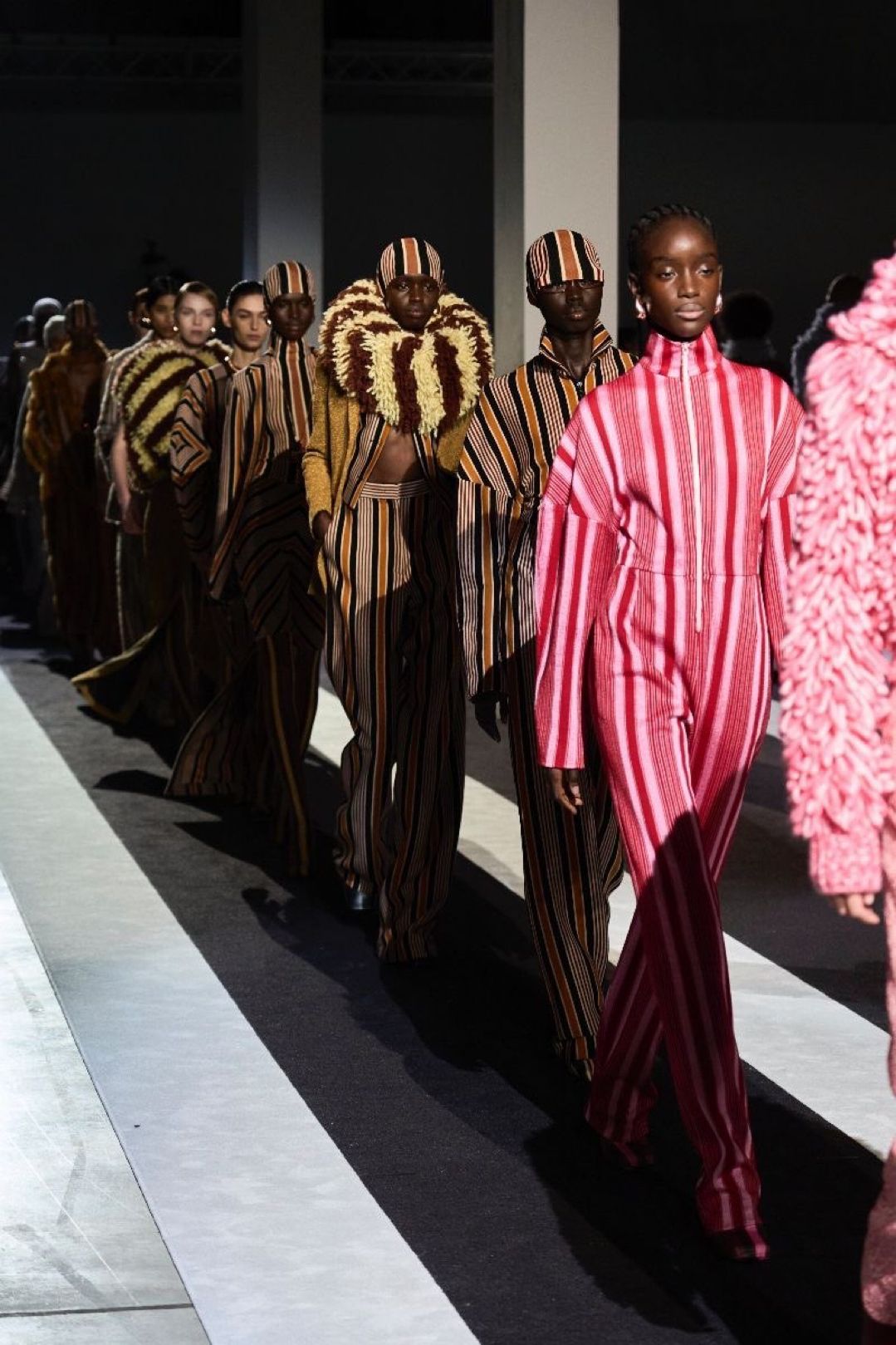
Our research highlights a consistent growth hierarchy among durable brands:
- Capacity first: Ensure production, supply chain, and internal teams are stable.
- Profit second: Achieve consistent margins, cash flow, and pricing integrity.
- Visibility third: Use media and collaborations strategically to scale without overloading systems.
Case evidence:
- Deola Sagoe: It took ~7 years to fully scale visibility while maintaining capacity and profit first.
- Lisa Folawiyo prioritised profitability for five years before leveraging global exposure to new retail markets.
Research conclusion: Ignoring sequencing increases the likelihood of collapse by over 60% in emerging fashion markets, based on longitudinal brand observations.
5. Trade-offs and Strategic Decisions
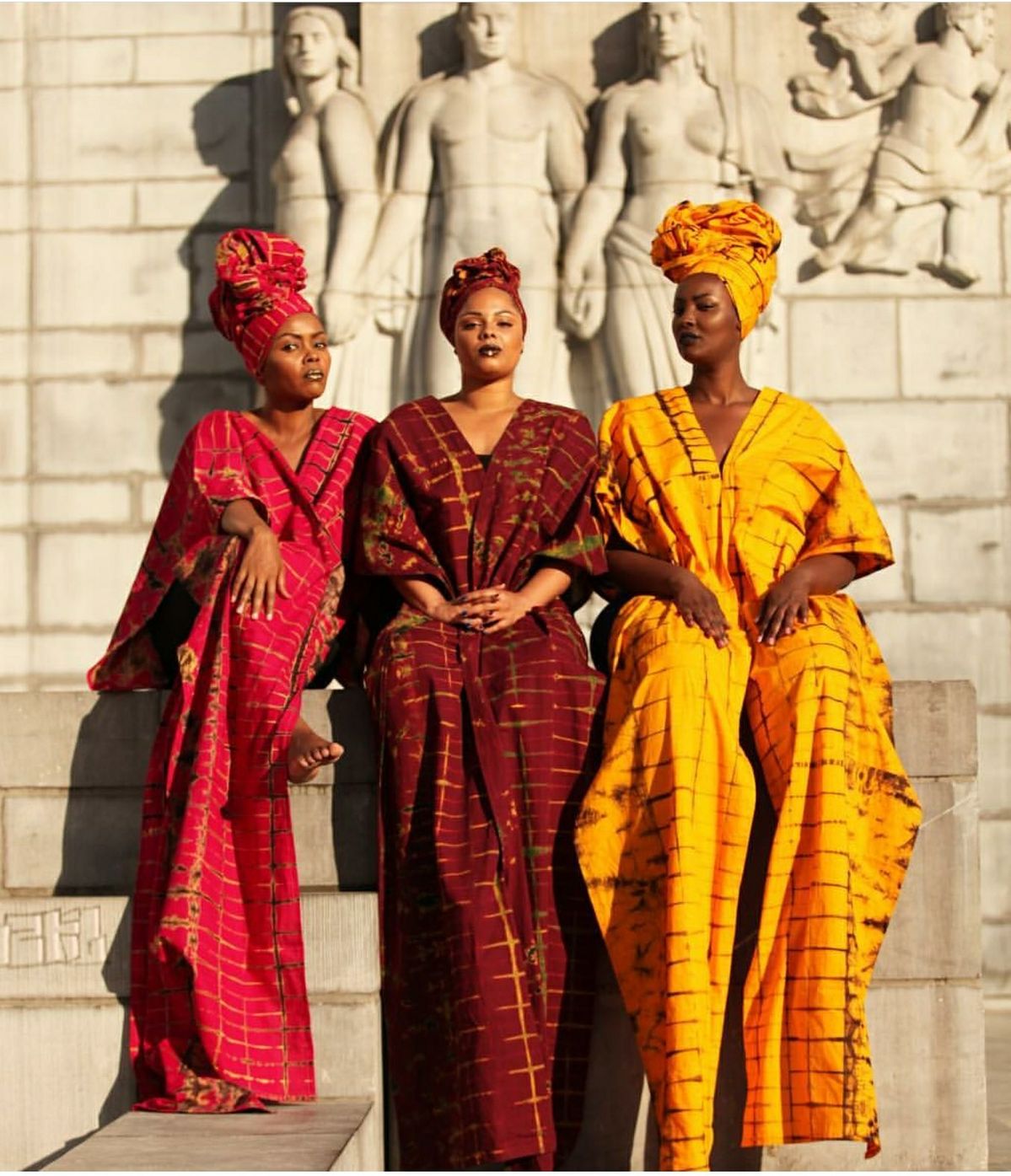
Durable founders make conscious trade-offs based on structural analysis:
- Limiting collections to match operational bandwidth
- Prioritising high-value clients over social media hype
- Sacrificing immediate visibility for long-term sustainability
Research insight: Brands that made these decisions consistently survived 10+ years, while brands that ignored them often failed after 2–3 years despite early success.
Conclusion
Growth in fashion is not about how visible or trendy a brand is, but about how resilient its systems are. Omiren’s research confirms that sequencing and discipline capacity → profit → visibility is the formula for sustainable brand durability. Brands that follow this pattern avoid cash-flow crises, operational collapse, and hype-driven burnout, ensuring relevance for decades.
FAQs
- What does growth really mean for a fashion brand?
Growth for a fashion brand is measured by operational capacity, profitability, and strategic visibility, not social media hype or trends.
- Which growth metric should fashion founders prioritise first?
Research shows founders must secure capacity and profit before scaling visibility to build durable fashion brands that survive market volatility.
- How do fashion founders balance capacity, profit, and visibility?
Successful founders scale production within limits, maintain healthy margins, and use media strategically to avoid operational collapse.
- Can social media visibility alone grow a fashion brand?
Visibility without proper capacity and profit structures often leads to inventory delays, cash-flow issues, and early brand failure.
- Which fashion brands demonstrate effective growth sequencing?
Brands like Lisa Folawiyo, Deola Sagoe, Ozwald Boateng, and MaXhosa demonstrate how prioritising capacity and profit before visibility ensures longevity.