Legacy in fashion and beauty is rarely accidental. It is constructed, refined, and sustained through institutions that decide what is taught, preserved, celebrated, and remembered. While trends rise and fall with seasons, institutions operate on a longer timeline. They turn craft into culture, aesthetics into history, and creativity into authority.
Decisions quietly determine whose work endures and whose stories fade across fashion schools, museums, media houses, archives, and cultural foundations. This institutional role is especially important for African fashion and beauty. It bridges ancestral craftsmanship with modern luxury, local narratives with global relevance, and tradition with innovation. Understanding how institutions shape legacy is essential to understanding how fashion and beauty gain permanence beyond the moment.
From archives to ateliers institutions define how fashion and beauty evolve preserve culture and build lasting legacies across generations globally
Institutions as Architects of Cultural Memory

At their core, institutions function as custodians of memory. Museums, archives, and cultural centres decide which garments, beauty practices, and creative movements are preserved as cultural records. When a piece enters the archive, it shifts from being a commercial product to a historical artefact. This transition elevates fashion and beauty into a language of time, identity, and social change.
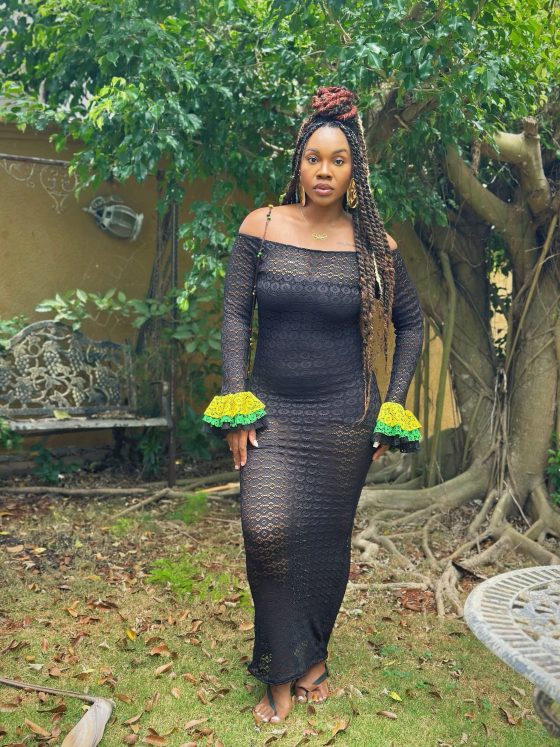
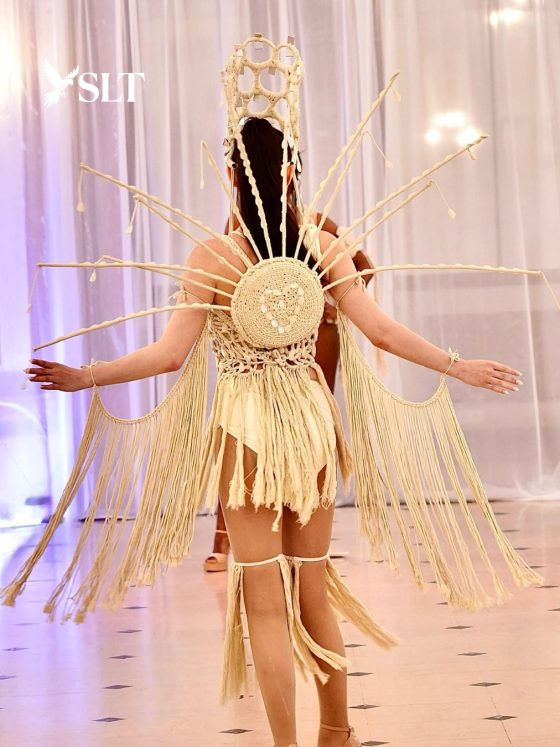
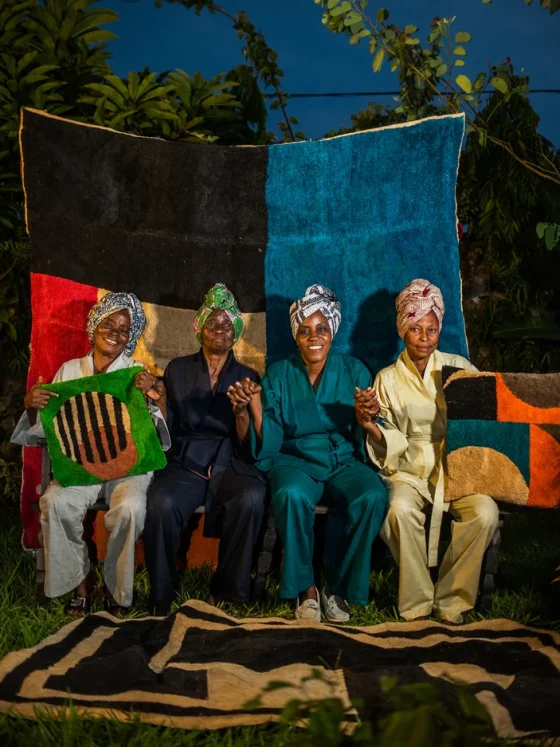
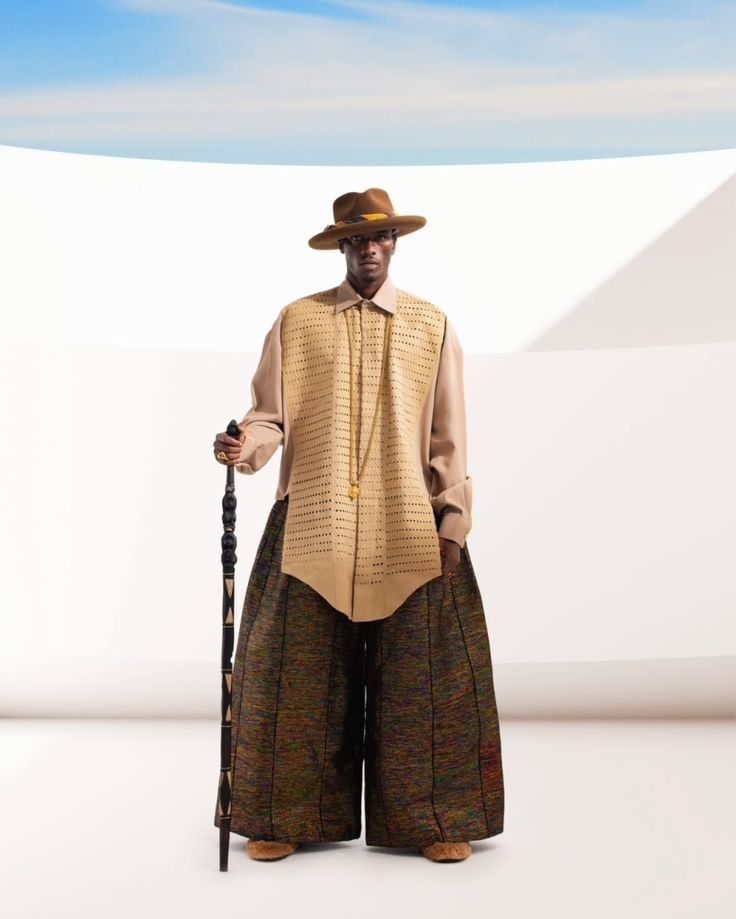
For African and diasporic fashion, institutional recognition counters decades of under-representation. Textile traditions, indigenous beauty rituals, and regional design philosophies gain legitimacy when documented and exhibited within formal spaces. This process does not dilute authenticity. Instead, it affirms cultural craftsmanship as intellectual and artistic heritage.
Education and the Transmission of Authority
Fashion and beauty schools shape legacy through knowledge transfer. Curricula determine which design philosophies are considered foundational and which are treated as peripheral. Institutions that integrate cultural history, ethical production, and global context prepare creators to build work that resonates beyond aesthetics.
When African craftsmanship enters academic discourse, it shifts perception from inspiration to expertise. Students trained within such frameworks become carriers of legacy. They translate tradition into modern forms while maintaining respect for origin. Over time, alumni networks extend institutional influence into brands, studios, media, and policymaking, reinforcing long-term cultural impact.
Media Institutions and the Power of Visibility
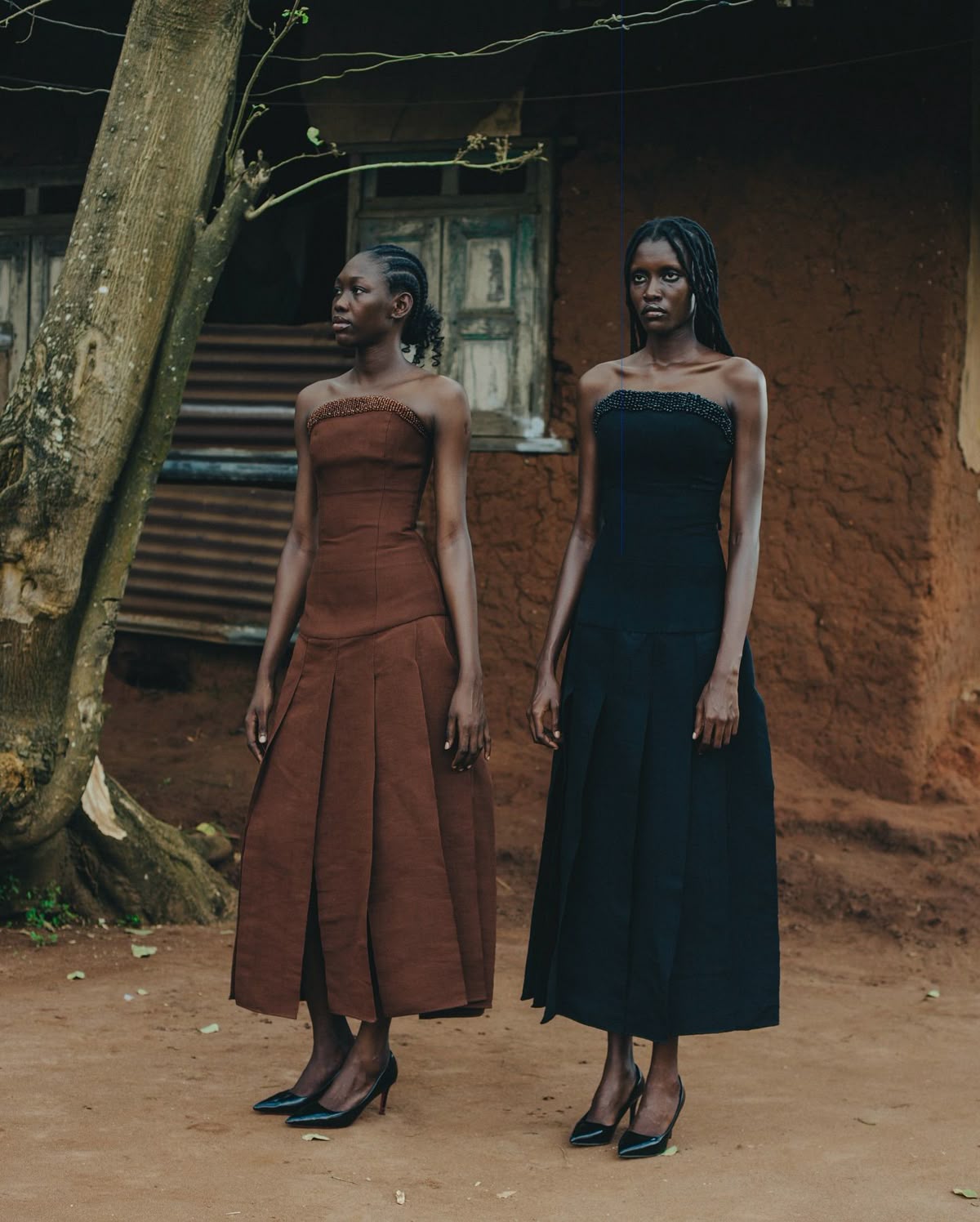
Editorial platforms and professional bodies play a decisive role in shaping what the world sees as valuable. Coverage, awards, and critical commentary create hierarchies of taste and relevance. When fashion and beauty narratives are consistently framed through global yet culturally grounded lenses, they redefine luxury beyond Eurocentric norms.
For African fashion and beauty, institutional media visibility validates modern interpretations of heritage. It positions designers, artisans, and beauty innovators as contributors to global culture rather than regional footnotes. This visibility also influences consumer trust, investor interest, and historical placement within industry narratives.
Read Also:
Institutions as Gatekeepers of Ethical Progress
Modern legacy is inseparable from responsibility. Institutions increasingly shape fashion and beauty through sustainability standards, ethical guidelines, and cultural accountability. Museums question sourcing. Schools teach responsible production. Industry bodies promote fair wages and transparency.
These structures matter deeply within African contexts where craftsmanship is often community-based. Ethical frameworks protect artisans, preserve techniques, and ensure that cultural exchange does not become cultural extraction. Legacy, in this sense, is not only about longevity but about integrity.
Cross-Cultural Narratives and Diaspora Influence
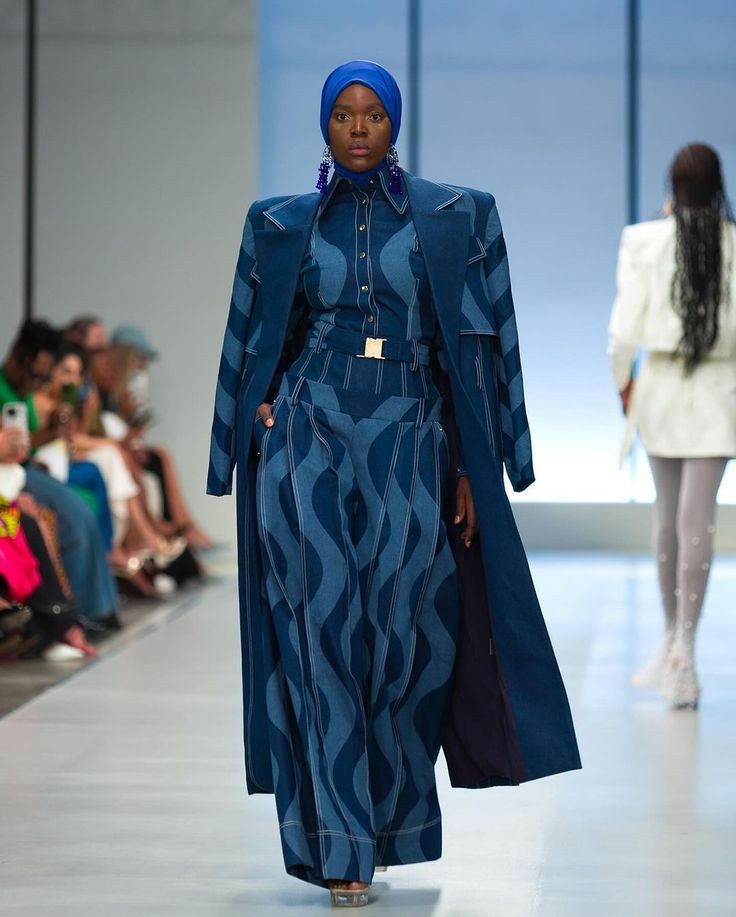
Institutions enable dialogue across borders. Exhibitions, residencies, and global collaborations allow African aesthetics to converse with international design languages. Diaspora creatives often operate within these institutional spaces, translating cultural memory into contemporary global forms.
This cross-cultural exchange strengthens the legacy by proving adaptability without erasure. It affirms that African fashion and beauty are not static traditions but evolving systems of expression shaped by migration, technology, and global artistic influence.
Power Structures and the Question of Inclusion
Institutions are not neutral. Historically, they reinforced dominant narratives while marginalising others. Recognising this reality is part of modern institutional responsibility. Institutions protect their legacies by expanding collections, revising curricula, and diversifying leadership.
True legacy building requires intentional inclusion. When institutions actively document and support African and diasporic contributions, they correct historical imbalance and create a richer global fashion and beauty archive
Conclusion
Institutions shape legacy by deciding what lasts. Through preservation, education, visibility, and ethical frameworks, they transform fashion and beauty from fleeting expression into cultural inheritance. For African fashion and beauty, institutions offer both validation and protection, ensuring that craftsmanship, innovation, and identity are not lost to time.
As the industry evolves, those who know that fashion and beauty are about what is remembered, respected, and responsibly carried forward will have a legacy.
FAQs
- Why are institutions important in fashion and beauty legacy?
They preserve history, define standards, and validate cultural and creative contributions over time.
- How do museums influence fashion and beauty narratives?
They frame clothing and beauty practices as cultural artefacts, shaping how societies interpret their significance.
- What role does education play in legacy building?
Educational institutions transmit knowledge, values, and design philosophies that creators carry into future generations.
- How do institutions support sustainability in fashion and beauty?
They set ethical standards, promote responsible practices, and protect artisan communities and resources.
- Why is institutional recognition important for African fashion and beauty?
It affirms cultural authority, ensures historical preservation, and positions African creativity within global narratives.