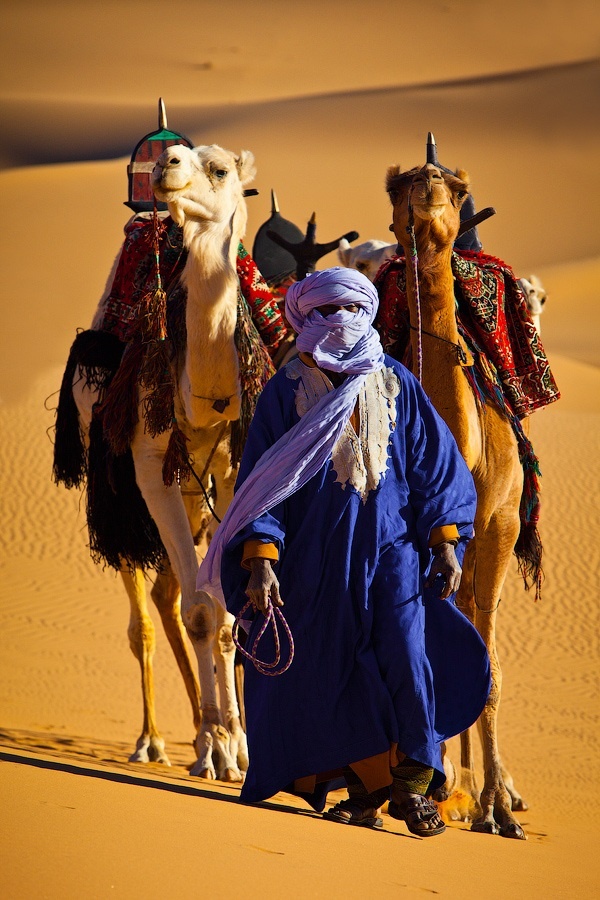
In the old quarters of Mombasa, I once watched a tailor work in near silence. He cut a robe out of white cotton with his hands, and it looked familiar but hard to place. It had the relaxed flow of an Arabian thawb, but the neckline carried subtle embroidery common in East Africa. When I asked where the design came from, he smiled and said simply, “It has always been here.”
That response captures the heart of this story and draws me to seek a reason behind the blending of Arabian fashion into the African clothing system.
The blending of Arabian fashion and African clothing did not happen suddenly, nor was it imposed. It emerged naturally through climate, trade, belief systems, hospitality, and shared understandings of dignity and beauty. Across Africa, from the Swahili Coast to the Sahel, Arab influences were not copied but instead absorbed, reshaped, and localised.
Based on my research, I identified five primary reasons for the seamless integration of Arabian fashion with African attire, substantiated by historical context, cultural understanding, and enduring traditions. This is not a story of dominance but of dialogue, told through clothes, fashion, and lifestyle across Africa.
Read this essay in depth to understand the cordial relationships between Africa and the Arabs.
Arabian fashion did not reshape African clothing; it acknowledged it. This article explores five cultural, climatic, and symbolic reasons why the blend felt natural rather than forced.
Beyond Clothing: Fashion as Lifestyle and Knowledge
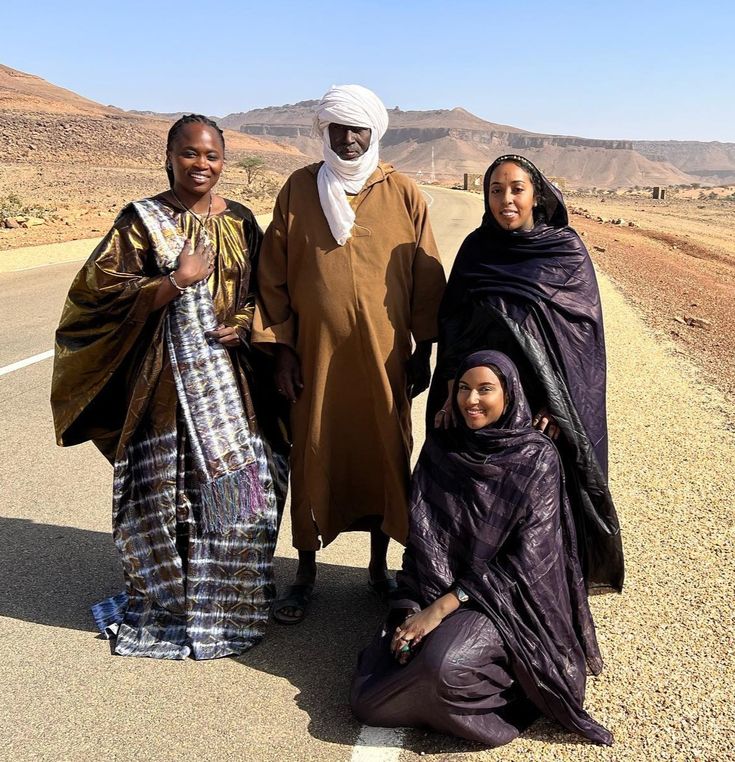
In both Arabian and African societies, clothes are not seasonal trends. They are cultural archives.
A robe may indicate:
- Religious identity
- Marital status
- Community belonging
- Respect for elders
Because Arabian fashion respected these layers of meaning, it merged naturally with African clothing traditions that already treated fashion as knowledge rather than spectacle.
5 Reasons Arabian Fashion Blends Naturally with African Clothing
1. Climate Created a Similar Fashion Logic
The climate is one of the most fundamental reasons Arabian fashion blended easily with African clothing. Large parts of Africa and the Arabian Peninsula share similar environmental conditions: intense heat, dry winds, dust, and long periods outdoors.
Long before global fashion trends, people dressed to survive and remain comfortable. This produced remarkably similar solutions:
- Loose-fitting garments to allow airflow
- Lightweight, breathable fabrics
- Layering garments provides protection from the sun and temperature changes.
Arabian garments such as the thawb, abaya, and jilbab closely align with African clothing such as the boubou, jalabiya, and kaftan-style robes. These similarities were not the result of imitation but parallel innovation.
When Arabian fashion arrived through trade and migration, it did not clash with African clothing traditions; it fit naturally into an already compatible system.
2. Trade Routes Encouraged Exchange, Not Erasure
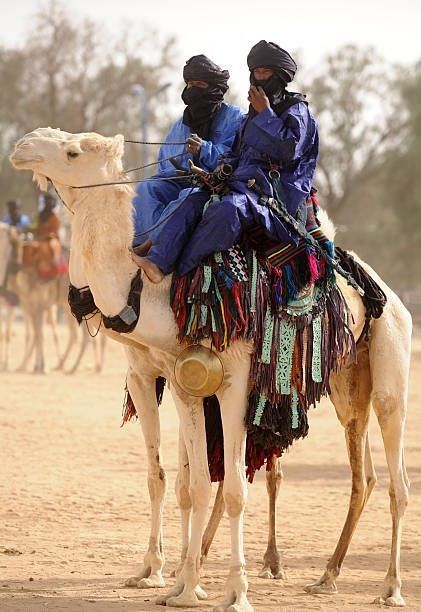
Arabian fashion reached Africa primarily through trade, not conquest. Indian Ocean routes connected Oman, Yemen, and the Arabian Gulf to East Africa, while trans-Saharan routes linked North and West Africa to the Arab world.
These routes carry:
- Cotton and silk textiles
- Dyeing techniques
- Tailoring knowledge
- Ideas about modesty and presentation
African communities did not abandon their clothing traditions. Instead, they adapted Arabian elements to local needs, pairing Arab silhouettes with African patterns, colours, and symbolic details.
In Swahili societies, for example, women layered Arabian-inspired outer garments over African kanga. In West Africa, flowing robes evolved with wider sleeves and bold embroidery unique to the region.
This exchange respected African agency, allowing fashion to blend organically.
3. Shared Values Around Modesty and Dignity
Modesty is a Cultural Strength
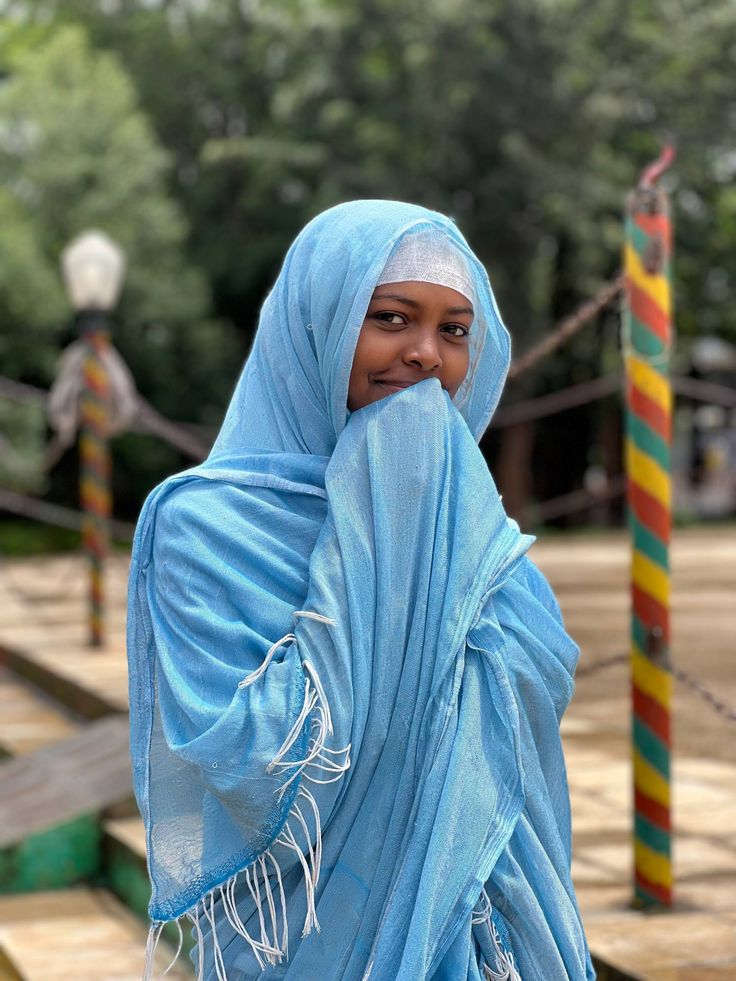
Both African and Arabian societies traditionally viewed clothing as an expression of character and dignity, not merely as an aesthetic. Modesty, especially for women, was tied to respect, maturity, and social standing.
Arabic fashion emphasises:
- Coverage without restriction
- Clean lines and simplicity
- Modesty is aligned with faith
African clothing traditions, long before Arab contact, were also valued:
- Draped garments
- Layering
- Clothing that signalled age, status, or role
Because modesty already existed within African cultures, Arabian fashion did not introduce an alien concept. Instead, it reinforced and refined existing values.
This shared moral framework allowed fashion to blend without resistance.
Hospitality Shapes Public Appearance
In both Arabian and African cultures, hospitality is sacred how one appears before guests reflects family honour, generosity, and self-respect.
Women, in particular, played central roles in hosting, preparing food, welcoming visitors, and representing the household. Loose, modest clothing conveyed:
- Readiness to serve and receive others
- Calm authority
- Respect for communal space
Arabian fashion aligned seamlessly with African hospitality norms. Flowing garments allowed women to move easily between domestic and public responsibilities while maintaining dignity.
Clothing became part of the language of welcome: quiet, elegant, and intentional.
ALSO READ:
- Turbans and Headwraps: How an Arabian Headpiece Found a Second Home in Africa
- Top Powerful Afro-Arab Fashion Symbols and Their Cultural Meanings
- Top 10 African Traditional Clothes with Clear Arabian Fashion Influence
5. African Creativity Reinterpreted Arabian Forms
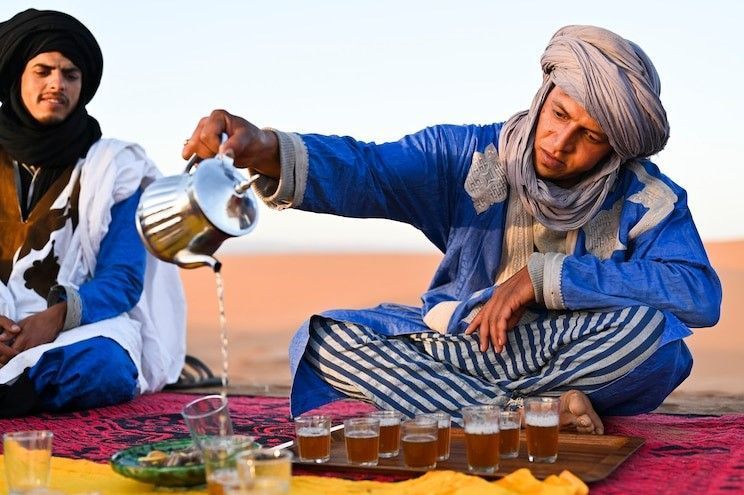
The most crucial reason Arabian fashion blended naturally with African clothing is African creativity.
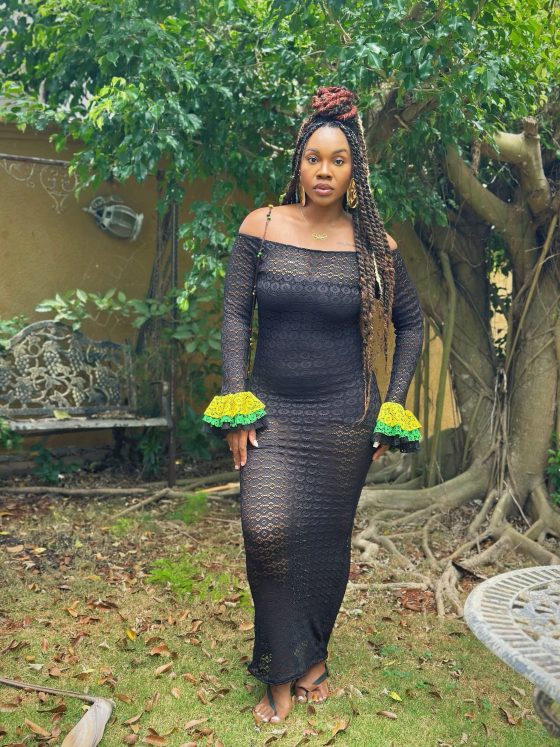
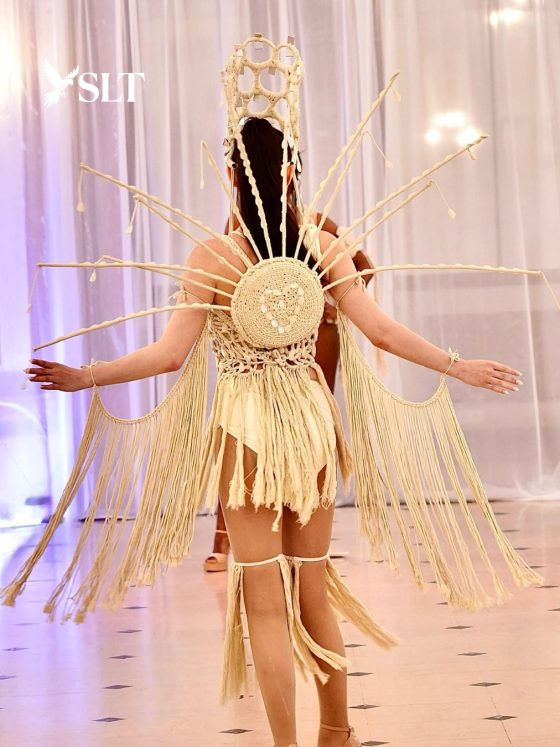
Africans did not wear Arabian fashion as-is. They transformed it and blended it into their way of life. Today, most clothing design in Northern and Sahelian Africa has elements of Arabian influence, but it speaks directly to African culture and values
Examples include:
- Adding bold colours and prints
- Incorporating symbolic embroidery
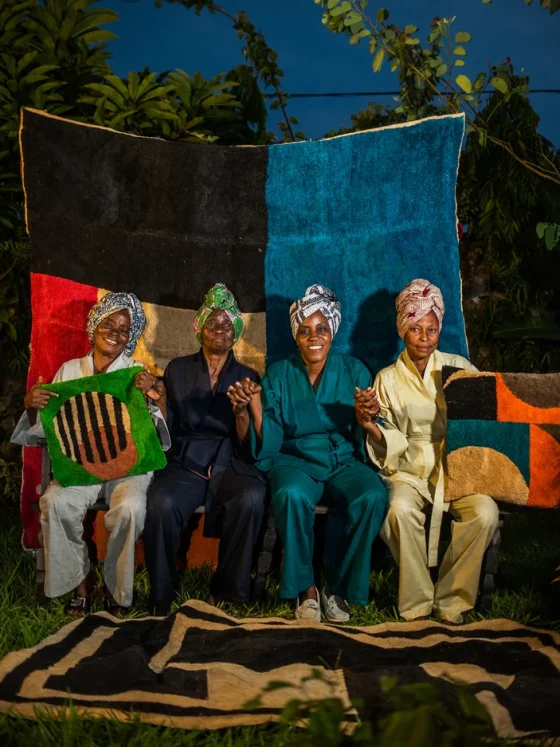
- Pairing loose robes with traditional head wraps and jewellery
In North and West Africa, garments inspired by Arabian styles evolved into distinctly African forms, carrying local identity and storytelling.
This reinterpretation ensured that Arabian fashion never replaced African clothing. Instead, it became part of a broader, richer fashion ecosystem across Africa.
Arabian fashion blended naturally with African clothing because it arrived not as a command, but as a conversation. Climate aligned. Values overlapped. Hospitality welcomed. Creativity transformed.
What emerged was not imitation but shared identity expressed through clothes and fashion, an enduring legacy across Africa.
At Omiren Styles, we believe fashion is a cultural record, not a costume.
If you value thoughtful stories on Arabian and African fashion, lifestyle, and hospitality, explore more in-depth stories at omiren styles.
FAQs
1. Did Arabian fashion dominate African clothing styles?
No. The relationship was mutual and adaptive, shaped by local choices.
2. Why are loose garments everyday in both regions?
This is due to the requirements of climate, mobility, and dignity.
3. Is religion the main reason for similarity?
Religion played a role, but climate, trade, and culture were equally influential.
4. Why do the African versions often look more colourful?
African cultures traditionally use colours and patterns for symbolism and storytelling.
5. Is this blending still visible today?
Yes, especially in North, West, and East Africa, where traditional dress remains strong.