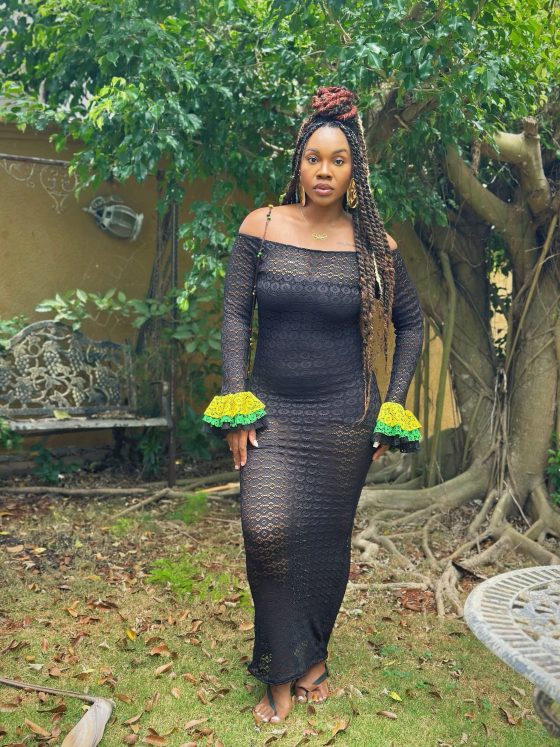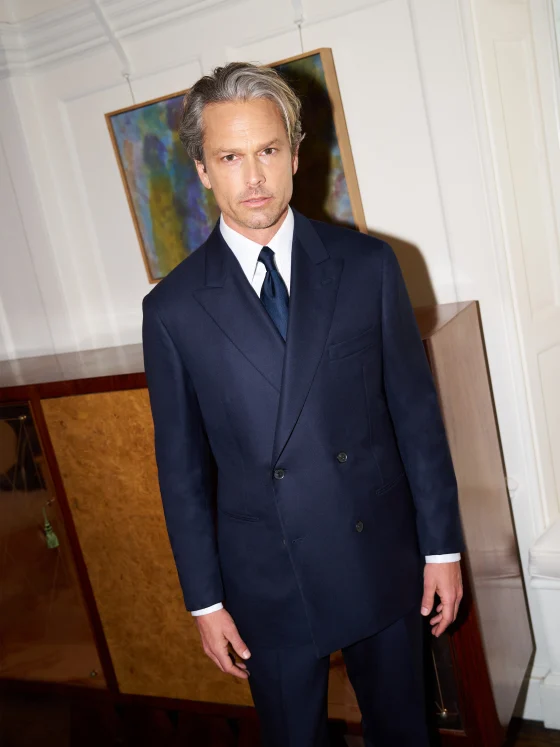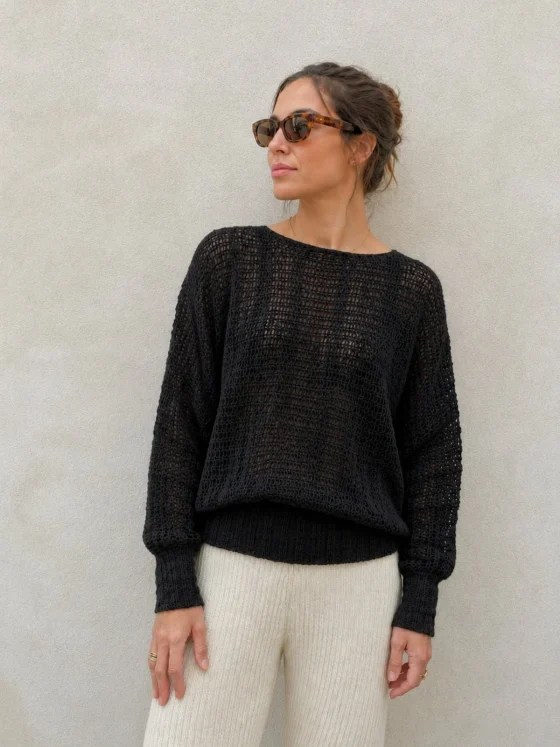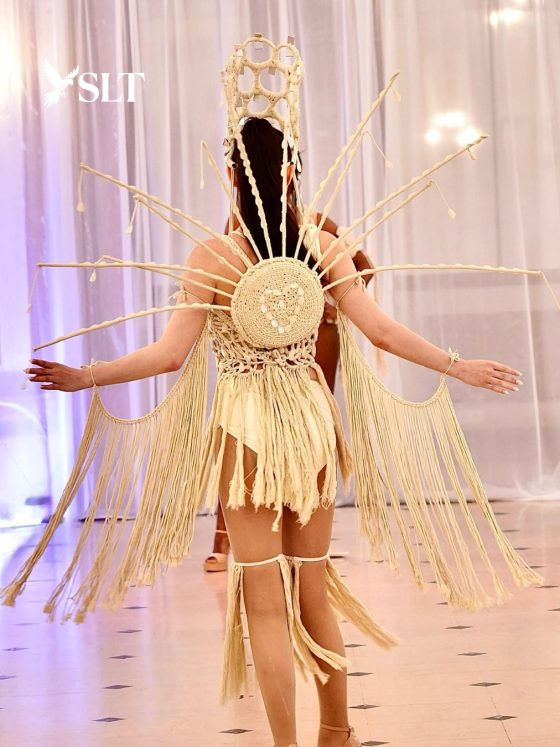
Today’s elite see luxury less as something to display and more as something to understand. In 2026, Intellectual Luxury is the new way to stand out, with ‘status symbols’ giving way to ‘knowledge symbols.’ People are shifting from flashy logos to Narrative Prestige, valuing a garment’s story, its ethical impact, and the skill behind its creation.
With so much AI-generated fast fashion around, the human touch is now rare. Intellectual luxury stands out for its demand for greater cultural awareness. Its quiet influence comes from unique fabrics, special designs, and historical details that only some will notice. In 2026, the most successful brands will be the ones that see their customers as thinkers, not just buyers.
Explore the rise of Intellectual Luxury in 2026. Discover why global fashion is pivoting from loud logos to narrative prestige, artisanal craft, and ‘coded’ aesthetics. Omiren decodes the new era of substance over surface.
Coded Aesthetics: Sustainability Meets Subtlety
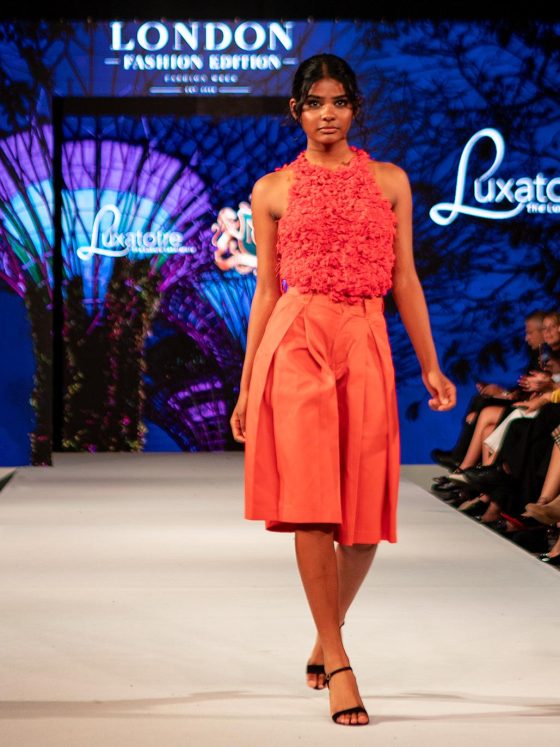
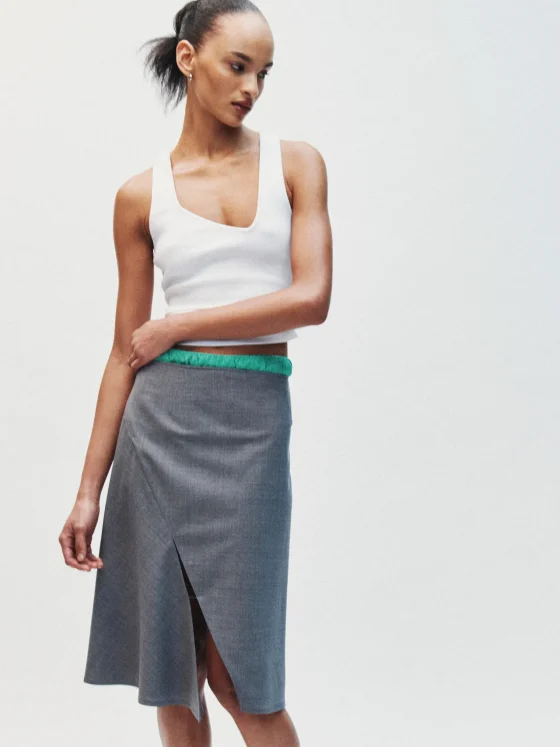
The first rule of Intellectual Luxury in 2026? If you know, you know. The ‘Coded Aesthetic’ is taking over, favouring subtlety instead of flash. It’s not just about looking expensive anymore; it’s about looking informed.
This trend stands out for combining top-quality craftsmanship with a strong focus on sustainability and inclusivity. Leading brands are moving beyond just making clothes; they are creating real solutions. For example:
- Gabriela Hearst: A pioneer in ‘Honest Luxury,’ focusing on plastic-free packaging and carbon-neutral runways.
- Eileen Fisher: The master of inclusivity, proving that intellectual, high-end design should look stunning on every body type while leading the way in circular fashion (recycling old garments into new art).
- Brunello Cucinelli: The ‘Philosopher-Designer’ who prioritises ‘Humanistic Capitalism,’ ensuring every artisan is paid fairly, and every fabric is traceable.
In 2026, the real status symbol isn’t a logo. It’s wearing clothes that help the planet and reflect the diversity of our world. More and more, people want their style to show their values, not just their wealth.
Sensory Craft and Radical Inclusion
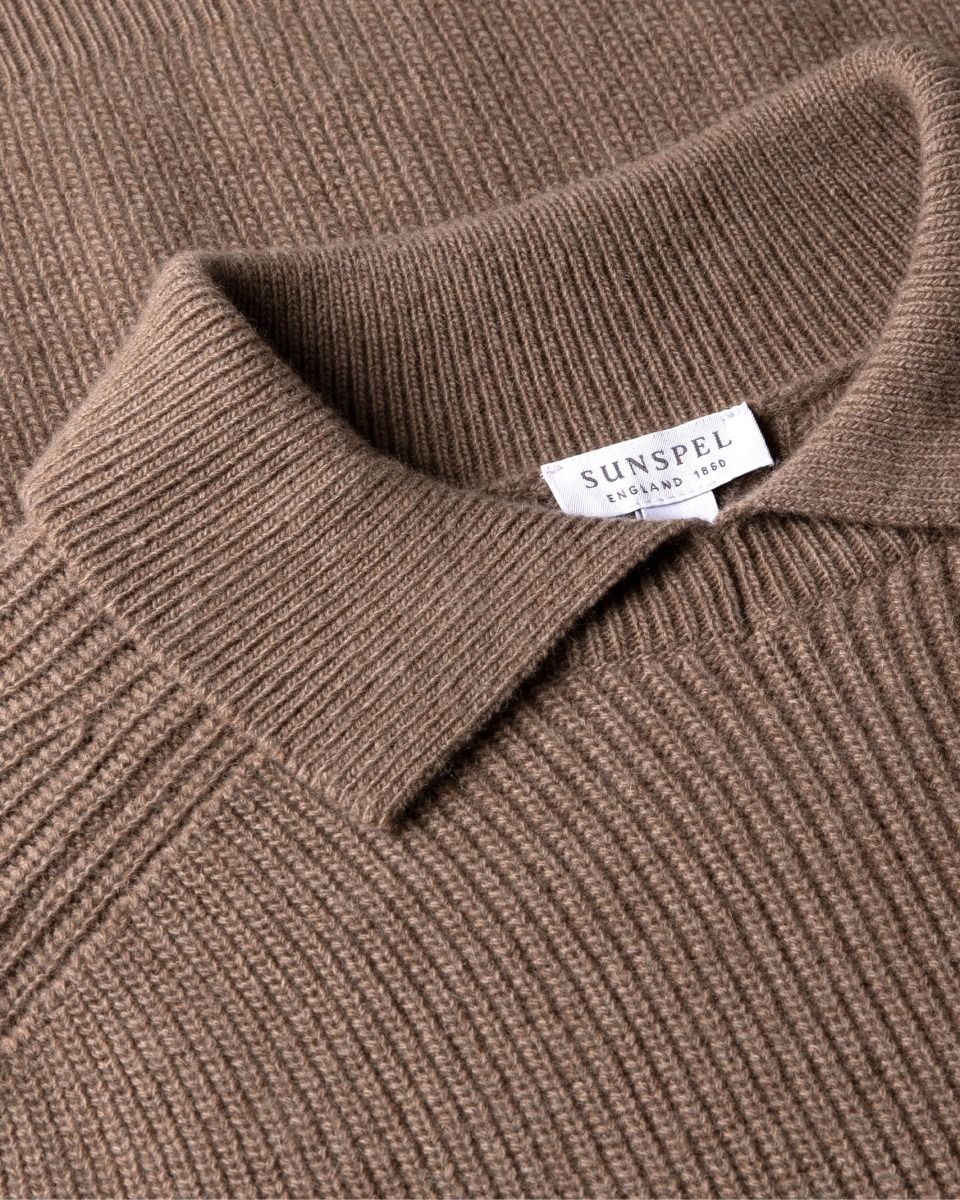
In 2026, people are shifting their focus from digital experiences to physical ones. Now, intellectual luxury is expressed through Sensory Craft, which means enjoying the feel of high-quality, sustainable materials that create an emotional bond.
This trend is about more than comfort. It’s about Radical Inclusivity. Top brands are using texture to make luxury a sensory experience for everyone, regardless of size, age, or ability. ‘Adaptive Elegance’ is on the rise, blending high-end design with universal function. For example:
- Bottega Veneta, led by Matthieu Blazy, has perfected ‘Fluid Fabrics’ that move naturally with the body. Their brushed cashmere and soft shearling make luxury clothing comfortable for many body types, showing that high fashion can suit everyone.
- Chloé, now a B Corp, sets the standard for Sustainable Luxury. Their 2026 collections highlight ‘Traceable Tactility’ through the use of regenerative wool and organic silks, demonstrating a commitment to environmental healing.
- Uniqlo U, led by Christophe Lemaire, shows that thoughtful design can be for everyone. Their 2026 ‘Nature-Inspired’ knits deliver high-quality texture to a broad, inclusive global audience.
Fashion United’s 2026 Trend Report points out that ‘Soothing Neutrals’ and ‘Pearlescent Whites’ are more than just colours. They reflect a desire for calm and mindful expression. Today’s trendsetters want to look stylish and feel a sense of responsibility in what they wear
ALSO READ:
Fashion as the New Library

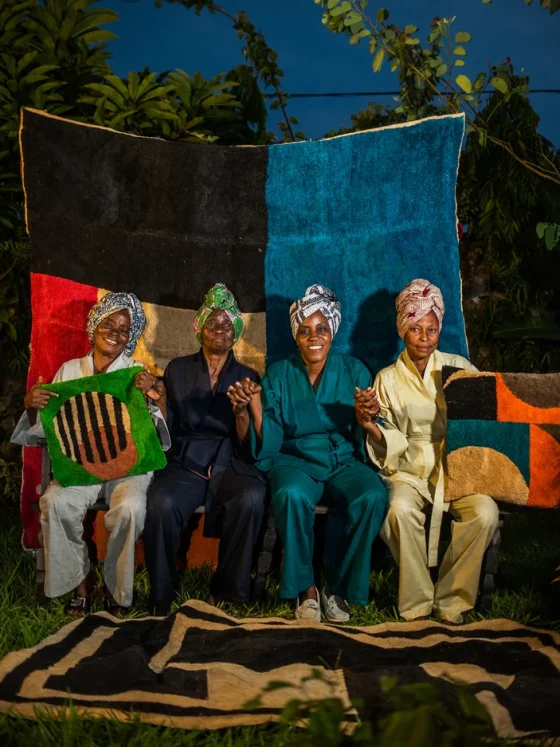
In 2026, having a unique perspective is more valuable than owning any product. We are now in the era of cultural capital, in which fashion serves as a record of human history and social change. Intellectual luxury stands out because it lets people become curators of meaningful stories.
This change comes from a strong desire for real expertise. People want to know the story behind each piece, and they prefer brands that protect heritage and support voices from around the world. For example:
- Loewe: With Jonathan Anderson as creative director, Loewe is now known as the ‘Art World’s Darling’. The Loewe Foundation Craft Prize supports artisans worldwide, demonstrating that absolute luxury is a sustainable, inclusive cycle of creativity that reaches from Spain to South Africa.
- Loro Piana: Called the “Knowledge Brand,” Loro Piana offers more than just wool; they share the science behind the world’s rarest fibres. Their work with the Vicuna Conservation Project shows that luxury is most meaningful when it helps protect nature.
- Grace Wales Bonner: Now guiding creative direction at brands like Hermès, Wales Bonner combines European tailoring with Afro-Atlantic influences. Her work is a lesson in inclusivity, showing that intellectual luxury should reflect the rich diversity of global history.
Monocle’s 2026 Fashion Report says that 80% of ‘Thinker-Consumers’ now look into a brand’s cultural impact before buying. In 2026, your wardrobe is like your resume. It shows what you value, who you support, and what you’ve learnt.
Conclusion
The move to Intellectual Luxury is complete. We are no longer in the era of ‘buying to show’, but instead in the era of ‘buying to know’. This change is more than a trend; it is a worldwide shift toward sustainability and inclusivity. Now, the value of a brand like Chloé or Loewe is judged by its cultural impact and ethical values.
In this new world, ‘eating’ means knowing how to pick pieces that show your mind as much as your style. Whether you choose the heritage-inspired designs of Wales Bonner or the simple honesty of Eileen Fisher, the message is clear: In 2026, the most incredible luxury is a well-informed perspective.
To see how our publication decodes the shift toward narrative-driven, sustainable luxury for the global reader, explore the intentional world of Omiren Styles.
FAQs:
- What is the difference between ‘Quiet Luxury’ and ‘Intellectual Luxury’?
While Quiet Luxury focuses on minimalism and high-quality basics without logos, Intellectual Luxury adds a layer of ‘Narrative Prestige.’ Intellectual Luxury emphasises the reasons behind the garment, including its historical references, specific sustainable innovations, or artisanal origins. It’s a luxury that requires a bit of ‘homework’ to appreciate truly.
- Is intellectual luxury actually more sustainable?
In 2026, yes. This movement values experience and expertise, so brands like Chloé and Gabriela Hearst prioritise circularity and traceability. Intellectual luxury is built on the idea of ‘heirloom fashion’, buying pieces designed to last decades and be passed down, directly fighting the waste of fast-trend cycles.
- Which brands are leading the ‘intellectual’ movement right now? The major power players for 2026 include:
- Loewe: For their focus on global craftsmanship and the ‘Art World’ aesthetic.
- The Row: For their unparalleled expertise in ‘Coded’ tailoring.
- Wales Bonner: For her inclusive approach to blending different cultural histories into high-end luxury.
- How can I start an intellectual luxury collection on a budget?
Intellectual luxury is about inclusivity, meaning the mindset is more important than the price tag. Look for ‘Accessible Luxury’ brands like Uniqlo U by Christophe Lemaire, or invest in high-quality vintage pieces. The goal is to find garments with a straightforward ‘narrative’ and high craftsmanship, regardless of brand name.
- Why is ‘Inclusivity’ a core part of this trend?
Intellectual luxury is driven by a global, thinking consumer; it must represent the diverse world we live in. Brands are now creating ‘Adaptive Elegance’ and ensuring that their narratives include voices from all backgrounds. In 2026, a brand that isn’t inclusive is no longer considered ‘intellectual’ or ‘luxurious’.