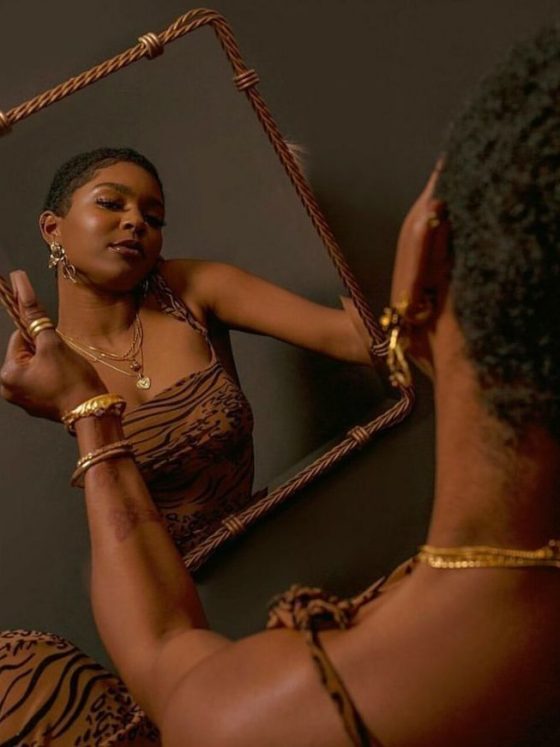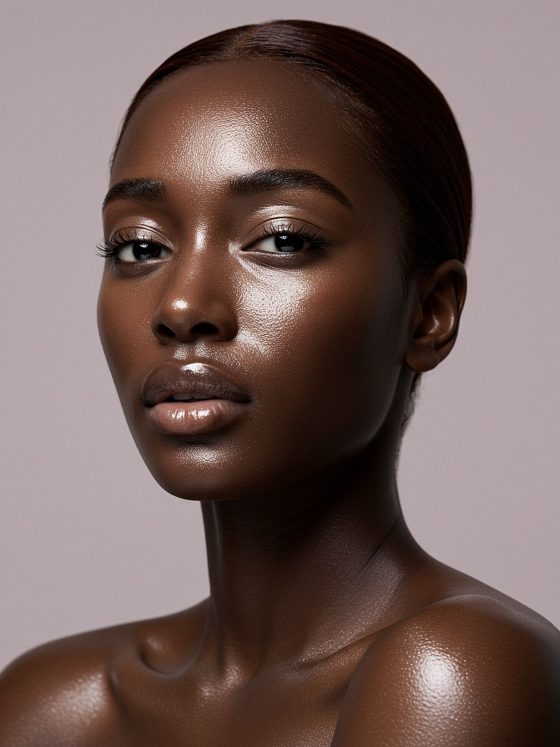
The global beauty standard has changed. It’s no longer about magazine covers but about data and technology. We are now in the era of the ‘Bio-Digital Mirror,’ where beauty means visible health and inner wellness instead of a single ideal. This new system values real expertise and authority over marketing, making your skin’s own biomarkers the new status symbol.
Brands are actively developing this new system, demonstrating their willingness to challenge conventional norms:
- L’Oréal Groupe is no longer just a traditional brand. They have become a leader in Beauty Tech. At CES 2026, they introduced new products, including the LED Face Mask and infrared light tools, that focus on long-term skin health and firmness, not just appearance. Their Skin Genius tool uses AI to analyse skin for all ethnicities, making inclusivity a real part of their products, not just a slogan.
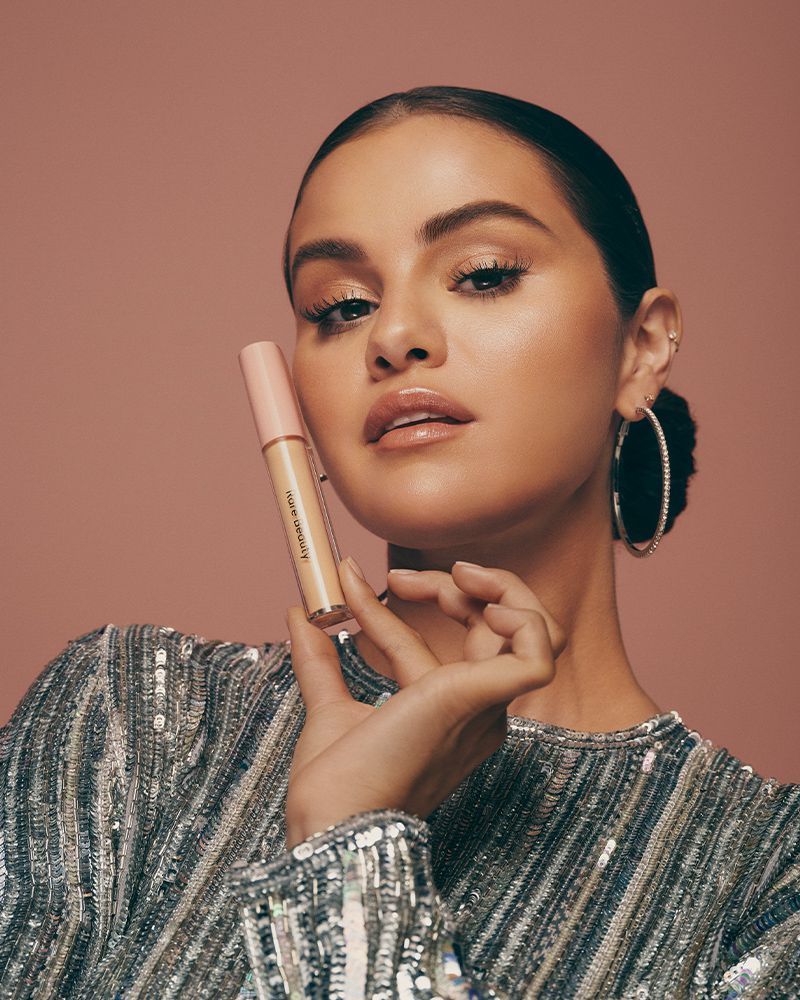
- Rare Beauty brings a human touch to the industry. Selena Gomez has made mental health and self-acceptance central to the brand, setting a new standard based on inclusivity. Through the Rare Impact Fund and a focus on individuality, they show that honesty is powerful. Their recent growth into more than 1,500 Ulta Beauty stores proves that people want a standard that values being real, not just being “perfect.”
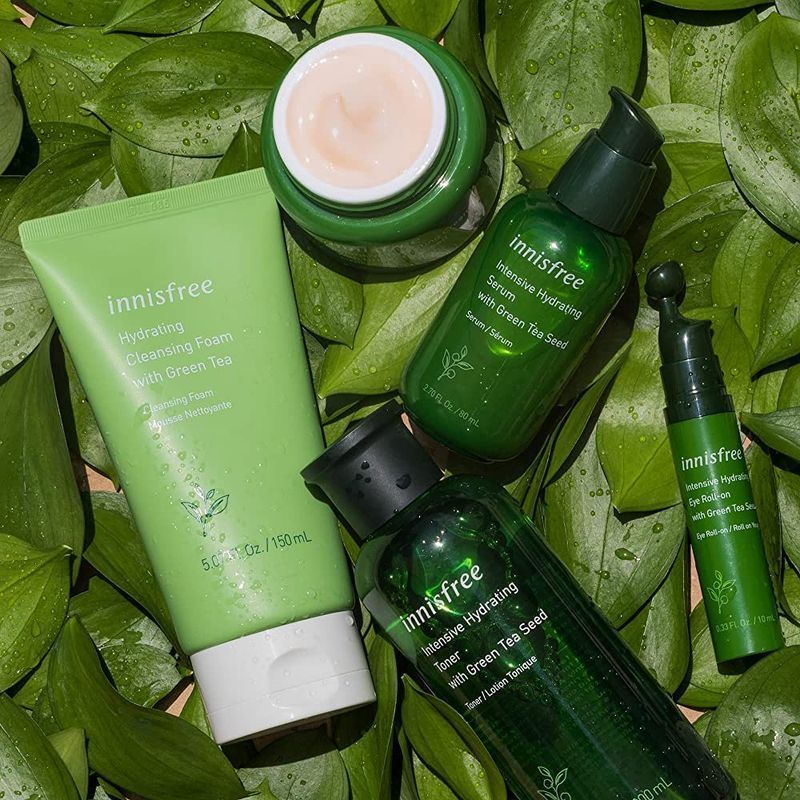
- Innisfree is leading the ‘Skinification’ trend in K-Beauty, showing that sustainability and healthy skin go hand in hand. They use ingredients like Jeju Green Tea PDRN and focus on keeping the skin barrier strong, making the “Internal Glow” something everyone wants. Their use of eco-friendly packaging and support for forest preservation also meet today’s consumers’ expectations.
The numbers support this change: 70% of people now see beauty as part of overall wellness. The focus has shifted. It’s not about looking “right” for others anymore, but about looking healthy for yourself.
See how the ‘Bio-Digital Mirror’ is changing what we think about beauty standards. L’Oréal is moving into biotech, and Rare Beauty is making beauty more inclusive. Now, visible health and real data are replacing unrealistic perfection. This is the new global standard for skin.
The Decentering of the ‘Universal’ Face
For years, the global beauty standard followed a Western-first model. This narrow, Eurocentric view labelled everything else as ‘alternative’ or ‘niche’. Now, that approach is fading. The industry is moving toward Cultural Legitimacy, where beauty is recognised as more than a one-size-fits-all idea. This change matters because it values real experiences and heritage-based knowledge, focusing on the unique needs of people around the world rather than merely meeting diversity quotas for publicity.
People who challenge the old ways are now shaping the new direction of the industry:
- Rare Beauty is changing what accessibility means. The brand demonstrated that true inclusivity extends to every part of design. By introducing easy-open packaging for people with limited mobility or chronic pain, Selena Gomez’s brand shifted the focus from appearance to the user’s experience. Their ‘Every Side of You’ campaign is now seen as an example of cultural legitimacy, sharing real stories that make the old, airbrushed beauty ideal seem outdated. This approach builds trust through empathy.
- L’Oréal is leading with its Big Bang Beauty Tech initiative, which decentralises research and development. By supporting startups in the SAPMENA region (South Asia, Pacific, Middle East, North Africa), L’Oréal is now addressing skin and hair issues that Western research often overlooked. This includes developing AI sensors to detect heat and humidity-induced hair damage and creating treatments for hyperpigmentation in melanin-rich skin. L’Oréal is making inclusivity a scientific standard.
- K-Beauty and brands like Innisfree have changed the global beauty scene with their ‘skin-first’ approach. They show that having a healthy, sustainable skin barrier is more important than focusing on correction. This shift moves away from Western ideas and instead highlights nourishment. Iannisfree’s use of Jeju Island botanicals adds a sense of heritage and expertise that appeals to people worldwide.
Data for 2026 shows that cultural alignment is now the top driver of brand loyalty. With 75% of consumers expecting brands to reflect their own cultural identity, ignoring global diversity is more than a missed trend; it quickly leads to losing relevance. People no longer want a universal look; they want brands that understand and represent them.
ALSO READ:
The Metabolic Glow
We’ve all reached a point where we’re tired of products that feel heavy and mask-like on our skin. Showing off isn’t about how much makeup you wear, but about how healthy your skin is. There’s a big shift happening toward Metabolic Beauty, where your natural glow reflects your inner health. This is a move toward sustainability and a focus on biological expertise, putting cellular repair ahead of mere cover-up.
If your skin barrier is “glitching,” the solution isn’t more concealer. It’s high-tech, bioavailable formulas that work at the molecular level to optimise your skin’s natural rhythm.
The leaders of this new era are brands that combine natural ingredients with advanced biotechnology:
- L’Oréal has invested heavily in synthetic biology, treating the skin’s microbiome as something that can be carefully managed. They use biocatalytic processes to produce ingredients that mimic the skin’s own protective systems, delivering clinical-level results without the usual side effects. This method is not just effective, it’s also highly sustainable. By making high-performance ingredients like bio-identical collagens in the lab, they help protect global biodiversity and reduce the need for land and water. It’s a trustworthy approach to beauty in a high-tech world.
- Rare Beauty Selena Gomez has set the standard for the “Post-Wellness” look, where being inclusive means letting your real skin show. Rare Beauty’s big 2026 expansion, including more than 1,500 new Ulta Beauty locations, has made them a leader in the “unfiltered” beauty space. Their products are light and breathable, designed to move with your skin. By focusing on mental well-being and easy-to-use packaging, they show that the best way to be inclusive is to let people be themselves.
- Innisfree As leaders in K-Beauty, Innisfree is changing what it means to have an “internal glow.” Their 2026 innovation, Green Tea PDRN, is a plant-based alternative to traditional salmon DNA treatments. By using volcanic clusters and fermented PDRN from Jeju Island, they’ve made sustainability part of a high-performance skincare routine. This is true “skin-vestment”: caring for your face with the same respect you give your body. It’s about building lasting resilience, not just a quick shine.
In 2026, if a product doesn’t support your metabolism, it’s just extra. We’re moving away from “status makeup” and focusing on real health, and the benefits are becoming clear.
Conclusion
The idea of a single global beauty standard has changed. Instead of chasing one ideal, people now focus on managing their own approach. We look for cultural acceptance and real knowledge about our bodies. Brands like L’Oréal use advanced diagnostics, Rare Beauty promotes inclusivity, and Innisfree highlights metabolism. The main takeaway is that being your best self, in your own way, matters most.
Today, your glow is more than just the products you use. It shows a commitment to sustainability, inclusivity, and personal care. We have moved beyond filters, and the real world feels more genuine and appealing.
The old rules of beauty are glitching, and we’re here for the fallout. To see how we’re translating this new era of cultural legitimacy into a lived-in, intentional lifestyle, take a look at the curated world of Omiren Styles.
FAQs
- What exactly is the ‘Bio-Digital Mirror’?
A: It’s the new infrastructure where your physical self meets your digital data. Instead of guessing your skin type, use tools like L’Oréal’s Skin Genius or Haut.AI uses advanced technology to scan your pores, hydration levels, and biomarkers. It’s a move from “buying a product” to “managing a system” tailored specifically to your biology.
- Is ‘metabolic beauty’ just another word for wellness?
A: Not exactly. Wellness is the vibe; metabolic beauty is the science. It’s about products that work with your skin’s internal functions, like cellular energy and microbiome repair, rather than just sitting on the surface. Brands like Innisfree are leading the way by using bioavailable ingredients that your skin actually recognises and “digests.”
- How is inclusivity changing beyond just shade ranges?
A: Inclusivity is now a technical requirement. It means AI diagnostics that are trained on all skin phototypes to avoid bias, and brands like Rare Beauty designing packaging for people with limited mobility. It’s about making sure the entire system, from the app to the bottle, works for everyone.
- Can beauty tech actually be sustainable?
A: Yes, but it requires expertise. High-tech brands are moving toward “green chemistry” and biotech-derived ingredients (lab-grown actives) to reduce the need for intensive farming. The system reduces the waste of “trial-and-error” shopping by utilising AI to ensure your routine is done the first time.
- Does more technology mean less human beauty?
A: Actually, it’s the opposite. The “Human Touch Revolution” is a response to the hyper-polished look of AI. While we use technology for the data, we’re craving products that feel “real.” That’s why the Rare Beauty aesthetic – real skin, real texture, and visible imperfections – is the ultimate authoritative flex right now.