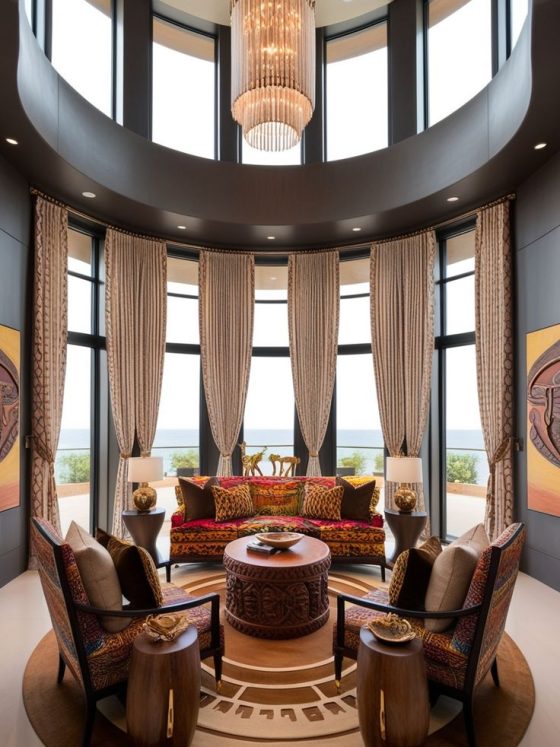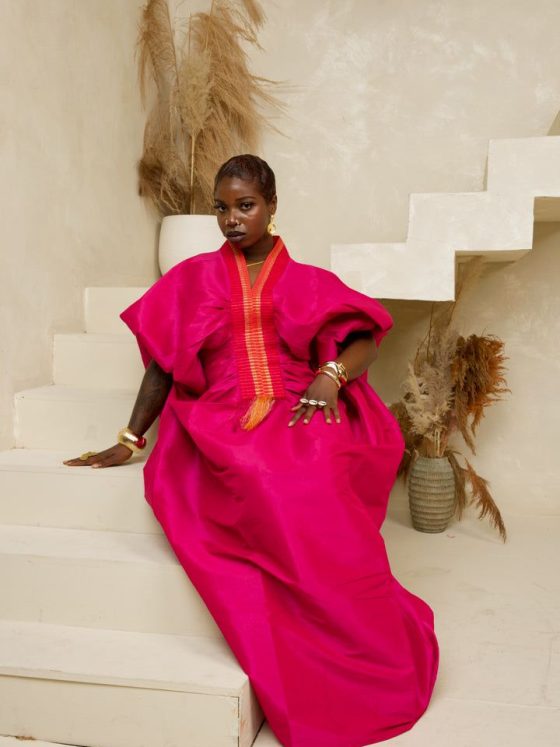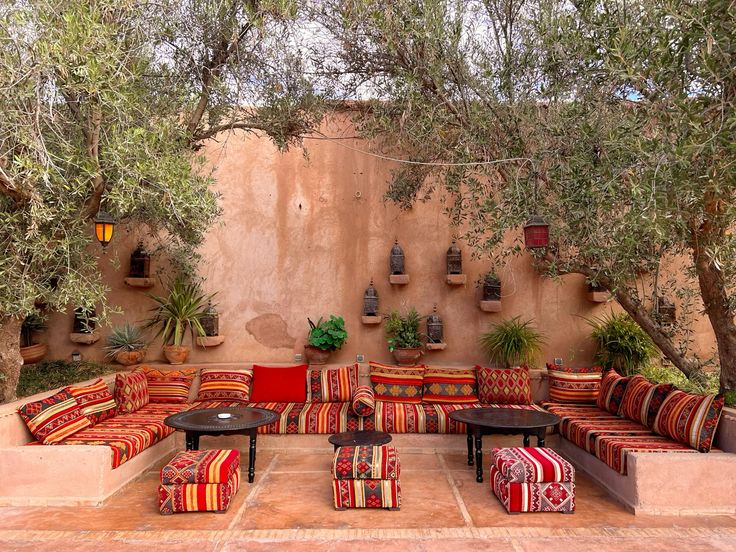
At sunset in Zanzibar’s Stone Town, elders still gather in open courtyards, seated on woven mats, exchanging stories as the call to prayer drifts through coral-stone walls. Thousands of kilometres away in Muscat, a similar rhythm unfolds inside the majlis, with men and women seated along cushioned walls, coffee poured with ceremony, and conversation flowing with quiet dignity.
These spaces were never accidental.
Long before Arabian fashion blended naturally with African clothing, Arabs and Africans were already speaking to each other across space, through hospitality, and in daily rituals. The majlis and the African courtyard are not merely architectural forms; they are social philosophies, designed for welcome, memory, hierarchy, and belonging.
In this article, you will learn how majlis culture in Arabia and courtyard traditions across Africa evolved in parallel, influenced one another through trade, faith, and climate, and how these shared values later shaped Arabian fashion, African clothing, and broader lifestyle expressions across Africa. You’ll also discover why hospitality became the silent bridge that united architecture, clothes, and cultural identity across the Indian Ocean world.
A cultural exploration of how Arab majlis and African courtyards became parallel spaces of hospitality, storytelling, governance, and everyday life, revealing deep Afro-Arab lifestyle connections shaped by climate, community, and tradition.
Understanding the Majlis: Arabia’s Social Heart
What Is a Majlis?
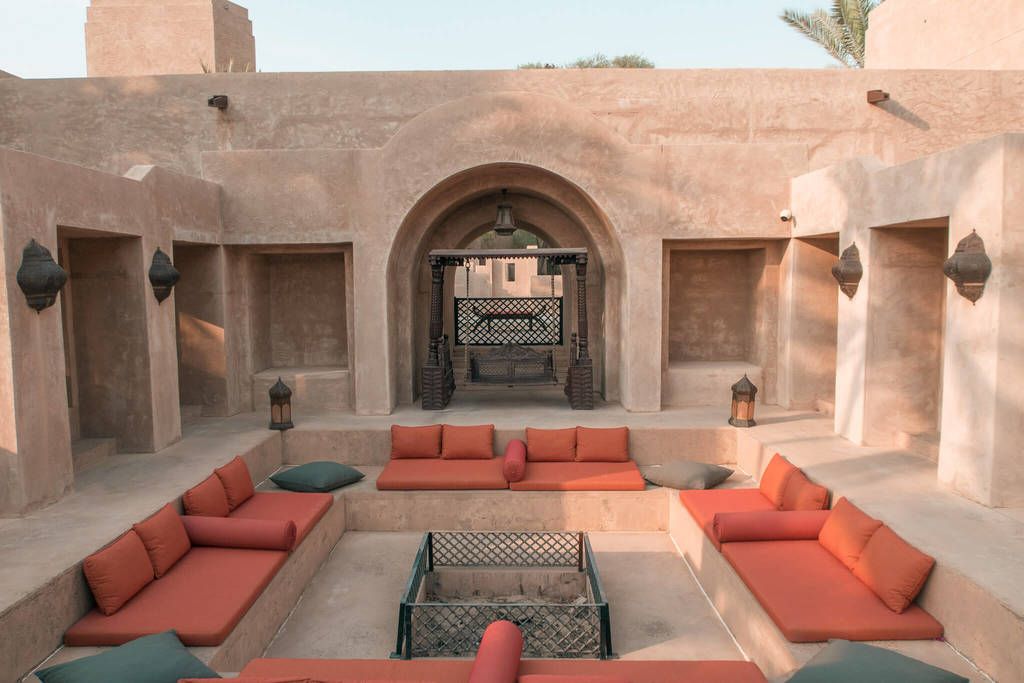
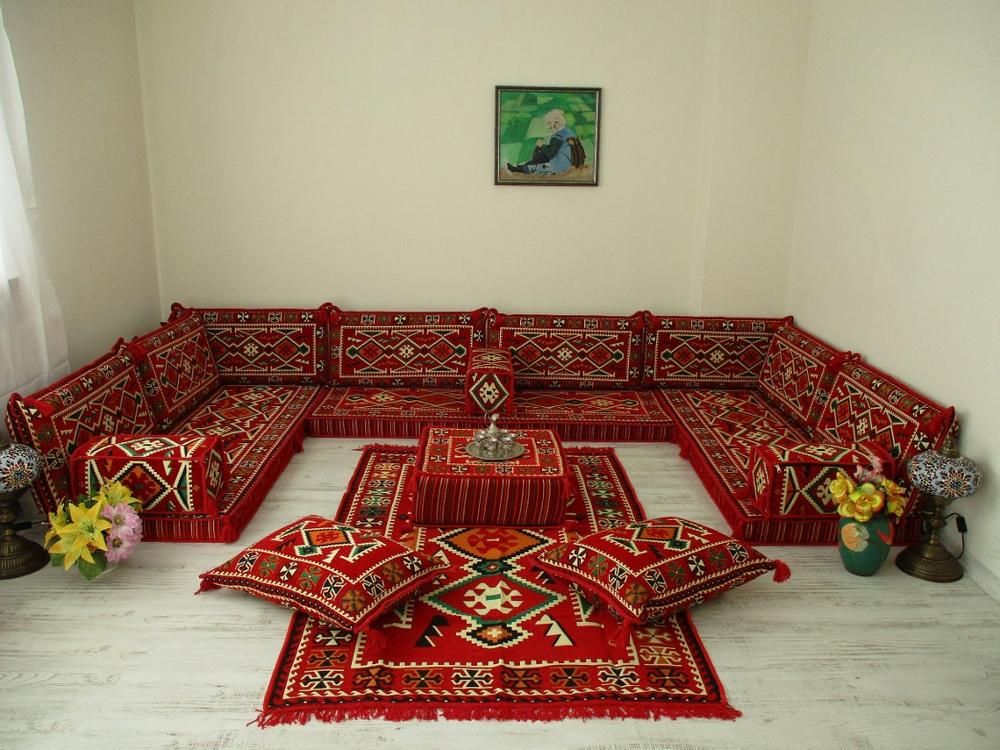
The word “majlis” comes from the Arabic root “jalasa”, meaning “to sit”. At its core, a majlis is a space of gathering, traditionally found in Arabian homes, palaces, and tribal settings. It is where guests are received, disputes resolved, poetry recited, and community decisions made.
But the majlis is not just a room. It is a code of conduct.
Hospitality in the majlis follows precise etiquette:
- Guests are welcomed regardless of status
- Coffee (gahwa) and dates are served first
- Seating reflects respect rather than wealth
- Conversation is measured, thoughtful, and inclusive
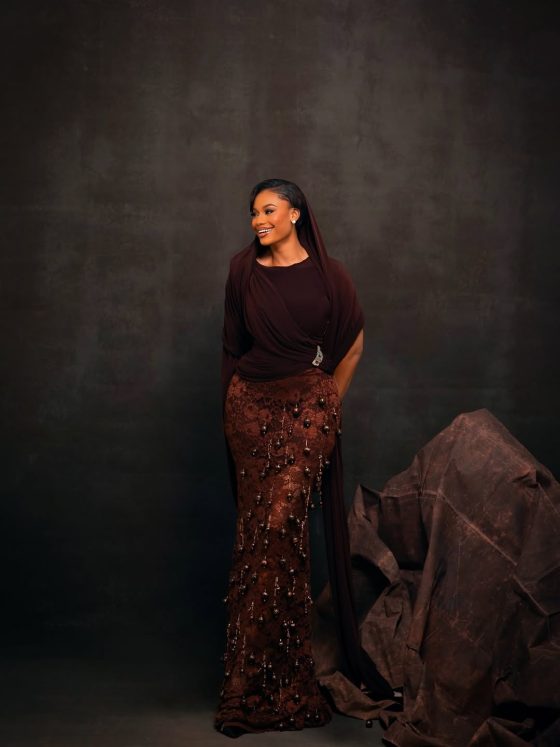
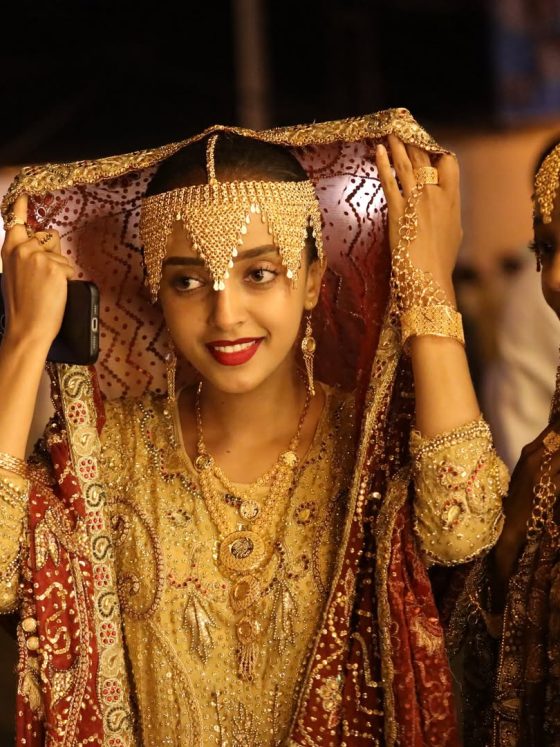
These principles shaped not only the Arabian lifestyle but also the Arabian fashion, which favoured loose garments like the thobe and abaya, clothes designed for sitting for long hours in comfort, dignity, and equality.
African courtyards serve as the continent’s open-air living rooms.
A Continental Tradition with Local Expressions
Across Africa, from Hausa compounds in Northern Nigeria to Swahili homes in coastal East Africa and Berber ksars in North Africa, the courtyard has long served as the social nucleus of the house.
Unlike European interiors, which are often designed for privacy, African courtyards are built for visibility, airflow, and community life.
They host:
- Family meetings
- Storytelling sessions
- Textile work and embroidery
- Meals shared from communal bowls
- Rituals tied to birth, marriage, and mourning
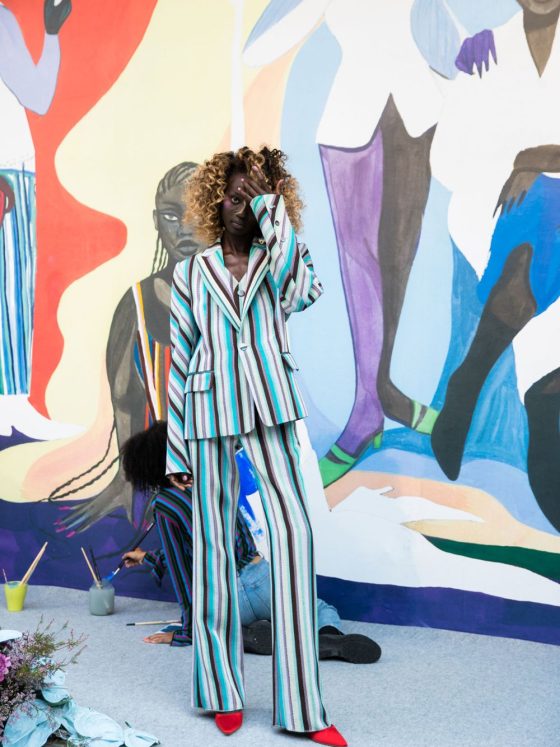
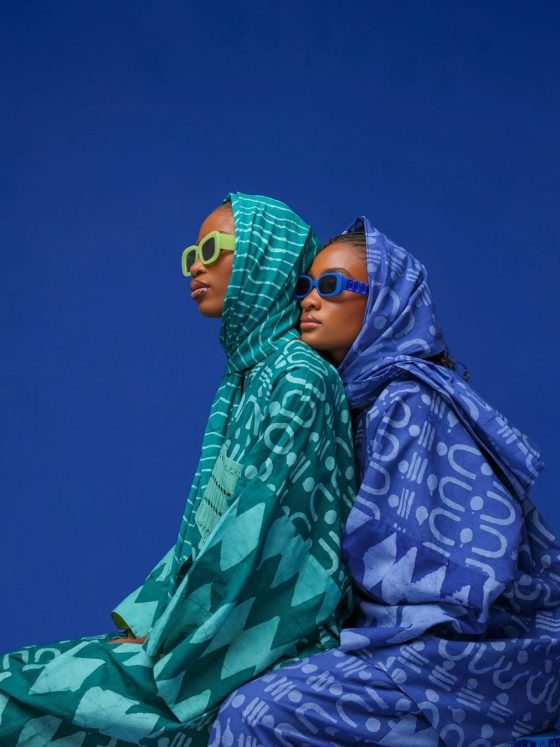
These spaces demanded clothing that allowed movement, airflow, and modesty, leading to flowing African clothing such as the boubou, jalabiya, kaftan, and wrapped garments that echo Arabian fashion in form and philosophy.
Shared Climate, Shared Solutions
Heat as a Cultural Architect
The climate is one of the most overlooked reasons why Arabian fashion blended naturally with African clothing.
The Arab region and large parts of Africa share:
- Intense heat
- Dry or humid coastal air
- Long outdoor social hours
Loose clothing, light fabrics, and layered garments were not aesthetic accidents; they were technological solutions.
Similarly, both majlis spaces and African courtyards:
- Maximise airflow
- Minimise direct sun exposure
- Encourage shaded socialisation
Fashion and architecture evolved together, responding to the same environmental realities across Africa and the Arabian Peninsula.
Trade Routes That Carried More Than Goods
From as early as the 8th century, Arabian traders from Oman and Yemen established settlements along the East African coast, including Zanzibar, Mombasa, Lamu, and Kilwa. These were not colonies in the European sense, but interwoven communities built on marriage, faith, and trade.
Within these homes:
- Majlis etiquette met African courtyard customs
- Arabian fashion merged with African textiles
- Hospitality rituals blended seamlessly
Swahili culture emerged from this fusion, neither entirely Arab nor African, but distinctly Afro-Arab.
Hospitality as a Shared Moral System
In both Arabian and African societies, hospitality is not optional; it is a moral law.
In Arabia, refusing a guest is considered dishonourable.
In Africa, especially across the Sahel and Swahili Coast, a guest is regarded as a blessing.
This shared ethic formed:
- Home design (open courtyards and majlis rooms)
- Clothing choices (modest, generous silhouettes)
- Social rhythms (extended visits, shared meals, storytelling)
Arabian fashion and African clothing both evolved to honour the guest, never restrictive, never ostentatious, always respectful.
How Lifestyle Shaped Fashion: From Space to Silhouette
Clothing Designed for Sitting, Sharing, and Serving
When people sit cross-legged for hours, host guests frequently, and move between indoor and outdoor spaces, fashion adapts.
This is why across Africa and Arabia:
- Clothes are loose, not tailored tightly
- Fabrics drape rather than cling
- Embroidery is symbolic, not excessive
These shared lifestyle needs explain 5 reasons Arabian fashion blended naturally with African clothing:
- Similar climates required breathable garments
- Hospitality demanded comfort and modesty
- Social gatherings prioritised sitting and movement
- Spiritual values favoured humility over display
- Trade enabled textile and design exchange
Fashion became an extension of social ethics.
Women, Courtyards, and Quiet Authority
African courtyards and Arabian majlis traditions also shaped women’s spaces of influence.
While men often hosted public guests, women managed inner courtyards and controlled domestic hospitality.
- Managed inner courtyards
- Controlled domestic hospitality
- Preserved textile traditions
Loose African clothing and Arabian garments allowed women to move freely while maintaining privacy, reinforcing dignity rather than limitation.
This is where fashion became power without spectacle.
ALSO EXPLORE:
- Top Powerful Afro-Arab Fashion Symbols and Their Cultural Meanings
- Dressing for Heat: How Arab Design Principles Shaped Climate-Smart African Fashion
- Top 10 African Traditional Clothes with Clear Arabian Fashion Influence
Modern Echoes in Contemporary Afro-Arab Design
Tradition Reimagined, Not Replaced
Today, designers across Africa and the Middle East draw consciously from these shared traditions:
- Courtyard-inspired fashion shows
- Majlis-style brand storytelling
- Flowing silhouettes rooted in heritage
From Dubai to Dakar, modern fashion still reflects ancient values of space, hospitality, and human connection.
Majlis culture and African courtyards remind us that fashion does not begin with fabric; it starts with how people live.
Before Arabian fashion blended with African clothing, before clothes became symbols of identity, there were spaces built for welcome, conversations shaped by respect, and lifestyles rooted in shared humanity.
At Omiren Styles, we tell these stories not as nostalgia, but as living knowledge, proof that Africa and Arabia were never strangers, but long-standing partners in culture, hospitality, and style.
Visit Omiren Styles for a deeper exploration of Afro-Arab fashion, lifestyle, and cultural heritage, where we interpret clothing as a reflection of a culture that is never silent.
FAQs
1. What is the main similarity between a majlis and an African courtyard?
Both serve as central spaces for hospitality, conversation, and community life.
2. Did Arabian traders influence African home design?
Yes, especially along the Swahili Coast, where architectural and lifestyle practices merged through trade and intermarriage.
3. How did these spaces influence clothing styles?
They required loose, breathable, modest garments suitable for sitting and extended social gatherings.
4. Is Swahili culture Arab or African?
Swahili culture is Afro-Arab, a blend shaped by centuries of exchange [to be verified].
5. Why is hospitality central to both cultures?
Because social survival in harsh climates depended on mutual care, trust, and generosity.