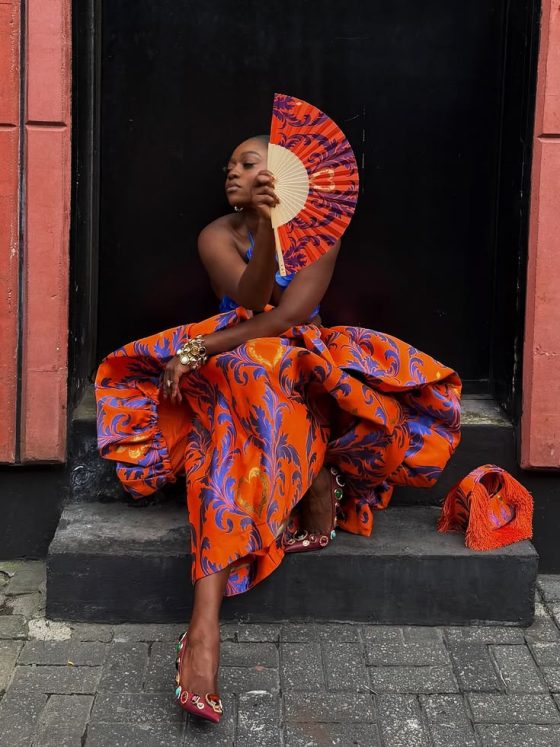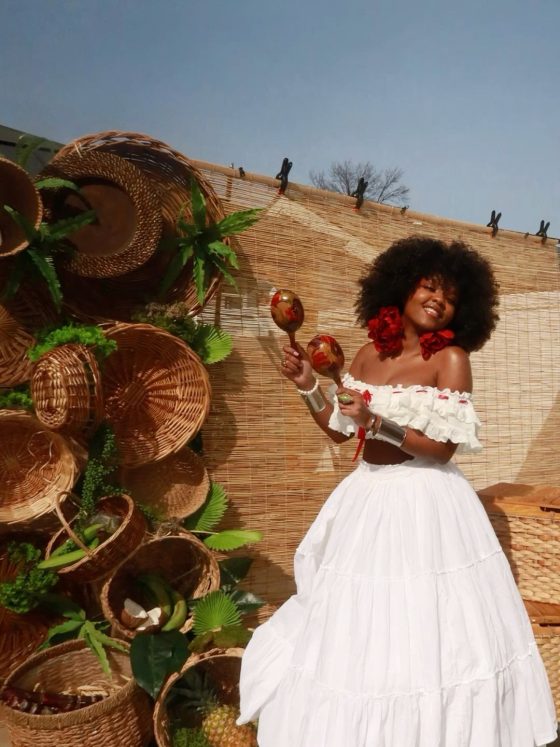
Right now, Brazil’s in the middle of a cultural revival that’s difficult to ignore. Afro-Brazilian heritage, once pushed aside or misrepresented, is finally getting the spotlight, at home and around the world. In 2024, Brazil broke its own record for international arrivals, with over 6.6 million foreign visitors, up more than 12 per cent from last year. That’s not just a tourism bump; it’s the result of a real push by the government to showcase Brazil’s African roots. However, this renaissance extends far beyond mere statistics or government initiatives. It’s changing how Brazilians see themselves, how global art markets value African spirituality, and how communities descended from enslaved Africans are taking back their stories. You can feel it everywhere, from Candomblé temples in Salvador showing up in mainstream galleries to samba schools putting Afro-Brazilian pride front and centre. This movement proves cultural reclamation requires both big institutions and people on the ground to work together.
Explore the Afro-Brazilian cultural renaissance reshaping global art, music, and tourism through heritage reclamation, spirituality, and contemporary innovation.
The Sacred Entering the Gallery
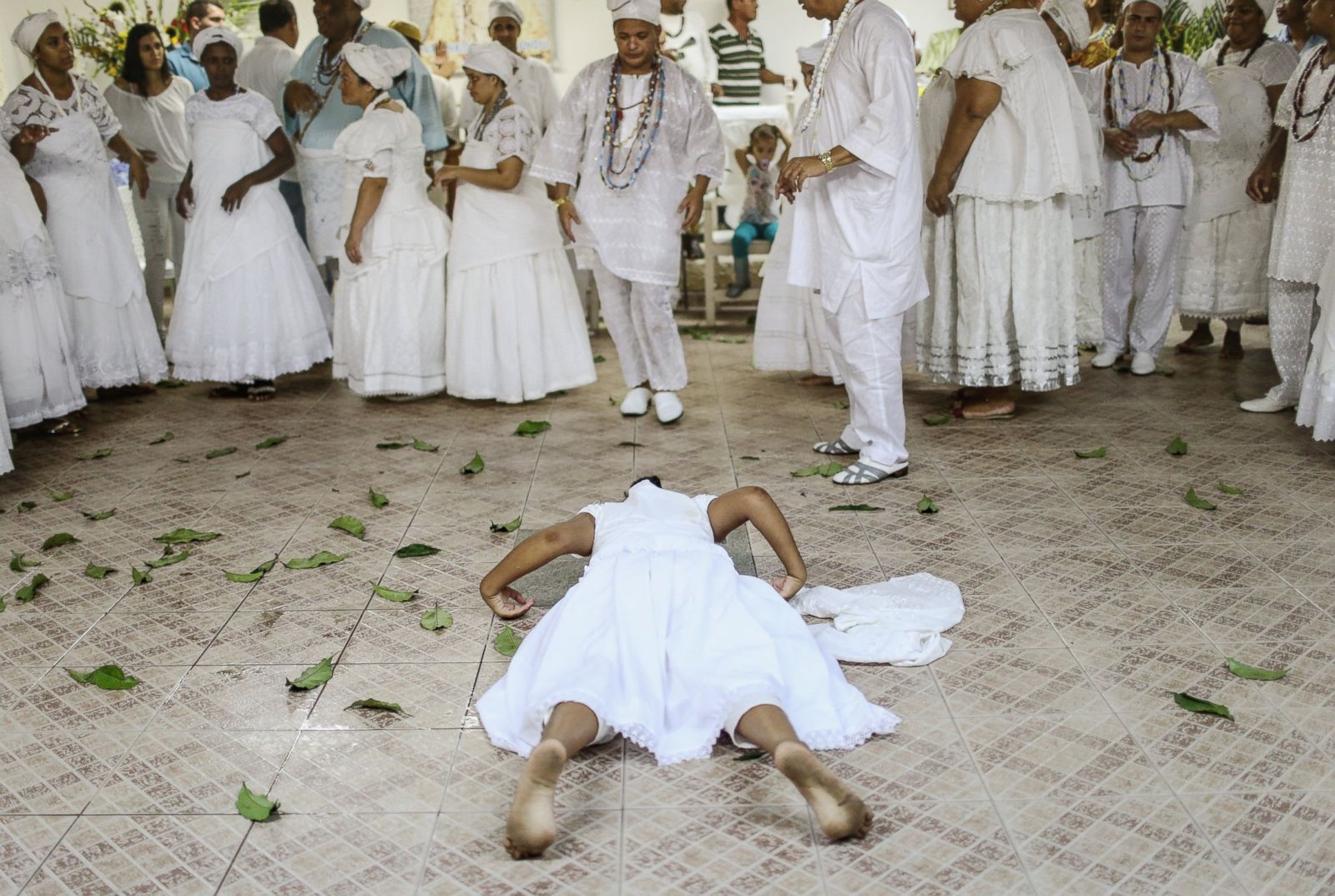
Look at what’s happening with Candomblé, the Afro-Brazilian religion. Suddenly, it’s a significant reference point for young artists. At Art Basel Miami Beach, Galatea exhibited José Adário dos Santos’s iron statues, works you’d usually find in Candomblé temples, not art fairs. It’s wild, since people in Brazil used to call this “arte popular”, as if it were somehow less severe than fine art. That’s changing. Now, artists like Santos are finally getting their due.
This shift, from “folk art” to respected fine art, says a lot about where the Renaissance is heading. It’s breaking down old hierarchies that treated African-rooted culture as a craft rather than art. Nádia Taquary, for example, is known for exploring Afro-Brazilian sacred traditions and Black female power. Her installation, Tree of Ancestors, made waves at the 36th São Paulo Biennial. Ayrson Heráclito’s work dives deep into the symbols and rituals of Candomblé, but not in a detached, academic way. For him, it’s a living spiritual framework that shapes every creative choice he makes.
Then there’s Antonio Sergio Moreira, whose sculptures bridge the sacred and the everyday, the old and the new. He draws directly on African and Afro-Brazilian traditions to discuss identity, prejudice, and diaspora. This whole movement insists on something powerful: spirituality and contemporary art doesn’t have to be in separate rooms. Orixás belong in the gallery just as much as Christian icons ever did in Western art.
How Music Pushes the Afro-Brazilian Renaissance Forward
Music’s right at the heart of all this. Lia de Itamaracá, who’s 81 and hails from Pernambuco, teamed up with Daúde, 64, from Bahia. Their album, Pelos Olhos do Mar (Through the Eyes of the Sea), features both remakes and new tracks written with some of Brazil’s top musicians, like Emicida, Céu, Russo Passapusso, and Karina Buhr. Recently, Congress officially recognised Lia’s work at Ciranda as national cultural heritage. That’s a big deal. It shows this renaissance doesn’t just need market buzz; it needs official recognition.
Spotify’s AMPLIFIKA Day, which kicked off in 2021, has turned into an annual celebration of Afro-Brazilian expression. Artists, fans, and cultural leaders come together to honour the stories that shaped Brazil. Luciana Paulino, who heads artist partnerships at Spotify Brazil, put it plainly: “AMPLIFIKA was born to give visibility to Black artists, but what we see today goes beyond that; it’s a cultural transformation celebrating not only art but also the stories, places, and futures inspired by Brazilian Black music.”
But it’s not just about individual stars. The infrastructure’s changing too. Streaming platforms, festivals, and government programmes make sure this movement lasts. Genres like samba, axé, and maracatu remind everyone where Brazil’s musical identity comes from: African rhythms blended with European and Indigenous influences. Samba is practically the country’s heartbeat, especially during Carnival, and it all traces back to enslaved Africans. What has changed since then? People are now vocalising this fact and acknowledging its true origins. This renaissance isn’t about erasing the past; it’s about finally telling the whole story.
READ ALSO:
- Fitness Influencers Redefining Strength, Style, and Global Wellness
- Healing Foods: Ancestral Wisdom for Modern Wellness
- Royal African Beauty Rituals: Power, Craft, and Modern Elegance
Tourism as Cultural Reclamation
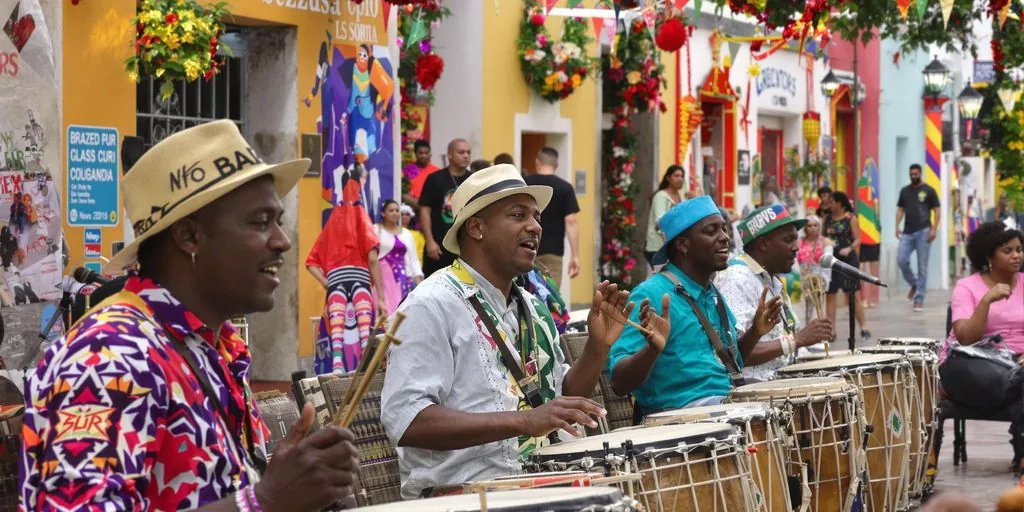
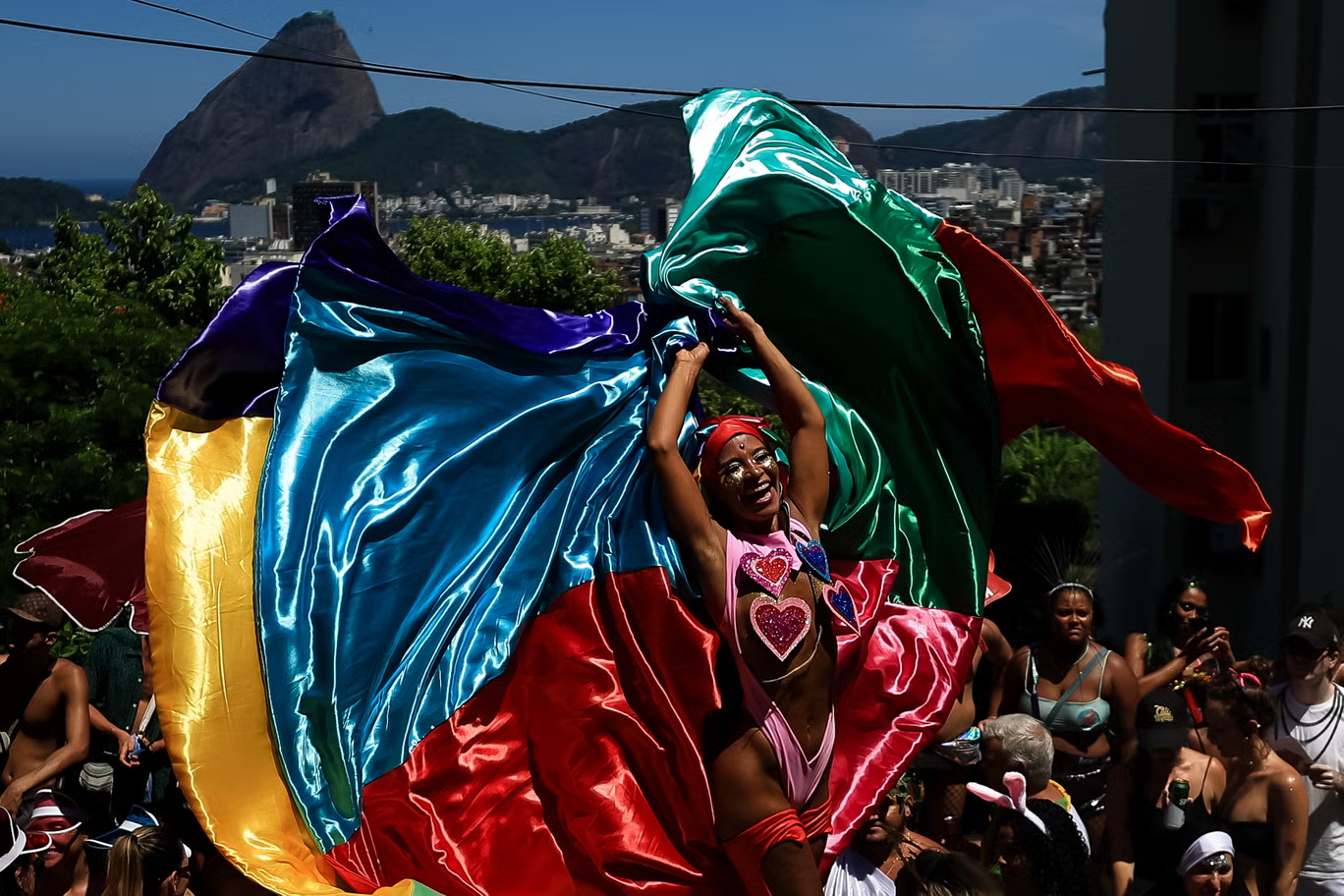
During Carnival 2025, Rio pulled many international visitors. This year, the city’s samba schools made a point of honouring the event’s Afro-Brazilian roots. You could see it everywhere; floats celebrating African heritage rolled through the streets. Beija-Flor won the top prize with a parade that radiated Afro-Brazilian cultural pride.
Just next to Valongo Wharf, you’ll find Pequena África, Little Africa, a neighbourhood that became a haven for the descendants of enslaved Africans. This is where Afro-Brazilian culture really started to bloom, giving birth to samba and shaping Carnival itself. Walk through the area, and you’re surrounded by murals, dancers, musicians, and icons like Conceição Evaristo and Mercedes Baptista, the first Black woman to join Rio’s municipal ballet back in 1948. The art here isn’t just decoration; it’s a living tribute to Brazil’s African roots.
Currently, this surge of Afro-Brazilian culture is changing how people travel. Instead of just coming to watch, visitors want to connect; they’re going to Candomblé ceremonies, learning capoeira, and joining percussion workshops. It’s not about treating culture like a spectacle; it’s about seeing Afro-Brazilian communities as keepers of knowledge. In Salvador da Bahia, where the African heritage runs deep, you taste it in the food, hear it in the music, and feel it in every dance and spiritual ritual.
Why Does the France-Brazil Cultural Exchange Matter?
This year, France and Brazil are teaming up for a cultural season like no other. Imagine this: a Brazilian parade winds from the Champs-Élysées to the Grand Palais, packed with live music, DJ sets, dances, and a wild burst of colours. Alberto Pitta, famous for his bold prints and leadership in Bahia’s Carnival, heads up the Afro blocks, such as Cortejo Afro, bringing Afro-Brazilian pride to the world stage.
Events like these matter. When museums like the Musée d’Orsay or the Grand Palais spotlight Brazilian artists and Carnival culture, they’re saying that Afro-Brazilian art deserves the same respect as any European masterpiece. These exhibitions go beyond mere visuals, discussing Brazil’s connection with nature and showcasing the richness of global diversity. Roda de Samba performances turn these grand French spaces into celebrations of Afro-Brazilian music and life.
The Role of Dance and Movement
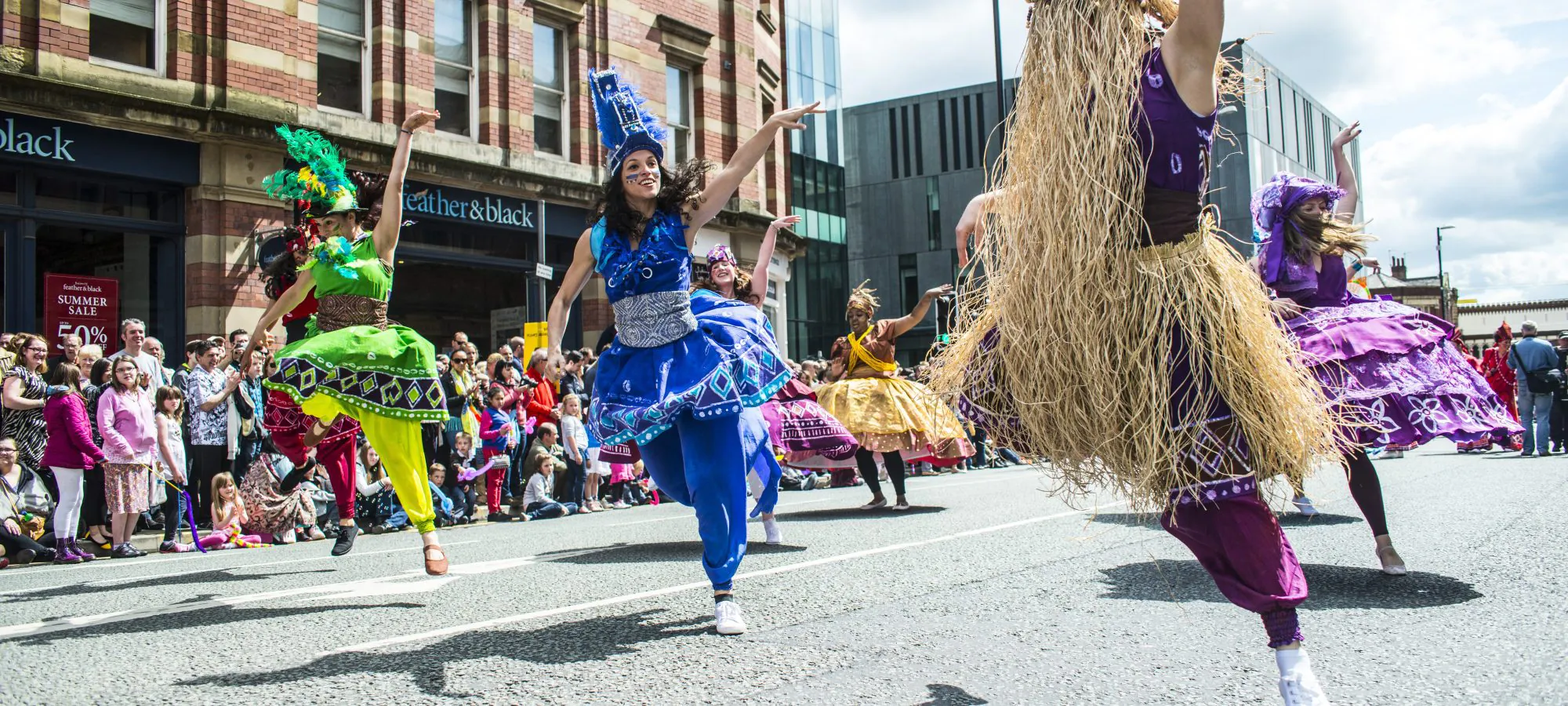
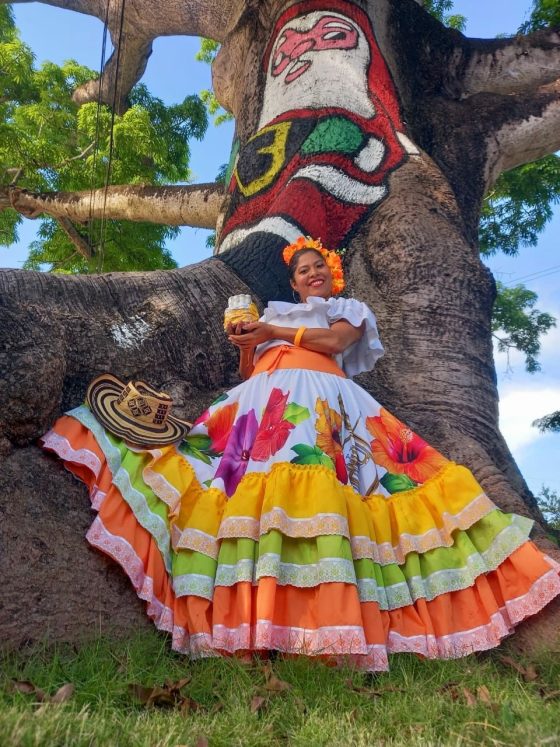
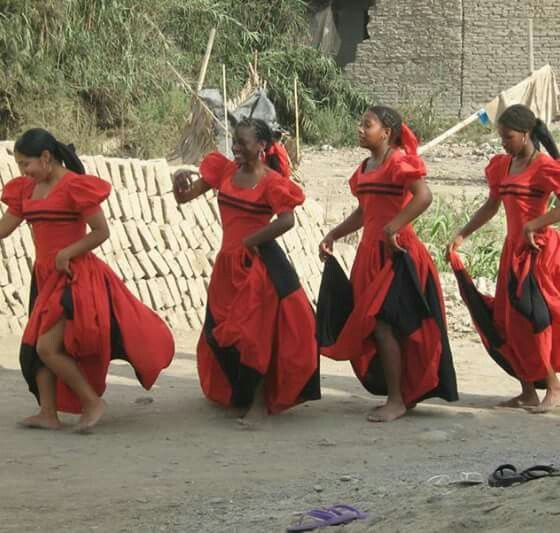
Dance is at the heart of this cultural wave. Take Street Dance Orixás, a performance still in the works, where traditional Afro-Brazilian dancers and hip-hop artists come together to embody the Orixás, the spiritual ancestors of Candomblé. Afro-Brazilian dance isn’t just movement; it’s a living story. It passes down spiritual wisdom, history, and a sense of community, telling stories that words alone can’t hold.
These dances capture everyday life, planting, harvesting, making food, or hunting. They also mark life’s milestones: a king’s arrival, a leader’s crowning, and even death. By blending the old with the new, mixing Orixás, Samba de Roda, Samba Reggae, and Samba Afro, dancers keep tradition alive while giving it a fresh twist.
Economic Implications
This cultural revival isn’t just beneficial for the soul; it’s also putting money in the pockets of people who’ve long been shut out. Tourism dollars, art sales, streaming royalties, and jobs at festivals – all of it adds up. When Afro-Brazilian artists see their work selling in international galleries, when samba schools get real support, and when Black Brazilian musicians dominate streaming charts, cultural recognition finally comes with economic justice. Maria Auxiliadora’s art, which celebrates Afro-Brazilian heritage, sold at ArtRio right alongside Brazil’s top contemporary artists. There’s real demand for what these communities create, and that’s changing the game.
Frequently Asked Questions
What is Afro-Brazilian culture?
Afro-Brazilian culture is this vibrant mix of music, religion, dance, food, and art in Brazil, all shaped by African roots. Think samba, axé, maracatu; those rhythms come straight from African traditions. Religions like Candomblé and Umbanda, dance styles like capoeira, flavourful food, and bold visual art are all part of the story. Centuries ago, enslaved Africans brought their customs across the Atlantic. Over time, those traditions blended with Indigenous and European ways, but the African spirit never disappeared. You can still feel it everywhere.
Why is the Afro-Brazilian cultural renaissance happening now?
There’s a real surge in Afro-Brazilian culture today for several reasons. The government is now attentively providing support. The international art world is hungry for African diaspora stories and spirituality. Streaming platforms are helping Black Brazilian musicians reach broader audiences. Social movements continue to push for fairness and visibility. And honestly, Afro-Brazilian communities themselves are tired of being overlooked; they’re telling their stories and making sure they benefit from their own work. People are reclaiming their places and cultures after years of marginalisation.
What is Candomblé’s role in contemporary art?
Candomblé, an Afro-Brazilian religion that honours Orixás, or African deities, has had a big influence on young Brazilian artists. You see people like Ayrson Heráclito, Nádia Taquary, and José Adário dos Santos bringing Candomblé’s symbols, rituals, and cosmology right into their art. What used to get brushed off as “folk art” now hangs in galleries, earns museum respect, and sells for real money. Candomblé isn’t just a spiritual path; it’s shaping Brazil’s art scene right now.
How can tourists experience Afro-Brazilian culture respectfully?
If you want to experience Afro-Brazilian culture as a tourist, do it with respect and curiosity. Go on guided tours of historic sites like Pequena África or the Valongo Wharf in Rio. Wander through Salvador’s Pelourinho district. Ensure you have the necessary permission before accepting an invitation to participate in a Candomblé ceremony. Try a capoeira or percussion workshop. Eat at Afro-Brazilian-owned restaurants. Spend time at cultural centres that treat local communities as experts, not just performers. What is the most crucial aspect to consider? Show up to learn, not just to consume.
What cities are central to Afro-Brazilian culture?
Start with Salvador da Bahia, which is home to the largest Afro-descendant population in Brazil and brims with African influence. You’ll find Candomblé temples, Afro-blocos, and Carnival traditions everywhere. In Rio de Janeiro, the Pequena África district gave birth to samba and holds key historical sites. Pernambuco is where traditions like ciranda and maracatu thrive. And São Paulo? It’s buzzing with modern Afro-Brazilian art. Each city brings something unique, but together, they form the heart of Brazil’s Afro-Brazilian cultural landscape.