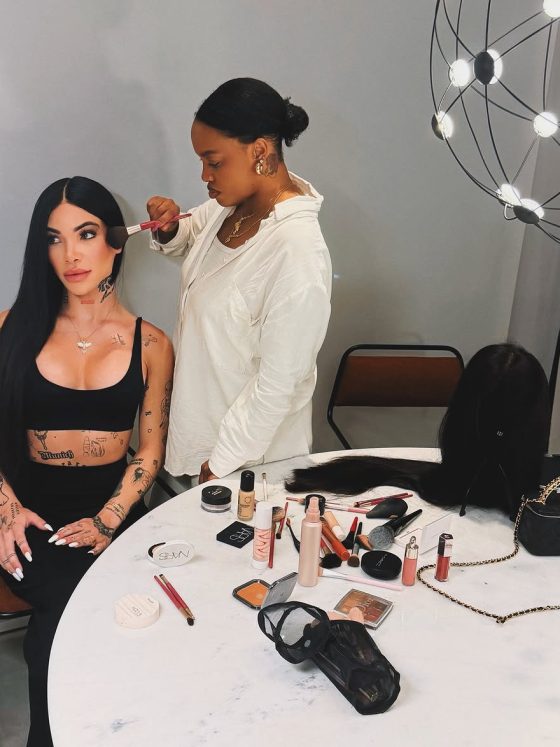
Every iconic beauty campaign begins long before the shutter clicks. It starts with hands that understand skin as both canvas and culture. Despite their absence from headlines, makeup artists play a crucial role in shaping the memory of fashion houses, beauty brands, and luxury campaigns. They translate creative direction into emotion, heritage into modernity, and identity into visual language.
In an era where beauty imagery travels instantly across continents, makeup artists sit at the intersection of craft, commerce, and culture. Their work defines moods, sets trends, and quietly influences how beauty is perceived globally. From Paris runways to Lagos studios, these artists are shaping campaigns that feel both aspirational and grounded, global yet deeply rooted.
From runway to billboards, explore the makeup artists shaping iconic global campaigns and redefining beauty through culture, craft, and modern luxury storytelling.
Makeup is a Visual Strategy, Not a Decoration
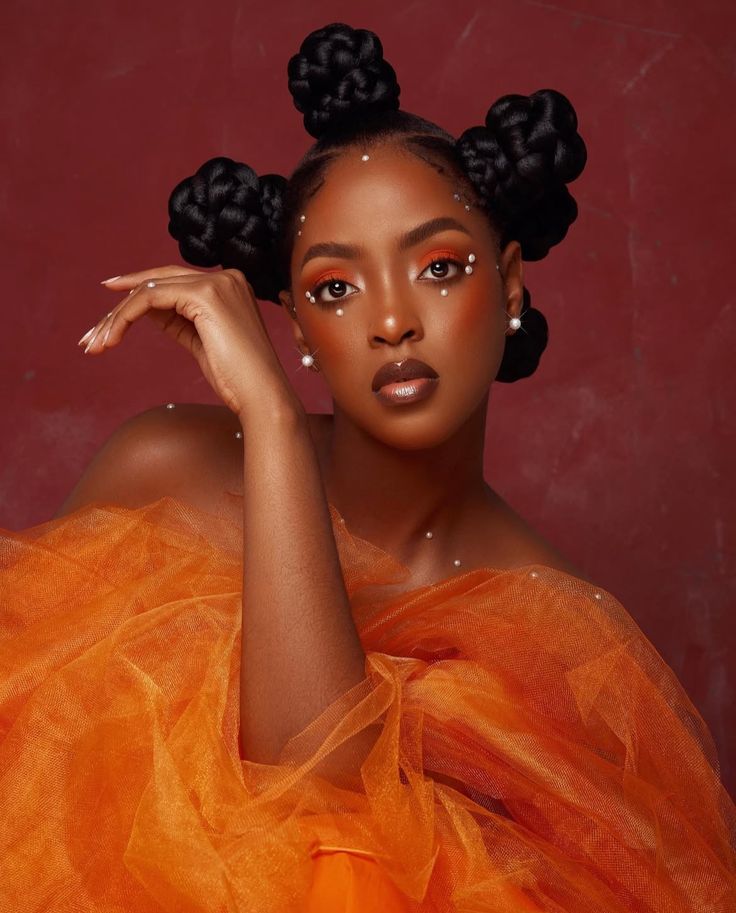
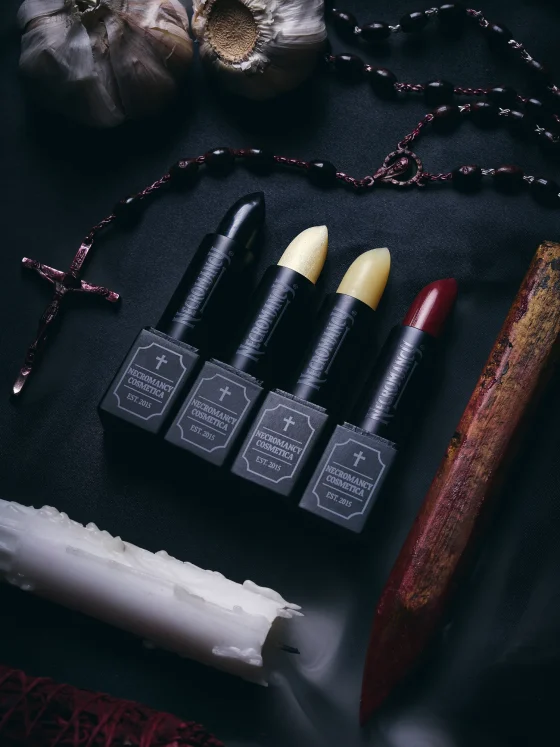
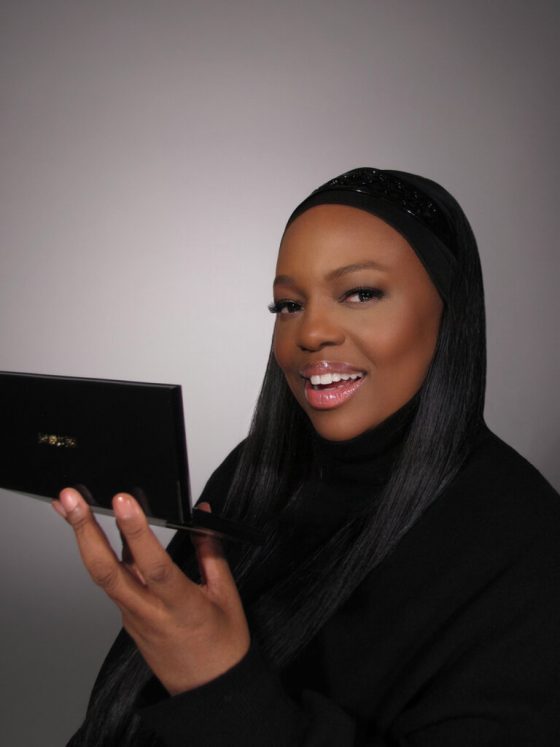
In high-impact campaigns, makeup is never an afterthought. It is a strategic layer of storytelling. Artists like Pat McGrath, Lucia Pica, and Val Garland approach space the way architects do. Every pigment choice, texture, and finish reinforces the campaign’s message.
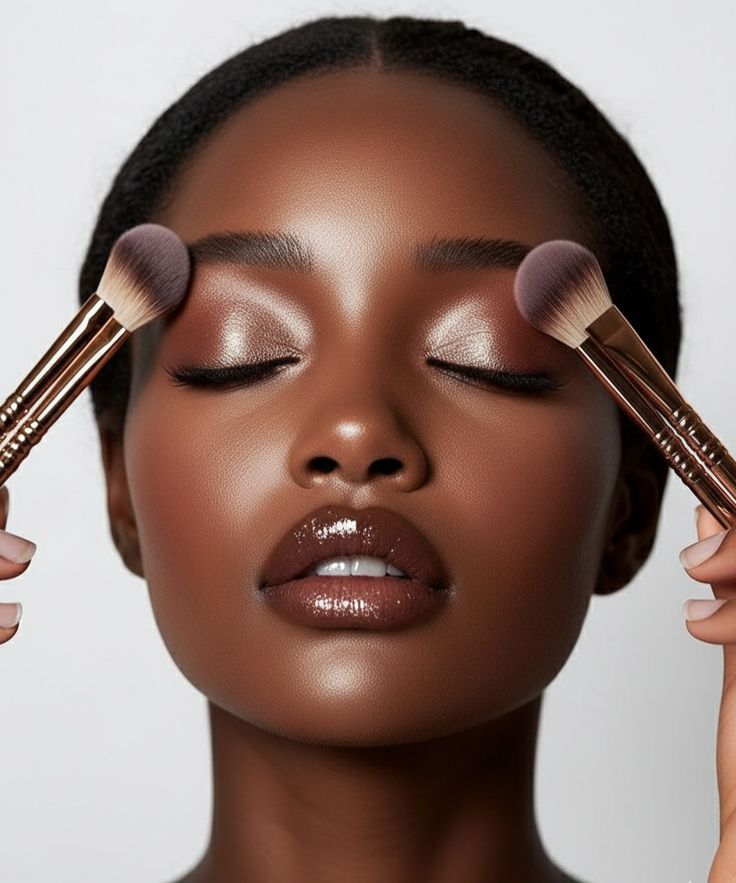
Luxury brands rely on makeup artists to visually interpret themes such as power, softness, futurism, or nostalgia. A bare, luminous complexion can signal modern restraint. A bold, sculptural eye can communicate rebellion or artistic freedom. These decisions influence how a campaign is read before a single word is absorbed.
This is where expertise matters. True mastery lies in restraint as much as boldness, knowing when to amplify and when to disappear.
Craftsmanship Rooted in Culture
The most enduring campaigns often draw from cultural references without leaning into costume. Makeup artists with global relevance understand how to subtly weave heritage into modern visuals.
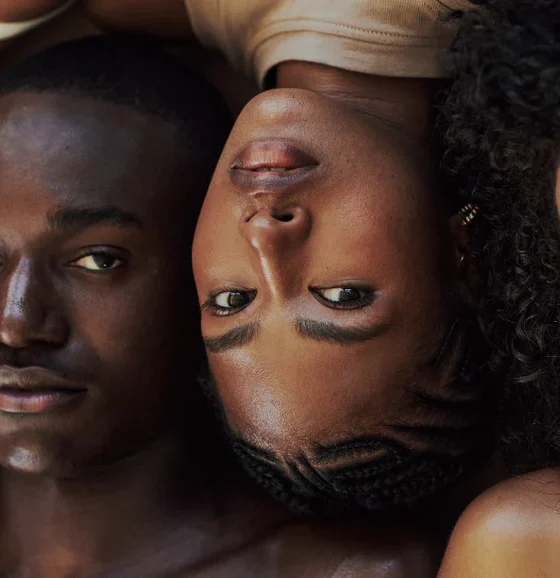
Pat McGrath’s work, for example, frequently reflects diasporic influences. Her campaigns celebrate deep skin tones, unconventional textures, and historical beauty codes reimagined for contemporary luxury. The result feels expansive rather than performative.
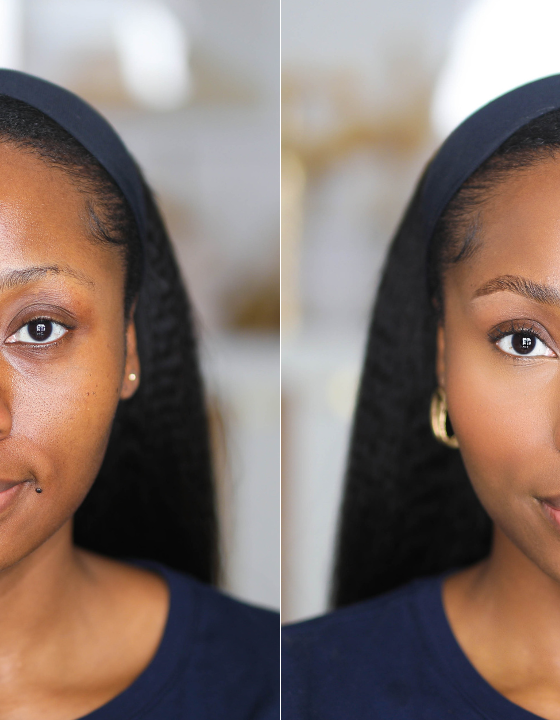
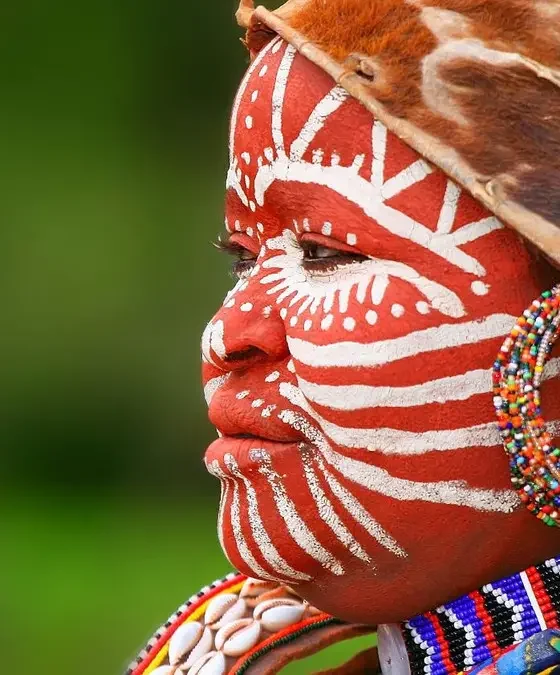
African beauty traditions, from the use of earth pigments to skin-first philosophies, are increasingly influencing global aesthetics. Modern makeup artists borrow these principles to create looks that honour their natural features rather than mask them. This shift aligns with a broader movement toward cultural craftsmanship, where beauty is about preservation and evolution rather than erasure.
READ ALSO:
The Campaign as a Cultural Artefact
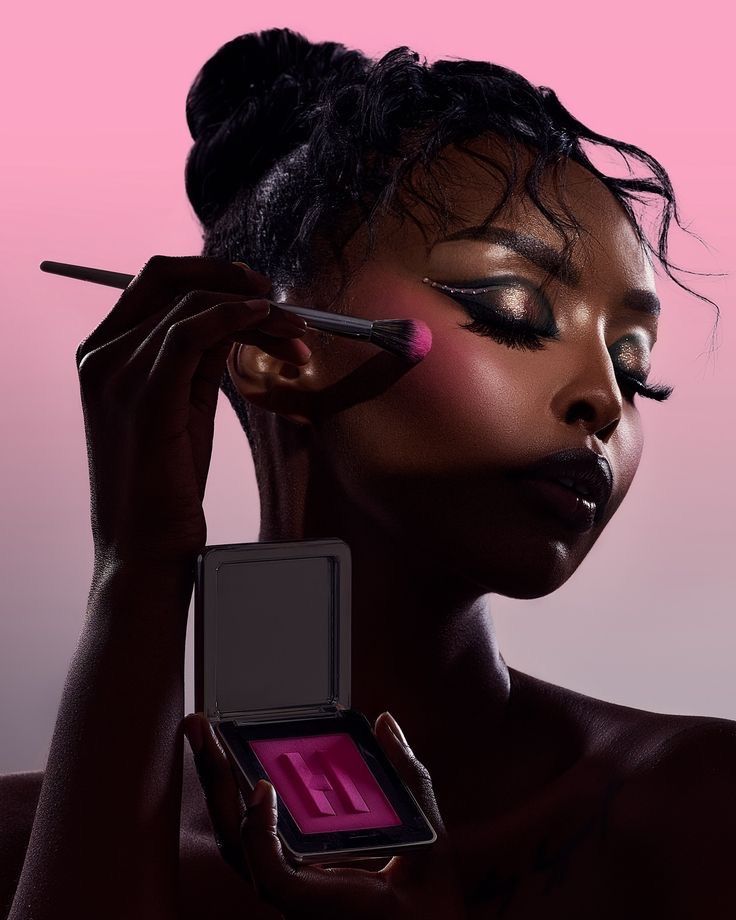
Nigeria’s beauty industry has produced makeup artists whose influence extends far beyond borders. Their work sits at the intersection of tradition, innovation, and modern African luxury.
Banke Meshida-Lawal, founder of BM Pro, is a defining figure in Nigerian beauty. Her work across bridal, editorial, and brand campaigns helped establish a polished, skin-focused aesthetic that remains influential. Beyond artistry, she built infrastructure, professional standards, and education in an industry that is now globally visible.
Bimpe Onakoya, former Senior Artist and later Head of Artistry at MAC Cosmetics West Africa, was instrumental in determining how international beauty brands communicate with African consumers. Her campaign work focused on undertone accuracy, texture realism, and editorial restraint, challenging outdated representations of African beauty in global advertising.
Artists like Joyce Jacob and Fola Oyekan further bridge fashion and beauty, contributing to runway shows, magazine editorials, and commercial campaigns that define contemporary Nigerian style. Their work reflects a balance of technical precision and cultural intuition.
These artists do not simply adapt global trends. They reinterpret them through African lenses, ensuring relevance without dilution.
Modern Luxury and Ethical Responsibility
Luxury beauty is undergoing a quiet recalibration. Consumers are more aware, more critical, and more interested in ethics. Makeup artists increasingly influence this shift.
Skin-positive approaches, minimal product layering, and an emphasis on real texture align with sustainability and ethical luxury. Using fewer products, spotlighting skin health, and celebrating individuality reduces waste while enhancing authenticity.
Campaigns that resonate today often feel intentional rather than excessive. Makeup artists play a role in this by advocating for looks that respect the model, the product, and the viewer.
Why Makeup Artists Matter More Than Ever
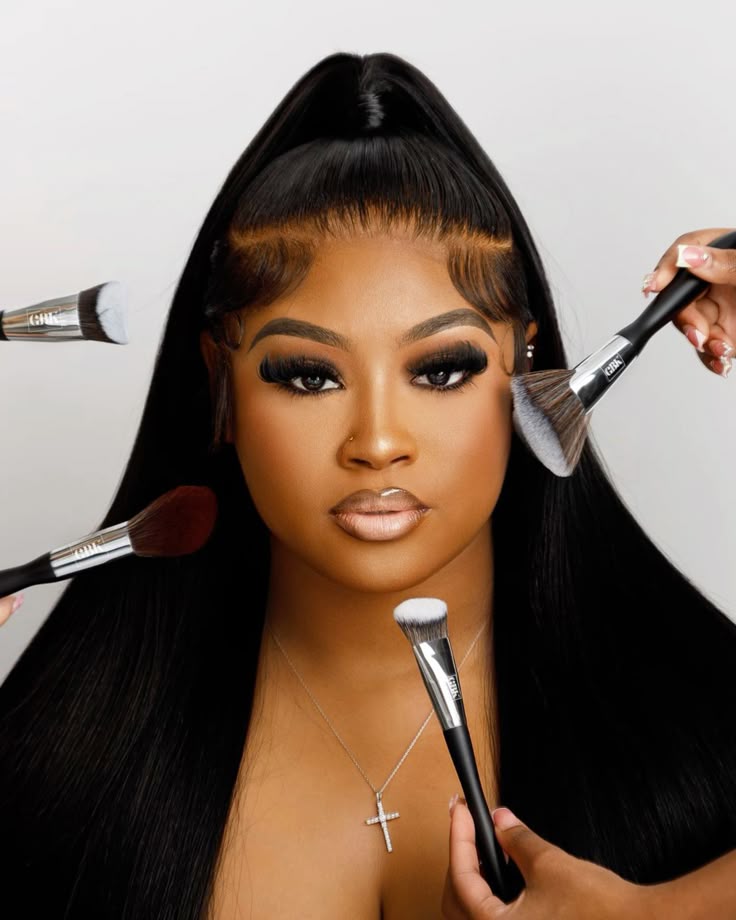
As brands compete for attention, authenticity has become currency. Makeup artists help brands earn that authenticity. Their credibility, built through years of craft, adds trust to campaign imagery.
They are collaborators, not service providers. Many now influence casting, lighting decisions, and even product development. Their role has expanded alongside the industry.
In this sense, makeup artists are no longer behind the scenes. They are part of the intellectual framework of modern campaigns.
Conclusion
Iconic campaigns are remembered not just for the clothes worn or products sold, but for how they made people feel. Makeup artists shape that emotional response quietly and precisely. They blend culture with commerce, heritage with innovation, and artistry with intention. In doing so, they redefine what modern beauty looks like across borders. To understand today’s most influential campaigns, one must look beyond the brand logos and into the hands that shaped the faces. That is where the real story lives.
FAQs
- Why are makeup artists important in fashion and beauty campaigns?
They translate creative concepts into visual emotion, shaping how campaigns are perceived and remembered.
- Do makeup artists influence brand identity?
Yes. Their aesthetic choices often become part of a brand’s visual language over time.
- How do makeup artists contribute to cultural representation?
By honouring skin tones, features, and beauty traditions in ways that feel authentic and modern.
- Is sustainability relevant to makeup artistry in campaigns?
Increasingly so. Minimalism, skin health, and intentional product use align with ethical luxury values.
- Can African beauty aesthetics influence global campaigns?
They already do, through skin-first philosophies, rich pigment stories, and cultural craftsmanship adapted for modern luxury.