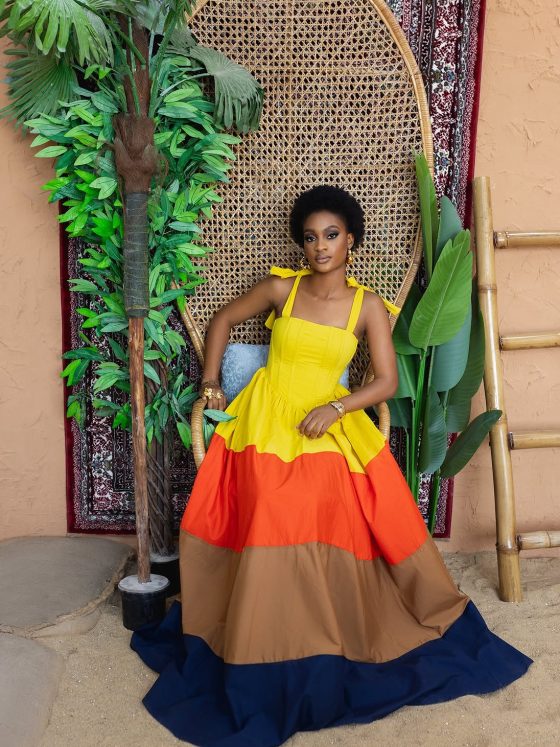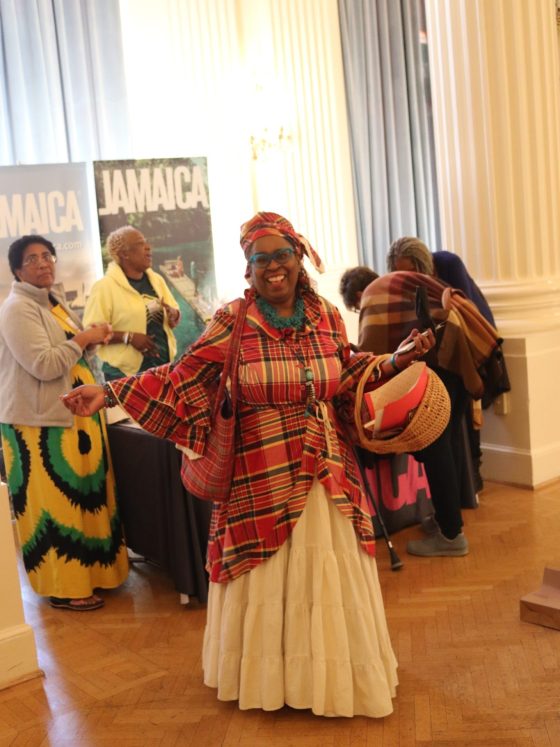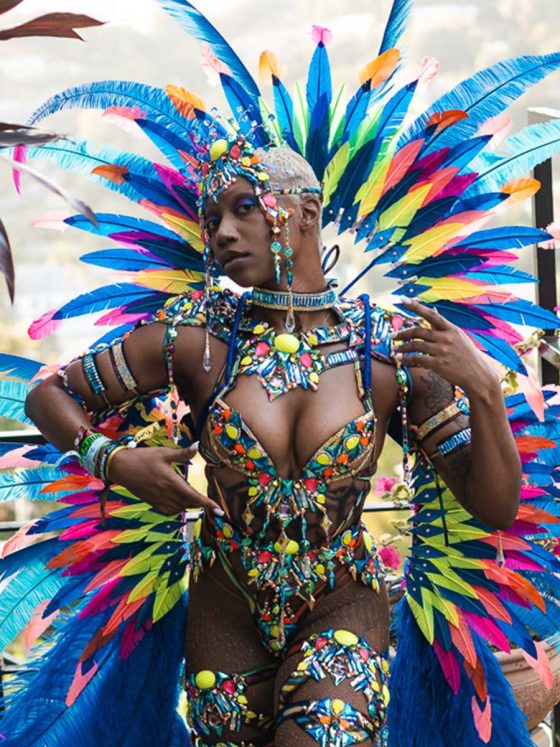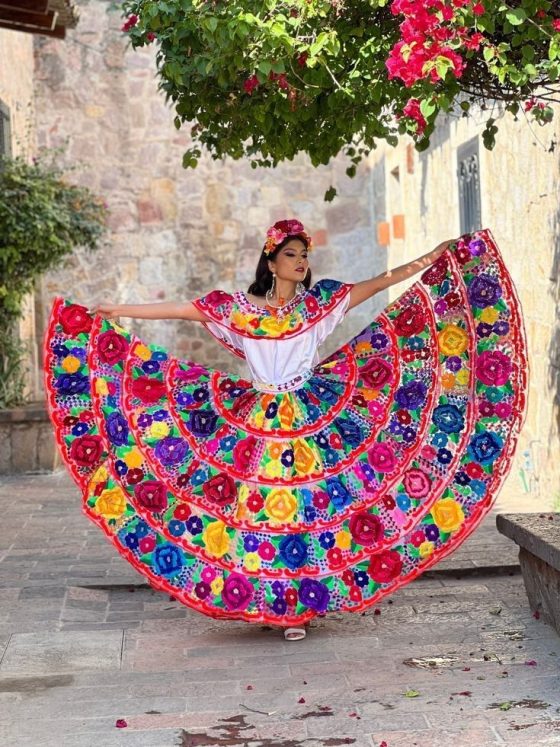
Caribbean literature isn’t just several stories from a chain of islands. It’s a wild mix of voices and histories, sometimes messy, always alive, wrapped up in English, French, and Spanish. What started as a way for people in the Caribbean to tell their stories has exploded into something bigger, shaking up the old rules and demanding a spot on the global stage. These writers don’t just add flavour; they change the recipe. Take Derek Walcott’s Nobel Prize or Edwidge Danticat’s National Book Critics Circle Award. Look at how magical realism or postcolonial theory bends and stretches under their hands. Small islands? Sure. Small cultural footprint? This is by no means a small cultural footprint. This isn’t literature that sits quietly at the edge; it’s right in the middle, experimenting with language, wrestling with identity, and reimagining what stories can do.
Explore the Omiren Selection: Some links in this article are affiliate links. Omiren Styles may earn a small commission at no extra cost to you.
Caribbean literature transforms global culture through postcolonial identity narratives, magical realism, and linguistic innovation rooted in heritage.
Foundations of Caribbean Literary Identity
Caribbean literature really took off in the twentieth century. Writers broke away from European models and built something new, drawing on the old stories of indigenous people and the wild, layered mix of cultures, European, African, Chinese, and Indian, that crashed together in the Caribbean. That mash-up sets Caribbean writing apart from other postcolonial stuff. These authors don’t just wrestle with colonialism. They’re also sorting through the overlapping waves of migration and diaspora, all squeezed into islands that seem small on a map but feel huge in their complexity.
The term “West Indies” began appearing everywhere in the 1950s, especially when writers like Samuel Selvon, John Hearne, Edgar Mittelholzer, V. S. Naipaul, Andrew Salkey, and George Lamming secured publishing deals in the UK. Even earlier, in the 1940s, the BBC’s Caribbean Voices radio programme helped stitch together the scattered voices from across the islands. Una Marson and, later, Henry Swanzy recorded and broadcast these stories back home, giving writers a lifeline and a platform. That kind of support was everything; it helped turn a handful of isolated authors into a movement.
For readers interested in seeing this linguistic and cultural experimentation on the page, explore Samuel Selvon’s The Lonely Londoners.
Why Language Innovation Sits at the Heart of Caribbean Literature
One thing you notice right away: these books sound different. Caribbean literature pulses with rhythm and plays with local dialects, echoing the music and energy of the islands themselves. Language isn’t just a tool here; it’s the battleground and the prize. Instead of just translating Creole into “proper” English or French, writers invent new ways of writing that capture the colour and grit of real speech, celebrate oral traditions, and claim their own space in the literary world.
Look at Giannina Braschi’s Empire of Dreams (1988). Giannina Braschi’s 1988 work, Empire of Dreams, is a unique blend of poetry, diary, and manifesto, seamlessly traversing time and culture, blending elements of Puerto Rican folklore with political rants. This kind of linguistic play isn’t just clever; it opens up possibilities that old, single-language traditions can’t touch.Readers who want to explore Braschi’s experimental approach further can find Empire of Dreams.
Caribbean writers don’t buy the idea that only “proper” English or French counts. Creole, patois, and all those hybrid forms, they’re real literature. By blending multiple languages, employing code-switching, and omitting certain words from translations, these writers challenge conventional norms. They draw readers towards them, rather than expecting them to come to them. In this context, the traditional hierarchy, which prioritised European languages, no longer exists. Caribbean literature encourages you to engage with it on its terms; otherwise, you might overlook the narrative entirely.
How Has Caribbean Literature Shaped Global Literary Theory?
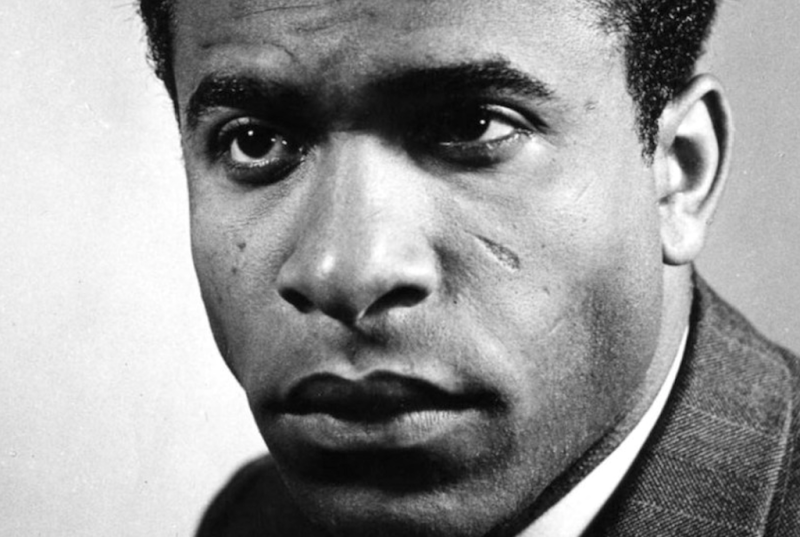
Frantz Fanon’s Black Skin, White Masks and The Wretched of the Earth didn’t just shake the world of Black radical thought; they changed the way people everywhere talk about race, power, and identity. Fanon, along with voices like James Baldwin, reshaped global conversations. But it’s not just about a few big names. Caribbean writers have built whole new frameworks for understanding postcolonial identity, cultural mixing, and resistance. Think of Édouard Glissant’s idea of “relation”, Aimé Césaire’s “negritude”, or Derek Walcott’s vision of a “schizophrenic” Caribbean identity. These aren’t just buzzwords; they’re now tools scholars use to take apart and rethink postcolonial literature all over the world. Readers exploring the intellectual foundations behind these ideas can explore Frantz Fanon’s Black Skin, White Masks .
Look at Carine Mardorossian’s work in Reclaiming Difference. She dives into novels by Jean Rhys, Maryse Condé, Edwidge Danticat, and Julia Alvarez, four women who come from places as different as Dominica and the Dominican Republic. Their stories don’t just reflect theory; they flip it on its head, pushing us to rethink what we mean by nation, place, gender, and race. Caribbean literature isn’t just a case study for academics; it’s where some of the most exciting ideas are born before being picked up and used elsewhere.
This literature serves a purpose beyond mere theoretical discussion. Caribbean writing keeps the region’s culture alive. It gives a platform to voices that have always had to carve out their space, balancing memories of home with the realities of migration and shifting identity. These contributions reach far beyond the page. They’re shaping the way universities across the globe teach literature, cultural studies, and the whole idea of identity.
What Themes Dominate Contemporary Caribbean Literature?

Identity, colonialism, and class – these themes have always run deep in Caribbean writing. But today’s writers are asking tough questions. What does it mean to be Caribbean when everyone’s roots trace back to migration, whether indigenous, enslaved, indentured, or coloniser? How can one assert sovereignty when tourism and foreign investors continue to dominate, albeit under different labels?
Modern Caribbean writers encounter challenges that simultaneously feel fresh and eerily familiar. Volcanic eruptions, hurricanes that keep smashing records, droughts, relentless heat, and climate change aren’t just background noise anymore. It’s time-sensitive. Writers are documenting how rising seas threaten to wipe out entire nations, turning storytelling into a form of cultural survival.
But it’s not all disaster and struggle. The stories are also about resilience, love, and the ways people keep moving forward. Migration, the pull of diaspora, and life between worlds are right at the centre. Caribbean literature follows islanders as they build lives in North America, Europe, and Latin America, holding on to their roots while also creating something new. This is what people now call “transnational Caribbean literature: stories that refuse to be boxed in by geography.
READ ALSO:
- The Modern Power of Afro-Caribbean Ancestral Healing
- The New Face of Modesty: Modern Abaya and Hijab Trends in Northern Nigeria
- Ladi Kwali: The Nigerian Potter Who Conquered Global Art
The Canon Expansion
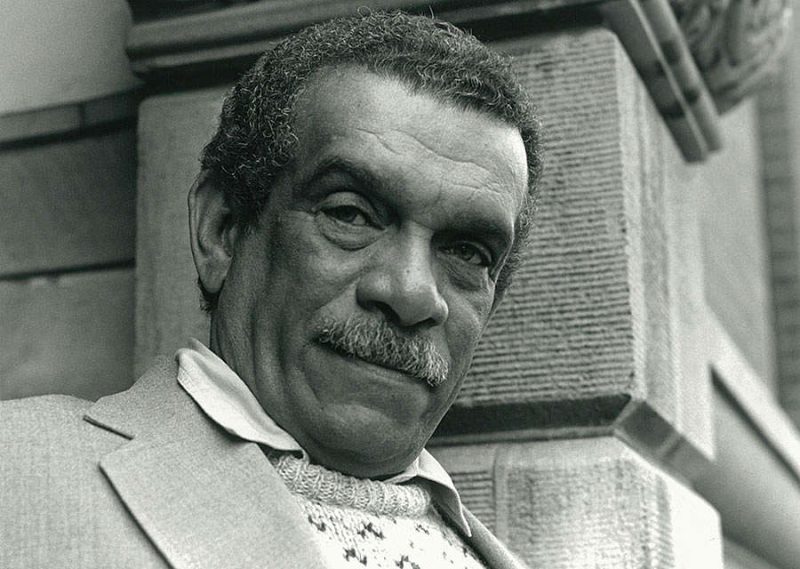
Caribbean Literature in Transition is shaking up old ideas about what counts as Caribbean literature. Instead of starting with the usual suspects, the project looks all the way back to 1800, before anyone even called the region “the Caribbean” or talked about literature the way we do now. The goal? To break out of narrow definitions and bridge the divides of language, gender, and genre.
Scholars are now casting a much wider net. It’s not just about English-speaking male writers anymore. The canon now includes women, French and Spanish voices, popular writing in newspapers, oral storytelling, and even digital works. Essays highlight authors who were overlooked for years, as well as writing once dismissed as too popular or informal, such as pamphlets, ballads, working-class memoirs, and stories from enslaved people, especially women.
This expansion proves something big: Caribbean literature isn’t just a handful of novels published in London or New York. It’s folk tales told at night, calypso lyrics that light up Carnival, oral histories passed down in families, and performances that turn every street into a stage. The definition of “literature” here is alive and constantly growing, just like the Caribbean itself.
Global Recognition
Derek Walcott grew up in Saint Lucia and became the second Caribbean writer to win the Nobel Prize for Literature. He took the prize in 1992, and his work delves deeply into colonialism, slavery, resistance, and the perspectives of Caribbean people. For Caribbean writers and readers, the award wasn’t just a personal win for Walcott; it was proof that their writing belongs on the world stage, not just as some “exotic” side note.
For readers who want to go beyond the Nobel Prize and explore Walcott’s work directly, explore Derek Walcott’s poetry and Omeros .
The Journal of West Indian Literature just picked up the 2025 Bocas Henry Swanzy Award for Distinguished Service to Caribbean Letters. That’s not just a trophy for the shelf. It demonstrates the genuine support for Caribbean literature, institutions, journals, festivals, and conferences, ensuring the continued telling, study, and sharing of these stories. The connections run wide, linking writers from all over the islands and the diaspora.
The Future of Caribbean Literature
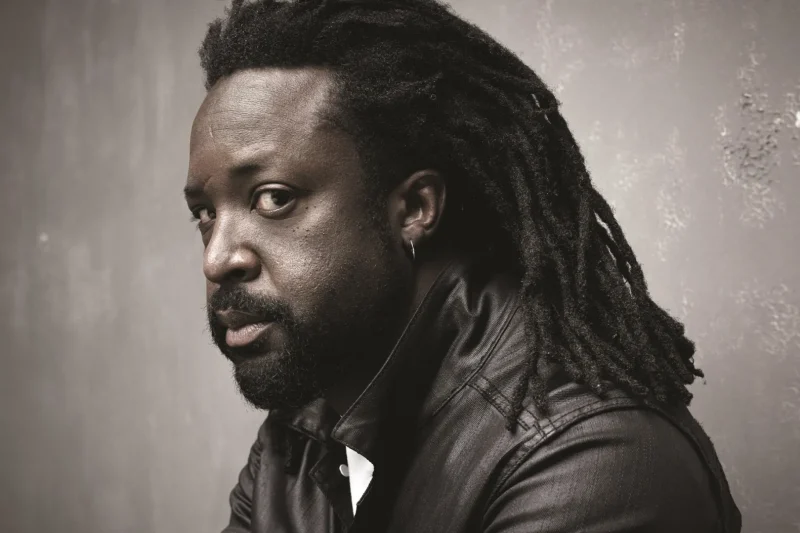
Caribbean writers stand at a crossroads. On the one hand, digital platforms have blown open the gates; now you don’t have to wait for a publisher in London or New York to greenlight your book. Social media, self-publishing, and online communities let writers reach readers directly. But money’s always an issue. Many writers end up leaving home, heading to cities with more publishing opportunities, even though that distance can pull them away from the places and people that first sparked their stories.
Since the 1970s, Caribbean literature has exploded with new voices and styles. It’s not just the old guard anymore; new generations are pushing back on the old, narrow idea of what “counts” as Caribbean writing. Expect to see even more focus on women’s voices, LGBTQ+ stories, climate fiction, and bold experiments with digital forms. Still, at its heart, the tradition holds on to what matters: inventive language and a fierce memory for everything that made the Caribbean what it is.
Readers looking to continue beyond the writers discussed here can browse contemporary Caribbean novels and literary fiction.
Frequently Asked Questions
What defines Caribbean literature?
Caribbean literature comes from the islands and coasts of the Caribbean and is written in English, French, Spanish, Dutch, or Creole. These stories wrestle with colonialism, identity, migration, and class. They play with language, mixing standard forms and Creole, and draw from a strong oral tradition. You’ll see a blend of influences: indigenous, African, European, Indian, and Chinese, all tangled together.
Who are the most important Caribbean writers?
Are there any notable writers from the Caribbean? Nobel winners Derek Walcott and V.S. Naipaul are among them. Frantz Fanon, Aimé Césaire, and Édouard Glissant shaped theory. Jean Rhys, George Lamming, Jamaica Kincaid, Edwidge Danticat, and Maryse Condé have all left their mark. Today, you’ll hear from Marlon James, Kei Miller, Nicole Dennis-Benn, and plenty more. The canon stretches across languages, styles, and generations.
How has Caribbean literature influenced global culture?
Caribbean writers developed a postcolonial theory that is used worldwide. They brought magical realism into the mainstream and proved that Creole and hybrid languages have a place in literature. Their work has redefined how scholars think about diaspora and identity, and they’ve pushed back against the idea that Western literature is the only standard. Even Gabriel García Márquez said Caribbean writing influenced his own.
What are the common themes in Caribbean literature?
You’ll find stories about the aftershocks of colonialism, African ancestry and resistance, and the struggle for identity across cultures. Migration, class struggle, language authenticity, and environmental worries, especially climate change, pop up again and again. There’s a drive towards independence, a celebration of cultural mixing, and a deep commitment to remembering the past.
Where can readers discover Caribbean literature?
Start with the Journal of West Indian Literature, or check out the Bocas Lit Fest in Trinidad. Look for publishers like Peepal Tree Press and Akashic Books, or the Cambridge series Caribbean Literature in Transition. Literary awards often spotlight new and classic voices. And don’t forget social media; lots of Caribbean writers share their work online and connect directly with readers around the world.
Explore the Omiren Selection: Some links in this article are affiliate links. Omiren Styles may earn a small commission at no extra cost to you.