Long before beauty became an industry, it was a language. Across Africa, the face and body served as living canvases, carrying stories of identity, belonging, status, and spirituality. Pigments were not chosen for trend but for meaning. Lines were not decorative accidents but deliberate codes. Today, these ancient visual systems echo through haute beauty and luxury fashion, reimagined on global runways, editorial spreads, and cinematic worlds. This evolution is not a simple borrowing of aesthetics. It is a complex dialogue between tradition and innovation, heritage and futurism, and the local and the global. When approached with care and intelligence, African tribal makeup does more than inspire beauty. It reshapes how luxury understands depth, authorship, and cultural value.
From ancestral rituals to modern runways, African tribal makeup inspires haute beauty through craftsmanship, ethics, and global luxury narratives today
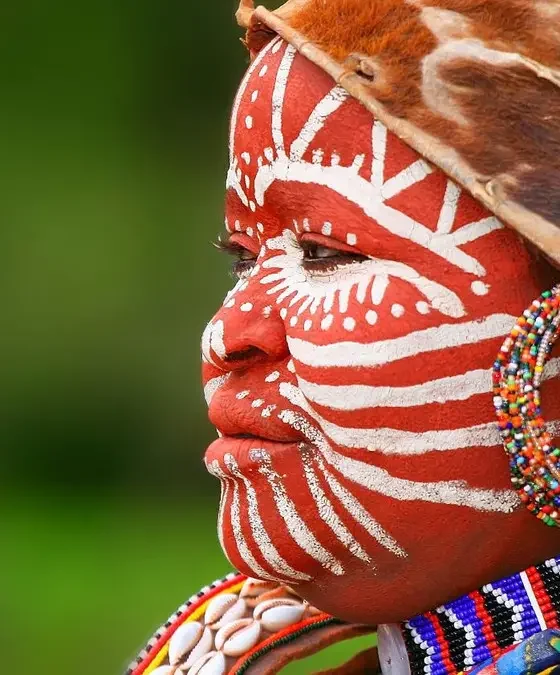
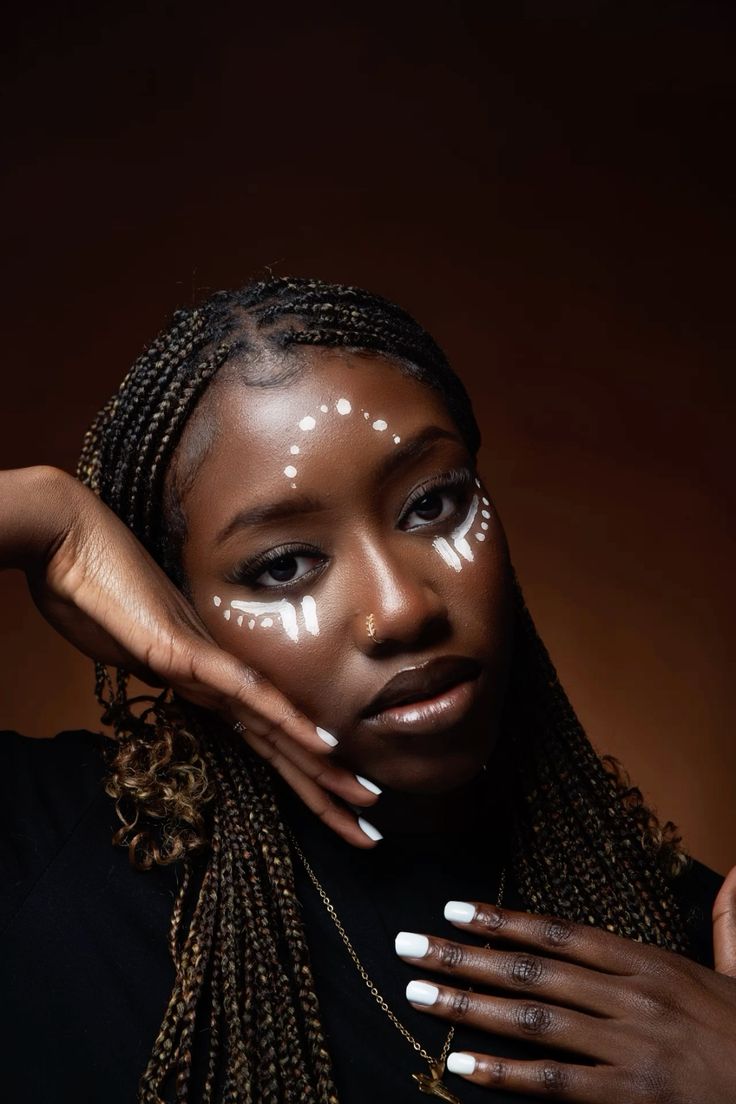
African tribal makeup traditions are rooted in cultural craftsmanship. Materials such as red ochre, white kaolin clay, charcoal, and plant-based dyes were sourced directly from the land, making beauty an extension of the environment and ecology. Application techniques varied across regions but shared a common principle: adornment as communication. Among the Maasai, ochre symbolised strength and life. In parts of southern Africa, geometric face markings reflected community codes and personal milestones. In Ethiopia’s Lower Omo Valley, linear patterns and body paint expressed individuality within collective identity. These practices demanded skill, patience, and deep cultural knowledge, qualities that modern luxury continues to prize.
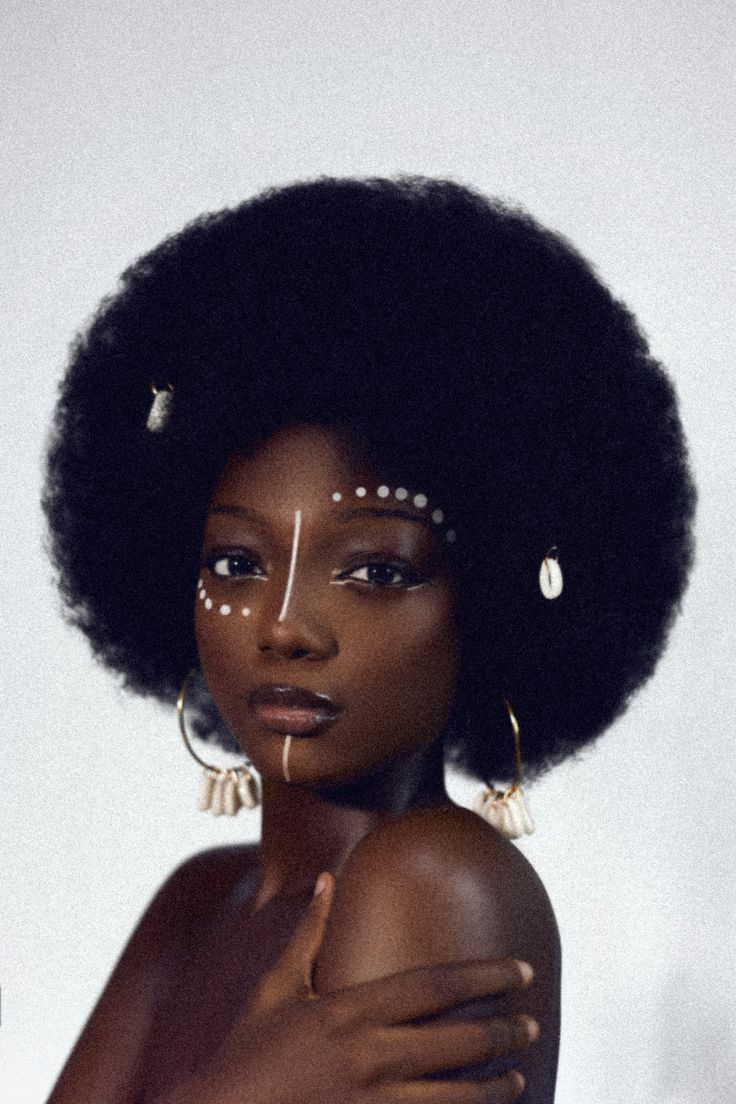
As haute beauty evolved, designers and makeup artists began to recognise the visual authority of these traditions. Graphic lines inspired high-fashion eyeliner. Matte, earth-toned skin finishes echoed clay-based pigments. Beads, cowries, and metallic accents moved from ritual adornment into editorial styling. What changed was the context, not the visual power. On global runways, tribal references became statements of boldness and originality, challenging Western beauty norms that favoured softness and restraint. African-inspired looks introduced structure, symbolism, and unapologetic presence.
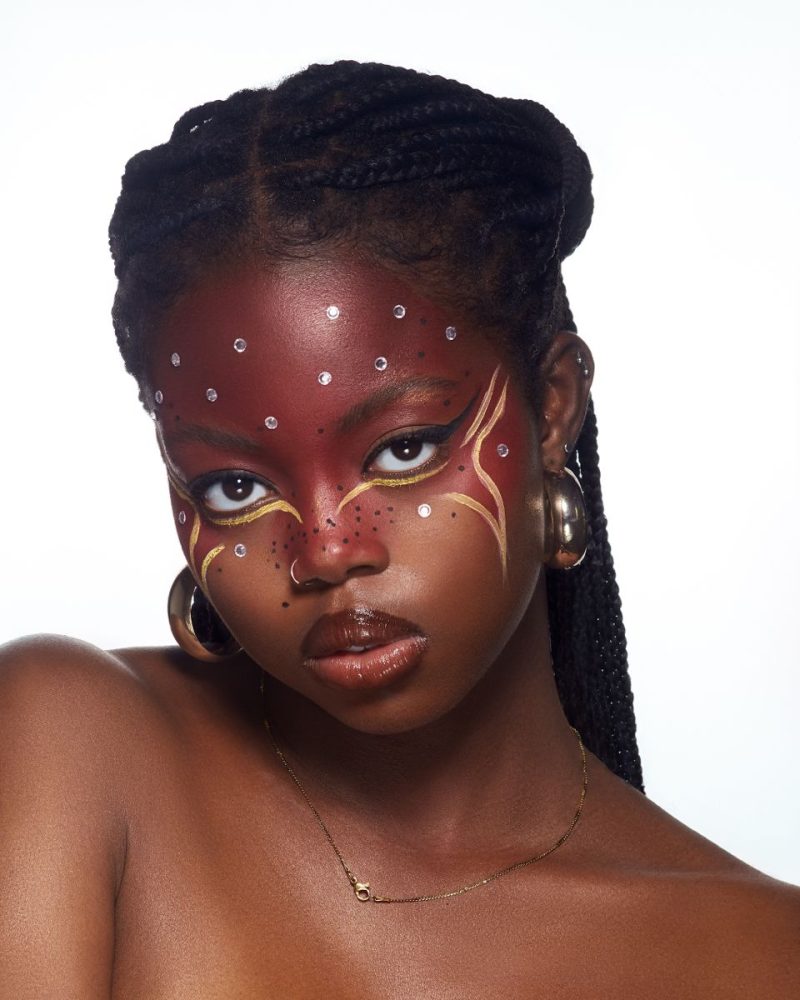
Modern luxury fashion thrives on narrative, and African tribal makeup offers one of the richest visual archives available. In film and fashion alike, these influences have helped construct worlds that feel expansive and intentional. Afrofuturist aesthetics, in particular, merge ancestral codes with speculative futures, positioning African beauty not as historical but as directional. This approach resonates strongly with diaspora communities who navigate layered identities, drawing from heritage while shaping contemporary global culture. The result is beauty that feels grounded yet progressive, familiar yet innovative.
Read Also:
However, influence without responsibility carries risk. The global appetite for African aesthetics has often overlooked context, reducing sacred or communal symbols to surface-level trends. This has sparked necessary conversations around ethical luxury. True modern refinement demands more than visual inspiration. It requires research, collaboration, and respect. Leading creatives now work with cultural consultants, African makeup artists, and local artisans to ensure accuracy and acknowledgement. Ethical sourcing of materials, fair compensation, and transparent storytelling have become markers of credibility in high-end beauty.
Sustainability also sits at the heart of this dialogue. Traditional African beauty practices were inherently sustainable, relying on natural materials and low-waste processes. As the luxury industry grapples with its environmental impact, these practices offer valuable lessons. Earth-derived pigments, reusable adornments, and slow craftsmanship align seamlessly with contemporary sustainability goals. When brands integrate these principles thoughtfully, they are not reviving the past but adapting its wisdom for modern lifestyles.
The global influence of African tribal makeup is no longer peripheral. It shapes editorial standards, informs product development, and challenges narrow definitions of elegance. What makes this influence enduring is its ability to evolve without losing integrity. When heritage is treated as a living source rather than an aesthetic shortcut, beauty becomes both culturally rich and commercially relevant. African tribal makeup, in this sense, is not a trend cycle. It is a foundation for a more inclusive and intelligent vision of luxury.
Conclusion
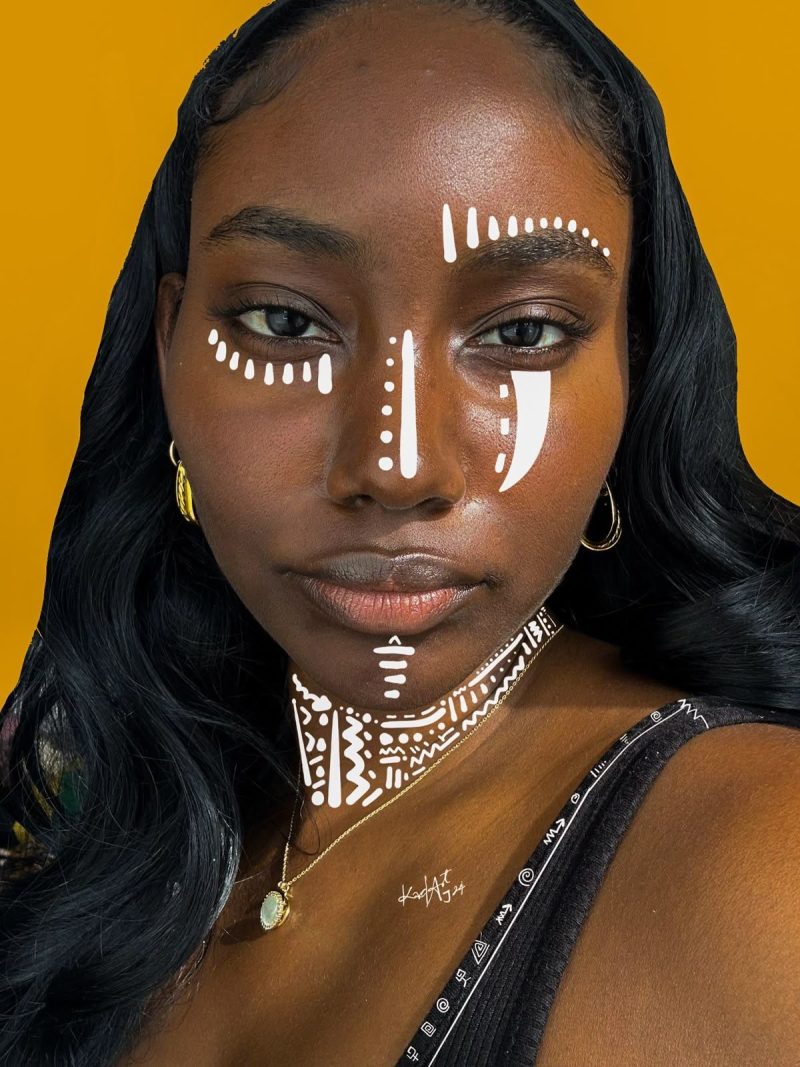
African tribal makeup stands at the intersection of culture, art, and innovation. Its journey from ritual spaces to haute beauty platforms reflects a broader shift in how luxury defines value. Depth now matters as much as design. Ethics matter as much as impact. Engaging African beauty traditions with respect and intention elevates global aesthetics while preserving cultural truth. This is not about nostalgia. It is about continuity, evolution, and a future where beauty tells stories that are both rooted and forward-looking.
5 FAQs
- Why is African tribal makeup influential in haute beauty?
Because it combines strong visual language with cultural meaning, offering depth, structure, and authenticity that modern luxury values.
- Is African-inspired makeup always cultural appropriation?
Not inherently. It becomes problematic when used without context, credit, or collaboration. Responsible engagement centres respect and shared value.
- How does tribal makeup align with modern luxury ideals?
Through craftsmanship, storytelling, sustainability, and originality, all of which are pillars of contemporary high-end beauty.
- What role does the African diaspora play in this influence?
Diaspora creatives bridge heritage and global culture, translating traditional aesthetics into modern narratives that resonate worldwide.
- How can brands engage these influences ethically?
We conduct thorough research, collaborate with African experts and artisans, source responsibly, and maintain transparency about inspiration and origins.