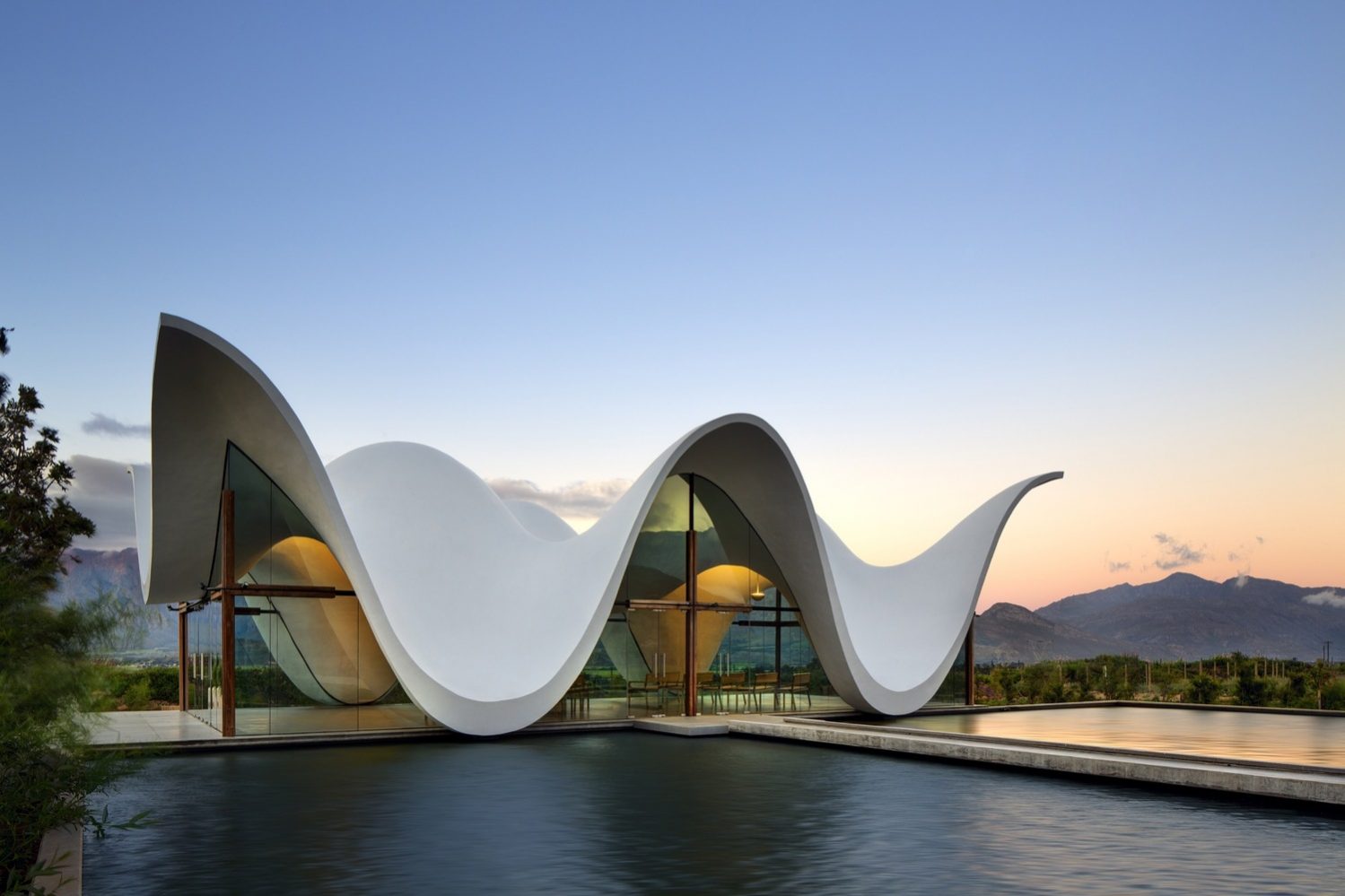
Lately, more designers around the world have started drawing attention to African architecture, not just as a trend, but as a source of real solutions. Consider this: for centuries, African builders have mastered sustainable practices, climate-smart design, and a sense of community that often disappears in Western cities. From the mud-brick homes in Mali to the glass towers in Johannesburg, the range is vast. Now, architects and interior designers, even those in places like London, are drawing fresh ideas from these traditions.
This isn’t just another case of borrowing for the sake of style. It’s about finally recognising that African architecture holds answers to problems that modernism has created but can’t fix. Saharan builders mastered thermal mass ages ago. Traditional compounds wove nature right into daily life. African architecture demonstrates that you can achieve both luxury and sustainability, that modern spaces don’t have to obliterate history. That true innovation stems from local wisdom rather than universal formulas.
Discover how African architecture inspires modern design through sustainable practices, cultural heritage, and innovative techniques, shaping global trends.
The Historical Legacy Informing Contemporary Practice
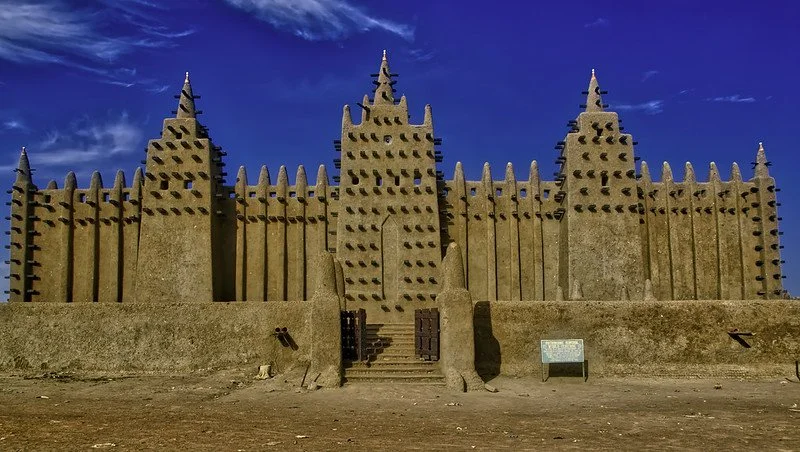
African architecture is a rich patchwork of styles and stories. Look at the Great Mosque of Djenné in Mali or Morocco’s winding, historic streets; each tells its tale. You see echoes of the Benin Empire, Yoruba homes, and the grandeur of ancient Egypt, and then, much later, new visions from architects like Francis Kéré and Sir Demas Nwoko. Even pop culture gets in on it, with Black Panther reimagining African design for the future.
Things really shifted after colonial rule ended in the 1960s. African architects began designing their own parliaments, banks, universities, and memorials, shaking off old influences and inventing something bold: African Modernism. At this moment, African design began to assert its own voice. Even when European architects participated, the land, climate, and local talent often shaped the results.
How Does African Architecture Address Sustainability?
Everyone’s talking about sustainability in 2024, solar panels, rainwater systems, and buildings that feel good and do good. However, African architecture has consistently been at the forefront of sustainability. Its green credentials aren’t new; they’re built on generations of know-how. Modern designers are finally catching up.
Efficiency and practicality are at the heart of African design. Whether it’s making the most of small spaces, using multipurpose furniture, or bringing plants into the home, these choices look great and reduce waste. Repurposing old furniture and using eco-friendly materials isn’t just smart for the planet; it actually makes spaces more inviting.
Take architect Mariam Kamara. She uses local materials and workers, building thick walls that soak up and release heat to keep interiors cool without cranking the AC. She’s reviving traditional methods that work with the climate, not against it. For ages, African builders understood that you get the best, most comfortable spaces by respecting the environment. Now, as green buildings finally go mainstream, the world is realising what African architecture has been saying all along.
Why Does Cultural Heritage Matter in Modern African Architecture?

If you pay attention to African architecture right now, you’ll notice something exciting: designers are returning to their roots. There’s a wave of projects that proudly showcase African heritage, not as a throwback but as a launchpad for fresh, bold ideas. You see it everywhere: architects use traditional patterns, local materials like adobe and thatch, and details pulled straight from the cultures that shaped them. They’re not just building structures; they’re telling stories about where they come from.
Take Joe Osae-Addo, for example. He’s a well-known architect from Ghana who moved back home in 2005, fired up by the country’s new energy and optimism. His firm, Constructs, blends modern design with time-tested local methods, such as bamboo slats for shade and techniques you’d see in Swahili architecture. Look at his conference centre in Tamale, and you’ll spot this mix right away. It’s not just about nostalgia. It’s a statement: African buildings should fit African lives, tastes, and climates, not just copy what’s trendy in the West. In today’s design world, there’s a real push for Africans to define their architecture and identity on their terms.
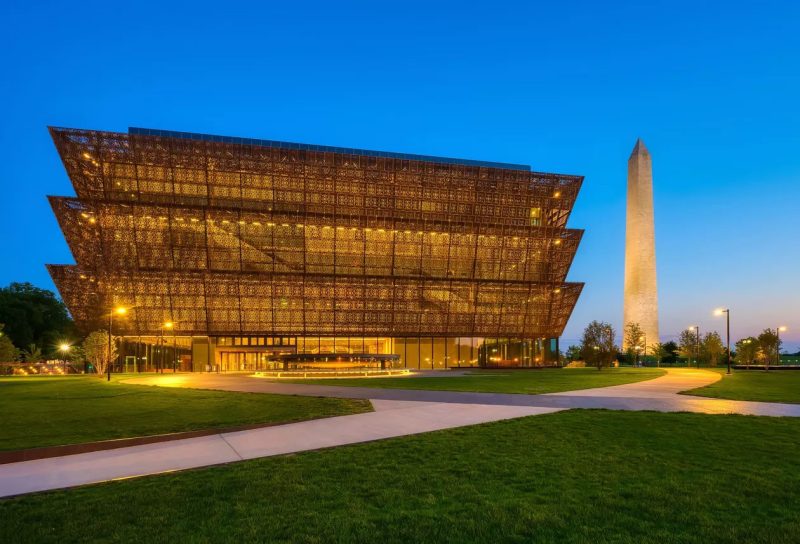
African architects aren’t just influencing their region, either. Their work is starting to make waves globally. You’ve got people like Sir David Adjaye, who’s British-Ghanaian, designing famous buildings all over the world, like the National Museum of African American History and Culture in Washington, D.C., and the Alara Concept Store in Lagos. African history and culture permeate these projects, demonstrating to everyone the global relevance of African ideas.
Another thing shaping architecture in Africa right now is nature. While biophilic design has gained popularity, African architects have long incorporated nature into their designs. This kind of architecture in Africa isn’t new, featuring courtyards that circulate air, layouts that blur the line between indoors and out, and plenty of natural light and greenery.
Look at Freedom Park in South Africa. It draws inspiration from all over the continent, combining traditional symbolism with glass, steel, and modern lines. The result? A space that honours its roots while feeling fresh and forward-looking. That’s the real story of African architecture today: heritage and innovation don’t have to fight. When you mix them thoughtfully, you get buildings that mean more, places that feel alive with both tradition and new possibilities.
READ ALSO:
- How Today’s Billionaires Redefine Power and Wealth
- Wellness Retreats in Africa: The Rise of Luxury Wellness Communities
- The New Language of Fine Dining in Africa: Where Craft, Culture and Creativity Meet
Contemporary Innovations in African Architecture
In 2024, African architecture isn’t sitting still. Architects are weaving AI, IoT, and virtual reality right into their designs, turning buildings into innovative, interactive spaces. It’s not just about looking futuristic; these spaces actually respond to people’s needs and fit their lives. You see everything from wild, parametric shapes to bold, experimental buildings, and honestly, the whole scene feels like a creative renaissance. The old rules don’t apply anymore.
In November 2024, the Limbo Museum opened its doors in Accra’s Labone neighbourhood. What started as an unfinished 600-square-metre structure is now a lively cultural hub, thanks to Dominique Petit-Frère and Emil Grip of Limbo Accra, along with Diallo Simon-Ponte and Lennart Wolff. They took a raw concrete shell spread across two floors and turned it into a place where artists, architects, and curators can let loose, experiment, and reimagine what’s possible in forgotten urban spaces.
Dominique Petit-Frère’s work with Limbo Accra focuses on harnessing the potential of half-finished buildings, particularly in a city like Accra, where construction is prevalent yet genuine public spaces are scarce. This approach flips the script on typical African architecture. Instead of knocking things down and starting fresh, Petit-Frère and her team work with what’s there. They treat these in-between spaces not as problems, but as chances to invent and rebuild something new.
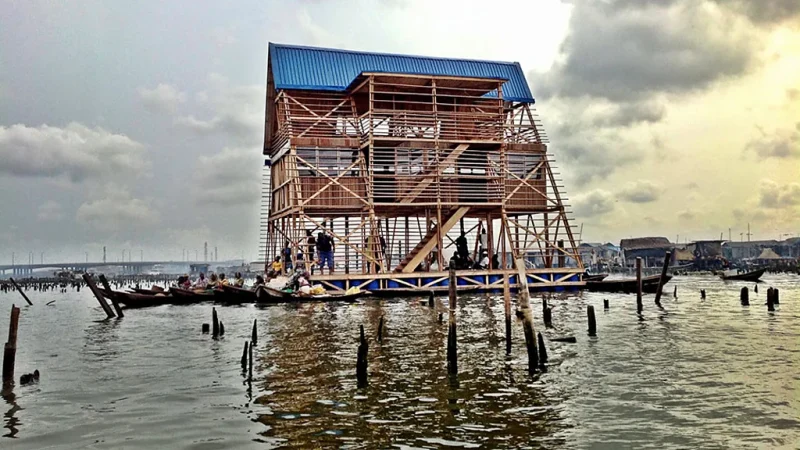
Look at the Makoko Floating School in Nigeria. It’s a perfect example of how African architects design for the real world around them. Here, the building floats, sidestepping flooding, whereas its design blends local culture with real sustainability. These solutions aren’t imported; they’re invented right here, and you won’t find them in a standard Western playbook. Floating schools, thick-walled buildings that stay cool without air conditioning, and neighbourhoods laid out for real community connection, these ideas solve local problems and shape how people live together.
Frequently Asked Questions
1. What defines African architecture?
African architecture is incredibly varied. You’ll see everything from mud-brick homes in Mali to glass-and-steel towers in Johannesburg. What ties it all together? Local materials, clever designs that work with the climate, spaces that bring people together, and a deep respect for cultural meaning. It’s practical, sustainable, and always rooted in the place it comes from.
2. How is African architecture influencing modern design?
People everywhere are taking notes from African architecture. African architecture incorporates elements such as thermal mass construction, natural ventilation, biophilic design, innovative use of space, and furniture that serves multiple purposes. You’ll also observe rich cultural symbols and heritage woven into the design, along with strategies that reduce energy use. These ideas are popping up in green buildings all over the world.
3. Who are the leading contemporary African architects?
You’ve got Sir David Adjaye, whose work is everywhere. Francis Kéré, the recipient of the Pritzker Prize, is another prominent African architect. Mariam Kamara is reviving classic Sahelian techniques. Joe Osae-Addo is blending modern design with Ghanaian traditions. And Mariane Petit-Frère, turning unfinished sites into something new. They’re blending heritage with technology and solving problems in ways that feel fresh and real.
4. What materials are used in African architecture?
Architects use what’s around them, adobe and mud brick for their cooling power, bamboo for structure and shade, thatch and reeds for roofing, timber from local forests, and stone from nearby quarries. When it fits, they add glass and steel. These choices reduce transport, support local economies, and keep traditional skills alive, all while making buildings that fit the land.
5. Why is African architecture important for global design?
African architecture matters because it’s already solving problems the rest of the world is just waking up to, like climate change and building for community. It shows that honouring culture sparks creativity rather than stifles it. These buildings prove you can have both luxury and responsibility. They serve as models for designing in harmony with people, place, and planet, and they are expanding the possibilities of architecture.