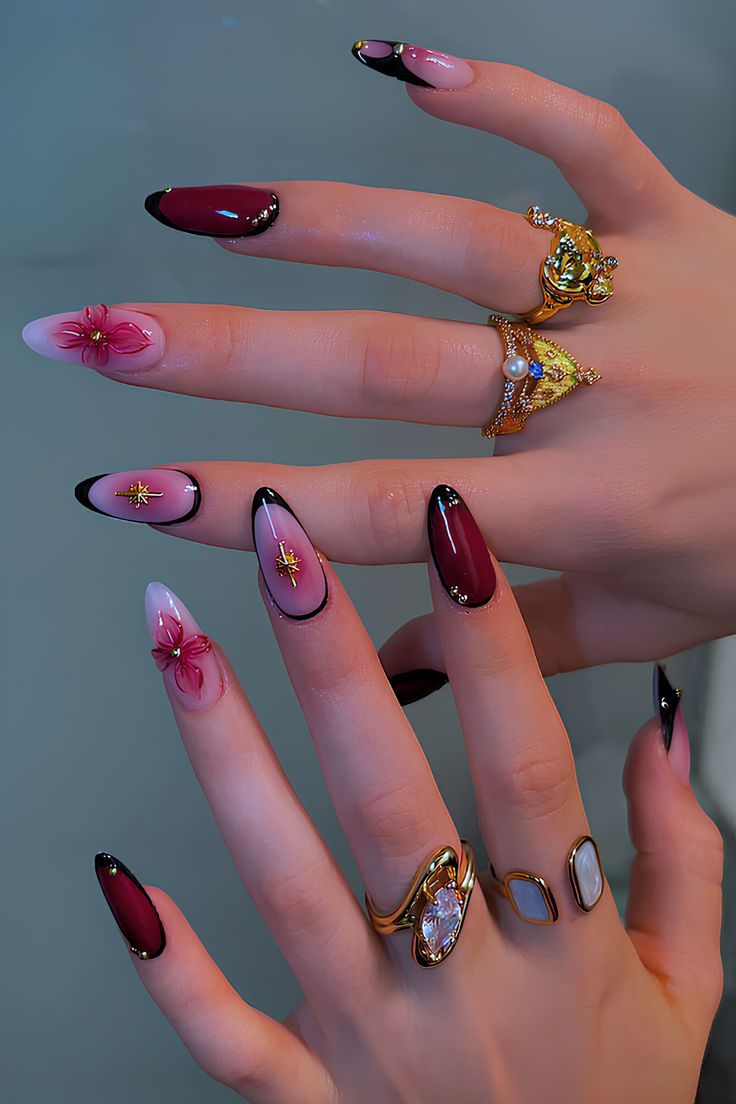
Nails have always been more than decoration. Long before glossy salons and trend forecasts, hands carried messages about who you were, where you came from, and what you valued. The colour on the fingertips signalled ceremony, class, protection, and pride. Today, nail art sits at a crossroads of culture and style. It moves fast, travels widely, and yet still holds onto memory. This is the story of how a quiet tradition became one of fashion’s most expressive languages.
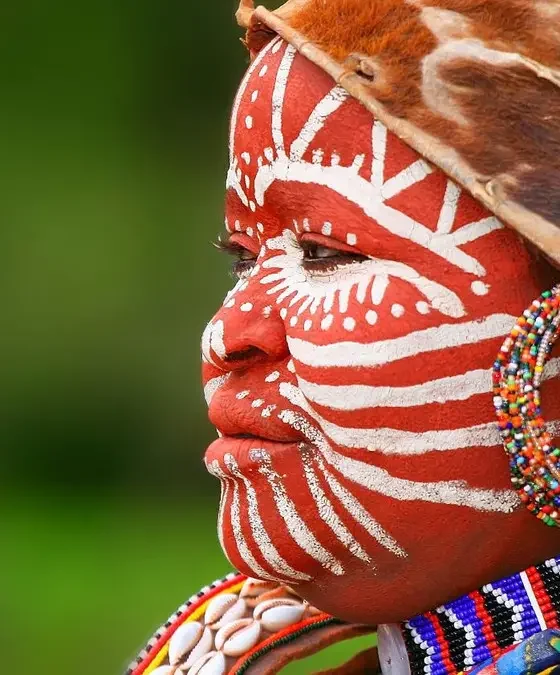
Across history, nail art began with what people had around them. Crushed leaves, earth pigments, tree resins, and hand-mixed pastes became early tools. These weren’t casual choices. Colour and length often reflect social structures. In some societies, decorated nails meant you did not work with your hands, while others are marked moments of transition, marriage, fertility, celebration, and spiritual protection.
In many African and Afro-adjacent cultures, the hand itself is symbolic. Gestures communicate respect, community, and ritual. Decorating nails within this context was never random. Patterns echoed textile repeats, bead arrangements, and symbols passed through generations. Even today, African nail artists draw instinctively from woven cloth, carved motifs, and ceremonial colours, translating heritage into contemporary form.
A refined look at nail art traditions from ancient craft to modern luxury, shaped by African heritage, diaspora exchange, and global style
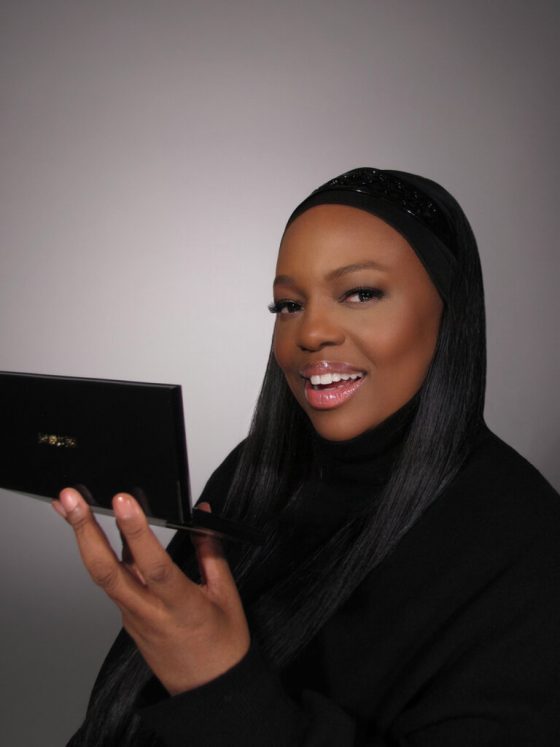
As people moved, so did style. The African diaspora reshaped nail art in cities across Europe and the Americas. What began as salon services turned into statements. Bold lengths, graphic colours, and experimental shapes became tools for visibility and confidence. Nails evolved into a form of self-authorship – personal, political, joyful. Techniques developed in one city would resurface months later in another, transformed by local taste and culture.
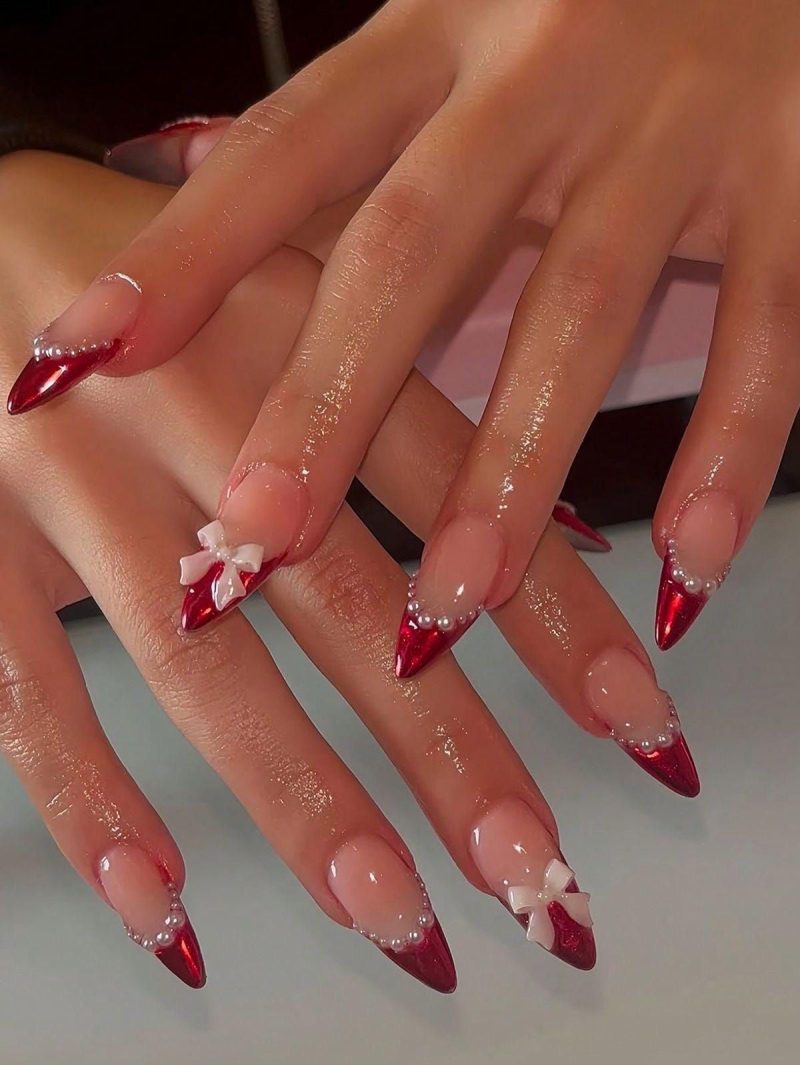
Fashion took notice. Designers realised that nails could complete a story, as shoes or jewellery do. Suddenly, manicures were no longer an afterthought but part of the narrative. Hand-painted designs, sculptural forms, and symbolic colour choices became extensions of collections. Nail artists stepped into the role of craftspeople, collaborating rather than decorating.
Materials changed, too. Traditional dyes gave way to gels, acrylics, and layered finishes that allowed for detail and longevity. Yet the conversation around materials is shifting again. Many artists are revisiting plant-based stains, low-toxicity products, and reusable embellishments. Sustainability in nail art is no longer niche. It is becoming a mark of modern luxury, thoughtful, intentional, and ethical.
Read Also:
- The Rise of Natural Hair Care: Culture, Craft, and Modern Luxury …
- Omiren’s Styles Guide to Living Stylishly on a Budget – OMIREN …
Behind the beauty is a working economy. Nail art supports thousands of small businesses, especially across African cities and diaspora communities. Mobile nail techs, studio-based artists, and content-driven creatives blend skill with entrepreneurship. Social platforms have become galleries, booking systems, and classrooms. Knowledge travels faster, but the best work still begins with trained hands and cultural awareness.
What makes nail art powerful is scale. A single set can carry memory, migration, and modern taste at once. It can honour where someone comes from while pointing out where fashion is going. That balance—rooted yet fluid—is what keeps tradition alive.
Conclusion
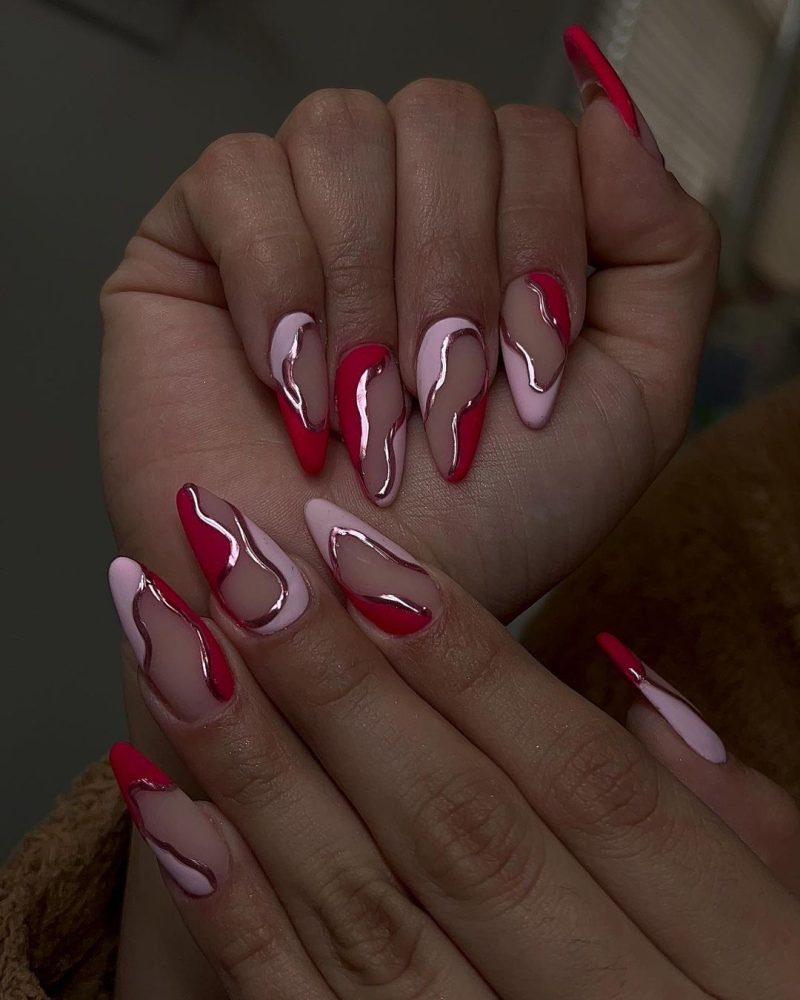
Nail art thrives because it adapts without forgetting. It absorbs influence, embraces innovation, and still returns to craft. In its most compelling form, it is neither a trend nor an accessory. It is designed in miniature, expressive, cultural, and deeply human. The future of nail art belongs to artists who understand that beauty moves best when it knows its story.
5 FAQs
- Why has nail art remained culturally relevant for so long?
Because it evolves with people, as identities shift and cultures intersect, nail art adapts while staying personal and visible.
- How do African influences show up in modern nail design?
Through pattern repetition, symbolic colour use, texture, and storytelling inspired by textiles, beadwork, and ceremonial art.
- Is nail art considered part of luxury fashion now?
Yes. Many designers and stylists treat nails as crafted accessories that complete a fashion narrative, not just grooming.
- Can nail art be both expressive and sustainable?
Absolutely. Safer formulas, ethical sourcing, and reusable design elements allow creativity without excess.
- What separates great nail art from trend-based designs?
Intention. Great nail art has context, skill, and a point of view. Trends fade, but meaning lasts.