Menu
  • AFRICA
    • African Fashion
    • African Designers
    • Textiles & Craft
    • Heritage Clothing
    • Made in Africa
    • Regional Style
  • DIASPORA
    • Diaspora Voices
    • Diaspora Connects
    • UK Scene
    • US Scene
    • Caribbean Diaspora
    • Afro-Latino Identity
    • Migration & Identity
  • CULTURE
    • Style & Identity
    • Ceremony & Ritual
    • Art & Music
    • Cultural Inspirations
    • Black Culture
    • Heritage Stories
  • FASHION
    • Trends
    • Street Style
    • Runway
    • Sustainable Fashion
    • Tailoring
    • Luxury Fashion
  • INDUSTRY
    • Editorial Intelligence
    • Market Trends
    • Brand Strategy
    • Retail & Commerce
    • Partnerships
    • Reports
    • Insights
    • Omiren Style Index
  • BEAUTY
    • Skincare
    • Makeup
    • Hair & Hairstyle
    • Fragrance
    • Beauty Traditions
    • Natural Beauty
  • MEN
    • Men’s Style
    • Grooming Traditions
    • Traditional & Heritage
    • The Modern African Man
    • Menswear Designers
  • WOMEN
    • Women’s Style
    • Evening Glam
    • Workwear & Professional
    • Streetwear for Women
    • Accessories & Bags
    • Bridal
  • NEWS
    • Cover Stories
    • Fashion Weeks
    • Opinion & Commentary
    • Style Icons
    • Rising Stars
  • DIRECTORY
    • Designers
    • Brands
    • Boutiques
    • Stylists
    • Models
    • Photographers
    • Creative Teams
    • Events
    • Production
    • Materials & Suppliers
Subscribe
OMIREN STYLES OMIREN STYLES

Fashion · Culture · Identity

OMIREN STYLES OMIREN STYLES OMIREN STYLES OMIREN STYLES
  • AFRICA
    • African Fashion
    • African Designers
    • Textiles & Craft
    • Heritage Clothing
    • Made in Africa
    • Regional Style
  • DIASPORA
    • Diaspora Voices
    • Diaspora Connects
    • UK Scene
    • US Scene
    • Caribbean Diaspora
    • Afro-Latino Identity
    • Migration & Identity
  • CULTURE
    • Style & Identity
    • Ceremony & Ritual
    • Art & Music
    • Cultural Inspirations
    • Black Culture
    • Heritage Stories
  • FASHION
    • Trends
    • Street Style
    • Runway
    • Sustainable Fashion
    • Tailoring
    • Luxury Fashion
  • INDUSTRY
    • Editorial Intelligence
    • Market Trends
    • Brand Strategy
    • Retail & Commerce
    • Partnerships
    • Reports
    • Insights
    • Omiren Style Index
  • BEAUTY
    • Skincare
    • Makeup
    • Hair & Hairstyle
    • Fragrance
    • Beauty Traditions
    • Natural Beauty
  • MEN
    • Men’s Style
    • Grooming Traditions
    • Traditional & Heritage
    • The Modern African Man
    • Menswear Designers
  • WOMEN
    • Women’s Style
    • Evening Glam
    • Workwear & Professional
    • Streetwear for Women
    • Accessories & Bags
    • Bridal
  • NEWS
    • Cover Stories
    • Fashion Weeks
    • Opinion & Commentary
    • Style Icons
    • Rising Stars
  • DIRECTORY
    • Designers
    • Brands
    • Boutiques
    • Stylists
    • Models
    • Photographers
    • Creative Teams
    • Events
    • Production
    • Materials & Suppliers
Uncategorized

Lemlem: Weaving African Heritage into Global Fashion

  • admin
  • November 4, 2025

Lemlem is a pioneering African fashion brand that showcases how local craft and artisanal skills can compete on the global stage. Founded in 2007 by Ethiopian supermodel Liya Kebede, the brand preserves traditional hand-weaving while empowering women artisans and promoting sustainable fashion practices. Its collections reflect African heritage yet appeal to international luxury markets, making lemlem a model of global African fashion success.

Discover Lemlem, the pioneering African fashion brand that champions artisanal craft. Explore our collections of handwoven, sustainable clothing and accessories that are making waves on the global stage.
OmirenStyles

Lemlem Origins and Vision
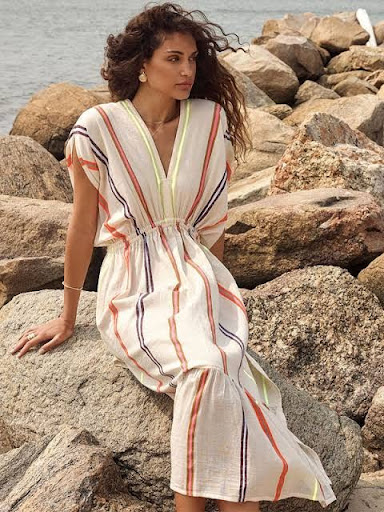
Liya Kebede founded lemlem in Addis Ababa after witnessing a decline in Ethiopia’s traditional weaving industry. Many artisans were losing livelihoods as imported clothing dominated local markets. Her goal was to preserve these skills, provide stable employment for artisans, and create an African brand capable of international recognition. The name “lemlem” means “to bloom” in Amharic, reflecting both the growth of the artisans and the brand itself. 


Local Materials and Artisan Craft

Lemlem’s core identity is rooted in hand-woven Ethiopian cotton. Each piece is crafted by artisans trained in traditional weaving techniques that have been passed down through generations. 

The brand prioritises fair wages and stable employment, offering hundreds of women artisans a reliable livelihood. Production is intentional and slow, emphasising quality over quantity, allowing the brand to maintain the integrity of each hand-woven piece.

Lemlem has also explored blending local craft with global materials. Collaborations, such as the capsule collection with H&M, utilised organic linen, Tencel, and recycled polyester, alongside Ethiopian hand-woven fabrics. These projects maintain Lemlem’s commitment to sustainability while expanding its appeal internationally. 


Artisan Empowerment and Cultural Preservation

At the heart of Lemlem is a commitment to empowering artisans. The brand employs hundreds of women across Ethiopia who specialise in hand-weaving techniques passed down through generations. 

Each artisan contributes not only skill but also cultural knowledge, embedding traditional motifs and patterns into modern fashion silhouettes. This model ensures that Ethiopian textile heritage survives and thrives in a globalised fashion market.

lemlem’s approach extends beyond employment. Artisans receive training, mentorship, and fair wages, creating financial stability and professional development. 

Women who might otherwise lack consistent work gain independence and agency, supporting entire communities through their craft. This investment in human capital differentiates lemlem from many fast-fashion brands that prioritise speed over skill and ethics.

Cultural preservation is integral to lemlem’s identity. The brand deliberately avoids replicating international trends that erase local aesthetics. Each collection celebrates Ethiopia’s weaving heritage while reinterpreting it for global audiences, creating a bridge between local culture and international style.

In doing so, Lemlem positions African craft as both economically viable and culturally respected.


Sustainability and Inclusivity

lemlem integrates sustainability and inclusivity into every aspect of its business. Social sustainability is central: women artisans form the backbone of production, preserving Ethiopian textile traditions and generating economic opportunities for local communities. 

Slow fashion practices and responsible material choices, such as organic and recycled fabrics, support environmental sustainability.

Inclusivity is embedded in both the workforce and the audience. By prioritising female artisans, Lemle promotes gender inclusivity. Its global distribution allows diverse audiences to access African-made fashion. Cultural inclusivity is evident in designs that honour Ethiopian weaving traditions while making them relevant for international consumers.


Lemlem Global Reach

Lemlem’s collections are sold internationally through luxury retailers, boutiques, and online platforms. Collaborations with global brands, including H&M, have expanded the brand’s reach and reinforced its commitment to sustainability and inclusivity. High-profile endorsements by celebrities and fashion influencers further enhance its visibility.

lemlem’s success demonstrates that African brands can scale globally while remaining rooted in local craftsmanship. The brand bridges continents, presenting Ethiopian artisan work to the world without compromising identity or quality.


Why Lemlem Matters for African Fashion

Lemlem exemplifies the potential of African fashion on a global stage. It shows that local craft can coexist with international standards, that sustainable and inclusive business models can thrive, and that African identity can shape global fashion narratives. For designers and brands across Africa, lemlem provides a template for how heritage, ethics, and global ambition can intersect successfully.

Shea Butter Cottage: Turning Africa into a Global Standard for Honest Beauty

Nokware: African Skincraft Turned into a Fashion-Conscious Beauty Movement


FAQs

  1. Is Lemlem truly made in Africa?

Yes. Local artisans in Ethiopia hand-weave the majority of Lemlem’s collections. Some production is also carried out in Kenya and Morocco, but the brand remains rooted in African craft.

  1. How does lemlem support sustainability?

The brand uses slow fashion principles, emphasises hand-woven fabrics, and incorporates sustainable materials such as organic linen, Tencel™, and recycled polyester. Lemlem achieves social sustainability by offering fair wages and stable employment to women artisans.

  1. Is lemlem inclusive?

lemlem promotes inclusivity through its workforce and design ethos. Women’s artisans are at the centre of production, and global distribution allows diverse audiences to experience African-made fashion. The brand also celebrates Ethiopian cultural heritage in its designs.

  1. Where can I buy lemlem globally?

lemlem is available at luxury retailers, boutique stores, and online platforms internationally, including its official website and Net-A-Porter. Collaborations with global brands have also increased accessibility.

  1. Why is Lemlem considered a global African brand?

Lemlem combines African artisanal craftsmanship with international fashion standards and distribution. Its high-profile collaborations, celebrity endorsements, and presence in global markets solidify its status as a worldwide African brand.


Post Views: 463
Related Topics
  • African Fashion
admin

You May Also Like
View Post
  • Editorial Intelligence

The Ankara Economy: Who Is Actually Capturing the Value?

  • Rex Clarke
  • June 9, 2026
Why African Designers Keep Losing the Brand Strategy Game — and How to Change It
View Post
  • Editorial Intelligence

Why African Designers Keep Losing the Brand Strategy Game — and How to Change It

  • Rex Clarke
  • June 9, 2026
How Are African Men Redefining Professional Style Beyond the Suit?
View Post
  • Style & Identity

How Are African Men Redefining Professional Style Beyond the Suit?

  • Fathia Olasupo
  • June 9, 2026
View Post
  • African Designers

The Future of Fashion in Sierra Leone: Creativity, Culture, and Growth

  • Philip Sifon
  • June 9, 2026
Kahindo: The Congolese-American Designer Building Heritage Luxury Without the Heritage Story
View Post
  • African Designers

Kahindo: The Congolese-American Designer Building Heritage Luxury Without the Heritage Story

  • Ayomidoyin Olufemi
  • June 9, 2026
Traditional Clothing in Cape Verde: Afrocentric and Portuguese Fashion Identity
View Post
  • Traditional & Heritage

Traditional Clothing in Cape Verde: Afrocentric and Portuguese Fashion Identity

  • Faith Olabode
  • June 9, 2026
African Luxury Market: Why Luxury Fashion Growth Is Moving Beyond Lagos and Nairobi
View Post
  • Editorial Intelligence

African Luxury Market: Why Luxury Fashion Growth Is Moving Beyond Lagos and Nairobi

  • Rex Clarke
  • June 9, 2026
TG Omori: The Boy Director Redefining Naija Hairstyle Fashion
View Post
  • Grooming Traditions

TG Omori: The Boy Director Redefining Naija Hairstyle Fashion

  • Adams Moses
  • June 9, 2026

Leave a Reply Cancel reply

Your email address will not be published. Required fields are marked *

The Omiren Argument

African fashion and culture are not emerging. They are foundational. We document, interpret, and argue for the full cultural weight of African and diaspora dress. With precision. Without apology.

Omiren Styles Fashion · Culture · Identity

All 54 African Nations
Caribbean · Afro-Latin America
The Global Diaspora

Platform

  • About Omiren Styles
  • Our Vision
  • Our Mission
  • Editorial Pillars
  • Editorial Policy
  • The Omiren Collective
  • Campus Style Initiative
  • Sustainable Style
  • Social Impact & Advocacy
  • Investor Relations

Contribute

  • Write for Omiren Styles
  • Submit Creative Work
  • Join the Omiren Collective
  • Campus Initiative
Contact
contact@omirenstyles.com
Our Reach

Africa — All 54 Nations
Caribbean
Afro-Latin America
Global Diaspora

African fashion intelligence, in your inbox.

Editorial features, designer profiles, cultural commentary. No noise.

© 2026 Omiren Styles — Rex Clarke Global Ventures Limited. All rights reserved.
  • Privacy Policy
  • Editorial Policy
  • Terms of Use
  • Accessibility
Africa · Caribbean · Diaspora
The Omiren Argument

African fashion and culture are not emerging. They are foundational. We document, interpret, and argue for the full cultural weight of African and diaspora dress. With precision. Without apology.

Omiren Styles Fashion · Culture · Identity
  • About Omiren Styles
  • Our Vision
  • Our Mission
  • Editorial Pillars
  • Editorial Policy
  • The Omiren Collective
  • Campus Style Initiative
  • Sustainable Style
  • Social Impact & Advocacy
  • Investor Relations
  • Write for Omiren Styles
  • Submit Creative Work
  • Join the Omiren Collective
  • Campus Initiative
Contact contact@omirenstyles.com

All 54 African Nations · Caribbean
Afro-Latin America · Global Diaspora

African fashion intelligence, in your inbox.

Editorial features, designer profiles, cultural commentary. No noise.

© 2026 Omiren Styles
Rex Clarke Global Ventures Limited.
All rights reserved.

  • Privacy Policy
  • Editorial Policy
  • Terms of Use
  • Accessibility
Africa · Caribbean · Diaspora

Input your search keywords and press Enter.