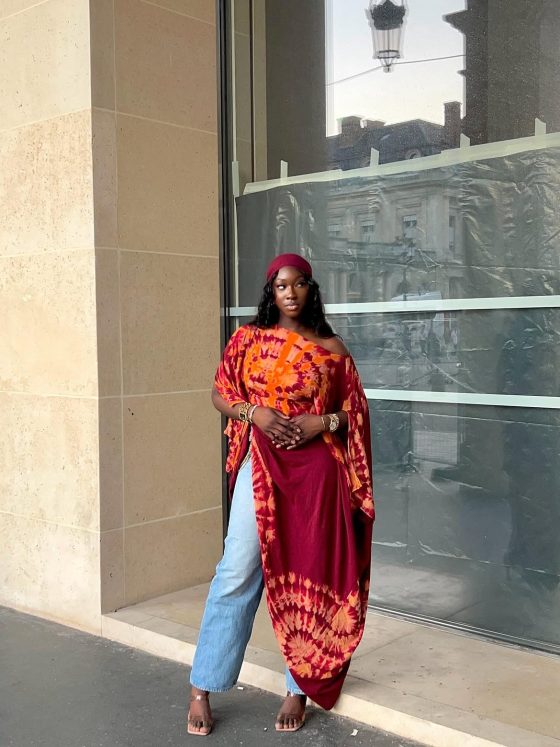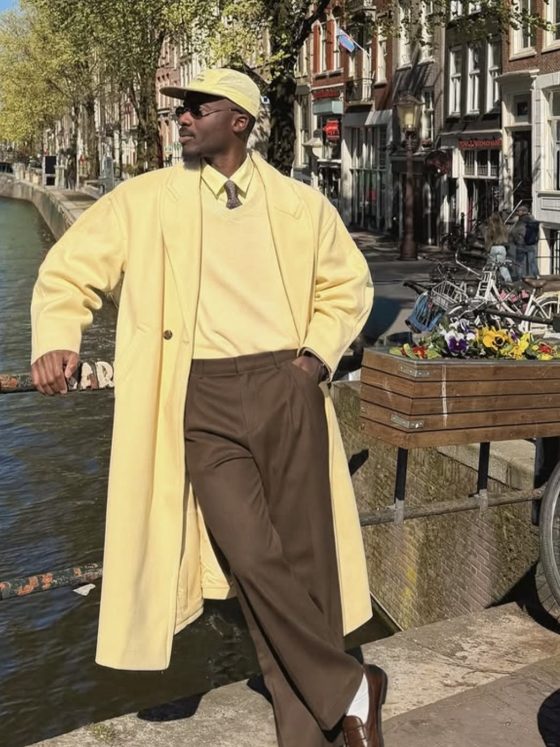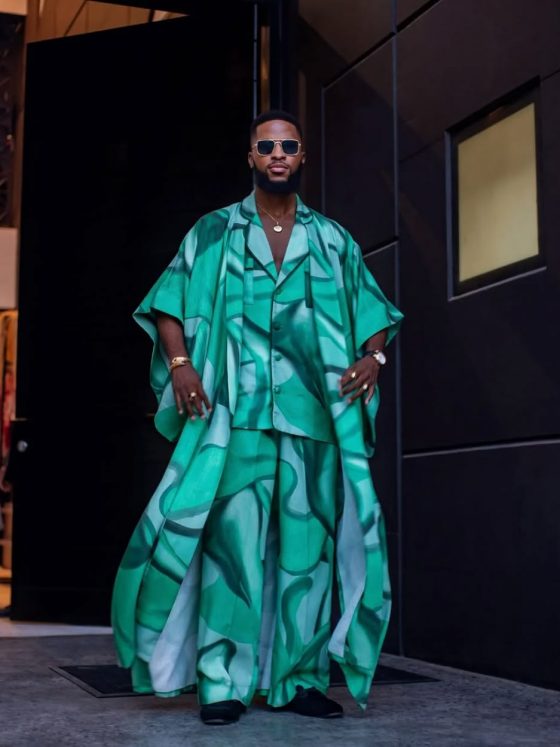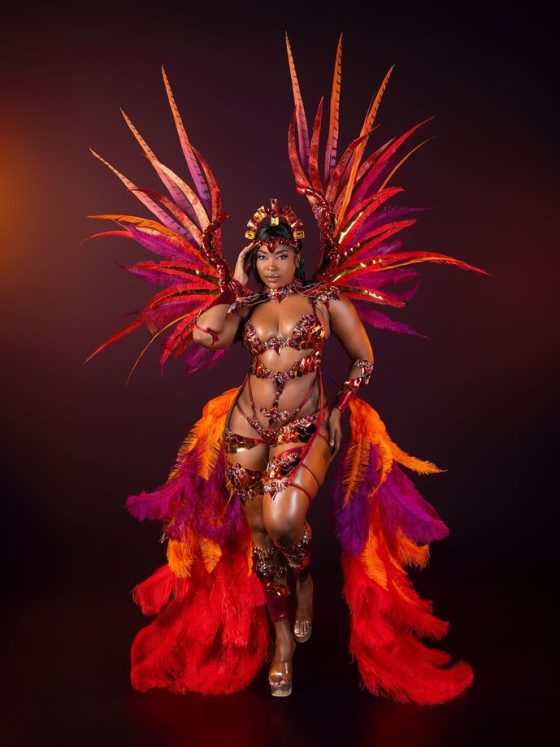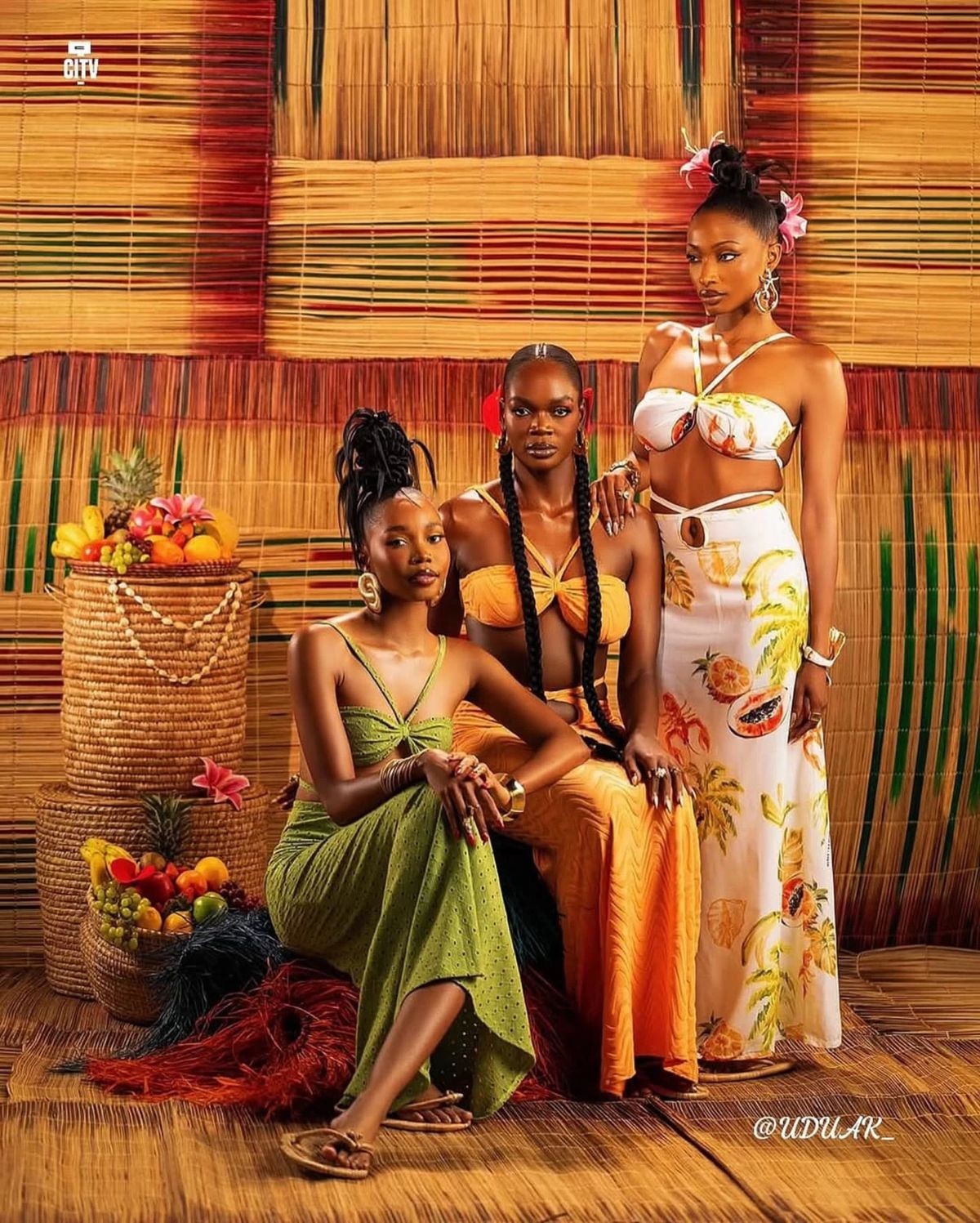
On a Sunday afternoon in Santo Domingo, women leaving a palos gathering adjust white skirts and headwraps before stepping back into the street. In neighbourhood beauty salons, conversations around hair, skin tone, and presentation unfold alongside the work of styling and grooming. During religious festivals connected to Afro-Dominican traditions, embroidered garments, jewellery, scarves, and ceremonial white clothing appear with a familiarity that sits comfortably inside community life. Afro-Dominican dress culture is not hidden or absent. It exists openly, though not always recognised on its own terms within dominant narratives about Dominican identity.
Fashion in the Dominican Republic is often discussed through tourism imagery, European influence, or contemporary urban style detached from race and cultural history. That framing leaves out the communities and traditions that continue to shape Afro-Dominican identity through clothing, ceremony, hair culture, and public presentation. Dressing in Afro-Dominican communities serves as a form of visibility, social discipline, spiritual participation, and cultural continuity.
Afro-Dominican fashion is shaped by salon culture, spiritual dress, music scenes, and public identity across Dominican communities.
Hair, Grooming, and the Politics of Presentation
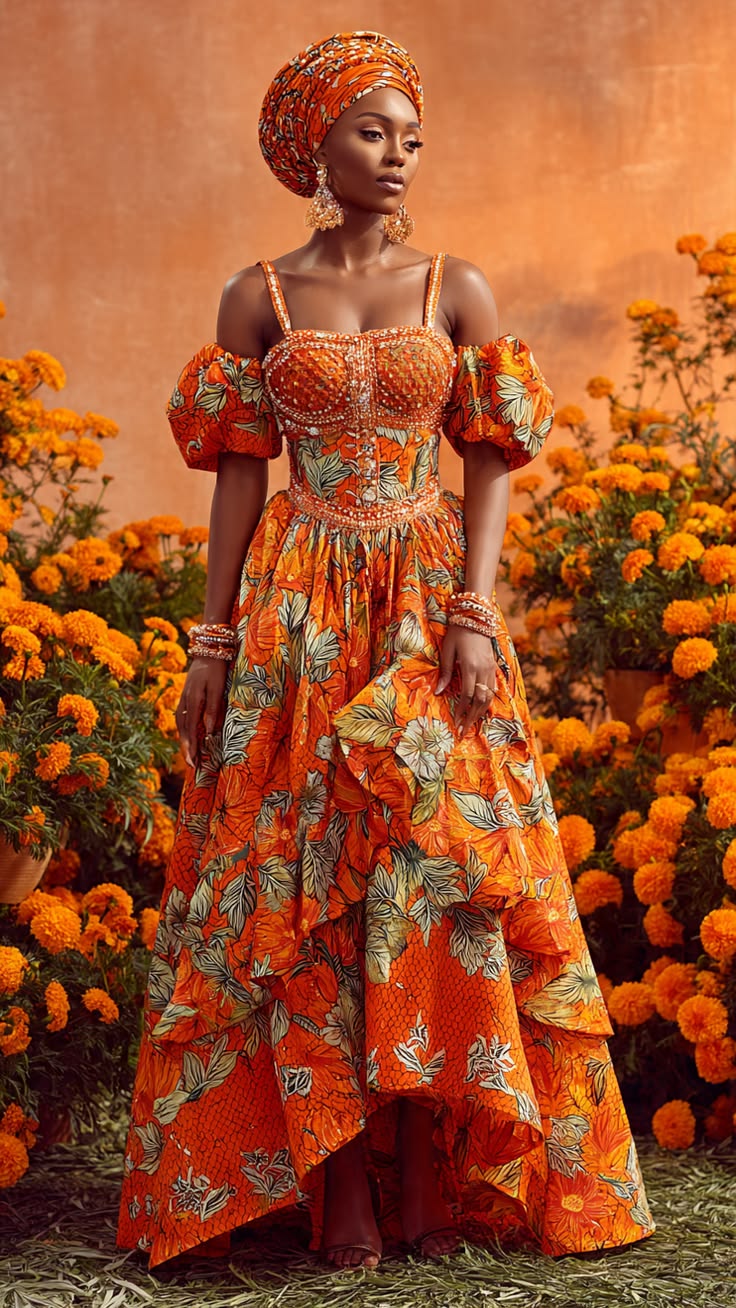
In Afro-Dominican communities, fashion extends beyond garments into hair culture and grooming practices that carry strong social meaning. Beauty salons operate as important cultural spaces where questions of presentation, professionalism, femininity, and racial identity are negotiated daily.
Straightened hairstyles have historically been associated with social mobility and formal presentation within Dominican public life. At the same time, natural hairstyles, braids, locs, and Afro-textured styles have become increasingly visible among younger Dominicans who are asserting stronger connections to Black identity and Afro-diasporic aesthetics.
These shifts are not simply trend movements imported through social media. They reflect broader conversations around race, colourism, and visibility within Dominican society. Fashion and grooming become part of how individuals position themselves socially and culturally.
Clothing follows a similar structure. Public presentation is taken seriously across class backgrounds, with attention placed on fit, cleanliness, grooming, and coordination. Even casual dress often carries a deliberate sense of presentation shaped by social expectations around appearance.
Afro-Dominican Spiritual Traditions and Ceremonial Dress
Afro-Dominican dress culture is also shaped by religious and ceremonial traditions, particularly in practices associated with palos and other Afro-syncretic spiritual systems. White garments commonly appear during ceremonies tied to purification, devotion, and ritual participation.
Headwraps, skirts, scarves, beaded accessories, and loose ceremonial clothing are worn according to spiritual context rather than fashion trend. The garments support movement, drumming, dance, and ritual activity. Their meanings are governed internally by practitioners and community traditions.
Importantly, these forms of dress are often treated as peripheral within mainstream representations of Dominican culture despite their long-standing presence. Afro-Dominican spiritual communities continue to sustain ceremonial clothing traditions through direct participation rather than institutional recognition.
Festival spaces also reinforce these dress systems. During patron saint celebrations and community ceremonies, Afro-Dominican clothing traditions become highly visible through music, procession, and ritual gathering.
Music, Culture, and Urban Afro-Dominican Style
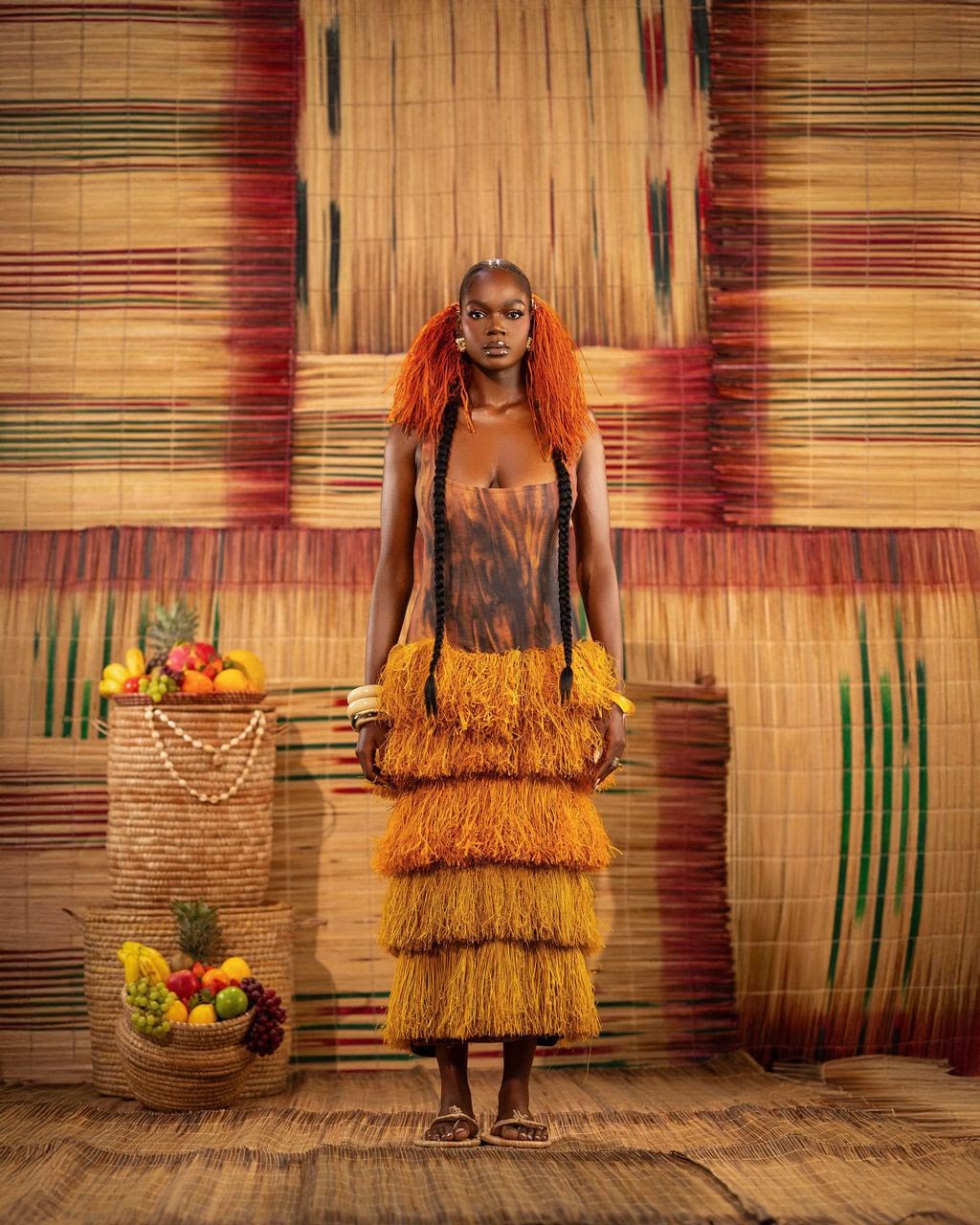
Music remains one of the strongest forces shaping contemporary Afro-Dominican fashion. Bachata, dembow, and Afro-Caribbean music scenes influence how young Dominicans dress, style themselves, and present their identities publicly.
In Santo Domingo, streetwear combines fitted silhouettes, sportswear, jewellery, sneakers, denim, and body-conscious styling, drawing on influences from Caribbean and Afro-diasporic fashion cultures. Fashion is often tied to visibility within nightlife, music performance, and social media spaces.
Dembow culture in particular has contributed to bold approaches to colour, accessories, grooming, and branded fashion. At the same time, many young Afro-Dominicans blend these contemporary aesthetics with Afrocentric styling choices such as natural hair, African-inspired jewellery, and clothing tied to Black cultural identity.
This combination reflects a broader shift where Afro-Dominican visibility is becoming more directly expressed through fashion and public presentation rather than remaining socially muted.
READ MORE:
- Afro-Caribbean Fashion in Haiti: History, Identity, and the Politics of Dress
- Afro-Caribbean Fashion in Trinidad and Tobago: Carnival, Community, and Cultural Identity
Visibility and the Question of National Identity
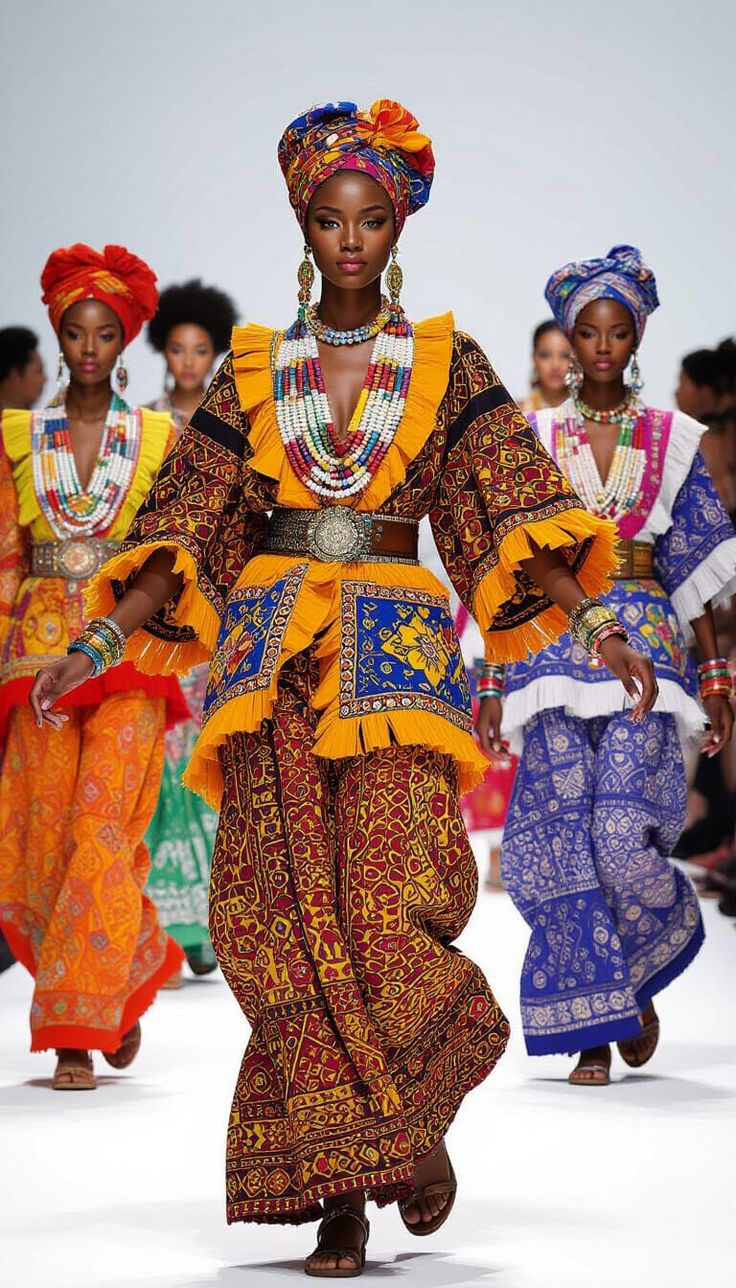
Afro-Dominican dress culture exists within ongoing debates around race and national identity in the Dominican Republic. For decades, dominant narratives often positioned Dominican identity in ways that distanced the country from Blackness despite the clear African influences embedded in language, music, religion, and everyday culture.
Fashion becomes part of this negotiation because clothing and grooming are among the most immediate ways identity is publicly read. Afro-Dominican communities continue to shape national culture while also navigating uneven recognition within it.
At the same time, Afro-Dominican fashion should not be reduced entirely to political symbolism. Much of its continuity comes from ordinary social practice: church dressing, salon culture, ceremonial wear, festival preparation, and everyday presentation across communities and generations.
The Omiren Argument
Dominican fashion is often framed through tourism imagery, European influence, or racially neutral urban style that obscures the role Afro-Dominican communities play in shaping the country’s dress culture. This interpretation treats Black cultural presence as secondary, even where it remains structurally central to music, spirituality, grooming, and public aesthetics.
In reality, Afro-Dominican fashion operates through interconnected systems of ceremonial dress, salon culture, music influence, and everyday social presentation. The question is not whether Afro-Dominican identity is visibly present in fashion culture. It already does. The deeper issue is whether national narratives are willing to recognise the extent to which Afro-Dominican communities continue to define the country’s aesthetic language in public life.
Omiren Styles documents fashion through the cultural systems that sustain it. Follow the Diaspora Threads series for grounded analysis of Afro-diasporic dress, identity, and creative practices across the Caribbean.
FAQs
1. What influences Afro-Dominican fashion?
Afro-Dominican fashion is shaped by music culture, salon culture, spiritual traditions, Afro-Caribbean identity, and everyday public presentation.
2. Why is hair culture important in the Dominican Republic?
Hair styling carries strong social meaning connected to beauty standards, professionalism, identity, and racial visibility within Dominican society.
3. What is ceremonial dress in Afro-Dominican traditions?
Ceremonial dress often includes white garments, headwraps, scarves, and beaded accessories worn during spiritual rituals and community celebrations.
4. How does music influence Dominican street style?
Bachata and dembow culture influence silhouettes, accessories, grooming, branding, and nightlife fashion across urban areas such as Santo Domingo.
5. Is Afro-Dominican fashion separate from Dominican fashion overall?
Afro-Dominican communities significantly shape Dominican fashion culture, though their influence is not always fully acknowledged in national narratives.