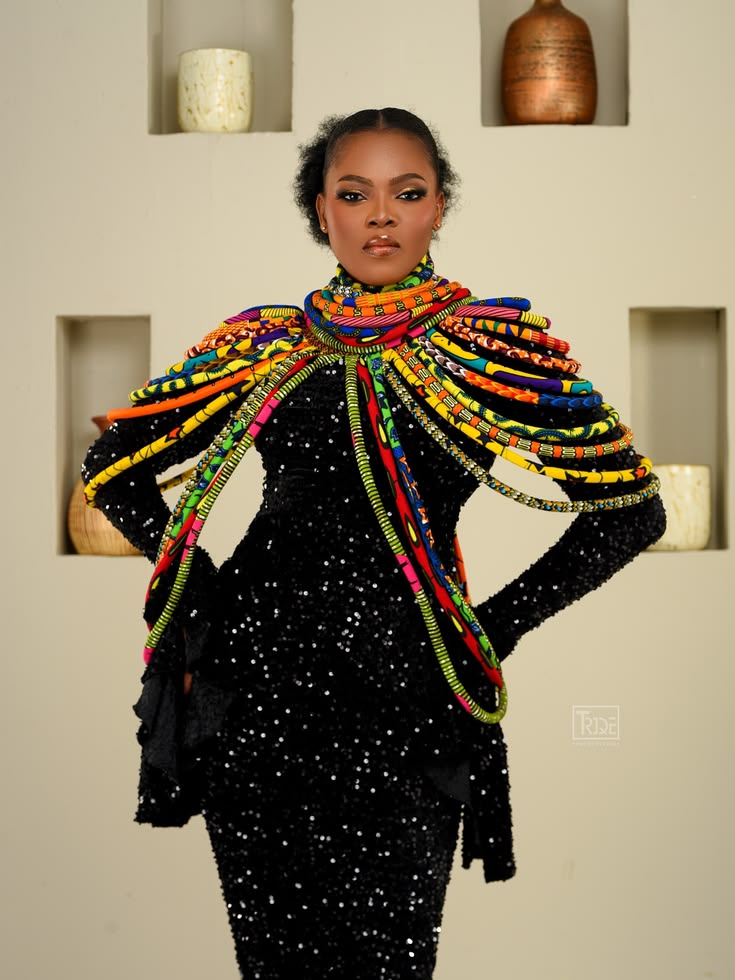
The global fashion map is quietly but firmly realigning in 2026. Traditional artistry is now seen as a high-end, nonverbal archive, beyond the superficial accessory of the past. The Zulu love letter (Ibheqe) is a visionary reset of the silhouette for the Omiren woman, a means of carrying a personal, spiritual conversation on her body while retaining an autonomous, commanding presence. This is a sovereign script created from the bright soil of KwaZulu-Natal, not just jewellery.
Chromatic precision defines the Zulu profile. She recognises each bead as a syllable and each hue as a frequency that guards her inner haven. By fusing the minimalist luxury of 2026 with the geometric architecture of her beading, she ensures that her public presence and personal narrative flow together perfectly. She demonstrates that her identity is an enduring, inclusive glow that conveys her meaning long before she talks by donning her love letter as a tactile shield.
Explore the Zulu Love Letter as a high-end, 2026 global fashion archive. Discover how the Omiren woman utilises the silent, geometric language of beadwork and soulful colour codes as a visionary shield of independent authority and ancestral intent.
The Poetry of the Triangle: Weaving a Life in Balance
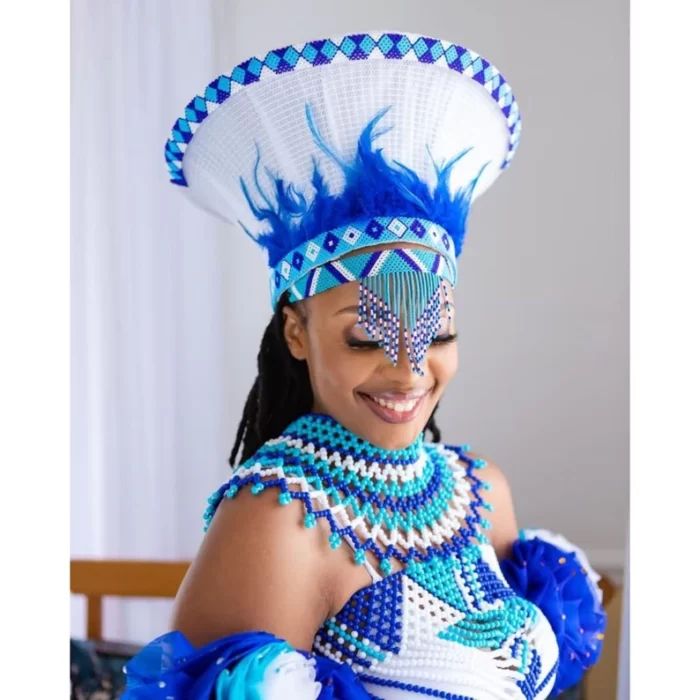
The first section of the map focuses on how three straightforward points can convey a complete life narrative. The triangle is the first letter of an old alphabet in the peaceful, deliberate realm of Zulu beading. It is the way a woman communicates with herself and her community without ever speaking up. The triangle’s point respects the masculine when it strives toward the sky, and it celebrates the feminine when it faces the earth. These shapes serve to anchor a woman’s spirit in a society that is often too fast-paced and noisy.
She is aware that the first impression she makes on the world is how she portrays herself. A life that has found its centre, a union of heart and mind, is symbolised by two triangles coming together at their tips to form a diamond shape.
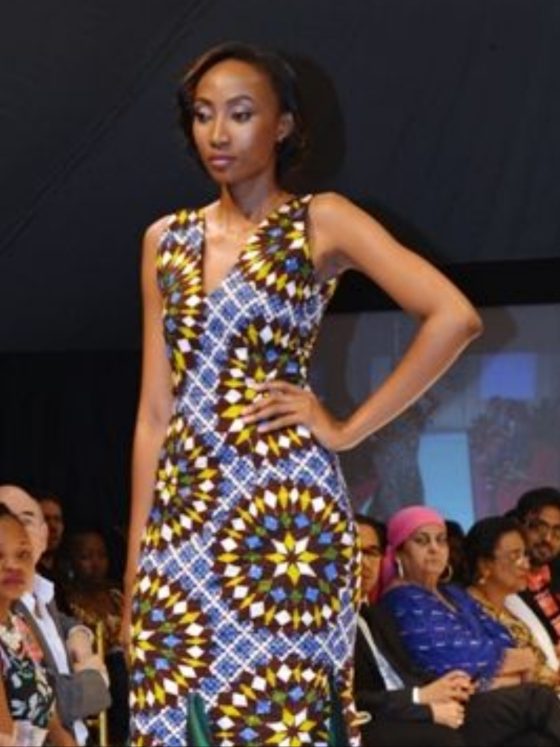
These rhythmic patterns are frequently incorporated into fabrics by brands like Sindiso Khumalo, serving as a reminder that the story doesn’t stop at the jewellery. It permeates the fabric of her clothing. She is honouring the women of the Valley of a Thousand Hills, whose hands have sustained this quiet conversation for generations, by selecting these pieces and supporting a slow, patient craft.
This type of luxury is distinct. It cherishes mother-to-daughter wisdom and the hours spent threading a single needle. Her beaded love letter conveys to everyone that she is rooted in something far more profound than the present season as she stands in a gallery or boardroom. Through the silent, dazzling power of the symbols she chooses to wear, she ensures that her voice is heard. She bears a history of grace and a future of purpose.
The Chromatic Map: A Soulful Dialogue in Colour
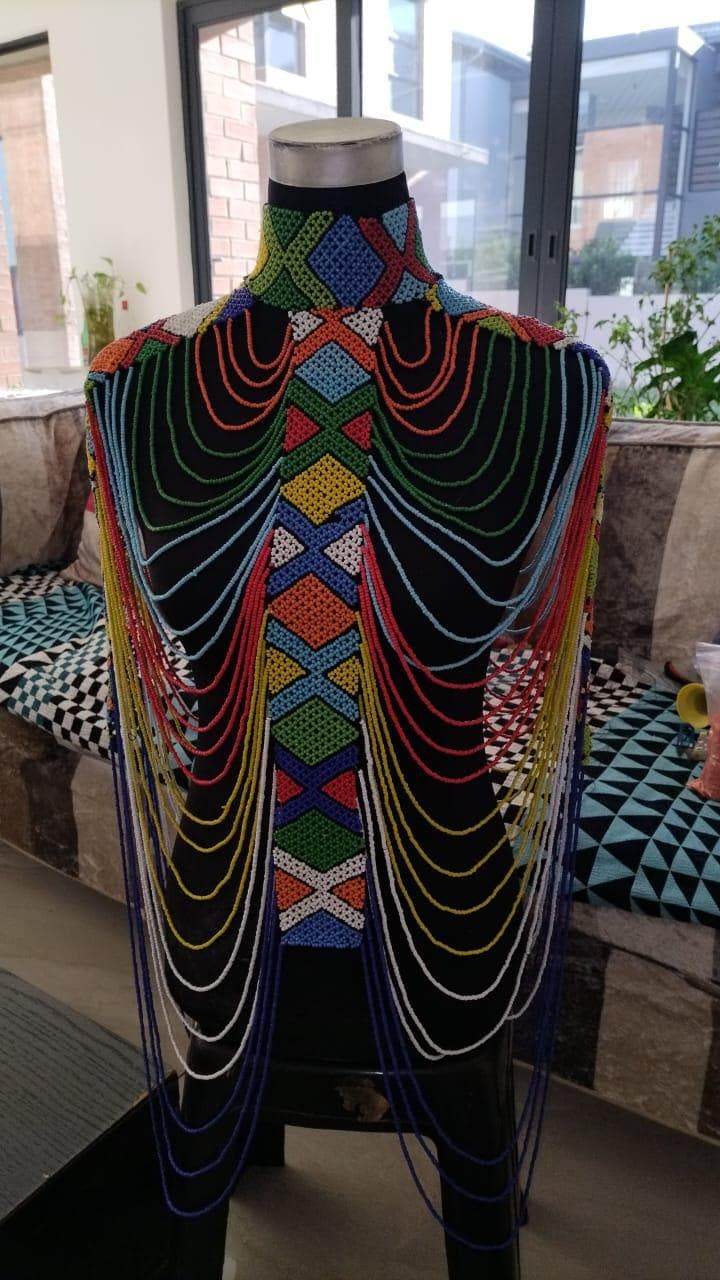
The story really starts to sing in the second section of the map. In the subdued realm of Zulu beading, colour is never just a matter of taste; it’s a deep code that communicates your heart’s present frequency to the outside world. These hues serve as an inner haven for the woman navigating the contemporary skyline. To ensure that her presence is seen as a dazzling, enduring radiance that symbolises her autonomous path, she selects these tints to ground her spirit.
These classic colour schemes are expertly transformed into upscale statements for the modern era by brands like Pichulik and MaXhosa Africa. She is communicating a language of faithfulness and spiritual clarity when she dons a strand of Zenzulu’s deep-blue-and-white beads.
Blue reflects the expanse of the sky and the unwavering intent of a lady who knows her path, while white stands for a pure heart and a calm mind. Choosing a silhouette that feels balanced and healthy while utilising the earth’s natural tints to convey a visionary tale is more important than following a trend.
She is aware that her clothes are a quiet revolution. These vivid, narrative colours are frequently included by brands like Sindiso Khumalo into their hand-loomed fabrics, serving as a reminder that every shade has a function.
Black is a potent sign of defence and ancestral strength, while green stands for the earth’s botanical sanctuary and human development. She is honouring the KwaZulu-Natal women whose hands have sustained this chromatic discourse for centuries by selecting these pieces, which are the result of a slow, patient craft.
This is a luxury that honours the colour’s backstory. Her love letter conveys a tale of elegance and purpose, whether she is standing in a business boardroom or a gallery bathed in sunlight. Her beaded archive speaks for her; she doesn’t have to speak to be understood. Using the subtle, radiant power of colour to ensure her voice is heard long before she speaks is a powerful, inclusive way to manage her public persona.
ALSO READ:
The Ritual of the Thread: Patience as a Power Move
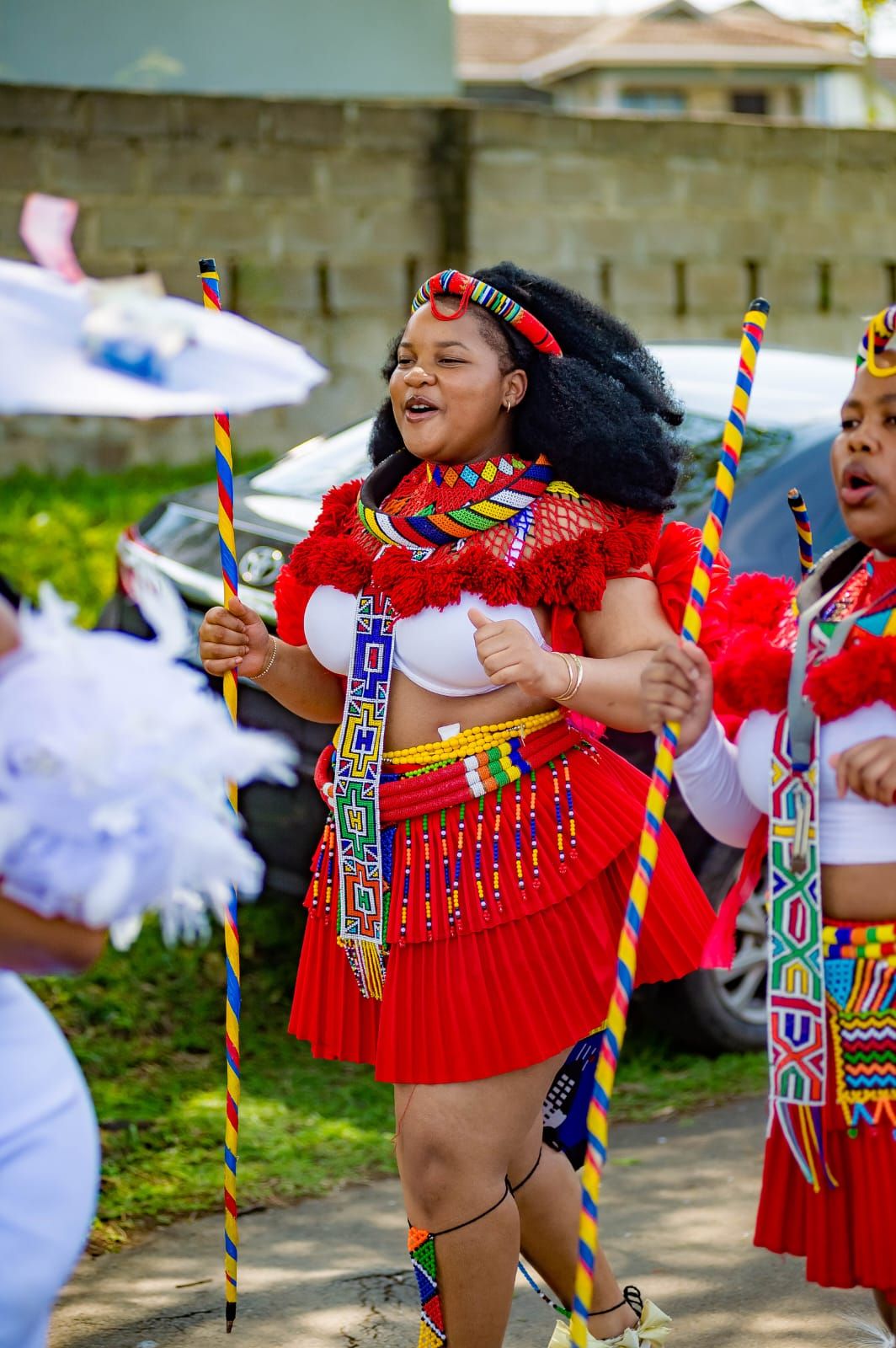
This map’s latter section is arguably the quietest yet strongest. The constant, repetitive motion of a needle through a thousand tiny glass seeds is the physical act of creation. The Zulu love letter is a poignant anchor in a culture that values the quick and fleeting. It serves as a reminder that genuine luxury cannot be hurried or duplicated by a machine. It takes the gentle hands of a woman who knows that a legacy is created one bead at a time.
By working with artisanal cooperatives where the ritual of the thread is a revered legacy, brands like MaXhosa Africa and Pichulik honour this methodical, painstaking process. The Omiren woman enters into a silent contract with the craftswoman when she selects a handwoven item from Zenzulu. This act of patronage is visionary. Every strain of the thread is a healthy, disciplined prayer for balance, and she cherishes the hours she spends in the sunshine of the KwaZulu-Natal highlands.
She is aware that this handcrafted patience reinforces her prominence in the global skyline of 2026. The most authoritative pieces are those that have been impacted by a human tale, as demonstrated by labels like Sindiso Khumalo, which frequently incorporate this hand-worked soul into their rigid designs.
Knowing that her wardrobe is a map of human connection gives her an eternal, brilliant radiance that serves as her inner sanctuary. It is a luxury that doesn’t shout; instead, it hums with the unwavering vitality of the ladies who have preserved this conversation for generations.
She takes on her own patient authority by donning these beads. Knowing that her love letter was written with a grace that transcends the transient, she navigates her day with a sense of autonomous sovereignty. She is rooted rather than merely dressed. The thread’s gentle, dazzling strength allows her voice to be heard, guaranteeing that her identity will always be as vivid and welcoming as the soil from where her narrative originated.
Conclusion
The Zulu love letter is a sovereign script that enables the Omiren woman to carry her heritage into the future, making it more than just a piece of jewellery. She aligns her contemporary life with a deeper map by selecting the triangle’s sharp lines, the soulful frequency of ancient hues, and the patient strength of hand-threaded beads. Her inner sanctuary is safeguarded by the stories she wears, which make for a luxurious and inclusive way to navigate the world.
Her beaded archive serves as a glowing compass as she traverses the worldwide skyline of 2026. Brands like MaXhosa Africa, Pichulik, and Zenzulu ensure this quiet conversation remains a visionary force in fashion, demonstrating that genuine luxury can be found in the methodical, steady pulse of the human hand. Her presence is a silent, self-reliant revolution; she doesn’t have to yell to be heard. She is a woman who understands that a skill that has endured, flourished, and still speaks with complete grace is the greatest way to convey her feelings.
Your style is your silent revolution. To discover the high-end, sustainable stories, artisanal Zulu craftsmanship, and soulful global connections that anchor the Omiren woman’s radiant map, explore the full Omiren Global Editorial Archive.
Frequently Asked Questions (FAQs):
1. What does the triangle symbol mean?
The triangle is the basic letter of this silent language. When the point faces down, it represents the feminine; when it faces up, it honours the masculine—joining them into a diamond signals a life in perfect, independent balance.
2. Which high-end brands use these designs?
Visionary labels like MaXhosa Africa and Sindiso Khumalo integrate these patterns into luxury clothing. Jewellery brands like Pichulik and Zenzulu create structural, hand-crafted pieces that honour the spirit of the bead for a modern silhouette.
3. How do the colours speak?
Each colour is a soulful code. White represents a clean heart, blue reflects faithfulness like the sky, and green symbolises the botanical sanctuary of the earth. Black is a powerful sign of ancestral protection and strength.
4. How should I style these pieces?
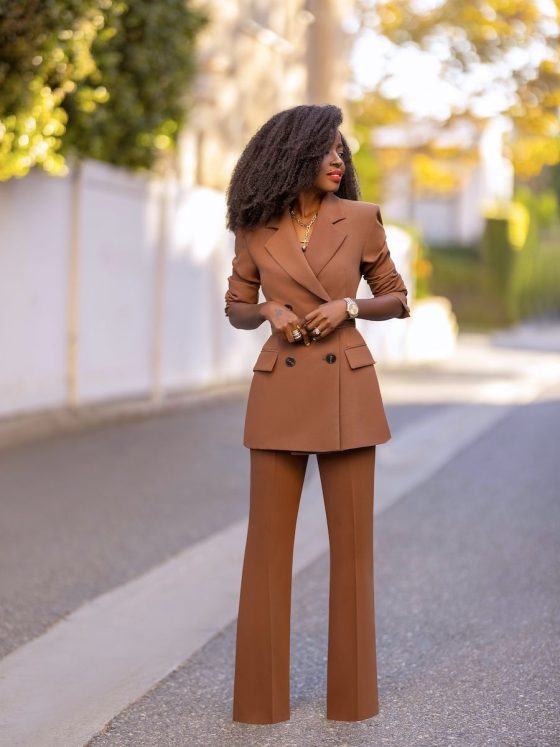
Treat the beadwork as a bold, singular statement. Pair a vibrant Zulu collar or a triangle pendant with minimalist basics, like a sharp silk blazer or a simple linen dress, to let the artisanal details act as your radiant shield.
5. Is this craft sustainable?
Yes. High-end Zulu beadwork is a patient, slow craft. Every piece is hand-threaded by artisans in South Africa, supporting a human-centred economy that values heritage over mass production.