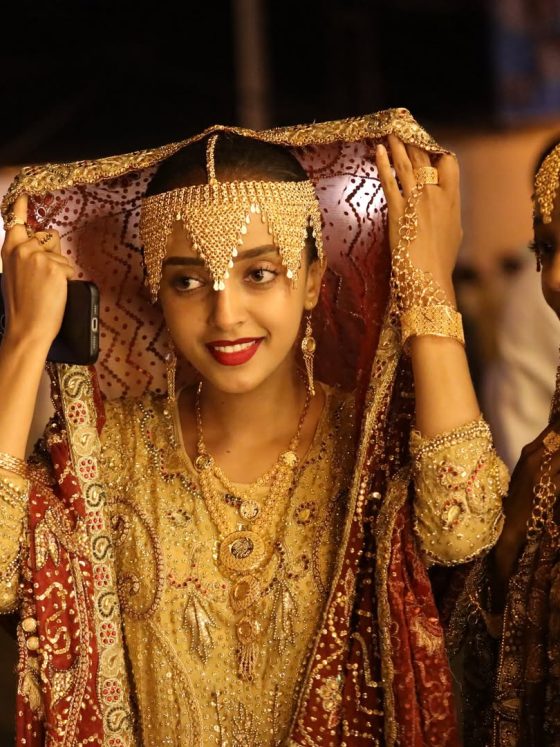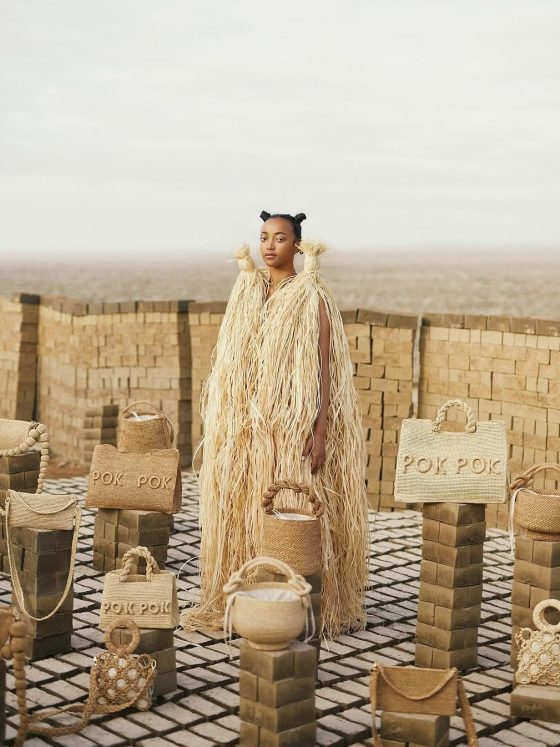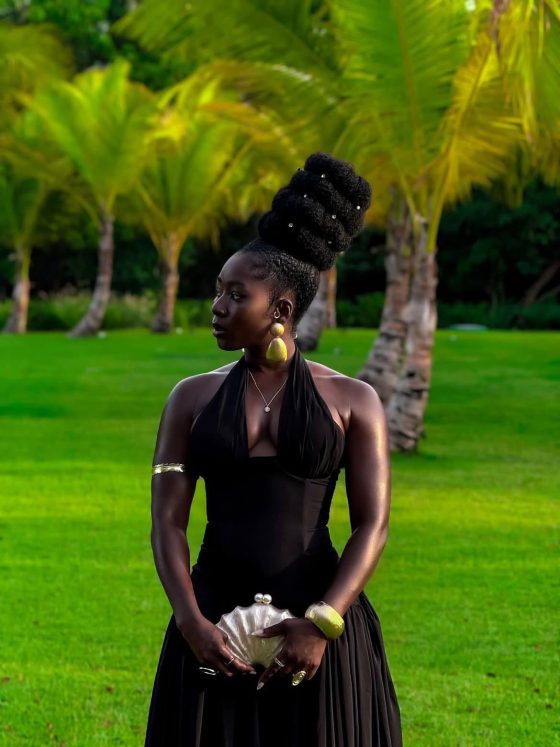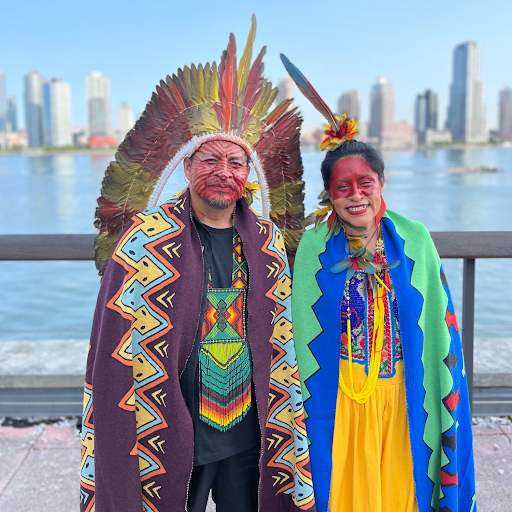
A story that defies modern definitions of fashion, lifestyle, and sustainability lies in the quiet pulse of the rainforest, the echo of ancient chants on windswept plains, and the rhythmic steps of dancers beneath starlit skies. Indigenous lifestyles, whether among the Amazonian peoples of South America, the Maasai of East Africa, or the Sami of the Arctic, are ecosystems of knowledge, culture, and creativity. To truly understand them is to see fashion not as seasonal runway trends, but as living expressions of identity, community, and relationship with the Earth.
This narrative is not only beautiful but also urgent.
Explore how indigenous lifestyles and fashions reflect profound ecological wisdom, resilient identities, and cultural resistance in a world reshaped by climate change and globalisation. Learn why protecting Indigenous rights and knowledge is essential to sustainable fashion and global well-being.
A Uniqueness of Culture, Environment, and Identity
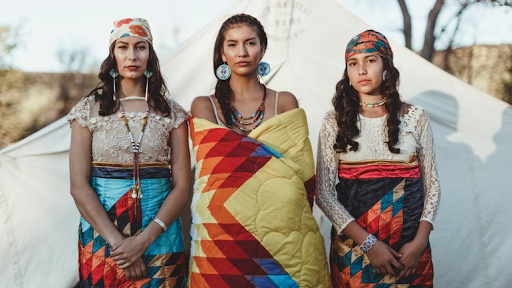
One cannot separate indigenous fashion and lifestyle from the land. Across continents and cultures, what people wear, how they make it, and the meaning behind every pattern are informed by centuries of observation, spiritual connection, and sustainable practice.
For the Amazonian tribes in Brazil, Bolivia, Peru, and Colombia, clothing adornment, feathers, beads, and body paint serve both symbolic and functional purposes. Materials are sourced from the forest: dyes from roots and berries, fibres from wild plants, and crafting techniques taught by elders. Every batik pattern or woven braid tells a story about ancestry, cosmology, or ecological stewardship.
In the Arctic, the Sami artisans of Norway, Sweden, Finland, and Russia fashion garments made from reindeer hide and wool, designed not only to protect against extreme cold but also to reflect clan identity through distinctive colours and embroidery.
Across Asia, the hill tribes of Vietnam, the Igorot in the Philippines, and the Ainu in Japan each maintain textile traditions deeply rooted in spiritual and environmental rhythms.
These communities demonstrate that fashion is not merely aesthetic; it is identity preserved through material culture.
Indigenous Knowledge as Sustainability in Practice
Sustainability today is often boxed as a corporate buzzword: “eco-friendly fabrics,” “carbon neutrality”, and “ethical supply chains”. But for Indigenous cultures, sustainability has always been a way of life.
Living in balance with nature shapes their understanding of materials. In many indigenous territories, traditional systems of hunting, gathering, crop rotation, and textile production are designed to regenerate rather than exploit. This philosophy goes beyond a minimalist lifestyle; it is a political and spiritual commitment to reciprocity with the Earth.
According to United Nations research, indigenous territories, overseen by local communities, cover a significant portion of the world’s natural lands and serve as strongholds for biodiversity. Indigenous custodianship has proven more effective than many industrial conservation models at protecting forests, maintaining landscapes that act as carbon sinks and safeguarding wildlife.
Indigenous fashion practices deeply integrate this ecological stewardship. For example:
- Natural plant dyes that do not contaminate rivers;
- For instance, consider manual weaving, which eliminates the need for fossil-fuel energy.
- Durable clothing designed to be repaired rather than discarded.
Indigenous fashion is not “sustainable” because it follows a trend; it defines what sustainability has always meant: living in harmony with the Earth, rather than extracting from it.
The Threat of Globalisation and Climate Change
Yet this rich tapestry of culture and environmental knowledge is under threat.
Globalisation, a force often lauded for economic growth, has simultaneously created waves that undermine indigenous ways of life. Urban centres are drawing young generations, ancestral languages are disappearing, and traditional knowledge is losing ground to media and consumer culture.
At the same time, climate change is not an abstract future; it is already reshaping indigenous lives. In the Arctic, melting sea ice has disrupted hunting and food gathering. In the Amazon, drought and biodiversity loss threaten access to traditional foods and medicinal plants.
Across East Africa and Central Asia, shifting rainfall patterns and desertification are forcing pastoralist communities to change migratory routes and grazing practices, often with devastating consequences for cultural continuity.
These environmental shifts are not happening in isolation. They compound centuries of structural marginalisation: native peoples often have limited political representation, are excluded from climate financing mechanisms, and face land rights battles with extractive industries looking to drill, mine, or deforest their territories.
The United Nations Plays a Crucial Role in Protecting the Rights of Indigenous Peoples.
The global community has recognised the central role indigenous people play in ecological and cultural sustainability. The United Nations Declaration on the Rights of Indigenous Peoples (UNDRIP) affirms the rights of indigenous communities to maintain their cultural heritage, traditional knowledge, and intellectual property in relation to their cultural expressions, including crafts and design.
Furthermore, the 2030 Agenda for Sustainable Development, embodied in the Sustainable Development Goals (SDGs), calls for inclusion, protection of cultures, and environmental stewardship. Global processes increasingly incorporate indigenous voices, acknowledging the crucial role of indigenous wisdom in achieving sustainable development.
Yet reports note a stark imbalance: although indigenous people make up about 6% of the global population, they protect roughly 80% of the remaining biodiversity, and less than 1% of climate finance reaches these communities directly.
Fashion As Living Heritage & Cultural Resilience
What does this mean for indigenous fashion and lifestyle?
First, fashion must be understood as intangible cultural heritage: knowledge and practices passed down through generations, not as intellectual property to be commodified or appropriated without consent.
Second, proper respect for indigenous creative expressions includes:
- It is crucial to honour the free, prior, and informed consent of Indigenous peoples before using their cultural designs.
- It is crucial to acknowledge the intellectual property rights of Indigenous peoples in symbols and patterns.
- It is crucial to guarantee that artisans and communities maintain authority over the dissemination, sale, and interpretation of their creations.
Celebrated indigenous designers, such as those from Peru, the Navajo Nation in the United States, the Maasai in Kenya and Tanzania, and the Hmong communities of Southeast Asia, are redefining contemporary fashion by centring ancestral knowledge, sustainable materials, and community value systems.
These makers remind us that fashion can be a story, a protest, an ecology, and an identity all at once.
Cultural Preservation Through Lifestyle Practices
Indigenous lifestyles are more than fashion. They include language, food systems, social governance, and artistic practices. Languages, in particular, carry encoded knowledge of landscapes, medicinal plants, and cosmology. The United Nations has designated 2022–2032 as the International Decade of Indigenous Languages to stem the rapid loss of these linguistic treasures.
A language’s death means the end of a way of seeing the world. Forgetting a traditional stitch leads to the disappearance of a pathway to ecological knowledge. The connection between culture, land, and creativity is indivisible, and safeguarding it is essential not only for indigenous peoples but also for humanity’s collective future.
Building Bridges Between Worlds
For brands such as Omiren Styles, which advocate heritage, cultural respect, and sustainable style, this episode serves as a clear reminder: fashion can be a bridge rather than a destructive force.
Indigenous fashion should not be mined solely for exotic aesthetics. It should be nurtured as a living practice:
- Celebrate indigenous designers as creators, not motifs.
- Amplify voices that speak from within indigenous experience.
- Support community-led initiatives to ensure the continued practice of traditional arts.
This approach aligns with the global goals of respect, equality, and environmental stewardship, and it places indigenous peoples at the centre of fashion’s future narrative rather than on its margins.
ALSO READ:
- Bezawit Tibebu: Where Ethiopian Textiles Meet Contemporary Discipline
- Fashion Cycles and Identity: Why We Keep Returning to Past Styles
- Afro-Arab Modest Streetwear: Identity & Urban Faith
Stories of Resilience and Hope
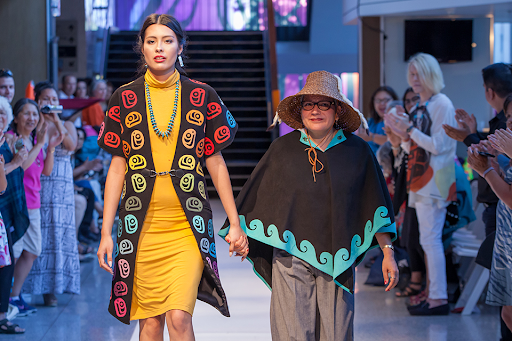
Despite the threats, indigenous communities continue to adapt, not by abandoning tradition, but by weaving it into contemporary life. Whether it’s Amazonian artisans using sustainable platforms to sell their crafts internationally or Arctic communities blending traditional reindeer-hide techniques with modern design, indigenous creativity is not static. It is living resilience.
These stories echo the reality championed by sustainability advocates: real climate solutions come from those who have lived with the Earth for millennia.
A Future Sewn Together
Indigenous lifestyle and fashion remind us of an essential truth: we do not wear clothes; clothes wear us. They are expressions of worldviews, histories, and relationships with our planet.
As globalisation and climate change redefine landscapes and cultures, indigenous fashions and lifestyles are not relics to be observed from afar; they are models for sustainable, meaningful lives that the world desperately needs.
Preserving them means supporting indigenous rights, protecting lands and waters, valuing traditional knowledge, and understanding that sustainability is not a trend; it is a lifeworld.
Indigenous advocates argue that sustainable living is a shared duty to the Earth and to one another, not merely a trend.
FAQs
1. What does “Indigenous fashion” really mean beyond clothing?
Indigenous fashion is far more than garments or accessories; it is a living expression of identity, land, spirituality, and collective memory. Centuries of environmental knowledge and cultural meaning shape every material, colour, pattern, and technique. Unlike mainstream fashion, which often follows seasonal trends, Indigenous fashion reflects continuity, community values, and a reciprocal relationship with nature. It functions as a form of storytelling, social identity, and ecological practice simultaneously.
2. Why is Indigenous knowledge central to sustainability and climate solutions?
Indigenous knowledge systems are rooted in long-term environmental stewardship rather than short-term extraction. Indigenous practices prioritise ecological balance, from regenerative farming and ethical hunting to natural dyes and manual weaving. Research consistently shows that Indigenous-managed lands protect a significant share of global biodiversity. In this sense, Indigenous fashion and lifestyle do not imitate sustainability trends; they define sustainability through lived practice.
3. How do globalisation and climate change threaten Indigenous cultures and fashion traditions?
Globalisation often accelerates cultural erosion by replacing traditional livelihoods, languages, and artisanal practices with mass production and urban migration. Climate change compounds these pressures by altering ecosystems on which Indigenous communities depend for materials, food, and cultural rituals. Melting Arctic ice, Amazonian deforestation, and desertification in pastoral regions directly threaten both cultural survival and the continuity of Indigenous fashion traditions tied to the land.
4. How can the fashion industry engage with Indigenous cultures ethically and respectfully?
Recognising Indigenous fashion as cultural heritage rather than a freely appropriated design resource is the first step toward ethical engagement. This means respecting free, prior, and informed consent, acknowledging intellectual property rights, and ensuring Indigenous communities retain control over how their designs are used and shared. Supporting Indigenous designers as creators, investing in community-led initiatives, and amplifying Indigenous voices are essential steps toward a fashion industry rooted in respect, equity, and sustainability.