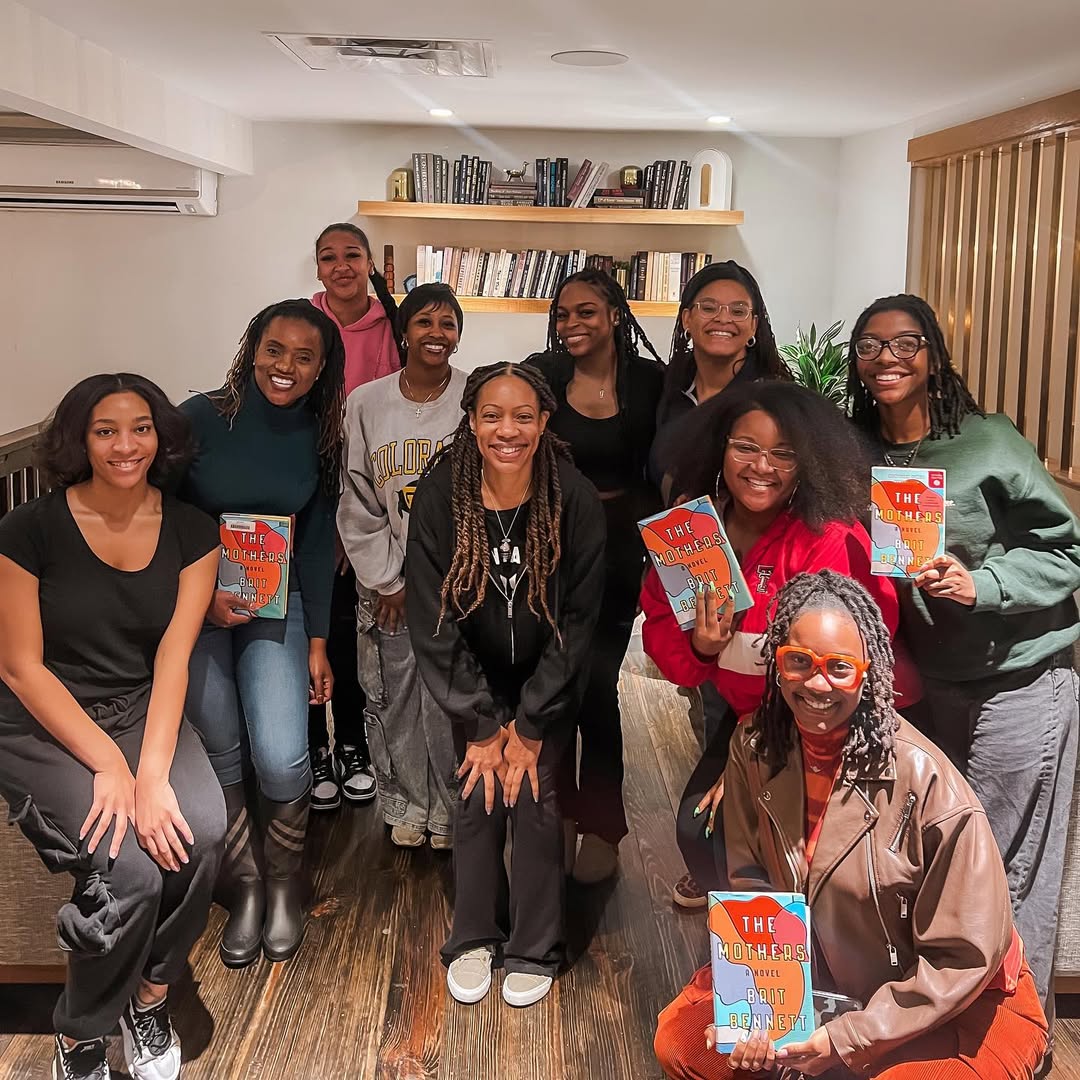
Reading has always been political. For people denied the right to read, shut out of publishing, or erased from literary history, book clubs mean far more than passing the time. Book clubs play a crucial role in preserving culture, resisting injustices, and reclaiming the lost. Right now, women-led book clubs across countries and the internet are reshaping how stories spread, what gets noticed, and who holds power in the literary world. Take Well-Read Black Girl. Glory Edim started it as a book club in 2015, and now it’s a festival, a podcast, a book series, and a massive online community with over half a million followers. When marginalised people create their own By creating spaces for books, these clubs establish a new focus that centres on the voices of their members. Whoever decides which stories to share and how people discuss them holds cultural power.
Discover global book clubs led by visionary women creating literary sanctuaries where heritage, identity, and storytelling converge to reshape reading culture.
Why Book Clubs Matter as Cultural Archives
Traditional institutions’ shortcomings led to the emergence of book clubs like these. Publishing houses treated diverse writers like a side note, not the main event. Prominent newspapers kept reviewing books from the same narrow crowd. Prestigious awards mostly went to stories about elite lives, ignoring the realities of working-class folks, immigrants, or people outside the West. Women leading book clubs saw how their communities were shut out, so they built their own spaces – places where their stories are actually read, discussed, and celebrated.
1. Well-Read Black Girl – From T-Shirt to Literary Movement
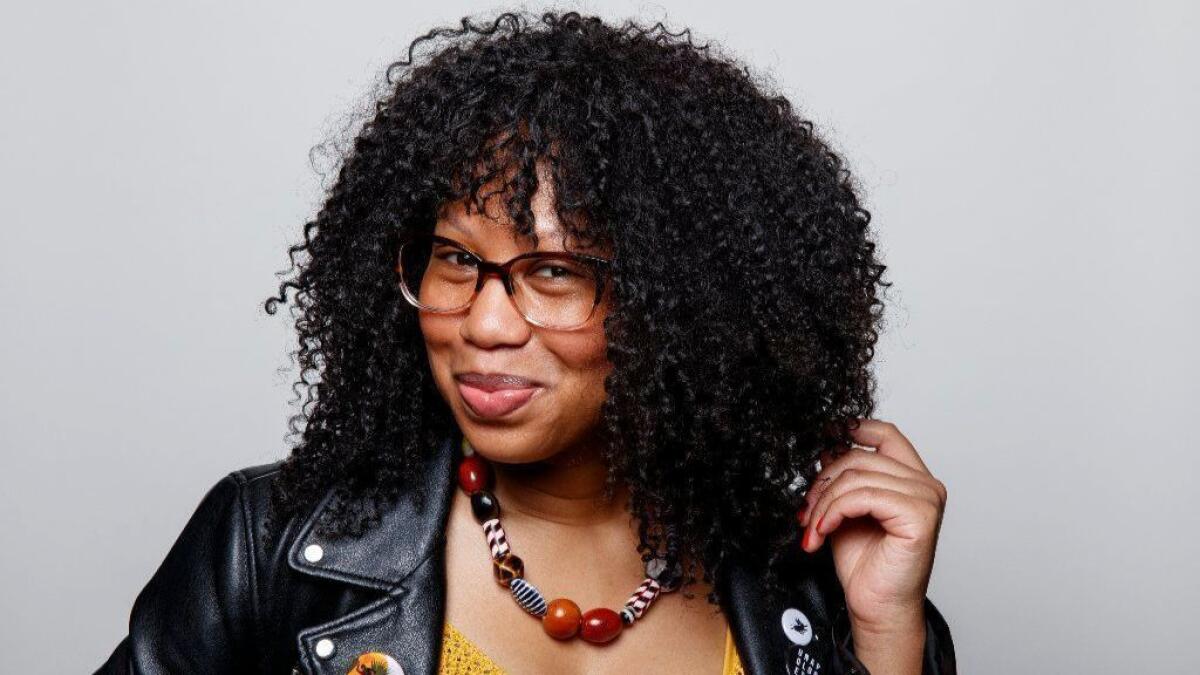
Well-Read Black Girl started with a simple gift. Glory Edim‘s ex gave her a “Well-Read Black Girl” shirt for her birthday, and when she wore it around New York, strangers kept asking where she got it. In the beginning, it was just a handful of women—ten, maybe fifteen—meeting and talking about books. It grew slowly, but it grew. Now, the anthology is up for an NAACP Image Award, and writers such as Jesmyn Ward, Lynn Nottage, Jacqueline Woodson, and Tayari Jones have all contributed. Glory spotlights the richness of Black culture through her festival and podcast as well. What started as small gatherings in Brooklyn apartments turned into something much bigger: festivals, podcasts, books, and a nonprofit. Well-Read Black Girl proves that book clubs can become launchpads for bigger movements – reading together can spark publishing projects, events, and organisations that open up real opportunities and keep literary traditions alive.
2. Mocha Girls Read – Multi-City Safe Spaces
Alysia founded Mocha Girls Read, and now it has chapters in 14 cities across the US, plus an online community. The club knows that book communities work best when there’s a mix of in-person meetups and online connections. Mocha Girls Read understands that the atmosphere varies based on one’s location – engaging in romance in Atlanta differs from discussing history in Detroit, despite the club’s shared values. Their book list covers everything from romance to history, challenging the idea that “serious” book clubs read only literary fiction. Mocha Girls Read sees that all genres matter – romance novels about Black love have their place, and thrillers with Black main characters give fans the representation they want. It’s a reminder that every kind of reading builds community, sharpens minds, and helps keep culture going.
3. The Free Black Women’s Library – Art Meets Activism
OlaRonke Akinmowo runs The Free Black Women’s Library out of Brooklyn, and it takes book clubs in a different direction – part art, part activism. She’s collected a vast number of books by women of colour and turned the library into a living arts installation. It’s not just about lending out books. It’s a bold statement about preserving stories, honouring knowledge, and deciding what to pass down. The Free Black Women’s Library makes the invisible visible, showing off the sheer range of literature that big institutions often ignore. It blurs the boundaries between book clubs, libraries, galleries, and social movements. When people show up, they don’t just borrow a book – they join a bigger conversation about who shapes the literary canon, which voices matter, and how communities keep their history alive even when official institutions won’t. This model shows that book clubs can be a real force for change.
4. Smart Brown Girl – Global Digital Reach
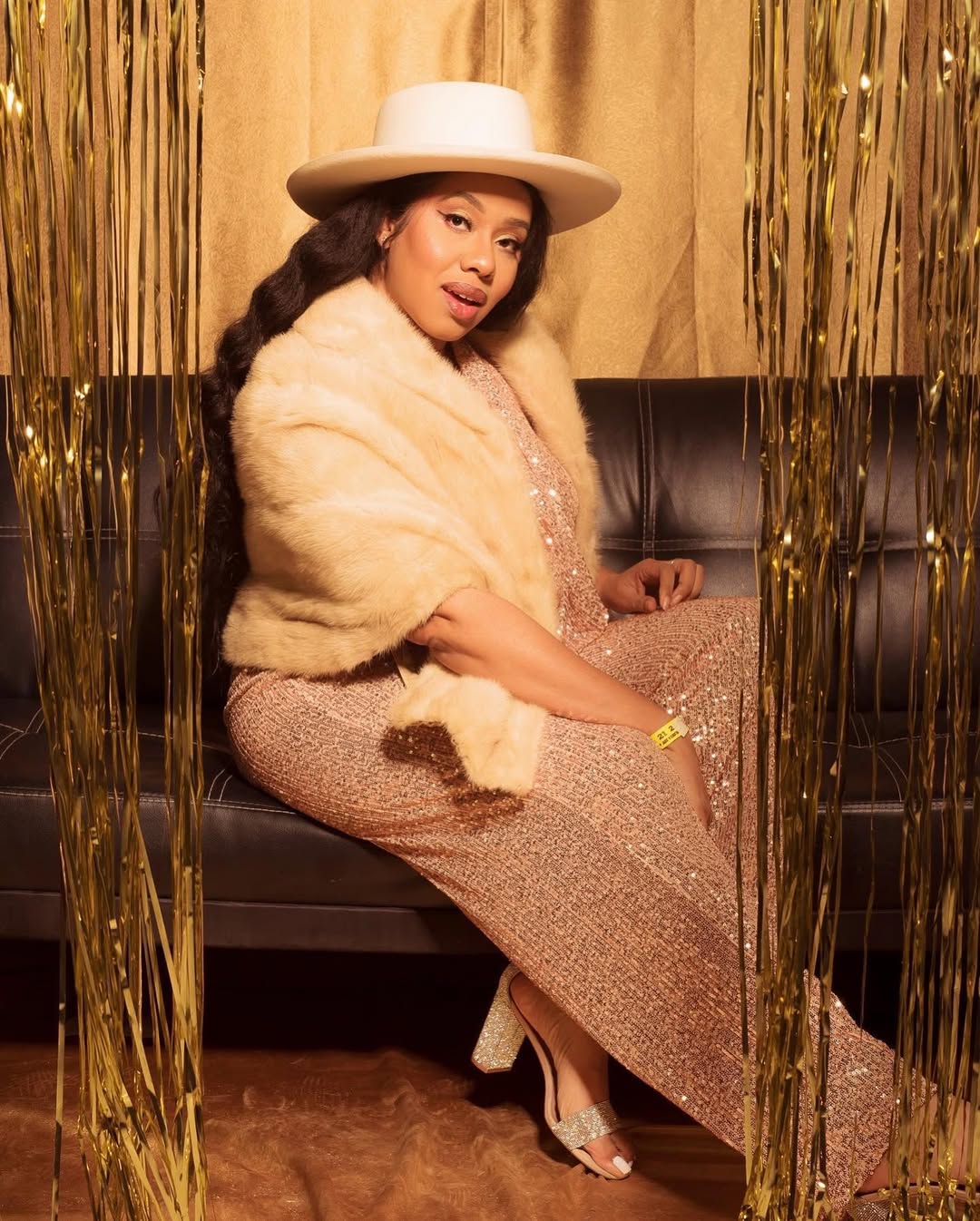
Noname’s mum, Desiree, was the first Black woman to own a bookshop in Chicago. She ran the Afrocentric Bookshop, which closed back in 2008. Even though that chapter ended, digital book clubs like Smart Brown Girl keep that spirit alive in a new way. Started by YouTuber Jouelzy, Smart Brown Girl uses the power of social media to pull together a global community that celebrates literature by and for women of colour.
Their digital-first style is excellent because it’s open to everyone, regardless of where they live or their life circumstances. You don’t need money for travel or even the ability to leave your house. Smart Brown Girl gets that accessibility isn’t just a bonus; it’s essential. Not everyone can make it to a meeting in person, but online, people can join the conversation when it works for them, across time zones and busy schedules, and still feel like they belong.
5. Noname Book Club – Hip-Hop Meets Literary Culture
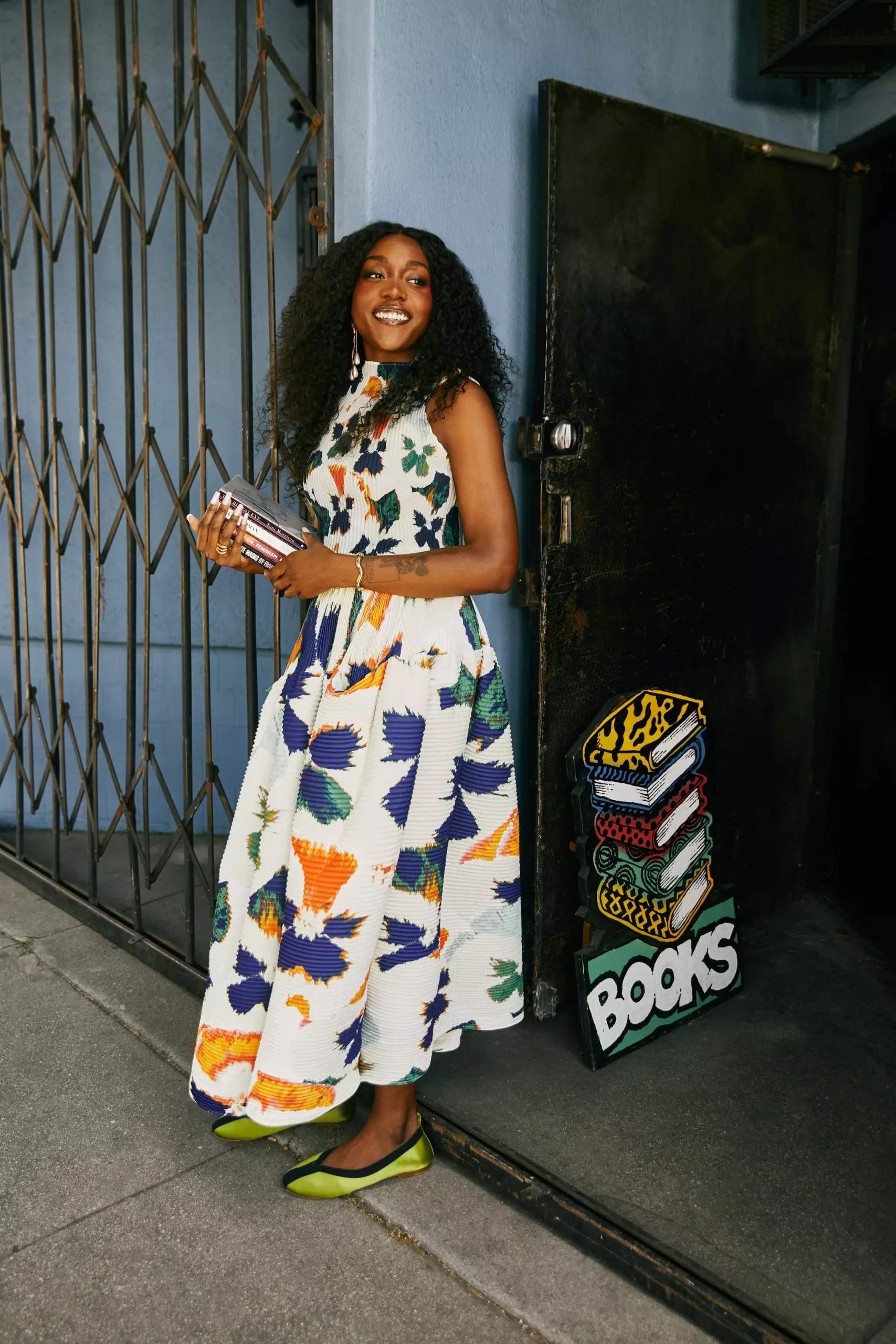
The Noname Book Club kicked off in the summer of 2019 by choosing two books every month—what they call “reading material for the homies.” The picks aren’t just for show; they dig into real human experiences, always pushing for something deeper and more original. Noname herself told ESSENCE she struggled with reading as a kid, but everything changed in high school when she read Toni Morrison’s The Bluest Eye: “I remember reading that and my mind being blown.”
Now, the club reaches more than 82,000 people on Twitter and 52,000 on Instagram. Every month, they highlight two books by authors of colour, sparking discussions online and in six cities around the country. They urge members to support not only writers but also Black-owned bookshops and public libraries. In 2020, they even raised money to send club picks to people in prison.
But the initiative isn’t just about reading lists. Noname Book Club sits right at the intersection of hip-hop and books, making it clear that those worlds have always overlapped. Noname puts it straight: “I feel like there’s always been a stigma on Black people and reading just because historically, we were boxed out of that process. I’m trying to break apart the stereotype that n*ggas don’t read because we definitely do.” Their prison book project delves deeper into the concept of justice. Everyone deserves access to books, especially folks behind bars. Reading can open doors to new ideas, culture, and critical thinking, and that’s a right, not a privilege.
6. For Colored Girls Book Club – Regional Community Building
The Coloured Girls Book Club, started by Gizelle Fletcher in Indianapolis, meets online every fourth Tuesday. The club focuses on elevating voices that often go unnoticed, even in environments that aim for inclusivity. That steady schedule gives members something to count on, turning reading into a shared ritual instead of something you do alone.
The name “For Coloured Girls” isn’t random – it nods to Ntozake Shange’s iconic choreopoem. That’s a signal: the club honours experimental, boundary-pushing work along with traditional fiction. It’s about carrying on a literary tradition that values women’s stories, celebrates Black language, and doesn’t play by the old rules.
7. Black Girls Read Book Club – Hyperlocal Focus
In Chicago, Cynthia Okechukwu founded Black Girls Read Book Club to spotlight local voices. Their “12 Books by Black Chicago Women Challenge” shows how book clubs can actually become living archives for their cities. Instead of just picking the most prominent names that everyone knows, the club digs into Chicago’s own literary scene, supporting homegrown writers and telling stories that belong to the community.
This local-first approach matters. Every city has its own literary flavour, and Chicago’s is rich – from legends like Gwendolyn Brooks to today’s writers like Eve Ewing. But it takes more than history; contemporary authors need real support. Black Girls Read Book Club builds that support, giving new writers an audience and helping readers feel more connected to the city’s ongoing story.
8. Roots and Reads Book Club – Diaspora Connections
Roots and Reads brings together women in Costa Rica and across the diaspora, showing how book clubs keep cultural ties alive, no matter how far people are from home. For folks living away from their homeland, book clubs become a kind of virtual gathering place – a way to share stories, memories, and ideas, even if everyone’s scattered across the globe.
They dive into fiction, memoir, and poetry by writers from all corners of the African diaspora. The club doesn’t let geography or the publishing world’s narrow focus set limits. Members might call Costa Rica home, but the reading list stretches from the Caribbean to Africa to the U.S., mirroring the many layers of diasporic identity. By crossing borders through books, this club keeps culture moving and growing, wherever its members find themselves.
9. Booked & Black – Genre-Focused Safe Haven
Booked & Black, led by Lala and UrBookBoo, is a club that embraces genres such as romance, thrillers, and sci-fi, which many often dismiss as “not serious”. That matters because when critics dismiss these genres, they’re usually ignoring stories and readers who are primarily women and mostly people of colour.
Booked & Black flips the script. They dig into romance novels to talk about Black love, break down how Black sci-fi authors dream up new worlds, and treat these stories with the same respect literary fiction gets. Calling it a “haven” isn’t just a slogan – it’s about giving readers a space where nobody questions their choices or their joy.
10. Brown Sugar Book Club – Remote Accessibility
Brown Sugar Book Club calls Greensboro, NC, home, but they open their doors to anyone, near or far. This hybrid vibe means local folks get to meet face-to-face, whilst remote members still jump into the same books, conversations, and sense of belonging – distance doesn’t get in the way.
This setup works because book clubs mean different things to different people. Some want deep dives into literature; others come looking for friendship or a place to connect with their culture. The hybrid model lets everyone find what they’re after, making the space both welcoming and close-knit.
How Do These Book Clubs Create Economic Impact?
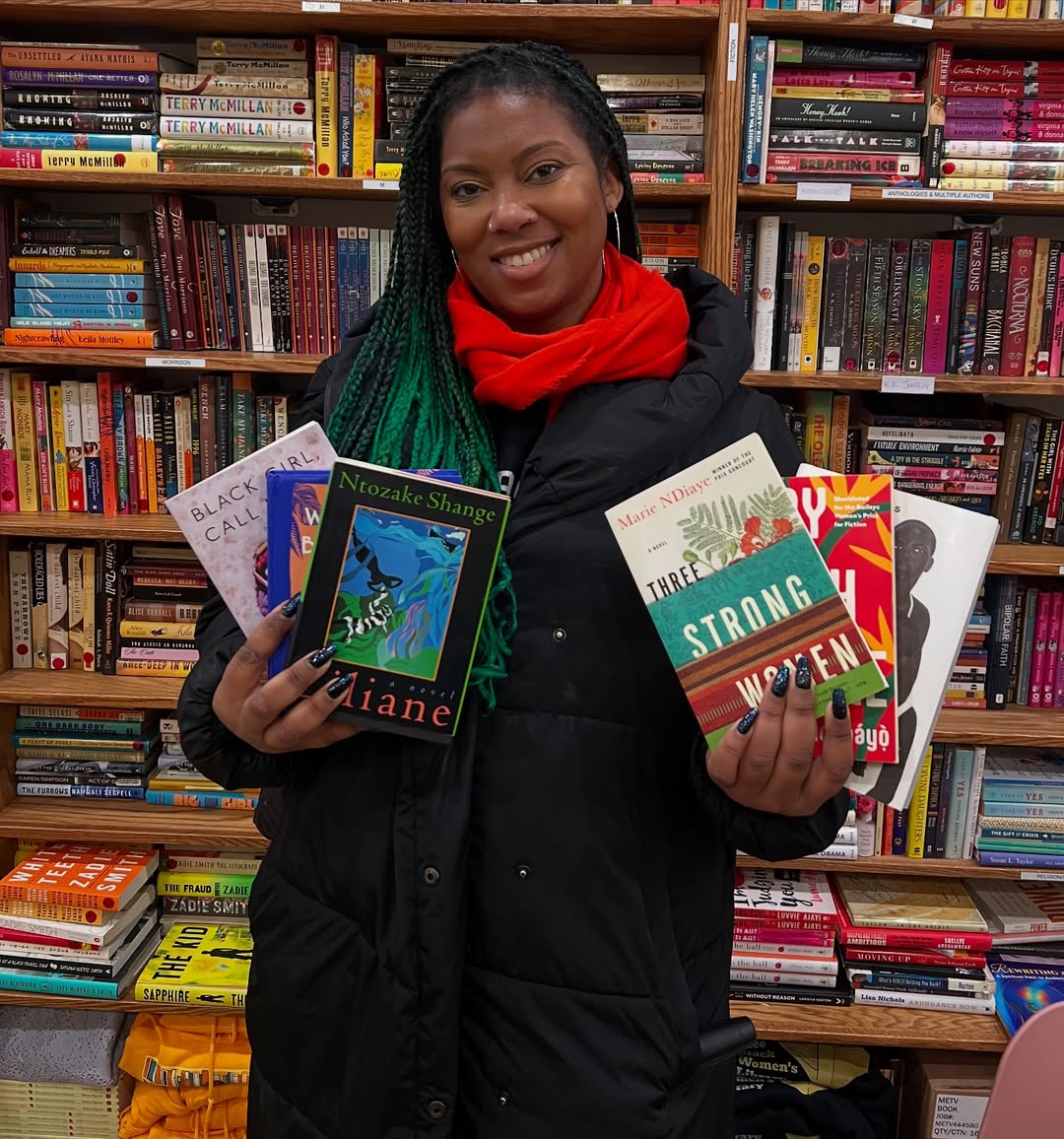
Book clubs do more than swap stories – they move money. When a club picks a book, sales jump. They pay actual fees when they invite authors. When they buy from indie bookshops, those shops win. It’s not just about sharing culture; it’s about keeping creators and businesses afloat.
Lots of these clubs ask members to buy from Black-owned bookshops, not just grab a copy off Amazon. They know that where people spend money decides which businesses last. In this way, book clubs become engines of economic justice, sending dollars back into their own communities rather than to big corporations.
READ ALSO:
- Graphic Novelists Rising: Redefining Sequential Storytelling
- 10 African Writers Shaping Modern Literature
- 10 Women Leading Global Media: Redefining Journalism and Entertainment
Why Does This Movement Matter Beyond Books?
There’s a bigger lesson here: when mainstream spaces stay closed off or are slow to change, marginalised communities don’t wait. They build their own. These book clubs operate based on distinct principles, prioritising community, creating opportunities, and preserving cultural traditions.
This approach works outside the book world, too. Any field where gatekeepers keep people out can use the same playbook. Book clubs show what’s possible when people come together to build spaces that actually serve them, and they do it in a way that lasts.
Celebrate art, identity, and inspiration — explore Culture & Arts on OmirenStyles.
Frequently Asked Questions
1. What sets these book clubs apart from the usual ones?
They put the spotlight on authors and stories that mainstream literary circles tend to ignore. These clubs carve out safe spaces for people to talk about books that actually reflect their lives. Instead of chasing bestseller lists, they care about preserving culture and building real support for writers and booksellers in marginalised communities. Moreover, they serve as active repositories, safeguarding literary customs that could otherwise disappear.
2. How do you join?
Most clubs meet both in person and online. Take Well-Read Black Girl —they’ve got a newsletter and are pretty active on social media. Noname Book Club posts their picks on their website and runs chapters in different cities. Mocha Girls Read does things city by city, too. Honestly, you don’t have to live nearby. Many clubs welcome folks to join discussions through social platforms or virtual meetups.
3. Why focus on books by and for communities of colour?
This is due to the long-standing marginalisation of these voices in mainstream publishing, leaving significant gaps in our literary history. These clubs step in to fix that. They centre stories that actually show the range of human experience, back up writers up against systemic barriers, and give readers a place to see themselves in books – a chance mainstream culture rarely offers.
4. Do these clubs only read heavy or “serious” books?
Not at all. You’ll find everything from romance and thrillers to sci-fi, memoir, and literary fiction. They know all reading matters, and that so-called “highbrow” and “lowbrow” labels usually come from old ideas about race and class. The point is to celebrate whatever stories bring people joy and build community.
5. How do these clubs support authors financially?
They pick books, boost sales, invite authors to paid events, team up with indie bookshops, promote titles on social media, and steer their pounds to Black-owned shops instead of big chains. All of this helps writers keep writing and keeps cultural resources rooted in the community.