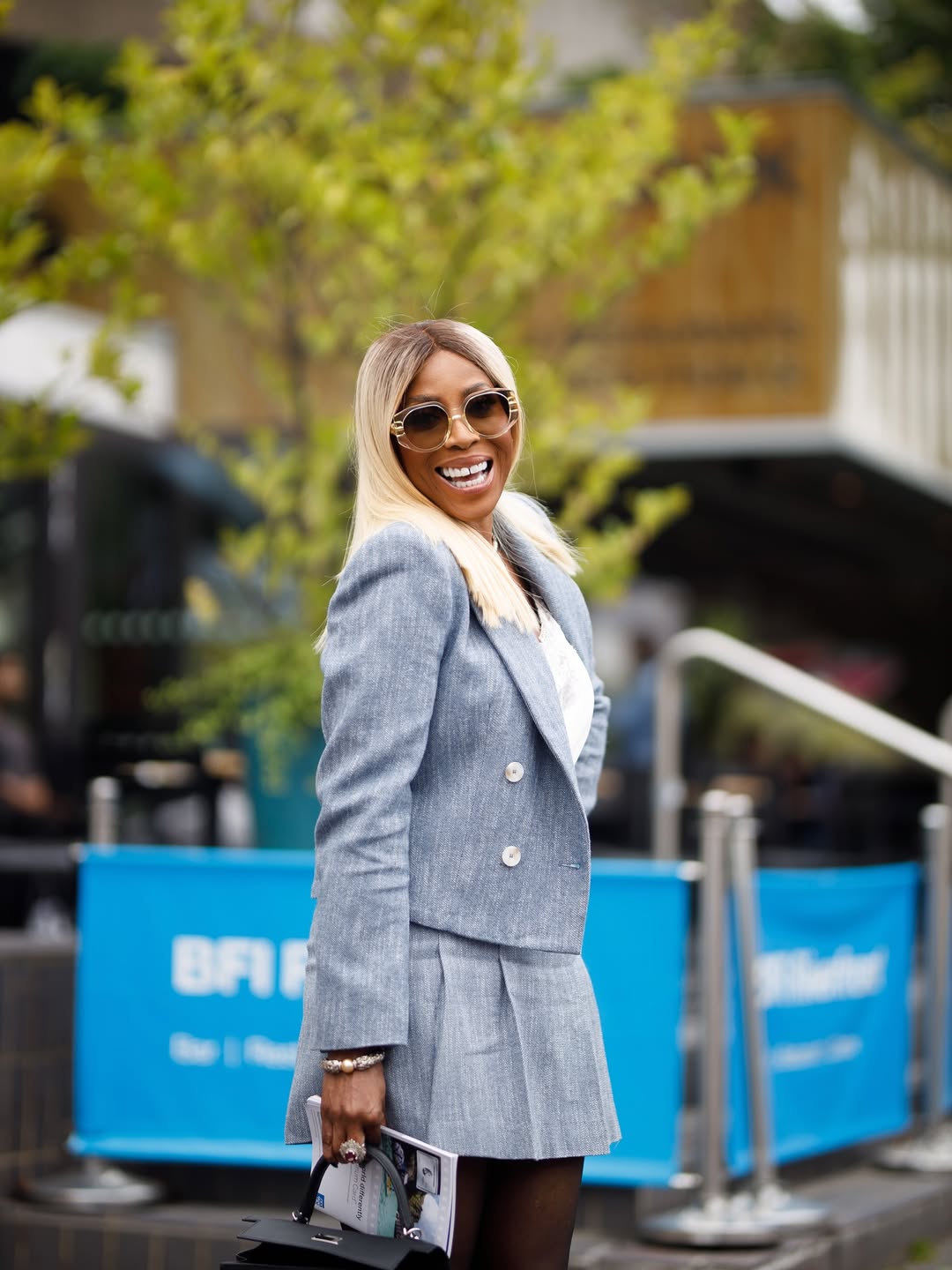
Right now, African women are shaking up global media in big ways. They’re not just asking for a seat at the table, they’re building new tables. You’ll find them everywhere: running boardrooms, leading newsrooms, digging into tough stories, and launching digital platforms. They’re tearing down old-school, patriarchal rules and setting up systems to make sure women keep climbing, long after the spotlight moves on.
Here’s the reality: Only 27% of top editors at major news outlets are women, even though women make up 40% of journalists overall. That’s a pretty discouraging gap. But African women in media leadership don’t just settle for personal wins. They build networks, mentor others, and push for real, lasting change inside their organisations. Their work makes it clear: these women aren’t outliers, they’re trailblazers, showing the world how the media should change if it wants to stay relevant.
Discover 10 women leading global media who are redefining journalism and entertainment through innovation, influence, and bold storytelling across platforms.
Top 10 Women Leading Global Media in Journalism and Entertainment
1. Mapi Mhlangu – South Africa’s broadcast news powerhouse
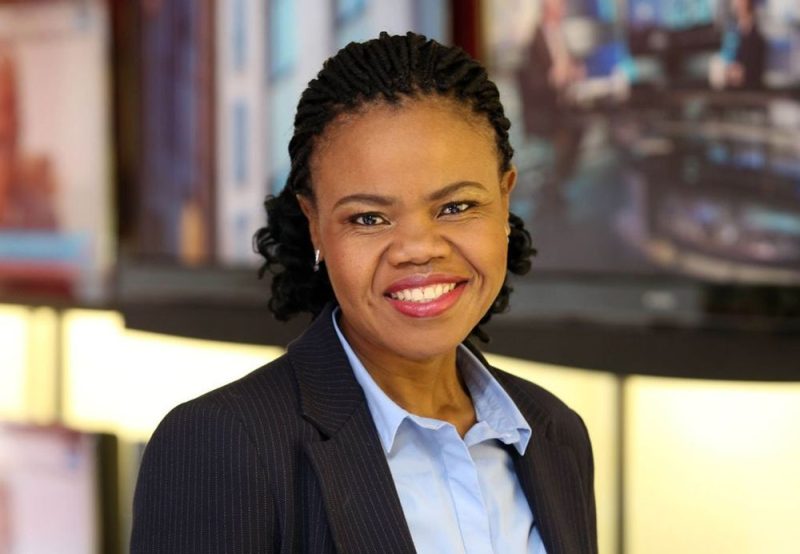
Mapi Mhlangu doesn’t just break glass ceilings; she walks right through them. She’s been managing director and editor-in-chief at eSat and eNCA, and her résumé runs deep with journalism and content expertise. For her MBA, she examined how Africa’s largest private news groups can secure funding, both commercial and non-commercial, to remain financially stable. Her research cuts right to the heart of what the industry needs to survive and grow.
Now leading Newzroom Afrika as Editor-in-Chief, Mhlangu shows that top-notch journalism needs both creative vision and sharp business sense. Under her leadership, the newsroom sticks to high standards and fresh reporting. Her career proves a simple truth: real leadership in the media doesn’t happen overnight. It takes years of hard work and proving yourself again and again, across different organisations, before you get to call the shots.
2. Dr. Yemisi Akinbobola – Academic Turned Media Entrepreneur
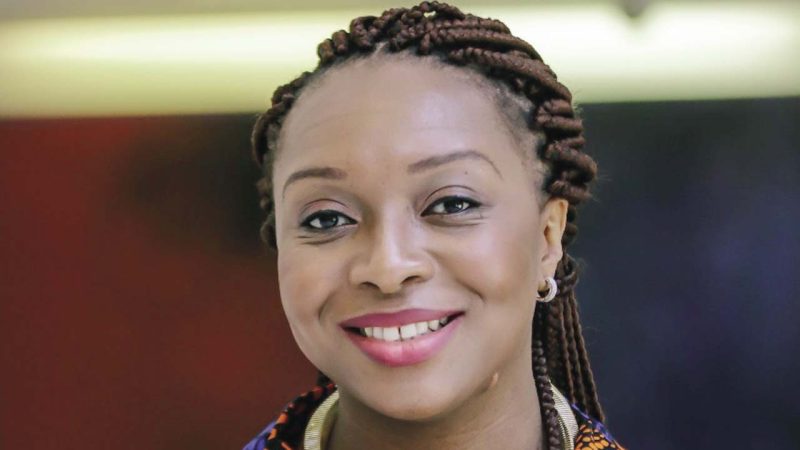
Dr. Yemisi Akinbobola is the definition of a multi-hyphenate: Nigerian media entrepreneur, academic, award-winning journalist, and co-founder of African Women in the Media (AWiM). She even picked up the CNN African Journalist Award for sports reporting and created Her Media Diary, a podcast platform that lets African women speak for themselves. As an Associate Professor at Birmingham City University, she keeps pushing for women’s rights and media development.
In 2021, she made the list of 100 Most Influential African Women. But for Akinbobola, it’s not about individual recognition. Through AWiM, she’s building a future where African women have equal power in media. She knows that real success means lifting as you climb, changing the whole industry, not just your own CV.
3. Thabile Ngwato – Youngest Black Woman Channel Owner
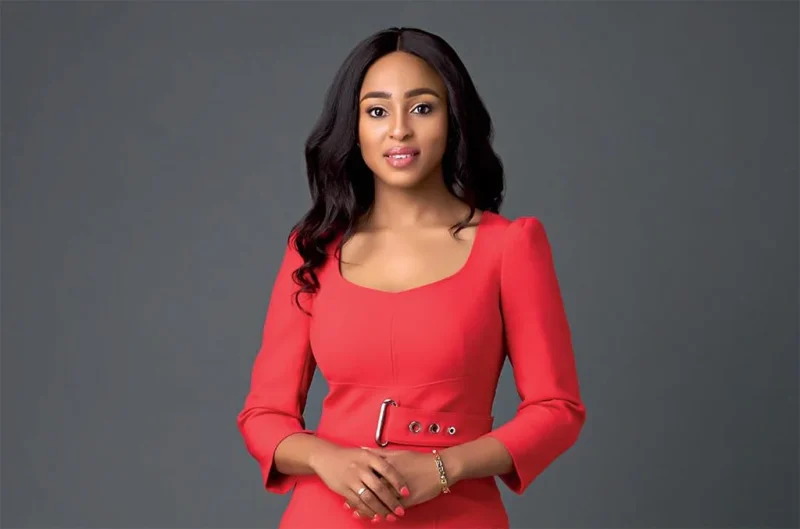
Thabile Ngwato is rewriting the rules for who gets to own the airwaves. As CEO and co-founder of Newzroom Afrika, she landed on the Young Global Leaders Class of 2024 list, thanks to her vision and drive. She’s the first Black and the youngest woman to own commercial TV channels in Africa. Newzroom Afrika now broadcasts to 52 countries, and she’s also behind Movie Room and Play Room channels.
Ngwato didn’t stop at content; she went after the nuts and bolts of the media, too. In 2021, she launched Bluestream Technologies, South Africa’s only 100% Black and woman-owned broadcast uplink business. She proves that ownership matters. When you control the means of distribution, you get true editorial independence, and you build wealth that feeds future projects. Ngwato’s path shows African women don’t just have a place in media, they can own it, shape it, and compete with the industry’s biggest names.
4. Ruth Osime – Lifestyle Media Authority
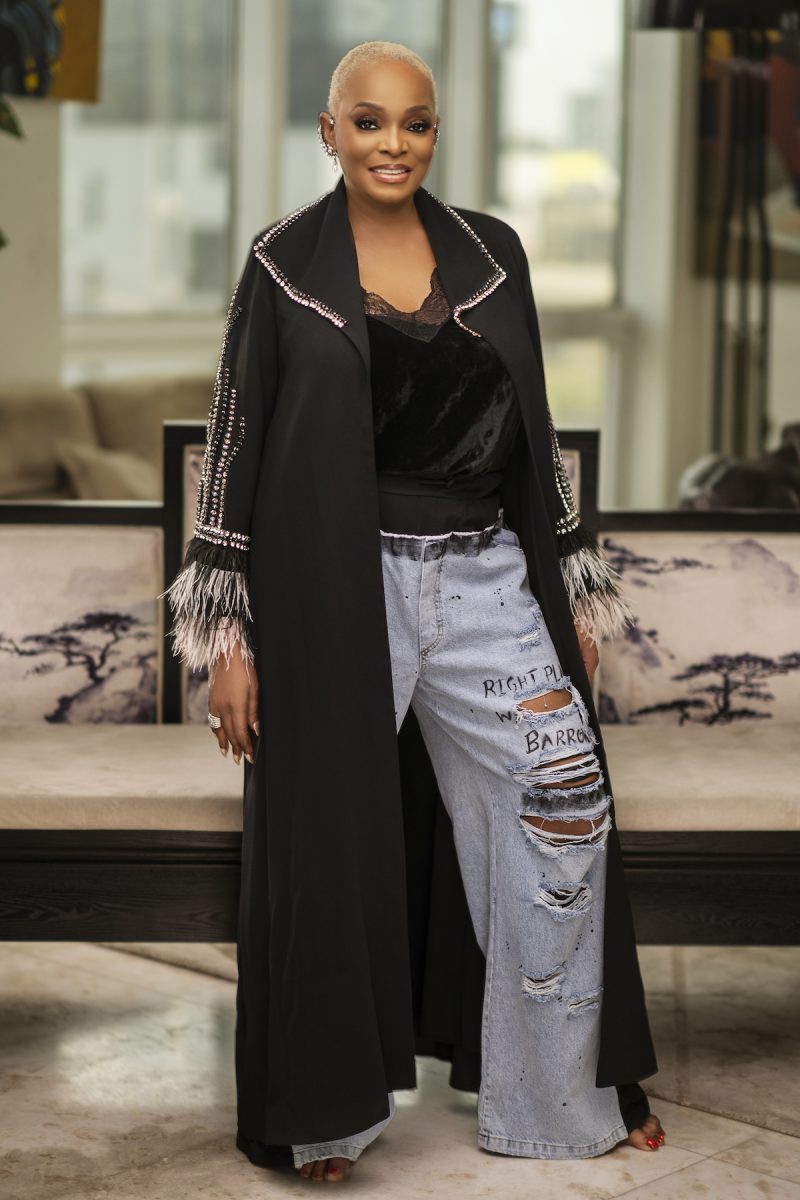
Ruth Osime stands out in the Nigerian media. She ran THISDAY Style magazine and now hosts PERSPECTIVES on ARISE News TV, and you can see her fingerprints all over the way lifestyle and current affairs get covered. She doesn’t treat fashion, culture, and society like fluff, she brings the same sharp editorial eye you’d expect from hard news. Ruth doesn’t draw lines between lifestyle and current affairs, and she’s shown that African women in media leadership can do it all. She gets that lifestyle journalism isn’t just about trends; it tracks how cultures shift, how economies move, and how society changes. In Ruth’s hands, covering style or culture feels just as important, and just as deep, as reporting on politics.
5. Mo Abudu – Global Entertainment Pioneer
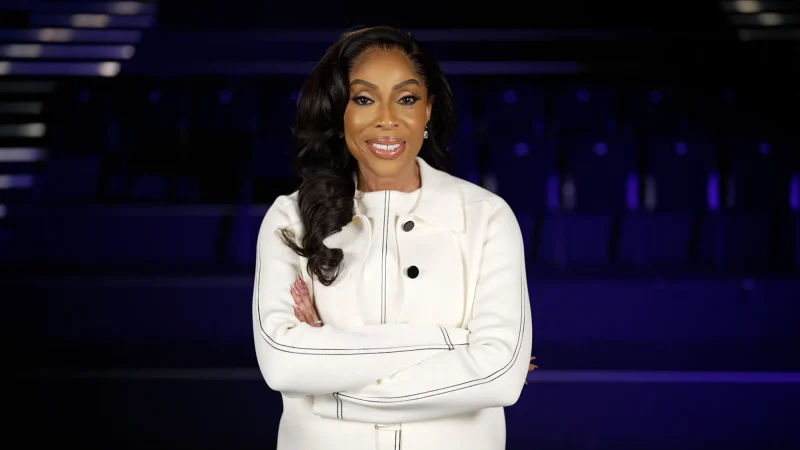
Mo Abudu, CEO of EbonyLife Group, is right at the centre of African women changing the global media game, this time, through entertainment. She built Africa’s first international Black entertainment and lifestyle network and closed big deals with Netflix, Sony Pictures Television, and AMC Networks, bringing African stories straight into the global mainstream. The Hollywood Reporter named her one of the “25 Most Powerful Women in Global Television,” and for good reason. Abudu shows everyone that African women can build production powerhouses with content for audiences all over the world. She’s proof African stories aren’t just valuable, they’re in demand, breaking down the old barriers set by Western gatekeepers.
6. Zain Asher – CNN’s Global African Voice
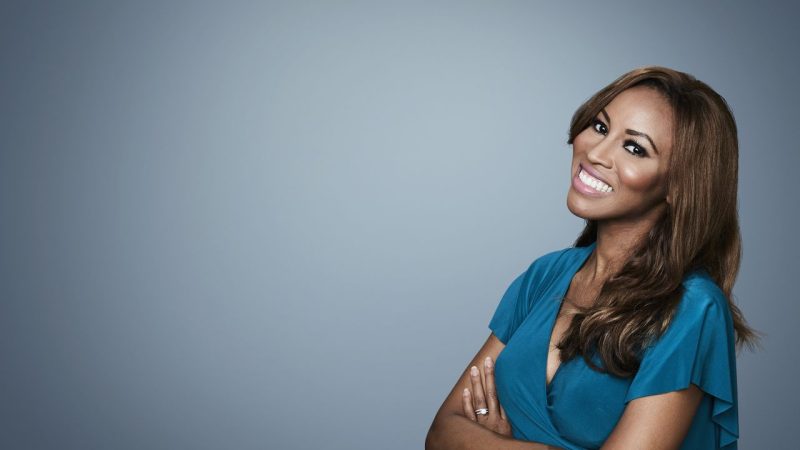
Zain Asher anchors on CNN International and shares the spotlight at big events, bringing global stories to viewers all over the world. Through initiatives like “CNN Global Perspectives: Africa,” she puts an African lens on international news, making sure millions see the world from that angle, too. Asher stands out among African women who lead in global media; she doesn’t just show up, she sets the tone. She proves African women can hold top spots in Western newsrooms without losing their roots or watering down their perspective.
What sets Asher apart is how she pushes for real representation. For her, being visible isn’t enough. She shapes what stories get told and how much space they get. Thanks to her, African stories don’t get shoved into the background or labelled as “crisis-only” news; they get covered for what they are: important pieces of the global puzzle.
READ ALSO:
- Hip-Hop’s Cultural Legacy: From Bronx Streets to Global Phenomenon
- 10 African Animation Studios Revolutionising Global Entertainment
- How Digital Artists Are Shaping the Future of Creativity
7. Stephanie Busari – Digital Journalism Innovator

Stephanie Busari, an award-winning journalist and former CNN Senior Editor for Africa, broke new ground by launching CNN’s first digital and multiplatform bureau in Nigeria. She doesn’t just report stories, she changes outcomes. People around the world took notice when she secured the exclusive “proof of life” video of the Chibok schoolgirls, a move that helped open the door for their eventual release. Now, through SBB Media, she’s a strategic advisor to African leaders. Busari proves media leadership doesn’t stop at reporting; it can influence policy, shift narratives, and drive change on a whole new level.
8. Rolake Akinkugbe-Filani – Business Media Authority
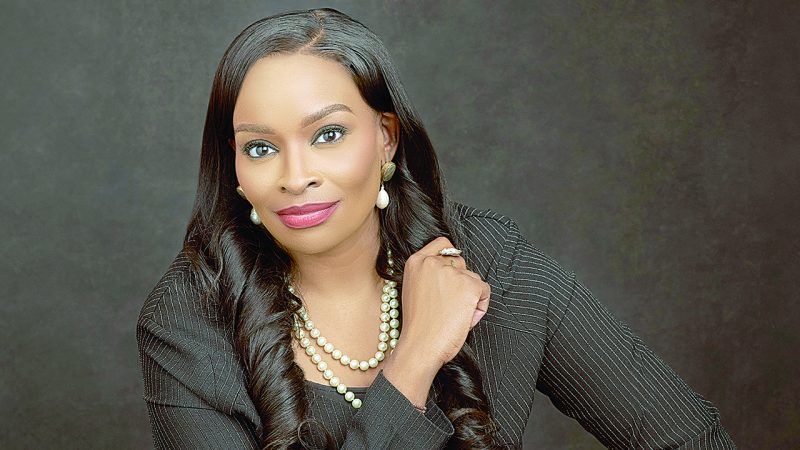
Every weekend on ARISE News, Rolake Akinkugbe-Filani breaks down energy and economic trends for viewers across Africa and beyond. She’s not just another talking head; her sharp analysis and deep industry know-how shape the way people understand business on the continent. In a field that still leans heavily male, Akinkugbe-Filani stands out. She proves that authority comes from real expertise and the ability to communicate it clearly. Her approach, mixing rigorous research with a style anyone can follow, shows how African women can run the show in business journalism. She’s part of a new wave of media leaders who know that economic literacy gives power to viewers, and that African voices deserve to challenge the old Western hold on financial analysis.
9. Uche Pedro – Digital Media Disruptor
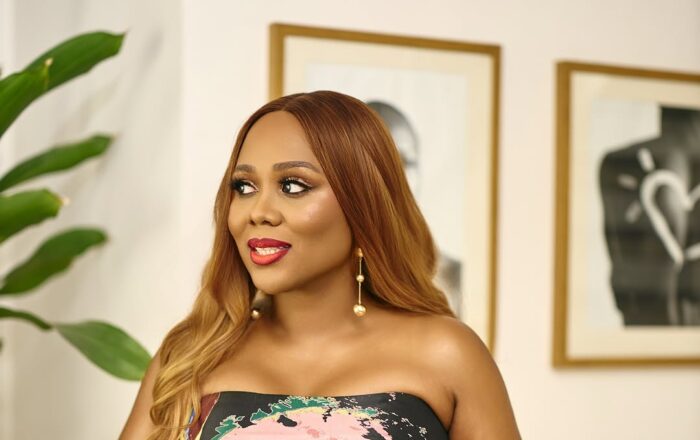
Uche Pedro didn’t just launch a website; she built BellaNaija into a powerhouse that reaches millions every month. As founder and CEO, she’s turned BellaNaija into a media tech giant, pumping out lifestyle and entertainment content and lighting up social media. Forbes Woman Africa recognised her for a reason: Pedro is one of those African women leaders who saw early on how digital platforms could skip all the old gatekeepers. No need for TV licences or print presses, just sharp content, a strong online presence, and a real sense of what African audiences actually want. BellaNaija proves that African women can build media empires from scratch, matching or even outpacing the old-school outlets by staying in tune with the community and outsmarting legacy systems.
10. Edith Kimani – Broadcast Excellence
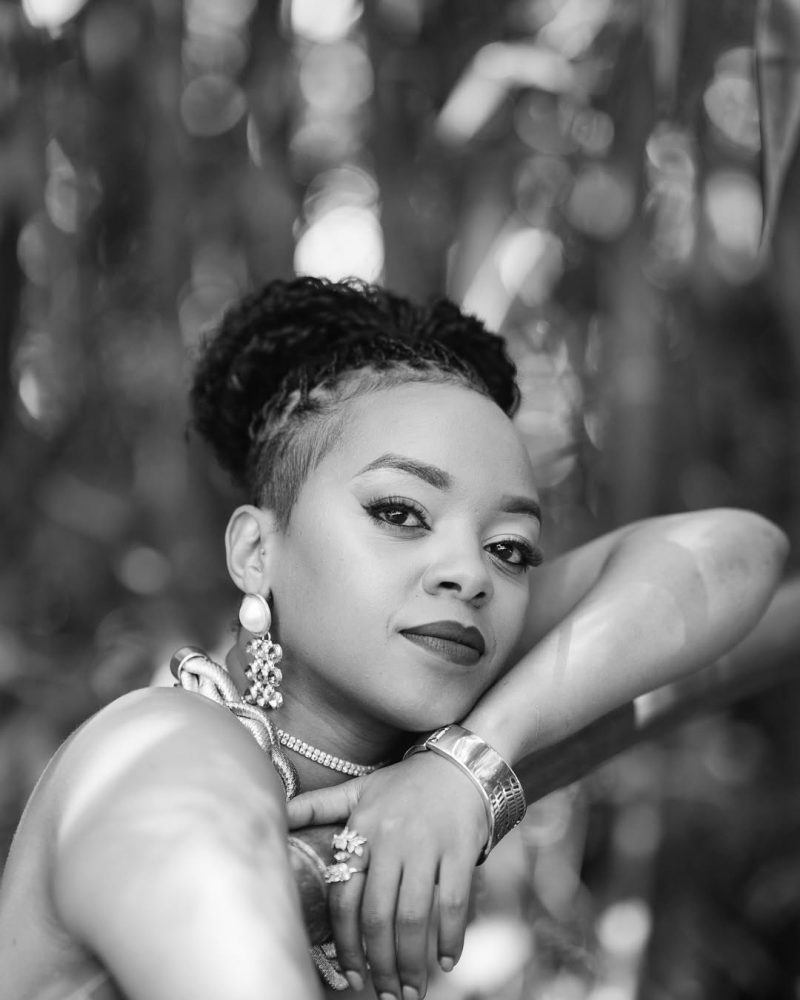
Edith Kimani brings both substance and style to the screen. As a journalist and presenter, she’s a standout, combining the discipline of hard reporting with the kind of presence that grabs your attention. For viewers, seeing an African woman anchor major news is powerful. Kimani’s work chips away at old ideas about who gets to deliver the news, proving that African women can command any stage, anywhere. She’s also showing the next generation, especially young women, that they belong in the newsroom, in front of the camera, and at the top.
Why Does Gender Parity in Media Leadership Matter?
Women made up 23% of top editors in 2020, and now it’s just 25%. At this pace of change, there could be gender parity in top editorial positions by 2074. African women in the media aren’t waiting around; they’re building new networks, new platforms, and pushing change forward themselves.
When women lead, journalism gets better. Studies back this up: female-led newsrooms cover a wider range of topics, shine a light on marginalised communities, and stick to higher ethical standards. African women in charge aren’t just changing who gets to tell the story; they’re changing which stories get told, how they’re told, and whose voices are heard.
How Are These Women Building Sustainable Change?
These leaders know that it’s not enough to just climb the ladder themselves. They’re reaching back, mentoring young women, setting up professional networks, finding ways to fund new talent, fighting for policy changes, and sharing what works. Groups like Uganda Media Women’s Association, the Association of Media Women in Kenya, and the International Association of Women in Radio and Television Kenya are proof that real support systems are taking root. This isn’t just about individual success; it’s about changing the whole landscape for African women in the media.
Frequently Asked Questions (FAQs)
Who are the most influential African women in media leadership?
Let’s talk about women making waves in the media across Africa. Mo Abudu runs EbonyLife Group and has deals with Netflix and Sony, she’s a powerhouse. Then there’s Mapi Mhlangu, who leads the newsroom as Editor-in-Chief at Newzroom Afrika. Thabile Ngwato stands out as the youngest Black woman to own commercial TV channels. Dr. Yemisi Akinbobola co-founded African Women in Media, pushing for more representation and opportunity, and Uche Pedro’s BellaNaija reaches over 100 million impressions every month. These women aren’t just breaking barriers; they’re setting the pace.
What challenges do African women in the media face?
There’s no sugarcoating it: African women in the media push against a lot. Only about 27% of the top editors worldwide are women. That’s a pretty small slice. Add in gender discrimination, limited funding, and newsroom cultures that can feel closed off or even hostile. Climbing the ladder isn’t easy when you’re juggling family, too. And let’s not forget the constant fight against old stereotypes that question their abilities and authority.
How can people support African women in the media?
You want to help? Start by sharing and championing their work online. Hire women for leadership roles. Invest in female-led media projects. Mentor the next generation of journalists. Speak up if you see gender discrimination. Push for more women’s names in stories and in decision-making rooms. Get behind groups like African Women in Media, and pressure media companies to keep their promises on gender equality.
What organisations support African women in the media?
There’s a growing list of organisations lending real support. African Women in the Media (AWiM) leads the way. The Africa Women Journalism Project (AWJP), Uganda Media Women’s Association (UMWA), and the Association of Media Women in Kenya (AMWIK) are all doing important work. International groups like IAWRT Kenya, plus UNESCO and WAN-IFRA, also run big initiatives to push gender equality in journalism.
Why is media leadership diversity important?
Diverse leadership in the media just makes sense. It means you get more stories, told honestly, with real representation for different communities. It raises the bar for ethics. It gives younger journalists something to aim for. Diverse leaders can push back against toxic newsroom habits and make sure the news actually reflects the world as it is, not just one small piece of it. African women in global media show that when leadership broadens, journalism gets better for everyone.