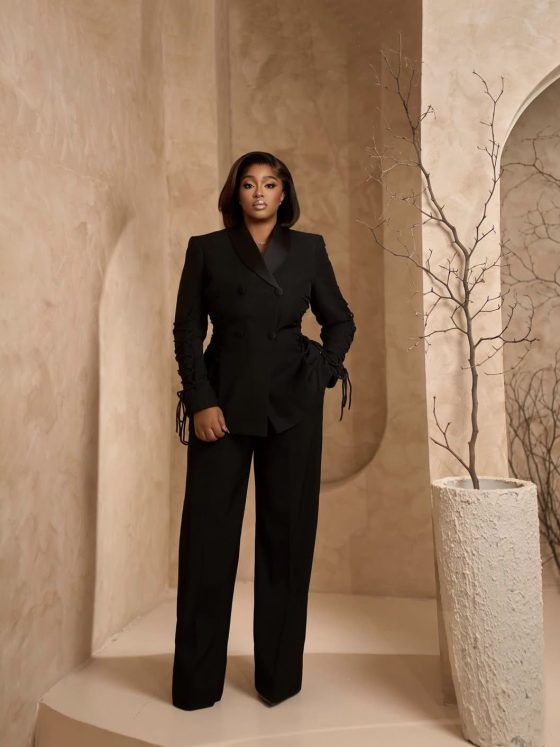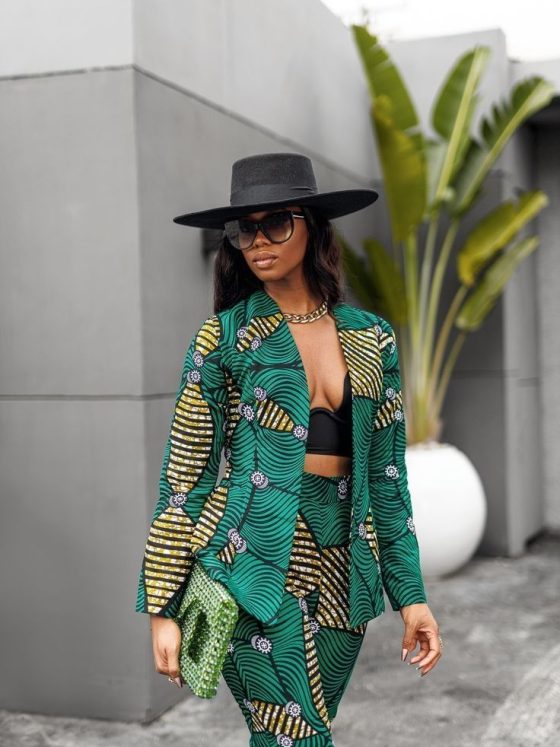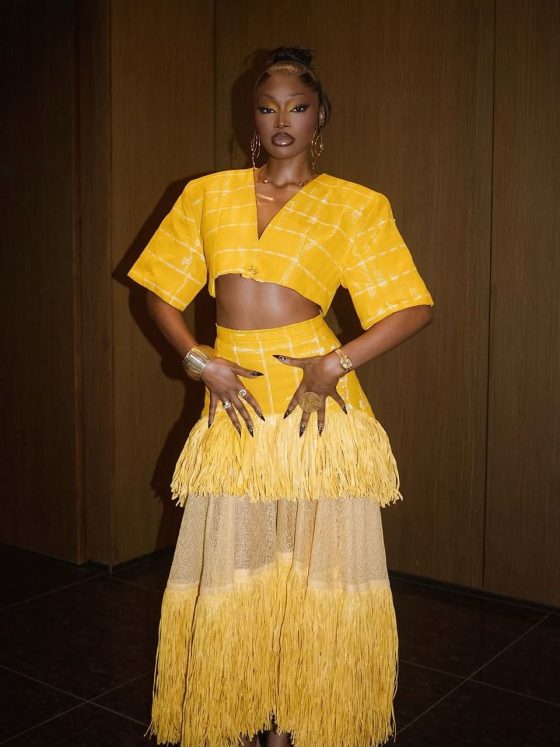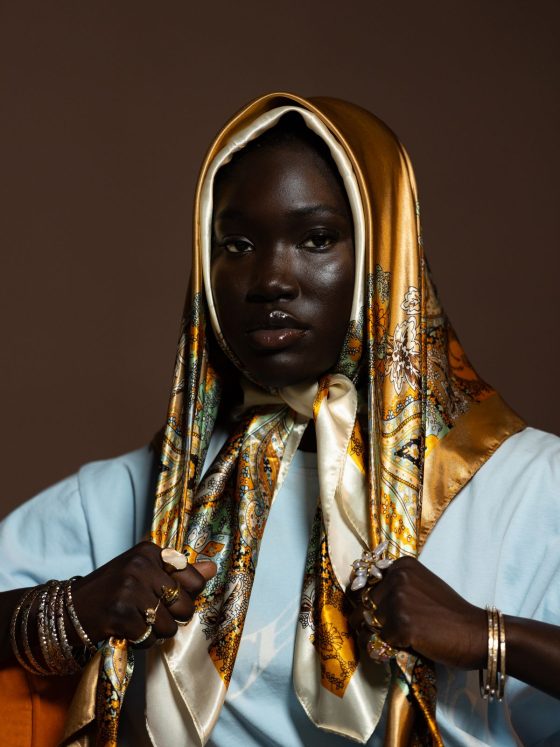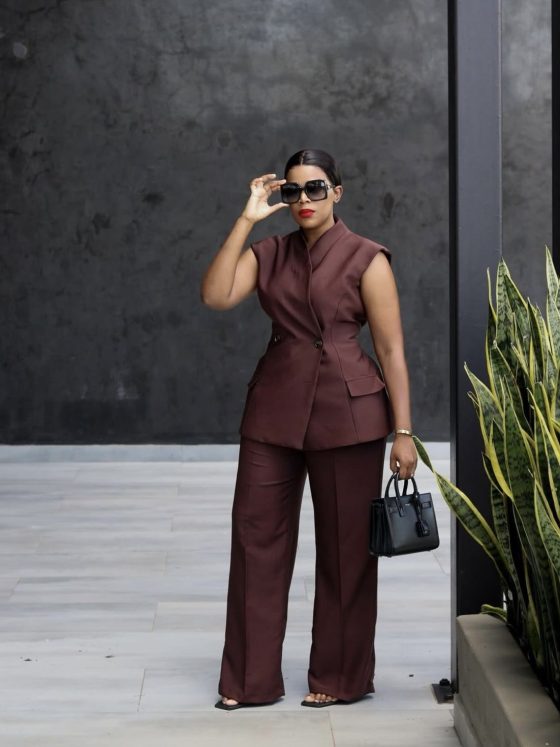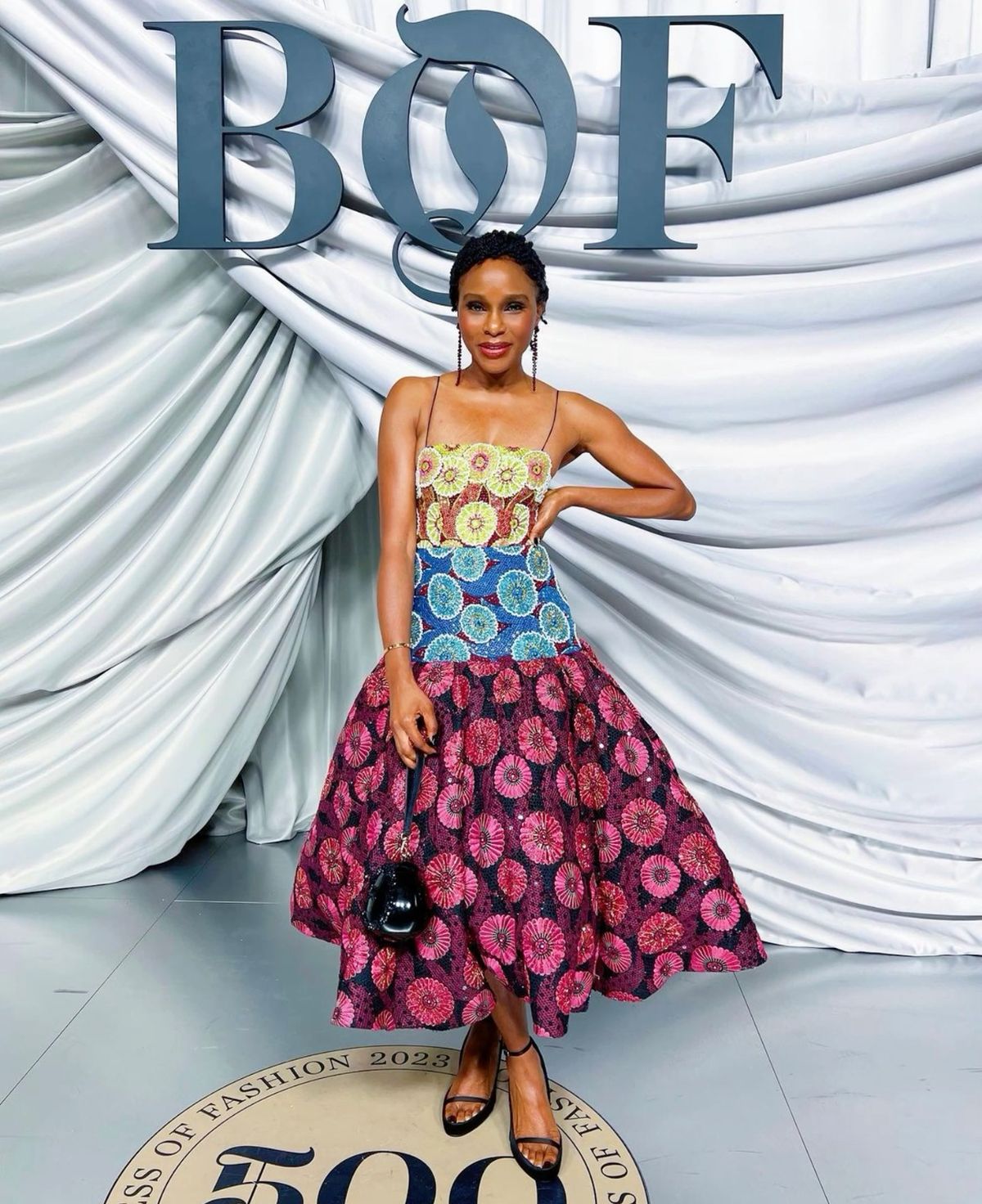
She grounds the room in a tradition of high-end intent rather than just showing up.
The Omiren woman views the state gala, also known as the Owambe, as a complex site of cultural negotiation rather than just a social duty. Entering these areas signifies the signing of the social contract. Although the world may perceive a market for “partywear,” she sees a structural message instead.
She is aware that her decision to go with a heritage-led Adire or a hand-loomed, sustainable Aso-Oke is an authoritative act of translation. It is the point at which her own sovereign identity collides with the public’s “social contract,” expressed in a language that unites the heat of Lagos and the rain of London. She comes to elevate her own intellectual stature rather than to follow the fad.
The cost of dressing, the time, the artistry, and the intentionality become her greatest strength at this point. She chooses the soulful depth of homes like Nkwo or Tiffany Amber over the shallow, algorithm-driven aesthetics of mass-market luxury.
The woman is making a political statement by opting for luxury and sustainability, demonstrating that her history is a source of strength rather than a costume. She is the architect of the gathering’s geography, employing the social contract of the thread to ensure that her presence is perceived as a positive, welcoming, and entirely independent force.
Beyond the party lies the protocol. Explore the social contract of the thread, an intellectual journey into how the Omiren woman uses high-end, sustainable African textiles to navigate cultural authority, honour lineage, and assert her sovereign identity in every room she enters.
Reading the Weight of Heritage: The Gravity of Grace
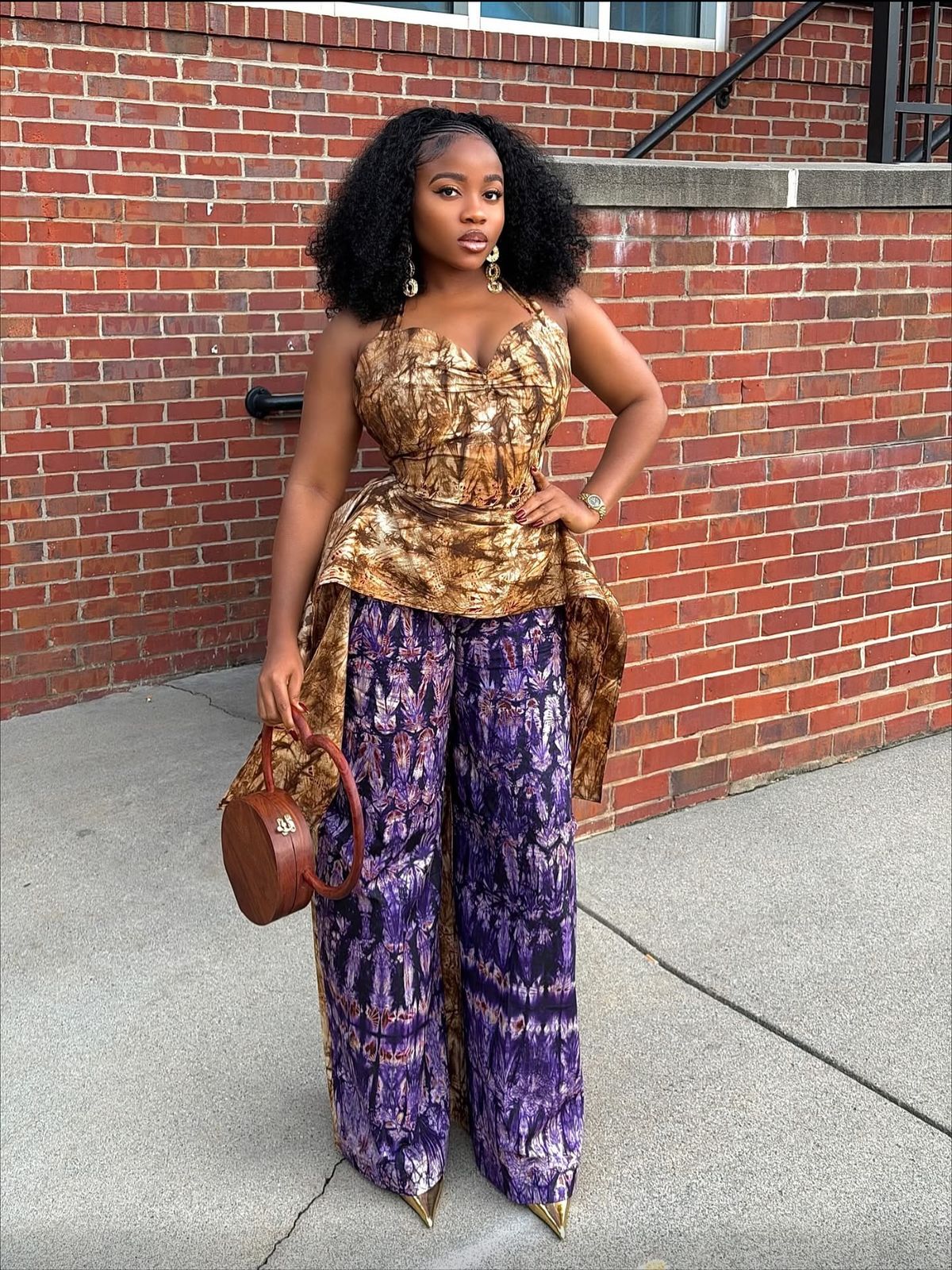
She knows that true luxury is found in the heavy, soulful pulse of the loom, not in the lightness of the trend.
The word “weight” is a compliment rather than a criticism in the women’s section of a life lived intentionally. Reading about the weight of heritage means realising that factory-printed, target-market fabrics can never match the intellectual and physical weight of a hand-woven Aso-Oke or a painstakingly dyed Adire.
This weight serves as the Omiren woman’s anchor. She is purchasing more than just clothes when she chooses an item from a high-end, sustainable brand like Deola Sagoe or Nkwo; she is also obtaining a certificate of craftsmanship. Her roots have a certain depth that gives her a commanding presence in whatever setting, from a Lagos courtyard to a London gala. This is a healthy, deep realisation.
The density of the thread reflects the cost of this inheritance. This is not the fleeting, delicate style that fades away after a single season. Rather, it is the fashionable and inclusive weight of an item of clothing meant to be passed down through generations.
She joins the social contract with a functional fluency that requires no explanation, as she wears a textile with its history. She is engaging in a cultural bargain that prioritises durability and quality over algorithmic noise rather than merely adhering to a “colour of the day” command. It is an act of self-discovery that elevates her unique, independent perspective while paying respect to the group.
Her spirit finds comfort in the physical weight of her clothing as she navigates her day. It serves as a tactile reminder of her authority. The weave’s geometric accuracy serves as a visual identity that identifies her as a protector of the art rather than a spectator.
She guarantees that the social contract is upheld by selecting upscale, environmentally friendly African textiles and passing the loom’s grammar to the next generation of women, who will not allow themselves to be defined by anyone else.
Respect as a Strategic Choice
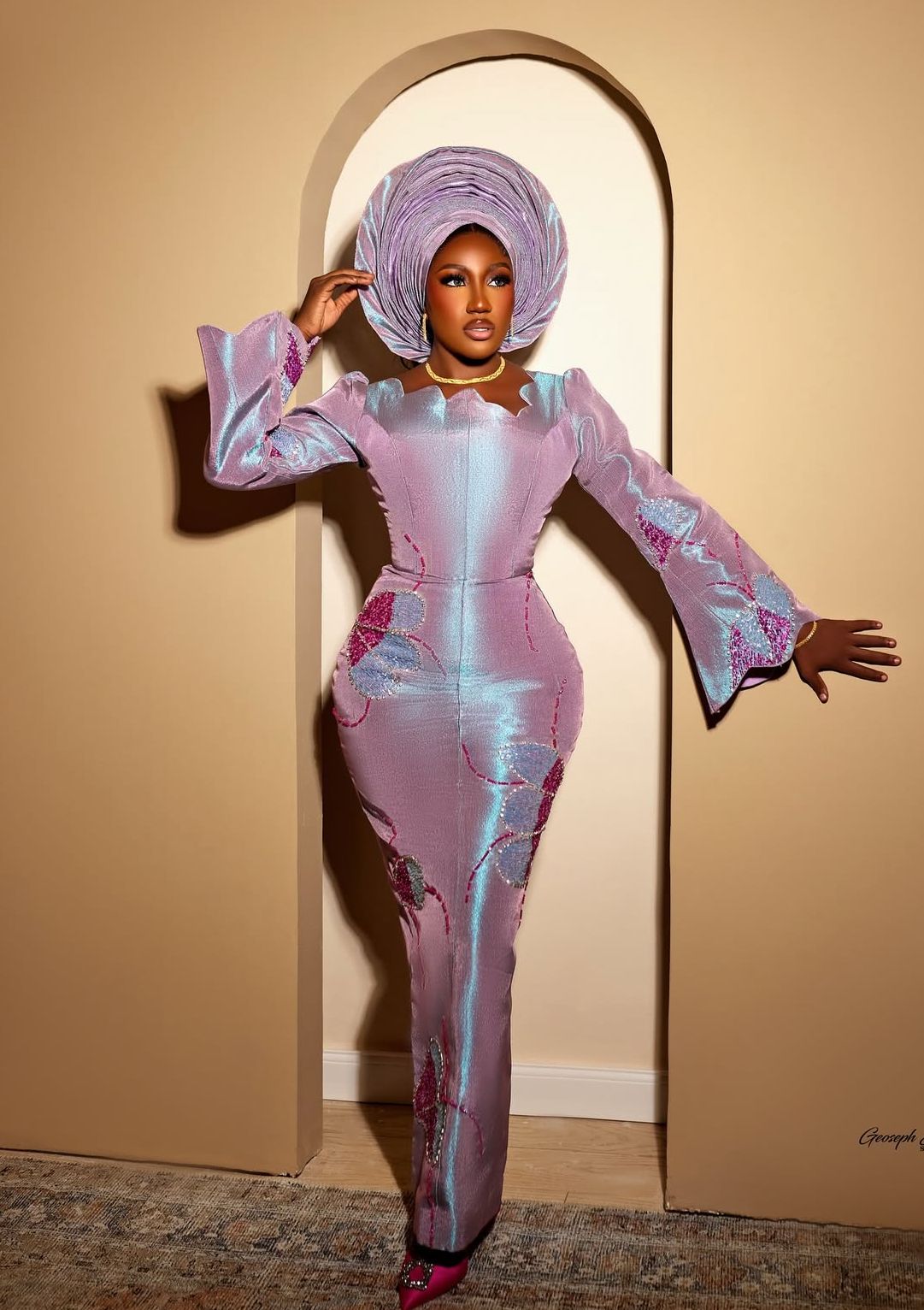
She wears her respect as a structural argument; it is a command, never a submission.
The Omiren woman recognises that her appearance is a type of civic engagement in the geography of the Owambe, or high-level diplomatic supper. The protocol of presence is this. She views dressing up as a healthy, calculated decision to uphold the social compact, rejecting the notion that it is a hollow vanity.
She is expressing her inclusive regard for the host, the event, and the culture when she shows up wearing a high-end, eco-friendly silhouette, such as a structured wrap by Tiffany Amber or a heritage-forward piece by Lisa Folawiyo. This is about creating her own authoritative position inside the target market rather than trying to win their acceptance.
Her personal identity and political views come together in this protocol to form a single, heartfelt declaration. She is supporting the survival of the craft by opting for artisanal, high-end products.
She is aware that wearing appropriate clothing is a cost that contributes to her own cultural authority. Her precise clothing, such as the way her eco-friendly Adire silk catches the light or the clean, fashionable line of her headwrap, speaks a language of intellectual weight, so she doesn’t have to yell to be heard. She values the group ritual enough to bring her best, most independent self to the table, as evidenced by this functional fluency.
The last evidence that she has never required authorisation to identify herself is the protocol of presence. She views the social contract as a platform for her self-discovery rather than a prison. Arriving correctly is a method for her to take care of herself and handle the expectations of the world without losing her shape.
Perfectly balanced in the upscale architecture of her own choosing, she exits the room as she entered it: a woman who is both the single author of her future and the defender of her legacy.
ALSO READ:
The Architecture of the Heirloom: Investing in the Infinite
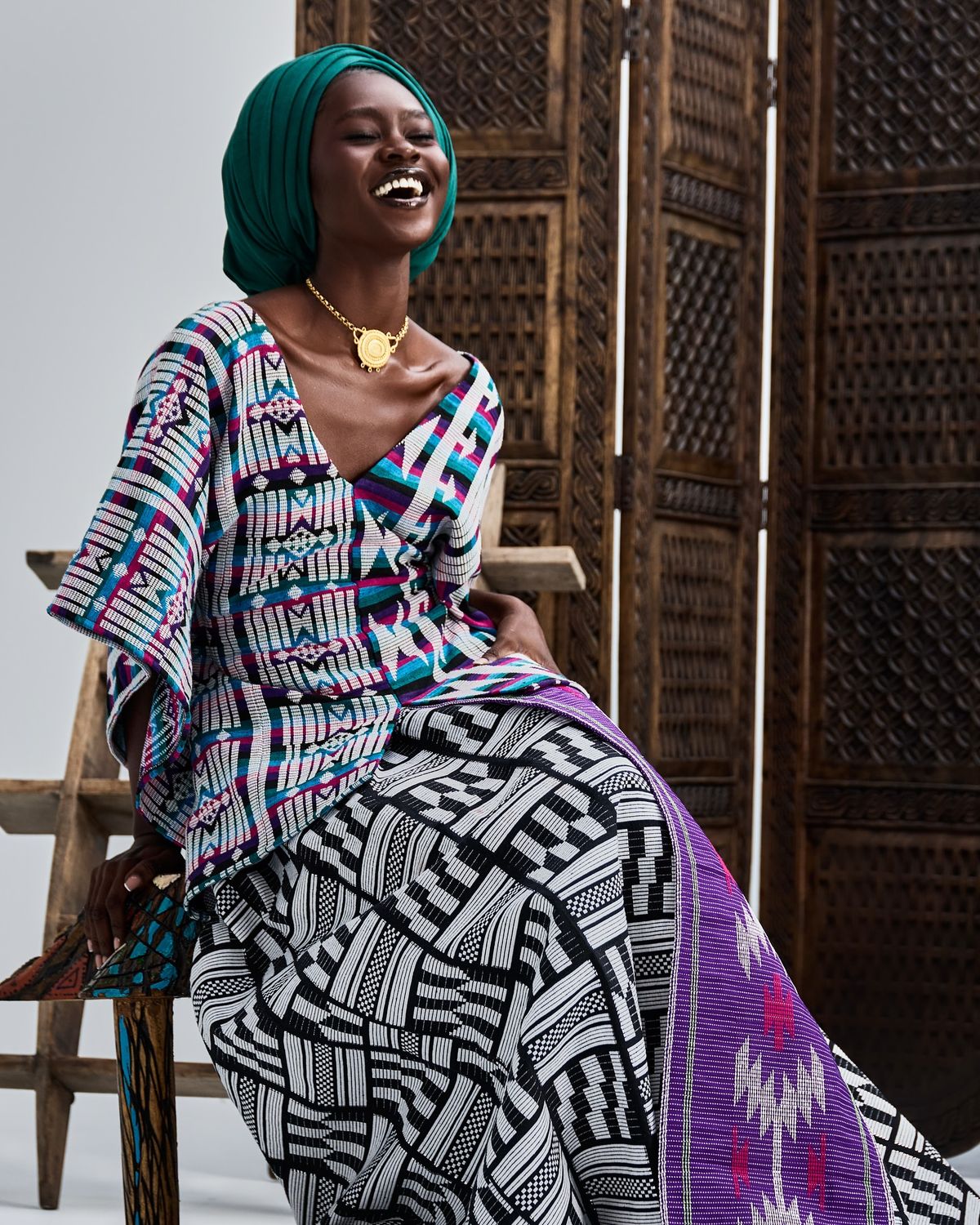
She weaves her personal legacy into the very fabric of sustainability by investing for the century rather than just the season.
In the last movement of the social contract of the thread, the Omiren woman turns her eyes from the immediate group to the endless horizon. This is the heirloom’s architecture. She recognises that a garment’s lifespan determines its genuine intellectual weight and resists the target market cycle of quick consumption. She is not just shopping when she purchases a high-end item, such as a sustainable, sculptured gown by Thebe Magugu or a distinctive Deola Sagoe Komole. She’s creating an archive.
This is a sound, heartfelt dedication to the notion that her sovereign identity should be preserved for future generations.
A functional fluency in quality is necessary when investing in the infinite. She looks for the inclusive quality of luxury brands in Africa that emphasise artisanal methods, hand-spun silk, and natural colours.
These are the strands that hold up against the rhythm of the owambe and the pressure of the boardroom. Rather, they get increasingly powerful with time. The cost of such a piece is high, but the dividend is a trendy, timeless presence that transcends the search queries of the moment. It is a political act of self-realisation: by refusing to be disposable, she asserts that her presence and the heritage she carries are permanent.
She is curating a history as she tucks these items away in her wardrobe, not merely storing clothing. Every article of clothing serves as a chapter in her sovereign structural statement. She is aware that another woman may eventually feel the weight of her aspirations as she runs her fingertips over the same sustainable Aso-Oke, possibly a daughter or mentee.
This bridge of silk and cotton, which links her present sovereignty to a future lineage, is the ultimate social compact. The Omiren woman is known for her soulful, upscale lifestyle, which is as much about her future as it is about her past.
Conclusion
Her wardrobe is a set of signed contracts with her own past rather than a collection of objects.
The thread’s social contract best expresses the Omiren woman’s cultural and intellectual significance. To be correctly dressed means to be in the right place in the world, and this is the realisation. She rejects the superficial conceptions of the target market and takes on the role of sovereign cultural authority by selecting luxurious, sustainable textiles that bear the weight of legacy.
Her clothing acts as a translator, ensuring that her presence is perceived as an inclusive, soulful, and fully authoritative force, whether she is navigating the dynamic social rituals of Lagos or the cosmopolitan centres of London.
In the end, the agreement is between her and the future. She honours the loom, the craftsman, and her ancestry in addition to wearing the thread. Her dedication to luxury and sustainability is a wise, calculated decision that guarantees her sovereign identity will endure long after the owambe rhythm has subsided.
She bears the serene confidence of a woman who understands that her style is a lasting, structural legacy of her own creation rather than a search query in every hand-woven fibre.
Your identity is a masterpiece that deserves a structural foundation. To align your wardrobe with your intellectual weight and sovereign intent, explore the complete Omiren Women’s Editorial Archive.
Frequently Asked Questions (FAQS):
- How does the social contract differ from a standard dress code?
A dress code is a set of rules imposed from the outside; the social contract is an internal commitment to cultural respect and personal sovereignty.
For the Omiren woman, it is a healthy, authoritative choice to participate in her community’s rituals while maintaining her individual, high-end sartorial philosophy. It’s an inclusive way to show that she is fluent in her heritage without being limited by it.
- Why is heritage considered a form of intellectual authority?
Understanding the grammar of the loom, the history, the technique, and the meaning behind textiles like Adire or Aso-Oke requires a deep, soulful engagement with one’s roots. It signals to the world that you are not just a search query for a trend but a woman with the intellectual weight to carry a lineage. It is a trendy and sophisticated way to assert your position in any global space.
- Is it possible to be sovereign while wearing traditional Aso-Ebi?
Absolutely. Sovereignty is found in the architecture of the heirloom. By choosing a sustainable, high-end tailor who respects the cost of the craft and the integrity of the fabric, the Omiren woman transforms a collective uniform into a personal manifesto. She ensures her version of the contract is trendy, soulful, and entirely authored by her agency.
- How does sustainable fashion support cultural authority?
Sustainability is the original social contract of African craft. Hand-loomed textiles and natural dyes are healthy for the planet and the wearer. By investing in brands like Nkwo or Thebe Magugu, the Omiren woman uses her purchasing power as a political act of self-realisation, ensuring that her inclusive heritage survives the pressure of the target market.