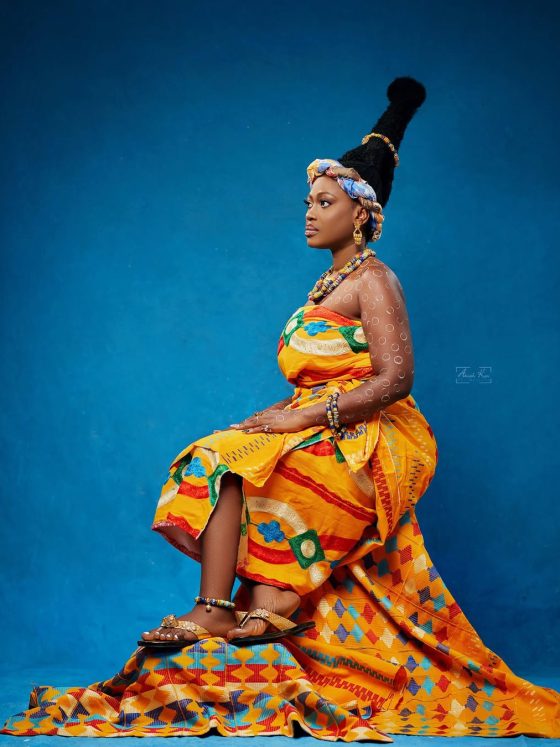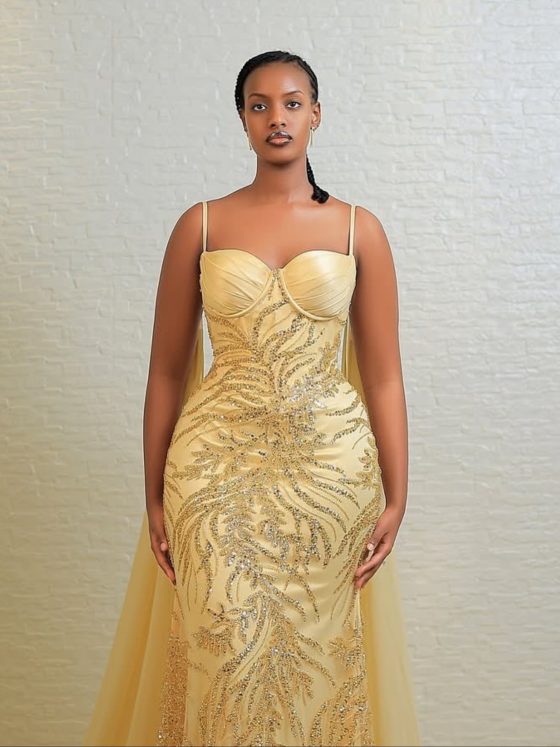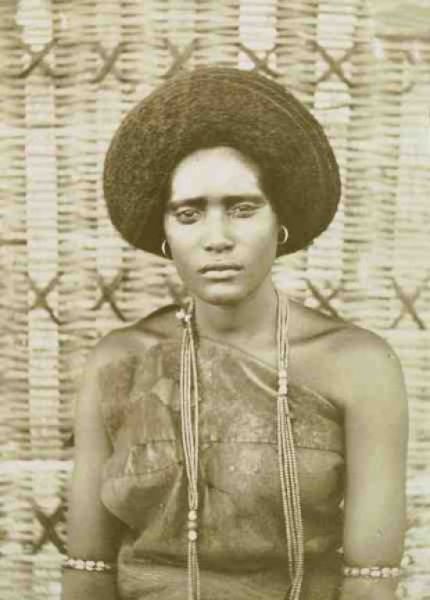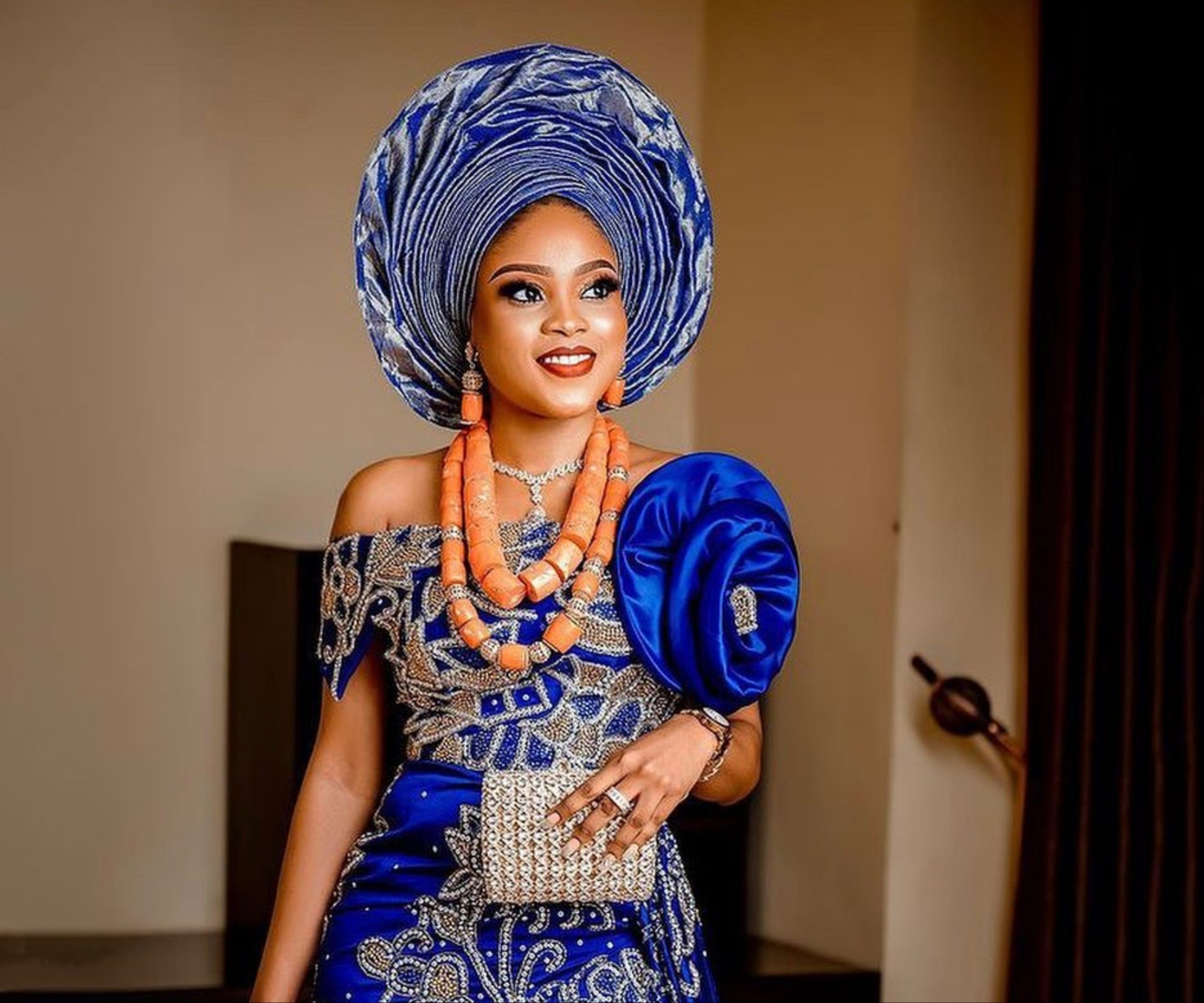
The Ethiope River runs through Urhobo land like a spine. It has shaped the economy, the cosmology, and the aesthetics of the people who have lived beside it for centuries. When an Urhobo woman dresses for a ceremony, the river is still present: in the blue of the fabric, in the green of the wrapper, and in the weight of the coral beads that carry the same meaning as her grandmother’s. The palette is ecological. The styling is intentional. Nothing is casual.
The Urhobo people are among the largest ethnic groups in the Niger Delta, numbering approximately 1.5 million across Delta and Bayelsa States, according to a peer-reviewed study published in IRE Journals (2023). Their traditional dress system is among the most precisely codified in southern Nigeria. Colour carries meaning. Fabric signals the occasion. Accessories communicate lineage and marital status. An Urhobo woman’s outfit is a sentence. Each element is a word.
This article names five of those sentences. It does not treat Urhobo dress as an aesthetic spectacle. It reads clothing as a cultural declaration, as Omiren Styles has argued in its coverage of African fashion identity: a system through which communities assert authorship over how their bodies are read in public spaces. Each style below is a different kind of assertion.
Five traditional styles Urhobo women wear today and what each one communicates about identity, ceremony, and cultural authority in the Niger Delta.
The Colour Grammar of Urhobo Dress
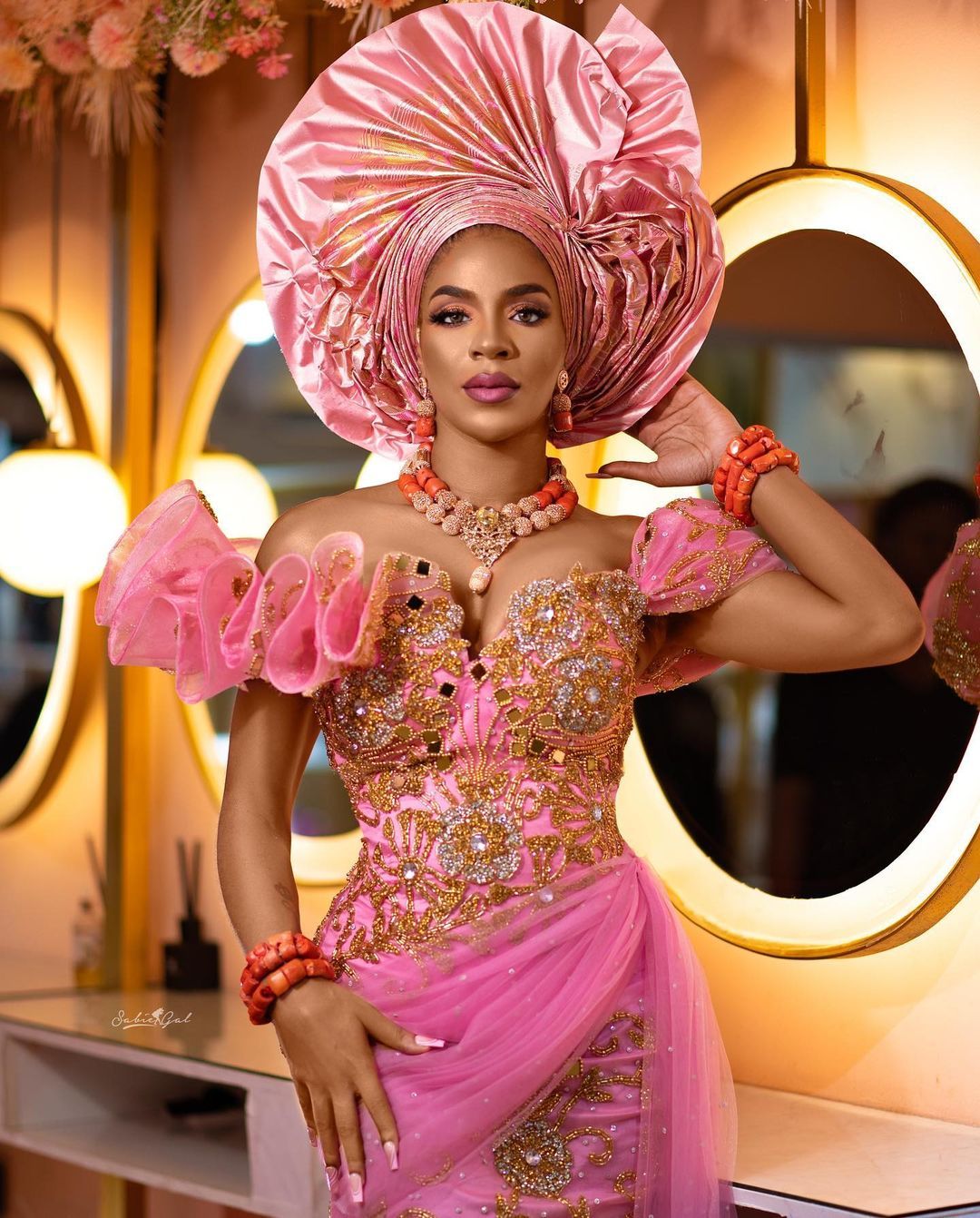
Before examining the five styles, the colour system must be named. Urhobo traditional attire draws its primary palette from the Delta environment. Blue represents the rivers and the sky. Green signals life and fecundity, drawing directly from the forested wetlands of Urhobo territory. Yellow symbolises richness and solar energy. These are not decorative preferences. They are ecological references embedded in a cultural vocabulary.
Coral beads, worn at the neck, wrist, waist, and head, carry a separate register of meaning. They signal wealth, status, and ceremonial readiness. As documented by Legit.ng’s survey of Urhobo traditional attire (2024), beads are not compulsory but are culturally significant. How a woman wears them and how many layers she chooses communicate her social position to those who can read the visual grammar. Grammar is the foundation on which each of the five styles below operates.
|
1. The Ewu Blouse with Double Wrapper: The Foundational Declaration
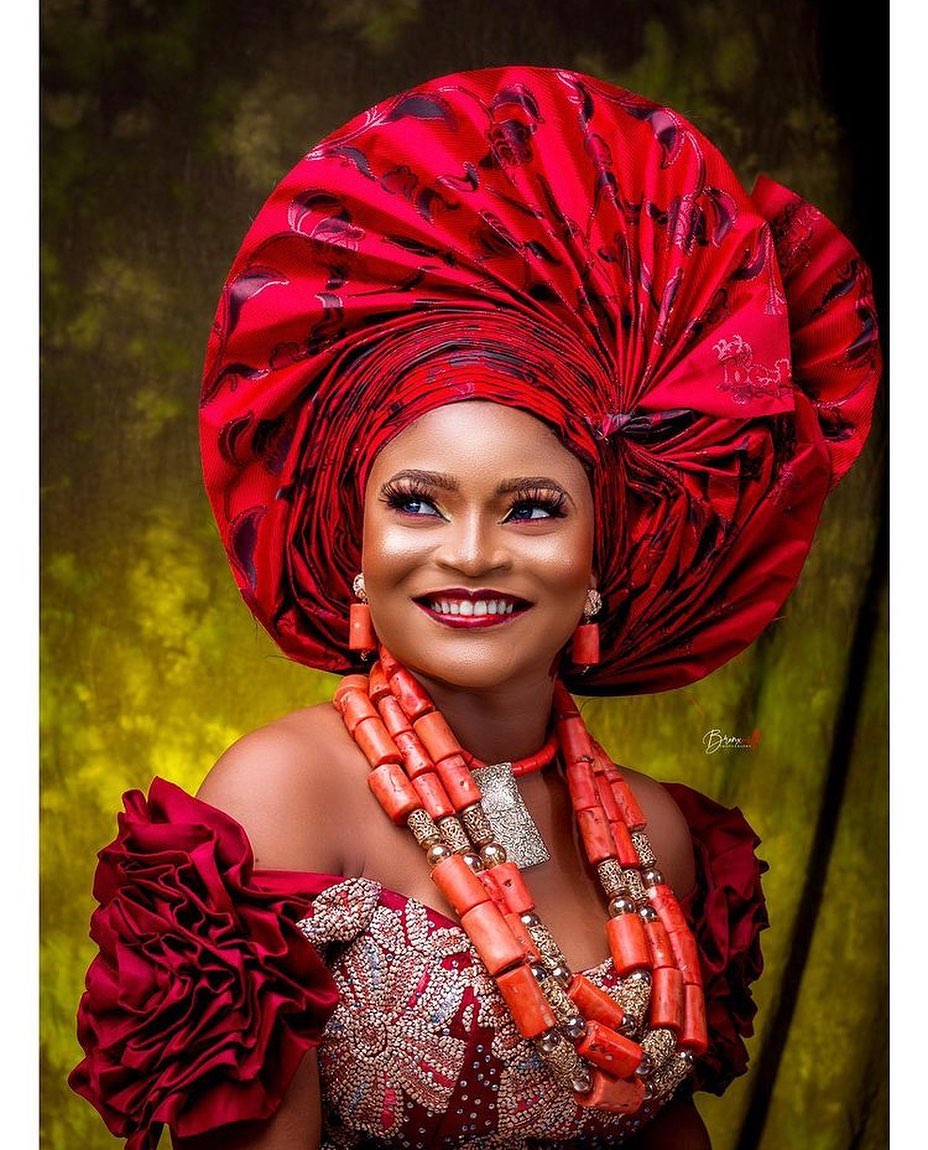
This is the most complete form of Urhobo women’s traditional dress and the one with the deepest ceremonial roots. The configuration consists of three components: the Ewu, a fitted blouse typically constructed from lace or brocade; the Aniku, a two-yard inner wrapper tied at the waist; and the Oseba, a four-yard outer wrapper that falls to the heel. The ensemble is completed by the Onerho or Uriofo, a headtie of one to two yards tied with a precision that varies by occasion and status.
This is the dress of a woman who is fully present—not arriving. Present. The double wrapper is laborious to wear and deliberate in its silhouette. It covers the body from shoulder to heel in a manner that projects both modesty and authority. At traditional weddings, burial ceremonies, and title events, this configuration is the standard against which all other dressing is measured. The Ewu fabric and the wrapper fabric are selected together. The colour and material combination communicates wealth, family affiliation, and ceremonial seriousness.
Contemporary tailors have introduced off-shoulder variations and modern silhouettes into the Ewu without altering its foundational weight. The renovation is in the construction. The cultural function remains fixed.
2. The Wrapper Skirt with Ewu Blouse: Modernity Without Concession
As the double-wrapper configuration requires considerable skill to tie correctly, a modernised form emerged in which the Oseba wrapper is sewn into a fitted skirt, maintaining the silhouette of the original while making it more accessible to younger women and those navigating urban contexts. The Ewu blouse remains unchanged. The Onerho headtie is still tied. The coral beads are still present.
This is not a compromise garment. It is a translation, in the precise sense that Omiren Styles describes in its coverage of clothing as a form of cultural identity: a dress that carries ancestry into global fashion systems without surrendering authorship. The wrapper-skirt version of Urhobo ceremonial dress is now widespread at traditional weddings, naming ceremonies, and community festivals across Delta State and the diaspora. Its prevalence signals not a weakening of tradition but an extension of it into new circumstances.
3. The Straight Gown with Gele: Ceremony and Collective Identity
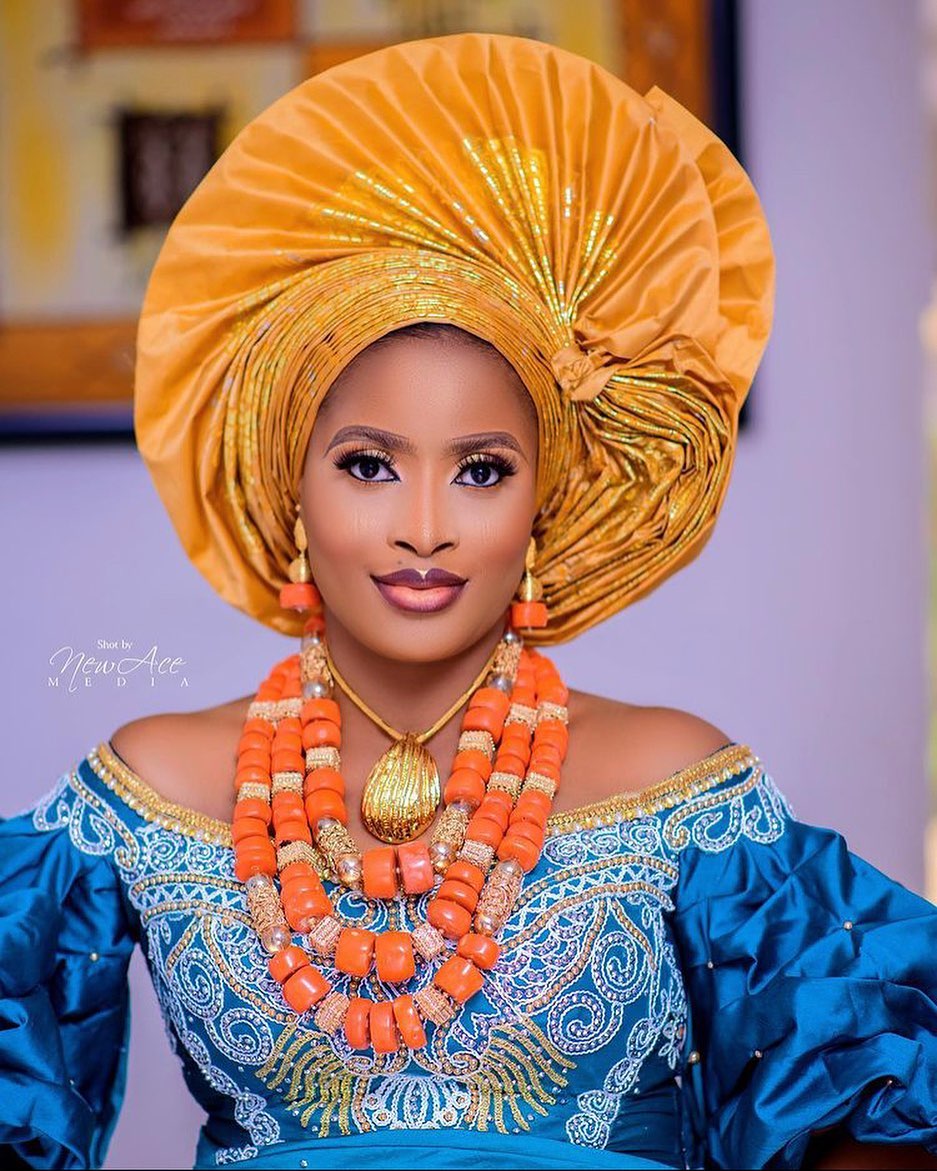
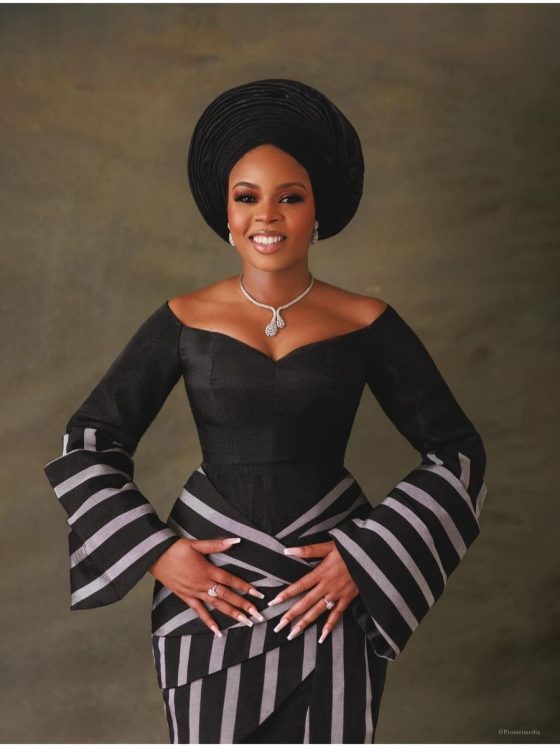
At large formal occasions in Urhobo and wider Niger Delta communities, including church celebrations, community festivals, and family outings, the straight gown with a double Gele headtie is the dress code of women who have agreed to present themselves as a unified group. Aso-ebi coordination, the collective wearing of a single fabric chosen for a specific event, operates most visibly in this silhouette.
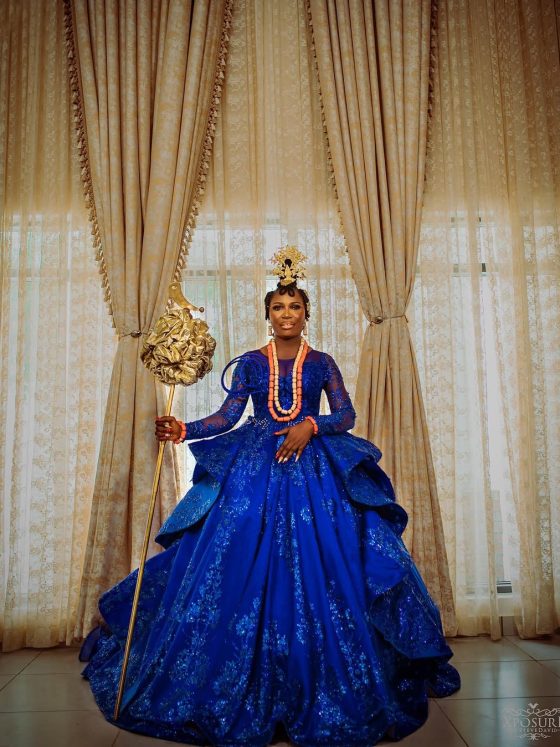
The straight gown is floor-length, structured, and typically made from George fabric, lace, or heavy brocade. The Gele, tied in the elaborate double formation specific to Niger Delta styling, frames the face and signals the formality of the occasion. Red coral beads complete the look, worn in multiple strands or configured as the beaded crown known as Okuku when the woman’s status warrants it.
The Okuku, a beaded head crown, carries its own authority register. Women of recognised social standing wear it and signal a position that the Gele alone does not. As Omiren Styles has documented in its analysis of why culture is the foundation of style, social identity in African dress is not communicated through individual choice alone. It is communicated through the precise combination of garments, accessories, and occasion-reading that this straight gown silhouette requires.
4. The Coral Bead Ensemble: Status Worn on the Body
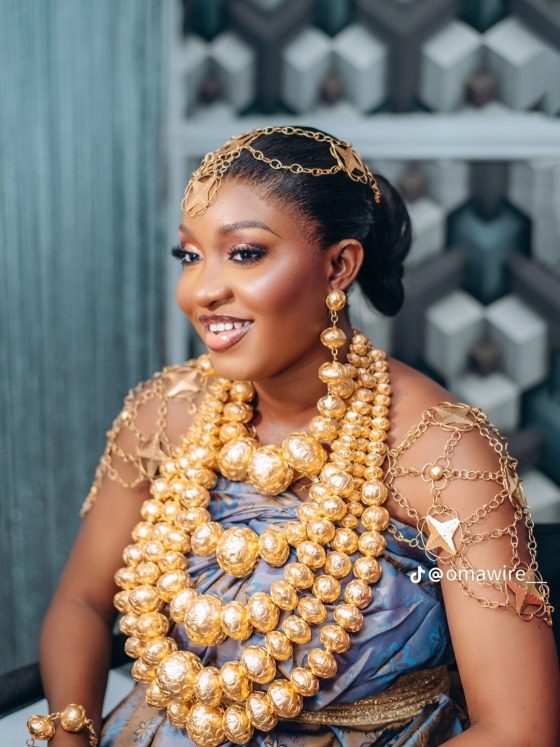
There is a configuration in Urhobo women’s traditional dress in which the beads are not the accessory. They are the primary garment. Women of the highest social standing, including titled women, elders, and brides at the peak of ceremonial dressing, wear multiple layers of coral beads from neck to chest, wrist to elbow, and waist to hip, combined with a wrapper and blouse that serve as the supporting structure for the beadwork.
This is one of the most direct expressions of status available in Urhobo material culture. Coral carries associations with wealth, royalty, and ceremonial readiness that are specific and legible. The weight of the beads, the number of strands, and the configuration across the body communicate the woman’s social position without a word being spoken. Her introduction has been made before she enters any room.
In the Urhobo cultural system, coral beads are not worn casually. Their appearance at a ceremony marks the occasion as one that demands the full expression of the wearer’s standing. This logic is consistent with the broader principle documented across African dress traditions: that adornment is communication, not decoration. The distinction matters, as Omiren Styles argues in its examination of African cultural resistance and style, because reducing beadwork to surface aesthetics strips it of the social and political information it carries.
5. The Bridal Wrapper Configuration: Transition Made Visible
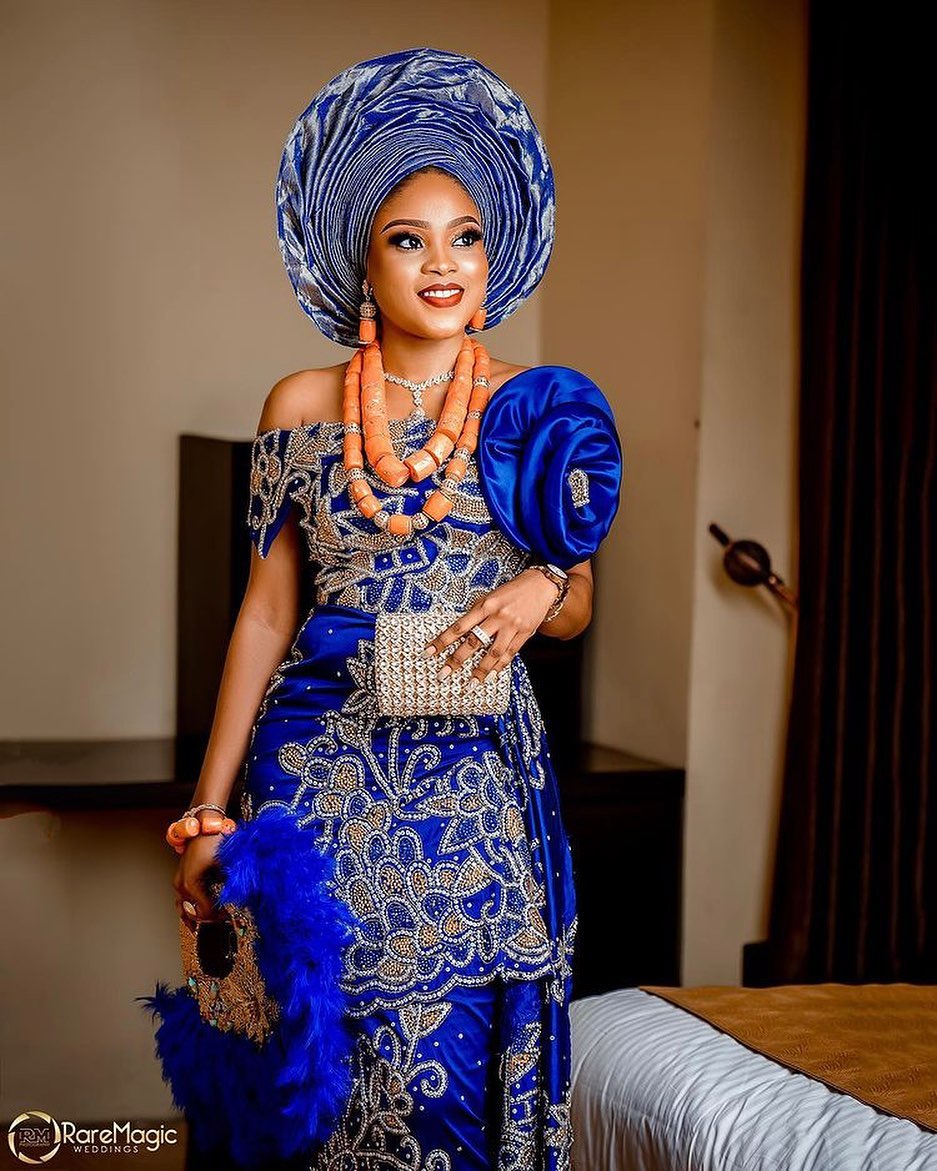
At an Urhobo traditional wedding, known as the ‘Esavwijotor’ or its related ceremonial forms, the bride’s dress is the most densely coded garment in the room. The bridal configuration typically combines the finest-quality Ewu blouse and double wrapper available to the family, paired with coral beads worn from crown to ankle, a beaded Okuku headpiece, and accessories such as hand fans, horse tails, and feathers. Each element has a specific function in the ceremonial sequence.
The horse tail (Orhue) and feathers carried by the bride are not decorative flourishes. They signal strength and good fortune, marking the bride’s readiness to move from one household into another with full spiritual and social authority. The sequence of the Isuo, the ritual escorting of the bride to her husband’s family home, requires this full configuration. An incomplete dressing is not a style choice at this ceremony. It is a statement about the family’s seriousness.
Contemporary Urhobo brides sometimes introduce George fabric in international-quality grades or commission bespoke Ewu designs from Nigerian designers who work within the traditional vocabulary. The materials may be newer. The configuration and its meaning are not. As documented in the comprehensive cultural record maintained by Rex Clarke Adventures on the Urhobo people of Delta State, the final rite of the Isuo marks the full completion of the marriage. The dress worn at that moment must carry the full weight of what is being completed.
|
ALSO READ:
- When Dressing Becomes Declaration: Clothing as Cultural Identity
- Why Culture Is the Foundation of Style in African and Global Fashion
- How Cultural Resistance Shaped the World’s Most Powerful Style Movements
Five Styles. One System.
Urhobo women’s traditional dress does not express fashion trends. It expresses a coherent cultural system built on ecological colour references, garment construction that signals occasion, beadwork that communicates social standing, and accessory combinations that mark transitions and ceremonies. The five styles above are five positions within that system, not five looks.
The Ewu and double wrapper declare full ceremonial presence. The wrapper skirt translates that authority for contemporary contexts. The straight gown with a gele performs collective identity at large formal occasions. The coral bead ensemble places social status directly on the body. The bridal configuration makes the transition between households visible and complete. Each one is a Urhobo woman’s dress doing its primary work: communicating who a woman is, what she holds, and where she stands. That work has not changed. The silhouettes have expanded. The system endures.
Frequently Asked Questions
1. What is the traditional clothing of Urhobo women called?
The foundational garments of Urhobo women’s traditional dress are the Ewu (blouse), the Aniku (inner wrapper), the Oseba (outer wrapper), and the Onerho or Uriofo (headtie). Together, the double-wrapper and blouse configuration constitutes the most complete expression of Urhobo women’s ceremonial dress.
2. What do the colours of Urhobo traditional attire mean?
Urhobo traditional colours draw from the Delta environment. Blue references the rivers and sky of the Niger Delta. Green represents life and the forested wetlands of Urhobo territory. Yellow signifies richness and solar energy. These are not aesthetic preferences but ecological references embedded in cultural vocabulary.
3. What is the significance of coral beads in Urhobo dress?
Coral beads in Urhobo culture communicate wealth, status, and ceremonial readiness. The number of strands worn, their placement on the body, and the specific configuration signal the wearer’s social position to those who understand the dress grammar. Women of recognised standing wear the beaded crown.
4. What do Urhobo women wear to a traditional wedding?
Urhobo brides typically wear a combination of the finest-quality Ewu blouse and double wrapper, coral beads worn from crown to ankle, a beaded Okuku headpiece, and ceremonial accessories, including hand fans, horse tails, and feathers. The ceremonial sequence of the traditional wedding prescribes the configuration.
5. What is the Gele in the Urhobo dress?
The gele is a head tie worn by Urhobo and other Niger Delta women at formal occasions. In Urhobo traditional dress, the double Gele formation tied at large ceremonial events frames the face and signals the formality of the occasion. When replaced by the beaded Okuku crown, it signals even higher social standing.
6. Is the Urhobo traditional dress still worn today?
Yes. Urhobo traditional dress remains central to traditional weddings, naming ceremonies, title events, community festivals, and family gatherings. Contemporary adaptations, including the wrapper skirt and modernised Ewu silhouettes, have extended the tradition’s reach without altering its communicative function.