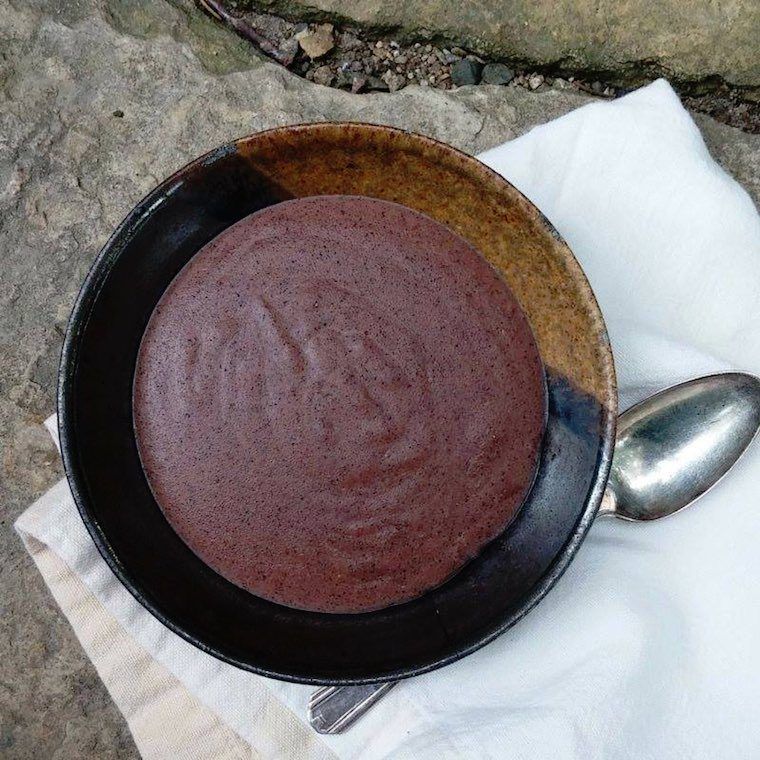
Just after dawn in Kenya, before traffic thickens and the day demands attention, uji (millet porridge) is already at work. It steams quietly in kitchens and roadside stalls, steady and unassuming. This porridge is not food designed for spectacle. It is food intended for life. What makes Uji remarkable today is not that it is new, but that the world is finally paying attention. As wellness culture matures and global tastes move toward meaning over excess, this East African staple is finding its place at refined tables far beyond its origin. Uji’s rise feels inevitable. It answers a modern question with ancestral clarity.
Explore how uji, Kenya’s traditional fermented porridge, has evolved from a heritage staple into a global super breakfast valued for nutrition and culture.
Rooted in Place and Practice
Uji is the product of land and living intelligence. Made traditionally from millet, sorghum, or maize, it reflects crops suited to the Kenyan savanna and surrounding regions. These grains were chosen not for convenience, but for resilience. They grow where water is scarce, store well, and provide consistent nourishment. Long before sustainability became a talking point, Uji embodied it.
This is cultural craftsmanship in its purest form. Each blend carries decisions shaped by climate, labour, and communal knowledge. The result is a breakfast that feeds the body while honouring the ecosystems that produced it.
The Shift from Staple to Signal

What has changed is the context. Urban Kenya, and increasingly the diaspora, has reintroduced uji as a conscious lifestyle choice. Enriched versions, often referred to as uji power, layer grains with tubers, seeds, and legumes. These additions deepen its nutritional profile, offering protein, fibre, and slow-release energy in a single bowl.
In this form, Uji aligns seamlessly with modern wellness values. It is plant-forward, minimally processed, and naturally functional. Unlike imported superfoods that rely on rarity for appeal, uji’s strength lies in balance. It nourishes without performance and sustains without overstating its role.
Quiet Luxury in Everyday Ritual
There is a subtle luxury to Uji’s simplicity. Its appeal is not decorative, yet its presence is increasingly refined. Thoughtfully packaged flours, café interpretations, and home recipes that incorporate spices or alternative milks have elevated its aesthetic without erasing its origin.
This mirrors shifts seen in modern luxury fashion, where heritage techniques are reinterpreted through contemporary design. Uji, like a well-crafted garment, gains value through intention. It is not an attempt to impress. It is confident in function and form.
Read Also:
Wellness Without Excess

In a global market saturated with powders, pills, and performative health trends, Uji offers restraint. Its nutritional value is cumulative rather than instant. Whole grains support digestion and metabolic health. Seeds and legumes add density without heaviness. The experience is grounding rather than stimulating.
This aspect is where Uji stands apart. It reframes wellness as continuity rather than intervention. For a generation fatigued by extremes, this approach feels both modern and necessary.
Diaspora, Identity, and Exchange
For African diaspora communities, Uji is a memory made practical. It is often the first food introduced to children, the meal offered in care, and the taste associated with home. Sharing it across cultures becomes a form of dialogue rather than explanation.
As Uji enters global kitchens, it carries an African worldview. It is a worldview that prioritises sufficiency over surplus and emphasises rhythm over urgency. Its growing presence in wellness conversations reflects a broader recalibration in which African traditions are not positioned as alternatives but as references.
Sustainability as Inheritance

Uji’s resurgence also speaks to ethical consumption. Its ingredients support local farming systems and resilient crops. Compared to heavily industrialised breakfast foods, their ecological footprints are modest. In a world increasingly defined by responsibility, this aspect holds significant importance.
Here, sustainability is not branding. It is an inheritance. Uji does not borrow credibility from trends. It offers a model already proven by time.
Conclusion
Uji’s journey from Kenyan savannas to global tables is not a reinvention story. It is a recognition story. This recognition shows that nourishment, culture, and modern living can coexist harmoniously. In an era drawn to meaning, uji stands as a reminder that some of the most forward-looking ideas are deeply rooted. Its rise signals a future where African foodways are not translated down but engaged with on equal terms. Quietly. Confidently. Intentionally.
5 FAQs
- What exactly is uji?
Uji is a traditional East African porridge made primarily from whole grains such as millet, sorghum, or maize.
- Why is Uji considered nutrient-dense?
Its whole-grain base and, in modern blends, added seeds and legumes provide fibre, plant protein, and sustained energy.
- How does Uji fit into modern wellness lifestyles?
It aligns with plant-forward, minimally processed diets focused on balance rather than quick stimulation.
- Is Uji sustainable compared to other breakfast foods?
Yes. Its ingredients are resilient crops with lower environmental impact and strong ties to local farming systems.
- Why is Uji gaining global attention now?
Growing interest in cultural authenticity, ethical consumption, and non-Western wellness traditions has created space for its recognition.