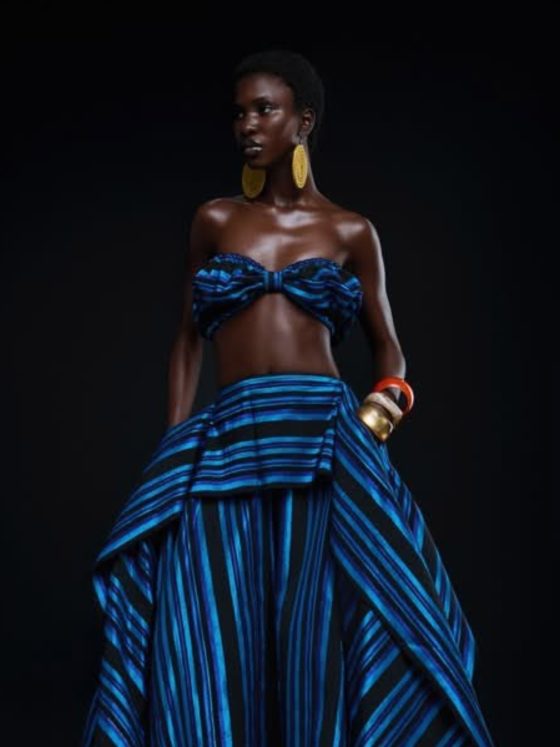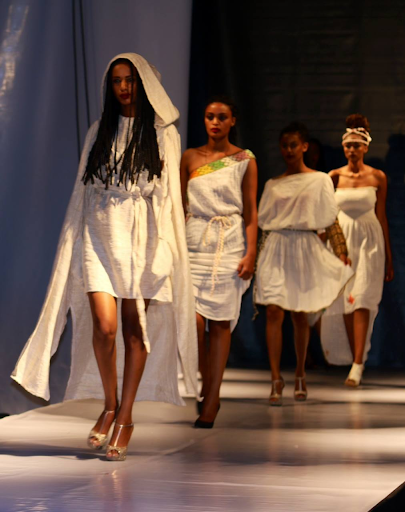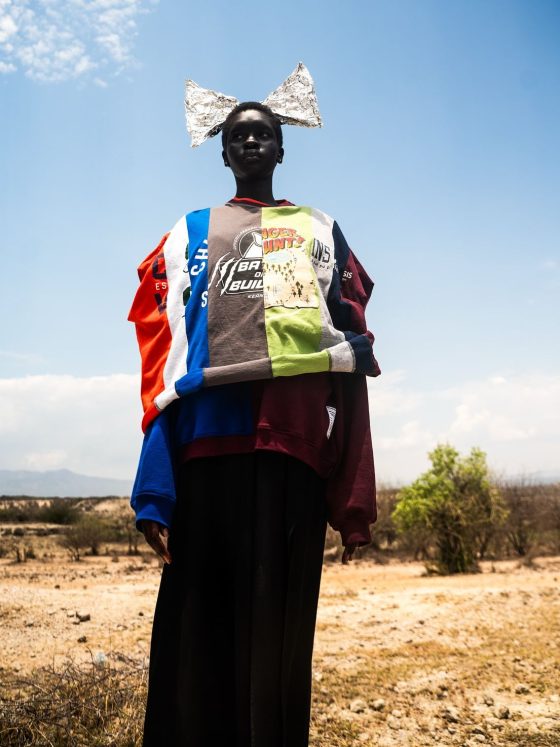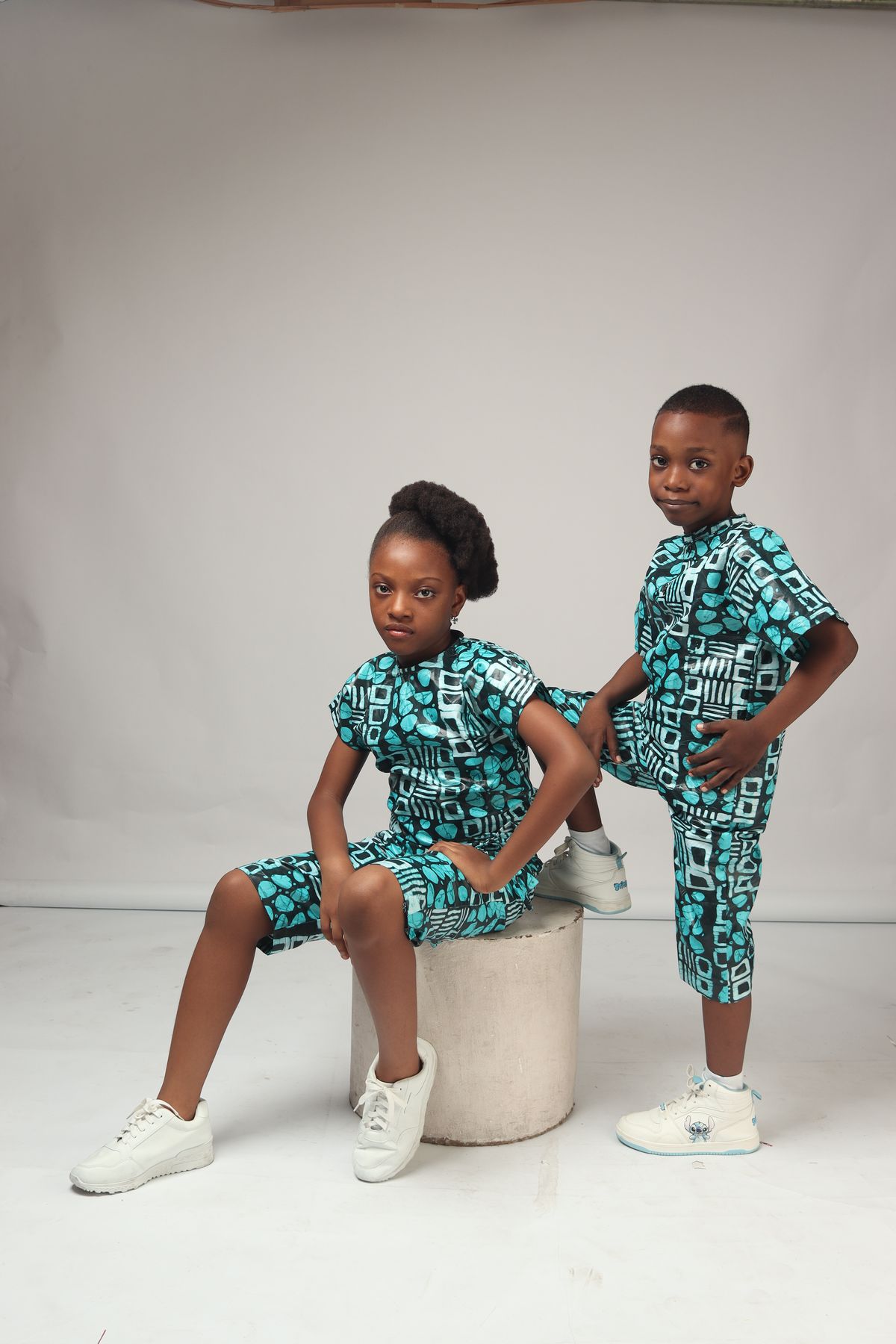
In 2026, a quiet change is happening in nurseries. We call it Omolérè, which means the intentional joy of a child, and it is changing how we dress the next generation. As people grow tired of fast fashion, more parents are turning to the lasting comfort and tradition of African textiles to share a richer story.
For today’s families, a child’s wardrobe is like their first library. Each piece of hand-spun organic cotton and every plant-based Adire pattern adds to a bigger story of cultural pride. At Omiren, we see more people opting for clothing that is both inclusive and sustainable. Such behaviour is not just about buying new things; it is about living with purpose. By choosing fabrics that are gentle on both a child’s skin and the planet, we help children feel rooted in their identity from the very beginning.
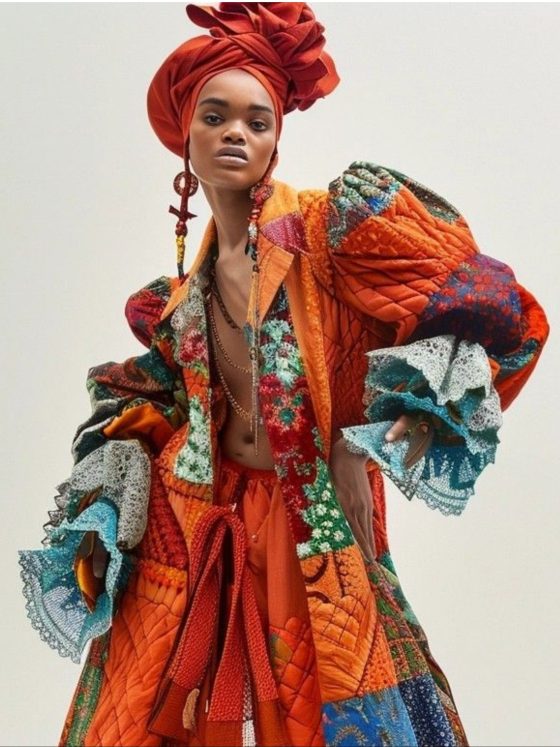
The rise of heritage couture for “Little Experts” is more than a trend; it’s a professional commitment to legacy building. Whether it’s the fluid, gender-neutral drape of an Ade + Ayo silhouette or the rhythmic patterns of a miniature MaXhosa Africa knit, these pieces are being curated into family archives. In 2026, we aren’t just looking at clothes; we are looking at the future of African storytelling, one soft, hand-dyed thread at a time.
Why organic African cotton is the safest narrative for the next generation. Explore the rise of non-toxic, sustainable kids’ style at Omiren Styles.
Why Fabric Choice is the New Heritage Metric
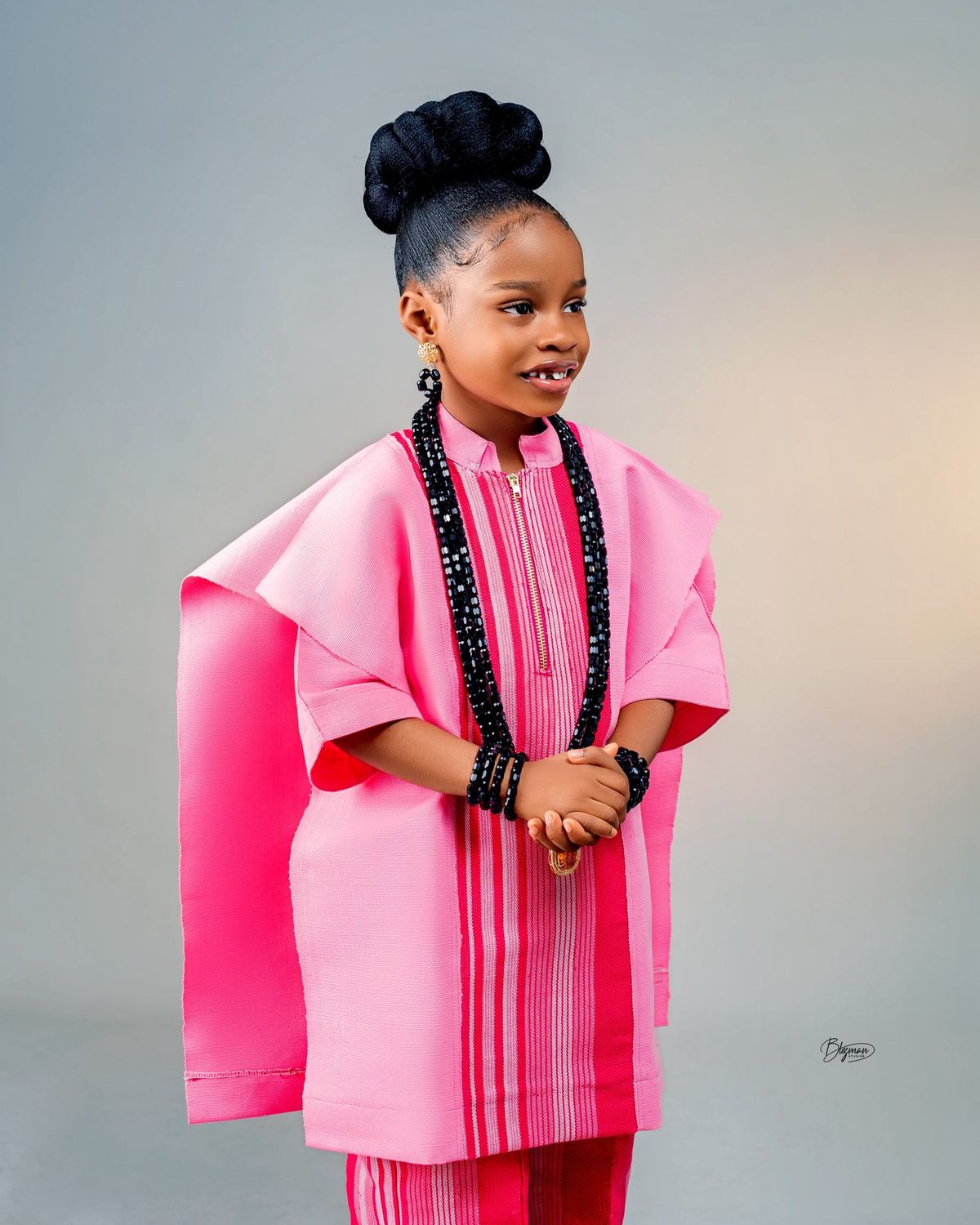
In 2026, fashion has redefined luxury as comfort rather than extravagance. The Omolérè movement’s “Little Experts” find comfort in the way the fabric feels against their skin. At Omiren, we believe a child’s first experience of their culture should feel soft and welcoming, not itchy or restrictive. We call the space a “Somatic Sanctuary”.
- Beyond the Print
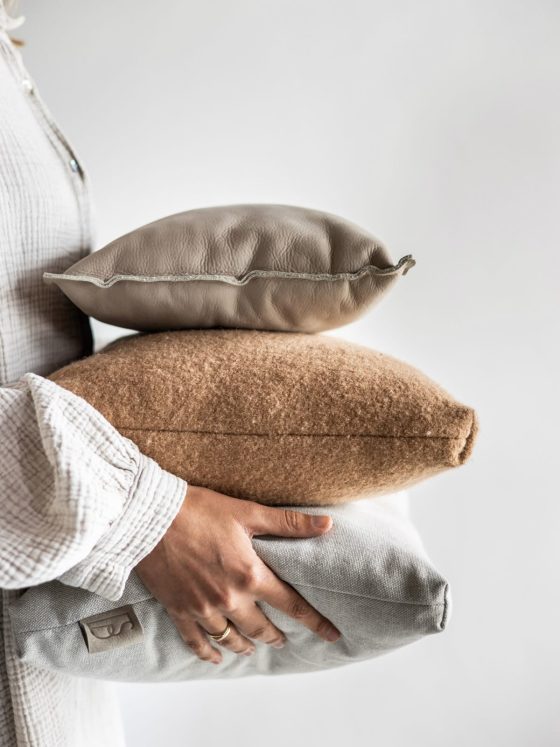
The bright patterns of Ankara and Kente are eye-catching, but the real quality lies in the fibre itself. In 2026, more people are choosing 100% organic African cotton. Unlike synthetic blends that can trap heat and irritate sensitive skin, organic cotton is naturally hypoallergenic and breathable.
- The “Cool” Factor
Traditional textiles like Adire (hand-dyed indigo) and Bazin Riche (high-density woven cotton) are the 2026 nursery’s breakout stars. Because they are made of high-quality natural fibres, they function as thermal regulators, keeping children cool on a scorching Lagos afternoon and snug on a crisp London morning.
- Non-Toxic Narratives: the Power of Natural Dyes
In 2026, sustainability is more than a “buzzword”; it is a safety norm. One of the most popular subtrends in African fashion culture is the return to plant-based dyes.
- The Palette of Health
Parents are increasingly opting for clothing dyed with Indigo, Kola Nut, and Onion Skin. These old processes are naturally non-toxic and free of the harsh metallic salts present in inexpensive synthetic inks.
- The Inclusive Edge
By focusing on these historical traditions, brands like Ade + Ayo and Wanni Fuga ensure that their “Little Experts” aren’t only wearing a tale but also a garment that promotes long-term health and skin integrity.
- Durability as a Cultural Handshake
We’ve broken free from the “buy-to-discard” cycle. A piece of heritage couture is now regarded as a generational legacy. These natural textiles outlast their synthetic equivalents not only on the playground but also over a decade.
A hand-woven Aso Oke tunic is more than just an outfit for a three-year-old; it will become an heirloom for their younger relative. In 2026, durability is the pinnacle of sustainability.
The Visual Language of Growth and Inclusivity
The Omolérè movement has expanded beyond the conventional confines of the children’s aisle. At Omiren, we’re seeing a shift in which African heritage is no longer a “special occasion” costume but an everyday tool for Inclusive storytelling. This portion of the nursery is evolving beyond the binary, focusing on silhouettes that not only “fit” a child for a season but also grow with them, both physically and culturally.
- The “Forever Fit”
One of the most popular stories in early 2026 is the Adjustable Heritage clothing. Designers are drawing on the natural, fluid geometry of traditional African clothing, such as the Buba, Dashiki, and Kaftan, to produce pieces with “Extended Life Cycles.”
- The Movement
By utilising ingenious drawstring waists, deep hems, and wide-cut “Magyar” sleeves, designers are guaranteeing their tales will linger in a child’s wardrobe for years rather than months. A luxurious Adire tunic begins as a floor-length dress for a two-year-old and suddenly transforms into a sophisticated, mid-length top for a four-year-old. This concept is sustainability at its most practical and professional; it respects the resources required to make the cloth by guaranteeing that it is not outgrown in an instant.
- Gender-Neutral Heritage:
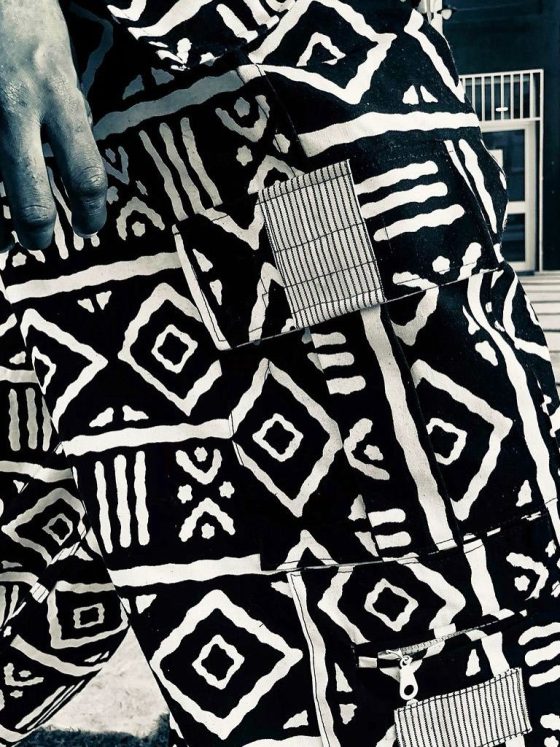
The 2026 “Little Expert” dislikes the traditional pink-and-blue aisles. African textiles have always had a complex, gender-neutral DNA, and contemporary storytellers are reclaiming it. Prints such as Bogolan (mud cloth) with its earthy ochres and blacks, or Indigo’s deep, melancholy blues, provide a palette that is accessible to all.
- The Story
By dressing a child in the geometric perfection of a MaXhosa knit or the minimalist, sculptural lines of Hertunba children, we teach them that legacy is a global language. It’s an inclusive approach that values the soul of the craft over the wearer’s gender. These clothes let toddlers move, play, and investigate their surroundings without being boxed into outdated categories.
- Cultural Literacy through Visual Patterns
Every pattern in a Kente weaving or Adire print represents a word in a visual sentence. In 2026, parents will use these patterns to develop “Visual Literacy” from infancy.
- The Expert View
By surrounding children with symbols of strength, unity, and patience, such as the Adinkra motifs commonly found in Ghanaian-inspired couture, we provide them with a Somatic Anchor. It represents a professional dedication to identity. These aren’t simply lovely shapes; they’re the “Expertise” of an entire civilisation, translated into soft, wearable forms for the next generation of world citizens.
ALSO READ:
Turning Childhood Stories into Heritage Heirlooms
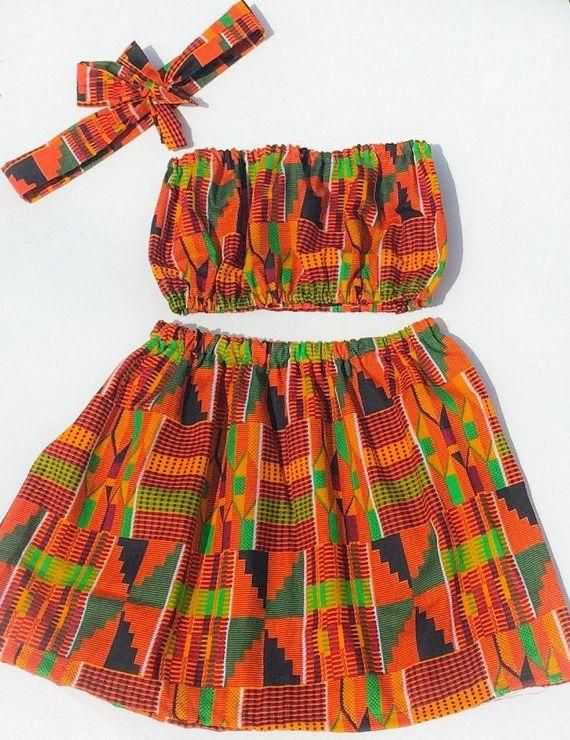
In the final phase of the Omolérè movement, we look beyond the playground to the future. At Omiren, we know that the actual value of a garment is not determined by its price but by its “story-per-wear”. The trend had moved from “buying now” to “archiving later.” This section discusses the professional art of preservation and the emotional weight of passing on a heritage.
- The “Heirloom” Mindset:
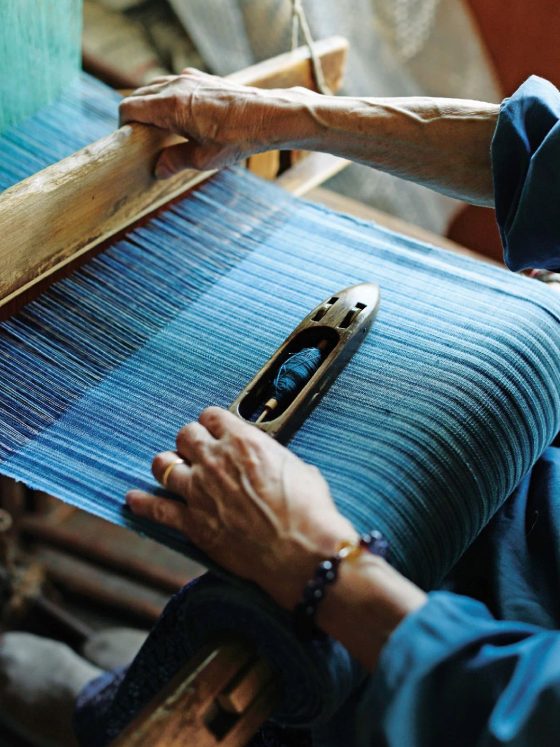
Unlike the synthetic fibres that dominate the fast-fashion market, the natural materials used in African heritage couture, such as the hand-woven Aso Oke and the dense, sturdy Kente, are designed to endure a lifetime.
- The Story
In 2026, parents view their children’s first birthday costumes or naming ceremony wraps as “Time Capsules.” They are storing more than just cloth; they are storing the weaver’s expertise and the memory of a milestone.
- The Sustainable Flex
By selecting high-quality, sustainable pieces from storytellers such as MaXhosa Africa, families can build a circular economy in their own homes. A “mini-cardigan” worn now will be a valued vintage garment for a cousin or future grandchild in twenty years.
- Emotional Durability: Why We Can’t Let Go:
In 2026, a concept called “Emotional Durability” emerged: the belief that humans care more about objects with souls.
- The Inclusive Connection:
Because Omolérè fashion is based on cultural identity, it fosters a connection between the wearer and the garment. This is more than simply a shirt; it is a piece of “wearable home”.
- The Trend
We are witnessing a viral trend known as “Repurposing the Archive.” Parents are framing old heritage clothes as wall art or stitching them into the linings of school bags. It is an inclusive technique for keeping a child connected to their heritage while navigating a modern, globalised society.
- The Digital Archive: Documenting the Thread
In the digital age of 2026, storytelling has become high-tech. The most fashionable families are increasingly generating “Digital Heritage Logs” using platforms such as Omiren.
- The Expert Move
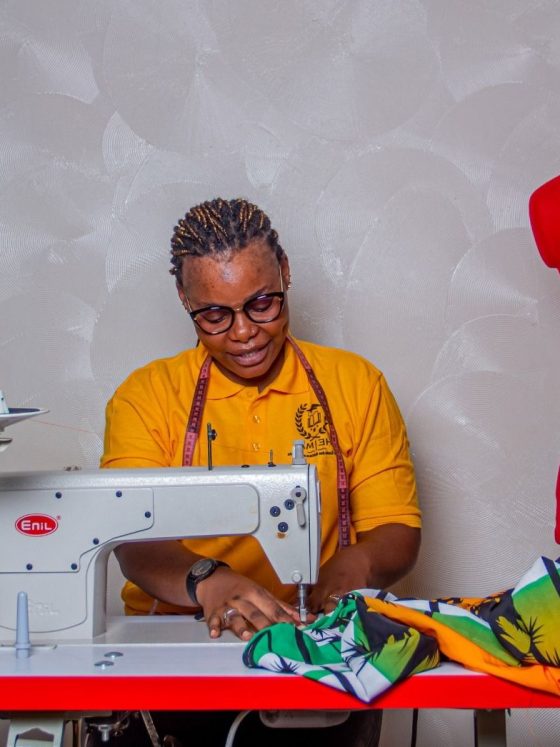
By recording who manufactured the clothing, the meaning of the design, and the occasions on which it was worn, families ensure that the piece’s cultural legitimacy is preserved for future generations.
The Omolérè movement’s ultimate purpose is to ensure that no youngster feels like a guest in their culture. They are the “Little Experts” of a lineage known for their softness, breathability, and durability.
Conclusion
As we travel through the vivid world of 2026, it becomes evident that the Omolérè movement is far more than a fad. It marks a significant professional shift in how we perceive the “Little Experts” in our lives. By choosing sustainable, breathable historical textiles over the empty promises of quick fashion, we are making a clear statement: our children deserve to be wrapped in inclusive stories that celebrate their health, identity, and the environment.
From the “Somatic Sanctuary” of hand-dyed organic cotton to the fluid, gender-neutral shapes that evolve with a child’s curiosity, African fashion culture is paving the way for a more deliberate future. We are no longer simply choosing clothing; we are curating cultural legitimacy. Every Adire romper and Kente wrap serves as a tactile connection between historical wisdom and modern elegance, ensuring that our legacy becomes an integral part of the next generation’s daily routine.
Omiren’s purpose is to document these strands of transformation. The “Family Archive” is more than just a dusty box in the attic; it is a generative, vibrant heritage that begins in the nursery and continues throughout life. Looking ahead to 2026 and beyond, we are certain that dressing our children in the reality of their ancestors protects their skin and nurtures their souls.
Every link is an open door to a new perspective. To see how we are weaving the 2026 fashion landscape into a single, cohesive story, immerse yourself in Omiren Styles.
Frequently Asked Questions (FAQs):
- What is the “Omolérè” movement in 2026 fashion?
It is a cultural shift toward dressing children in intentional, heritage-based garments that celebrate ancestral joy. This movement prioritises inclusive storytelling and sustainable luxury over disposable fast-fashion trends.
- Why is organic African cotton better for “Little Experts”?
Grown without synthetic pesticides, these fibres are naturally hypoallergenic and highly breathable, making them suitable for sensitive skin. At Omiren, we highlight how plant-based dyes like Indigo offer a non-toxic, professional alternative to harsh chemical inks.
- Are heritage textiles like Aso Oke durable enough for play?
Yes, these hand-woven fabrics are engineered for longevity and are far more resilient than synthetic blends. The 2026 trend focuses on fluid silhouettes that provide the freedom of movement needed for active, trendy play.
- How do I build a sustainable fashion archive for my child?
Focus on “Quality over Quantity” by selecting heirloom pieces from brands like Ade + Ayo that hold cultural legitimacy. Document the story behind each pattern to transform a simple wardrobe into a lasting family legacy.