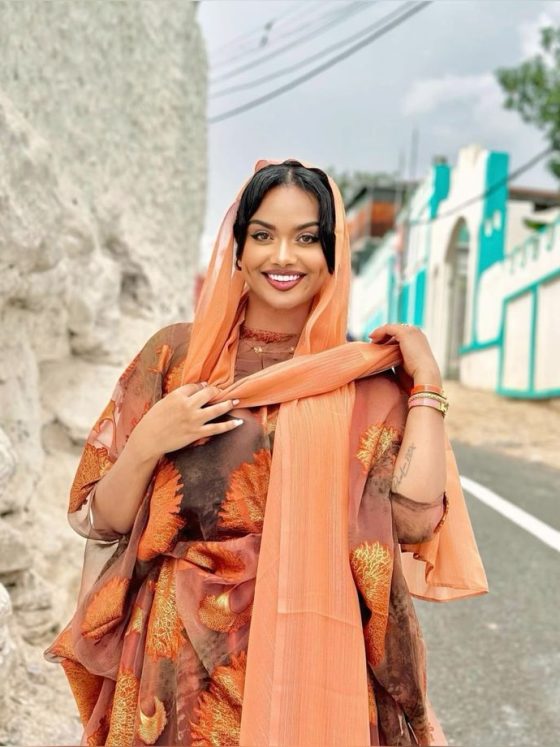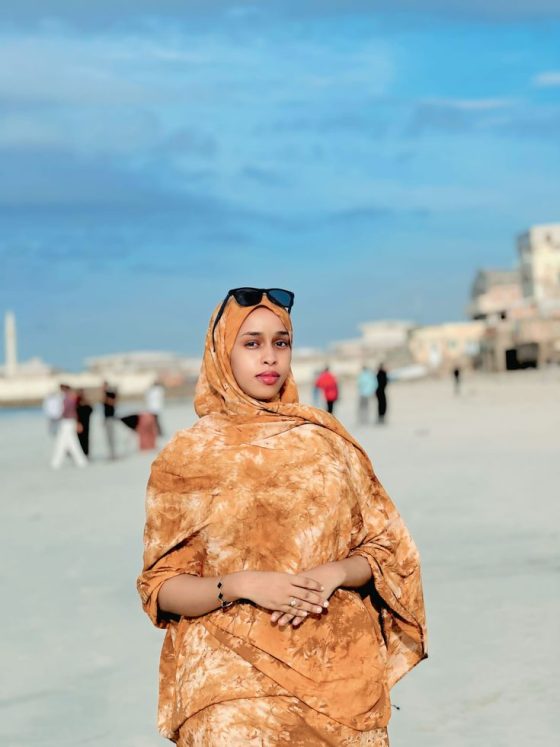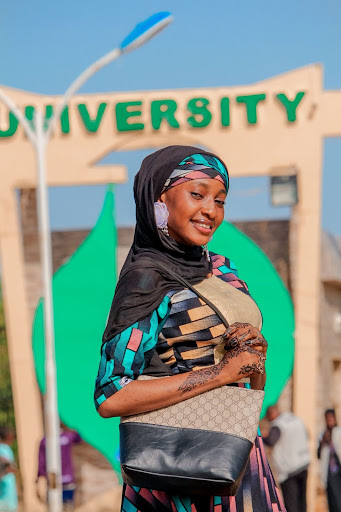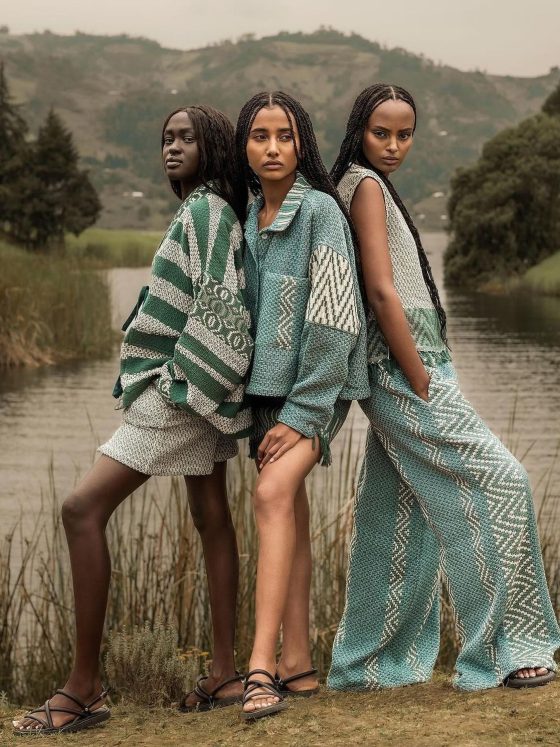
Streetwear has evolved into a global force in fashion, shaping how people dress, interact, and define culture across continents. It is no longer confined to specific cities or subcultures. Streetwear has become a language of identity, commerce, and lifestyle that moves across continents.
Streetwear significance lies not only clothing but also in the global ecosystem. The support of designers, brands, communities, and consumers all contribute to this growth.
Explore how streetwear became a global business, driven by culture, community, digital influence, and a new generation shaping fashion worldwide.
A Global Perspective on Streetwear
Streetwear originated from the fusion of urban subcultures like skateboarding, hip-hop, punk, and surf, each contributing aesthetics and attitude. Over time, these influences spread worldwide, adapting to local contexts while retaining a sense of cultural immediacy.
Cities like Tokyo and Seoul redefined streetwear through local design sensibilities, merging minimalism, technology, and youth culture.
In Lagos and other African cities, streetwear has become a medium for self-expression and creative entrepreneurship, connecting local talent to international audiences.
Today, the conversation around streetwear is global, inclusive, and constantly evolving.
The Scale of the Business
According to Fortune Business Insights, one of the firms tracking the sector, the global streetwear market reached $347 billion in 2024. It could climb to $371 billion in 2025, with long-term forecasts projecting over $637 billion by 2032. While estimates vary across research firms, most analyses agree that the Asia-Pacific region accounts for around 36% of global revenue and is the strongest growth engine, fuelled by urban youth culture and digital adoption.
Modern business models support the industry’s expansion:
- Direct-to-consumer online sales – brands connect with audiences worldwide instantly.
- Limited-edition releases and “drop” culture – scarcity drives demand and fuels secondary markets.
- Digital marketing and influencer partnerships – storytelling through social media builds cultural resonance.
What Sets Streetwear Apart
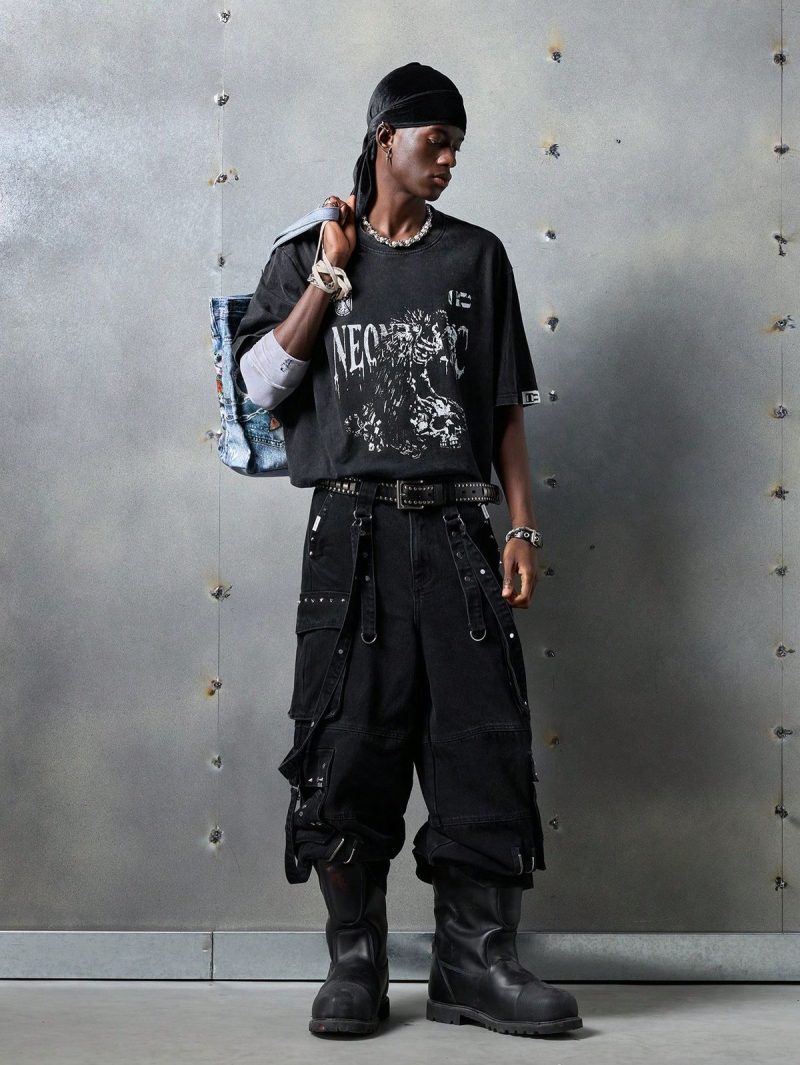
Several characteristics distinguish streetwear from other fashion sectors:
- Exclusivity: Limited runs, surprise drops, and controlled distribution create desirability.
- Cultural relevance: Unlike traditional luxury, streetwear thrives on music, art, and social movements.
- Youth-driven identity: Young consumers seek self-expression and community affiliation.
- Inclusivity and adaptability: Gender-neutral, unisex, and versatile designs broaden appeal.
- Digital-first strategies: E-commerce and social media allow brands from any region to reach a global audience.
These elements combine to make streetwear not just a style, but a business model, a cultural conversation, and a lifestyle.
The New Consumer Reality Shaping Streetwear
Streetwear’s rise is closely tied to the shift in how people shop, signal identity, and engage with brands. The modern consumer no longer responds to traditional advertising or long-standing hierarchies in fashion. Instead, three forces now shape the trajectory of streetwear globally:
1. The Power of Community-Led Influence
Streetwear thrives on communities rather than campaigns. The most successful brands build trust in spaces where people connect physical and digital.
- Local meet-ups and pop-up events give consumers direct access to designers.
- Online communities discuss releases in real time, driving demand before a product even drops.
- Young buyers trust peer-led conversations far more than traditional fashion marketing.
This shift has turned streetwear labels, even small ones, into cultural hubs. A single design can spark discussion, go viral, and influence style far beyond its origin city.
2. A New Relationship With Value
Consumers no longer define value solely through luxury pricing.
Streetwear has introduced a different model: value through relevance, not heritage.
People respond to:
- limited-run items that feel personal
- designs tied to cultural moments
- collaborations that align with their identity
- brands that speak directly to their lifestyle
Because of this, a hoodie from a young brand in Seoul or Nairobi can compete with items from established fashion houses. Value is measured in cultural currency.
3. The Globalisation of Trend Cycles
What used to take months to spread across continents now spreads within hours. Social media, resale platforms, and livestream content accelerate global visibility.
This means:
- styles created in one city quickly inspire designers elsewhere
- regional interpretations coexist instead of replacing each other
- consumers shape trends as much as designers
The result is a streetwear landscape where influence moves in multiple directions not just from major fashion capitals outward.
READ ALSO:
- African Fashion Visionaries Redefine the Hollywood Red Carpet
- The Rise of African Luxury Designers Redefining Global Runway Culture
Streetwear Around the World
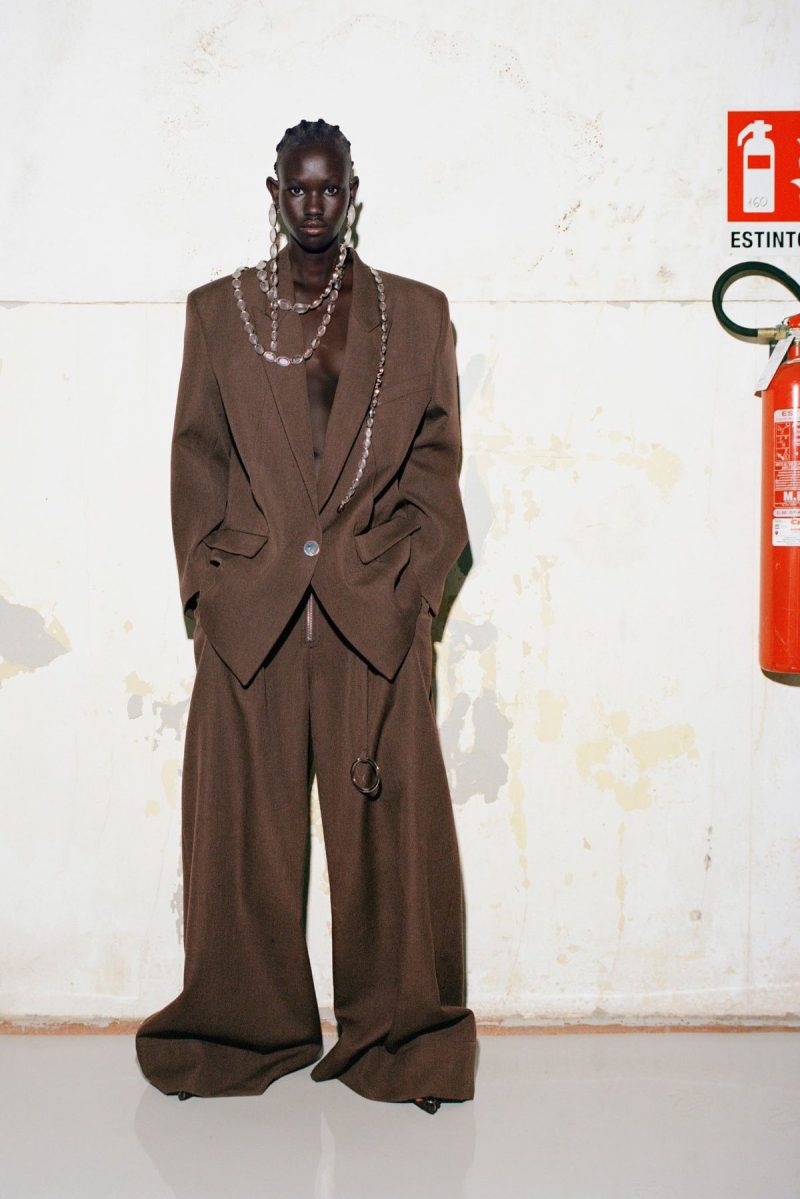
- Tokyo: Streetwear intersects with Japanese aesthetics, blending minimalism, bold colors, and functional design. Fashion weeks spotlight streetwear alongside high-end collections, reflecting its mainstream influence.
- Lagos and African Cities: Community-led events like Street Souk showcase local creativity while linking brands to global markets. The region demonstrates how streetwear can foster entrepreneurship and cultural expression.
- London: Urban fashion mixes street-level aesthetics with craftsmanship, reaching global audiences through digital channels.
- United States: Streetwear remains tied to music, sneaker culture, and youth identity, shaping both mainstream and subcultural trends.
Across these regions, streetwear adapts while maintaining a universal language in style, identity, and community.
The Future of Streetwear
- Digital-first growth: Online platforms will continue to dominate, enabling global reach without traditional retail constraints.
- Inclusivity and gender neutrality: Designs will increasingly reflect diverse consumers and social change.
- Sustainability: Ethical production and conscious materials will become central to brand identity.
- Cultural hybridity: Streetwear will blend local traditions with global influences, creating designs that resonate across multiple contexts.
Streetwear For Everyone
For creators and entrepreneurs, streetwear offers opportunities to connect directly with global consumers and build culturally relevant brands. For communities, it provides spaces for identity, collaboration, and creative expression. For the fashion industry, streetwear challenges traditional definitions of luxury, prioritizing cultural resonance and lifestyle over heritage or price.
Read more style insights and global fashion stories on OMIREN Styles.
FAQs
- What defines streetwear in 2025?
Streetwear is urban, casual fashion rooted in cultural expression and lifestyle. It emphasizes identity, community, and global relevance rather than a fixed style.
- How large is the global streetwear market?
The market is valued at $347 billion in 2024, expected to reach $371 billion in 2025, with a long-term projection of $637 billion by 2032.
- Which regions are driving growth?
Asia-Pacific leads with approximately 36–38% of global revenue, while markets in Africa, Latin America, and Europe also show increasing influence.
- What business models define streetwear success?
Direct-to-consumer online sales, limited-edition releases, social media marketing, and influencer collaborations are the main drivers.
- How is streetwear evolving?
Streetwear is increasingly inclusive, sustainable, and digitally native. Brands now reflect global cultural diversity while remaining connected to youth-driven identity and lifestyle trends.