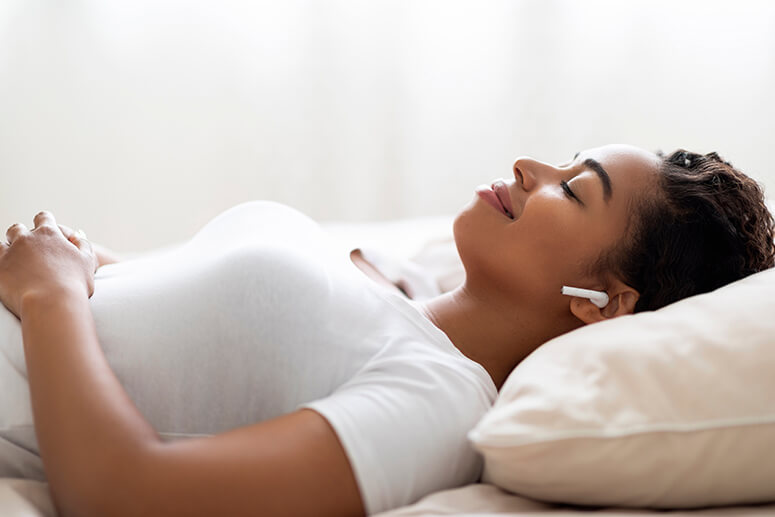
Being busy used to be something people were proud of. Sleeping late, waking up early, and running on little rest were seen as signs of hard work and success. The more tired you were, the more productive you were supposed to be. That idea is starting to change now. Today, people are realising that constant exhaustion comes with a cost.
Poor focus. Bad health. Burnout. As life gets faster and more demanding, good sleep has become harder to protect. And because it’s harder to get, it’s now seen as valuable. This is why sleep is the new status symbol. Being well-rested now suggests balance, self-control, and access to a healthier way of living.
In a world where everyone is exhausted, rest is no longer ordinary; it stands out. This article breaks down what that shift really means, why it happened, and what it says about how we live today.
Sleep is becoming a marker of success. Learn why sleep is the new status symbol and how rest reflects modern luxury and lifestyle.
What Does It Mean When Sleep Becomes A Status Symbol?
A status symbol is something people use to show success or importance. In the past, this usually meant things you could see, like expensive clothes, cars, or gadgets. If someone owned these things, others assumed they were doing well in life. Now, sleep is starting to work the same way.
When sleep transforms into a status symbol, people perceive it as an indication of a fulfilling life. It suggests that someone has enough control over their time to rest properly.
They are not always rushing, overworking, or exhausted. This change is significant because sleep is no longer simple to protect. Long work hours, stress, and constant phone use make rest harder to get.
So when someone says they slept eight hours, wake up refreshed, or have a steady bedtime routine, it quietly signals stability and self-care.
In simple terms, sleep as a status symbol does not mean showing off. It means valuing health. In a worn-out world, being well-rested has become something rare, and anything rare often gains value.
How Hustle Culture Made Sleep A Luxury
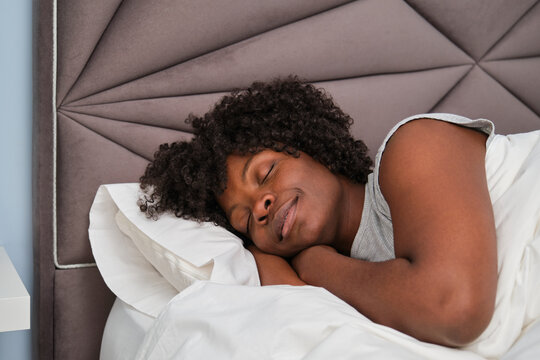
Hustle culture celebrates long hours, late nights, and skipping sleep to get more done. Phrases like “sleep when you’re done” made constant tiredness seem normal.
Over time, rest stopped feeling like a basic need and became something rare. Work, side hustles, and constant online activity leave little room for downtime, making sleep more challenging to protect.
When something important is scarce, it starts to feel like a luxury. That’s how sleep went from a daily habit to a status symbol. Choosing to rest in a culture built around constant effort now stands out, and that difference gives sleep its new value.
Why Being Well-Rested Now Signals Success
Today, sleep is more than rest; it’s a sign of control. People who protect their sleep say they can organise their day, handle stress, and maintain focus. Good sleep improves focus, decision-making, and energy, all of which are linked to success. CEOs, athletes, and influencers often credit rest as part of their performance.
Dr. Jamey Maniscalco, a neuroscientist, notes, “Sleep is one of the most powerful tools we have to boost brain function,” because it enhances memory, learning, and problem-solving.
When someone is clearly well-rested, it shows self-control and discipline, not laziness, making them stand out in a culture that glorifies constant work.
Why Sleep Is Important For Health, Focus, And Performance

Sleep isn’t just rest; it’s when your body and brain recharge. During sleep, your brain processes memories, clears waste, and strengthens neural connections. Your body repairs muscles, balances hormones, and boosts the immune system. Without enough sleep, these processes can’t work correctly, leaving you foggy, irritable, or exhausted.
Studies indicate that adults need 7–9 hours of sleep a night. Even missing an hour or two regularly reduces focus, reaction time, and productivity.
Arianna Huffington, founder of Thrive Global, says, “Sleep is a performance-enhancing tool, not a luxury.” Protecting sleep isn’t indulgence; it’s essential for success, health, and decision-making.
Sleep is more than a break from activity. It’s a biological reset that keeps body and mind running at their best, which explains why it has become a sign of control and effectiveness in modern life.
How Wellness Culture Changed The Way We View Sleep
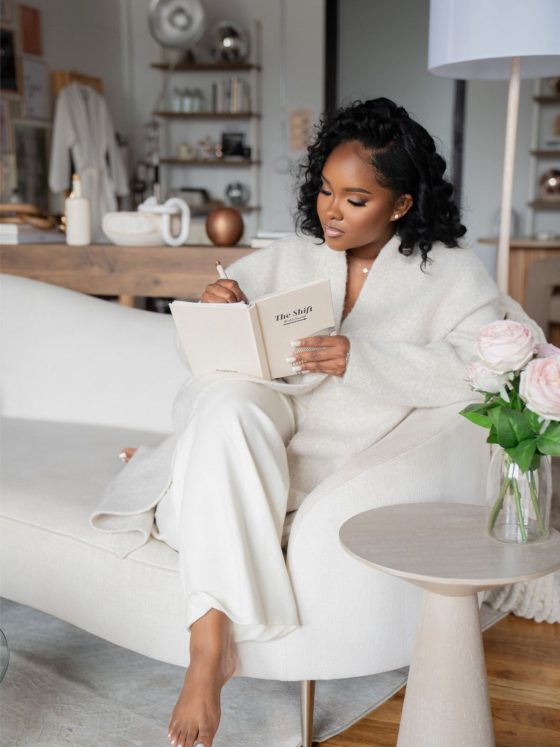
Sleep is no longer just a personal necessity; it’s a trend. Wellness culture has turned rest into something people actively pursue and showcase. In today’s world, prioritising sleep indicates that you value your health, productivity, and lifestyle balance.
Several key factors drive this shift:
- Sleep-Focused Products: From innovative mattresses and pillows to sleep-tracking apps, technology encourages better rest.
- Social Media Trends: Influencers and wellness experts share bedtime routines, creating aspirational habits.
- Luxury Experiences: Sleep retreats, hotel sleep packages, and guided relaxation programs make rest feel exclusive.
- Celebrity Endorsements: CEOs, athletes, and public figures emphasise sleep as part of performance and self-care.
- Educational Campaigns: Awareness about sleep’s role in health, mood, and productivity has grown globally.
These elements together have made sleep aspirational, turning rest into a lifestyle choice that reflects status, wellness, and self-investment.
But while wellness culture highlights the appeal of rest, real-world pressures make consistent, quality sleep harder for most people, which is why achieving it has become a modern status symbol.
ALSO READ:
- Rest As A Luxury Commodity: The New Power Of Protecting Your Peace
- The Psychology of Peace: Emotional Boundaries As A Marker Of Modern Luxury
- Minimalist Wellness: Stylish, Simple Routines That Elevate Your Day
- Quiet Rituals for a Stronger Mind, Body, and Spirit
- Glow From Within: Simple Wellness Rituals for Everyday Beauty
How Modern Pressures Make Sleep A Status Symbol

Long work hours, side projects, and the constant pull of phones and social media make it difficult to rest consistently. Urban noise, crowded living spaces, and long commutes add to the challenge, so someone who sleeps well is showing more than self-care.
They demonstrate time management skills, discipline, and the ability to prioritise health and focus despite a busy, demanding lifestyle. In a world where exhaustion is common, maintaining regular, high-quality sleep has become a clear indicator of personal effectiveness and balance, a modern status symbol in itself.
Conclusion
Sleep is no longer just a necessity; it is a modern status symbol. In a world of long work hours, constant connectivity, and endless demands, those who protect their sleep demonstrate focus, discipline, and a balanced life.
This article shows precisely why sleep is the new status symbol. Wellness trends, sleep-focused technology, and lifestyle habits have made rest aspirational. So prioritising sleep isn’t an indulgence. It signals health, productivity, and success.
How well you sleep now reflects not just your personal care but also your ability to thrive in today’s fast-paced culture. Sleep is more than rest; it is a quiet indicator of control, wellness, and status.
Frequently Asked Questions
1. Why Is Sleep The New Status Symbol?
Consistent sleep signals control, focus, and wellness in today’s busy world. Those who protect their sleep show discipline and life balance, making rest a modern status symbol.
2. How Does Wellness Culture Influence Sleep Habits?
Wellness culture promotes sleep through trends, apps, and routines. Influencers and experts sharing bedtime habits make quality rest aspirational and part of a lifestyle.
3. Is Getting 8 Hours of Sleep Really Realistic for Most People?
Not always. Work, side projects, social media, and daily stress often make it difficult to achieve consistent sleep. That’s why getting enough rest has become a sign of managing life well.
4. How Do Modern Pressures Affect Sleep Quality?
Long work hours, side hustles, social media, and urban noise all reduce sleep quality. These pressures make rest difficult, which is why protecting sleep has become a sign of effectiveness.
5. How Do I Make Rest a Priority If I Live in a Noisy or Busy Environment?
Simple strategies help: blackout curtains, white-noise machines, consistent schedules, and limiting screens before bed. Protecting sleep is about creating small habits that work with your environment.