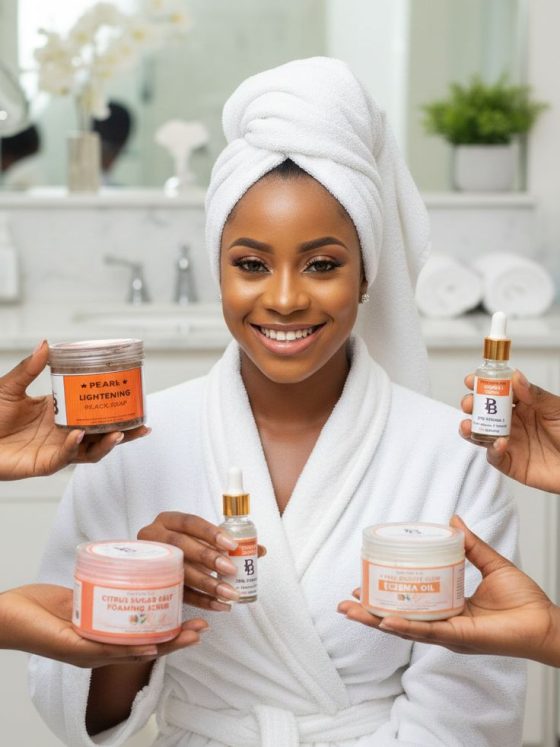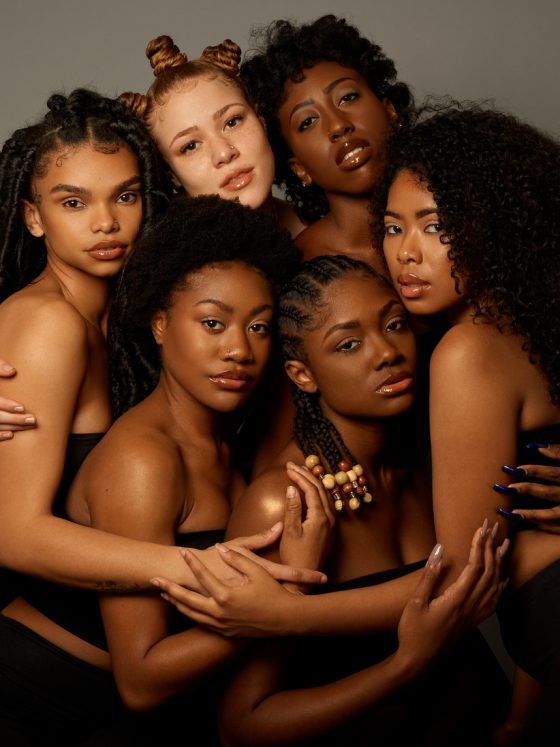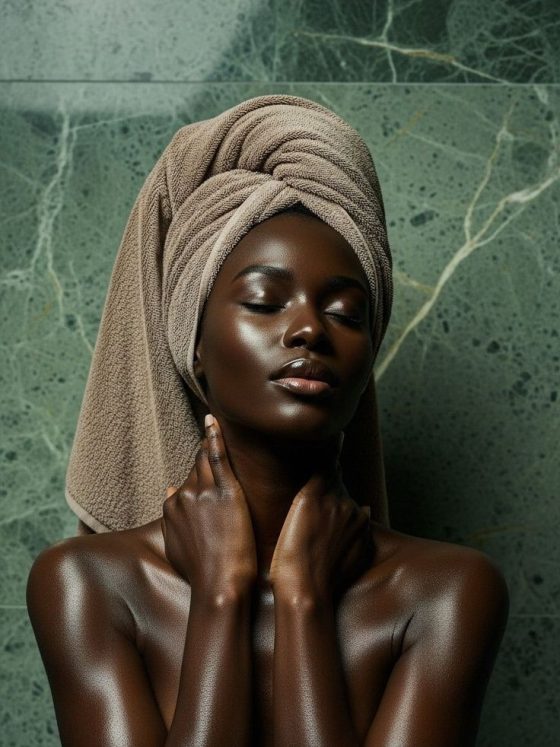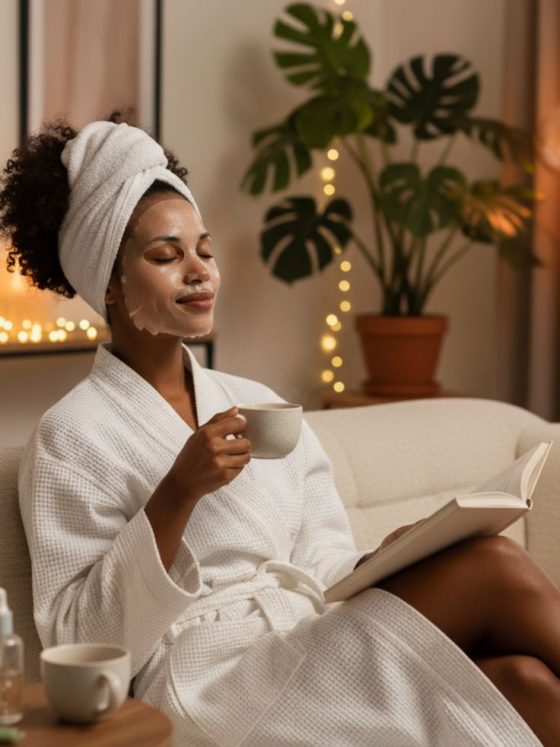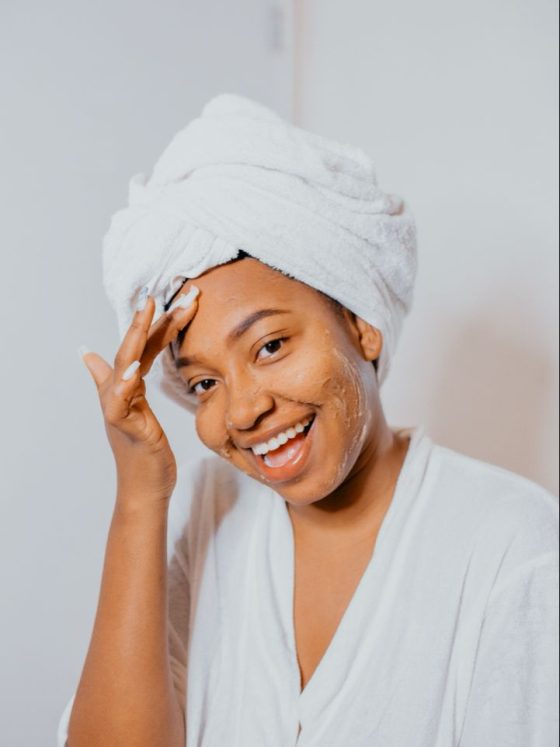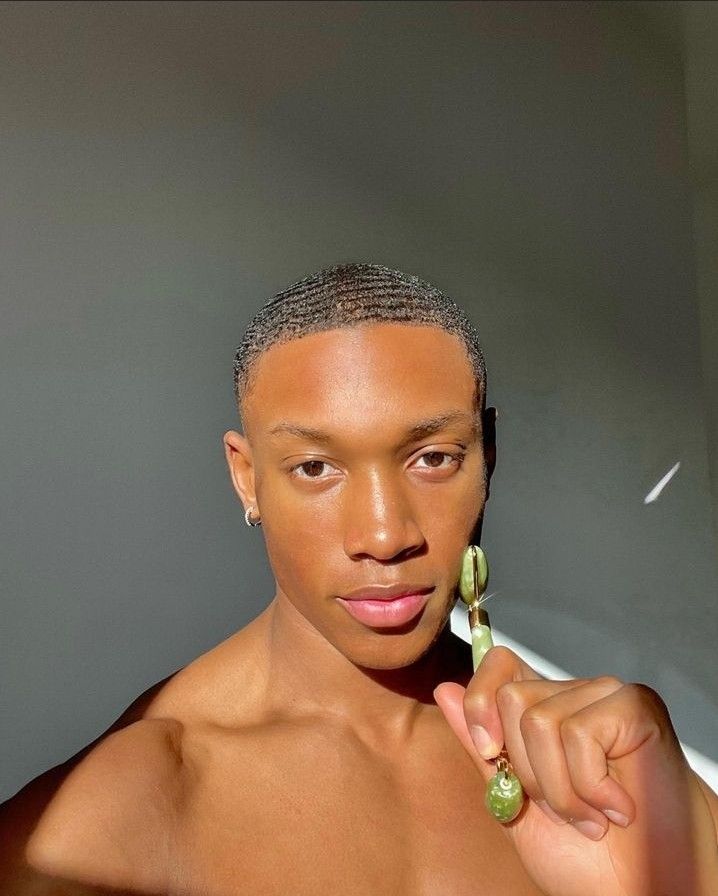
There is a moment, often overlooked, that happens in front of a mirror.
It is not dramatic. It does not announce itself. A hand moves instinctively across the face, a product is applied without much thought, and for a brief second, the outside world quiets.
This is where skincare begins.
Not in laboratories or luxury stores, but in these private, repeated gestures that slowly become part of who we are. Long before skincare routines became curated, optimised, and shared across digital spaces, they existed as something quieter—an extension of care, passed down, adapted, and lived.
Today, skincare sits at the centre of global beauty culture. The language around it is technical, results-driven, and often overwhelming. Yet beneath this surface lies something more enduring.
Our skincare routines are not just habits.
They are reflections.
An in-depth exploration of how skincare routines reflect identity, culture, and emotion, redefining modern beauty beyond trends and perfection.
Skincare Routines as a Reflection of Identity
To understand modern skincare, it is important to move beyond products and look at intention.
Why do we choose what we choose?
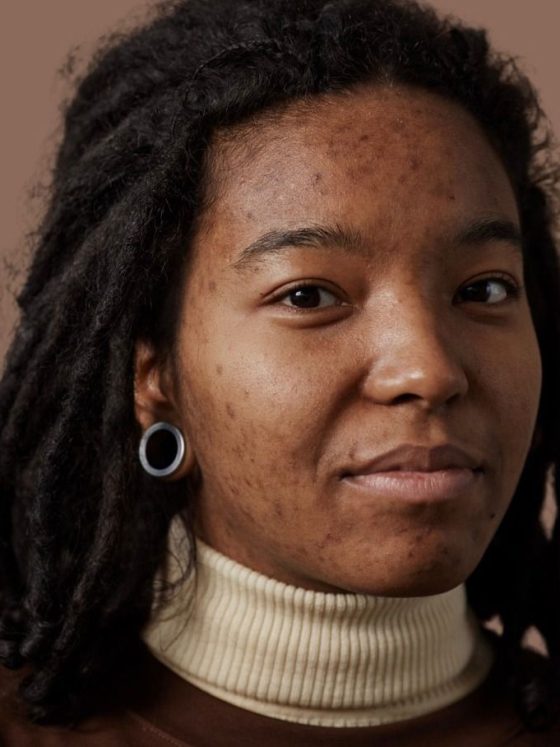
For some, skincare routines are built around correction, such as addressing acne, hyperpigmentation, and texture. For others, they are about preservation or maintenance. But increasingly, they are becoming expressions of identity.
The rise of intentional skincare reflects a shift in how people relate to beauty. Instead of chasing universal standards, individuals are curating routines that align with their environment, lifestyle, and personal values.
Climate influences texture choices. Culture shapes ingredient familiarity. Even daily schedules determine how elaborate or minimal routines become.
In this way, skincare routines function as quiet autobiographies.
They tell stories about where we come from, what we prioritise, and how we see ourselves.
From Routine to Ritual: The Evolution of Modern Skincare
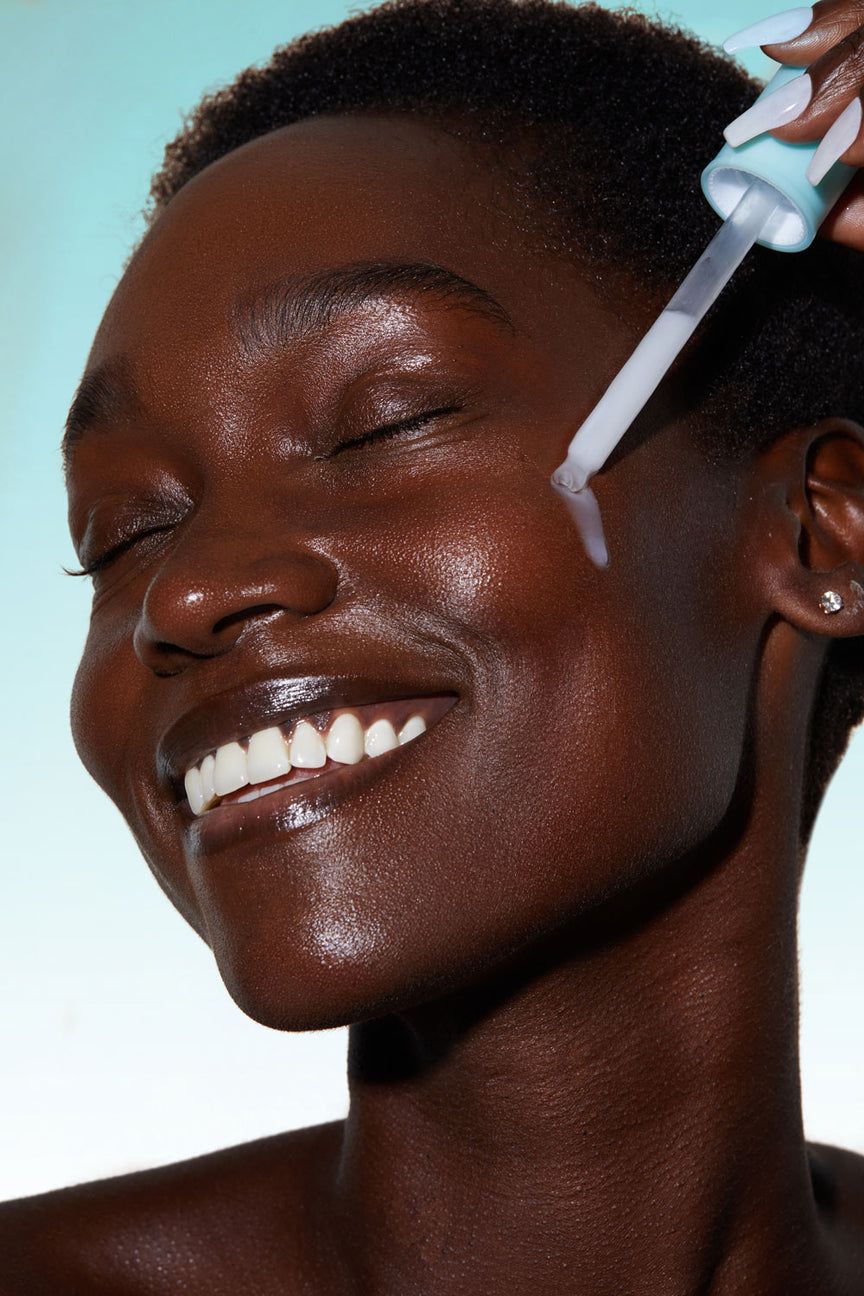
There is a growing distinction between routine and ritual in today’s beauty landscape.
A routine is structured. It follows the steps. It is efficient.
A ritual, however, slows things down.
It invites attention.
Across global beauty conversations, there is a noticeable return to ritualistic skincare—one that prioritises experience as much as outcome. This shift is subtle but significant. It moves skincare away from urgency and toward presence.
Textures are felt, not rushed. Application becomes deliberate. Time is no longer something to minimise, but something to inhabit.
This evolution reflects a deeper desire.
In a fast, overstimulating world, skincare has become one of the few daily practices through which people can reconnect with themselves.
Cultural Beauty Practices and Their Lasting Influence
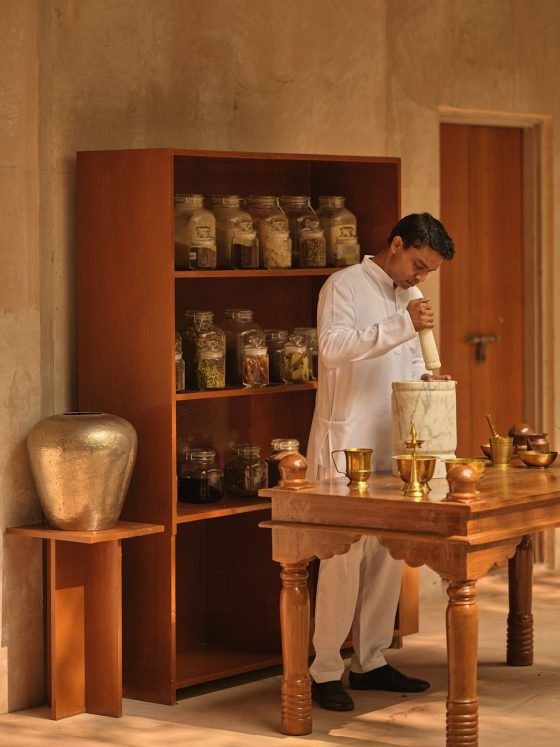
Long before the rise of modern beauty industries, skincare existed within cultural systems of care.
Practices were shaped by geography, climate, and community knowledge. Ingredients were not trends—they were necessities, understood through lived experience. Techniques were shared across generations, often through observation rather than instruction.
Today, these cultural beauty practices continue to influence modern skincare in visible and invisible ways.
The emphasis on nourishment over correction. The understanding of skin as something to be supported rather than controlled. The integration of care into daily life rather than isolating it as a separate task.
As global beauty expands, there is renewed interest in these perspectives—not just as inspiration, but as frameworks.
Frameworks that remind us that skincare has always been about more than appearance.
The Psychology Behind Skincare and Self-Perception
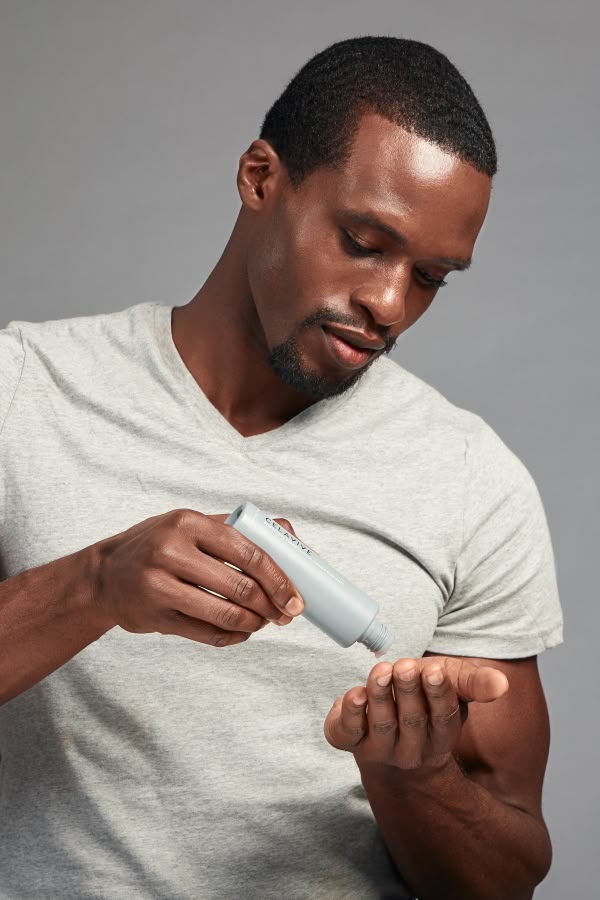
Modern skincare is as psychological as it is physical.
Caring for the skin can create a sense of stability. It introduces structure into unpredictable days. It offers a form of control in environments where control is often limited.
This is why skincare routines persist even when schedules change.
They grounded.
At the same time, beauty culture introduces complexity. Digital platforms amplify idealised images, often creating pressure to achieve flawless skin. Skincare routines become longer, more intricate, and sometimes more stressful.
This tension defines the current moment in beauty.
Between care and expectation.
Between authenticity and performance.
Understanding this balance is essential to redefining skincare in a healthier way.
The Shift Toward Intentional Skincare
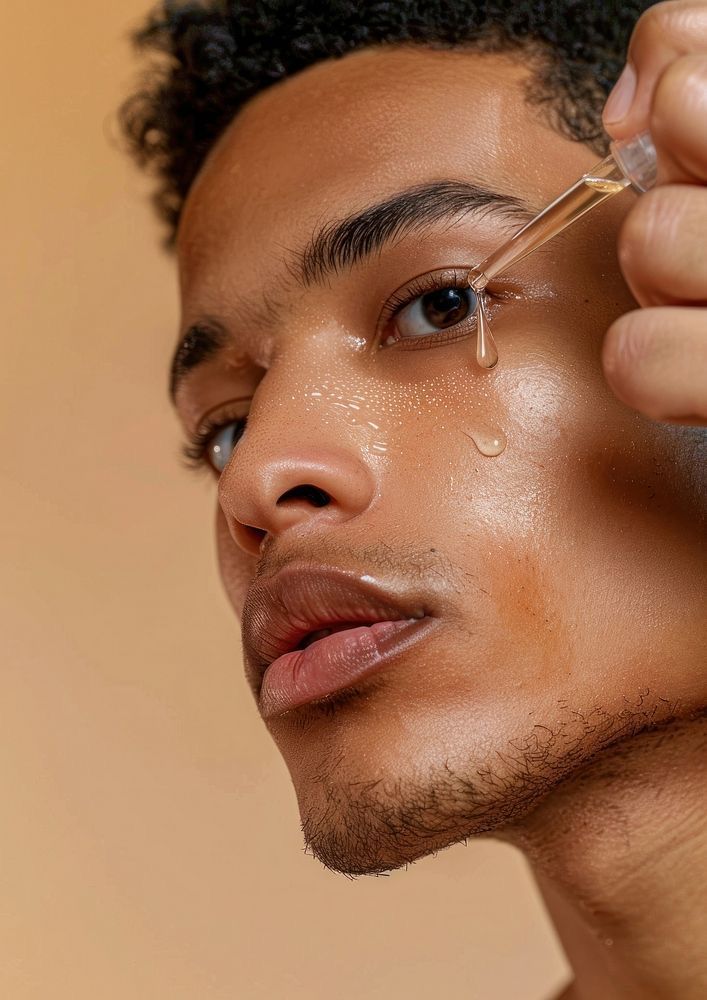
In response to this pressure, a quieter movement is emerging.
Intentional skincare.
This approach is not defined by the number of products used or the complexity of routines. Instead, it focuses on awareness. Choosing products based on need rather than trend. Simplifying routines where necessary. Paying attention to how the skin responds over time.
Intentional skincare is less about transformation and more about understanding.
It recognises that skin is not static. It changes with environment, stress, age, and lifestyle. Instead of forcing consistency, it encourages adaptation.
This shift signals a broader evolution in beauty.
From control to conversation.
READ ALSO:
- How to Create a Sacred Space in Your Skincare Routine
- African Beauty Rituals Redefining Modern Skincare
Skin as a Living System
To speak of the language of skin is to recognise that skin is not passive.
It responds.
To climate, to diet, to emotion. It reflects internal states as much as external conditions. Breakouts, dryness, sensitivity—these are not random occurrences, but signals.
Modern skincare often approaches these signals as problems to eliminate.
But an alternative perspective is emerging.
One that sees skin as a living system.
A system that communicates.
In this framework, skincare becomes less about imposing solutions and more about interpreting responses. It requires patience, observation, and a willingness to listen.
Redefining Beauty Through Understanding
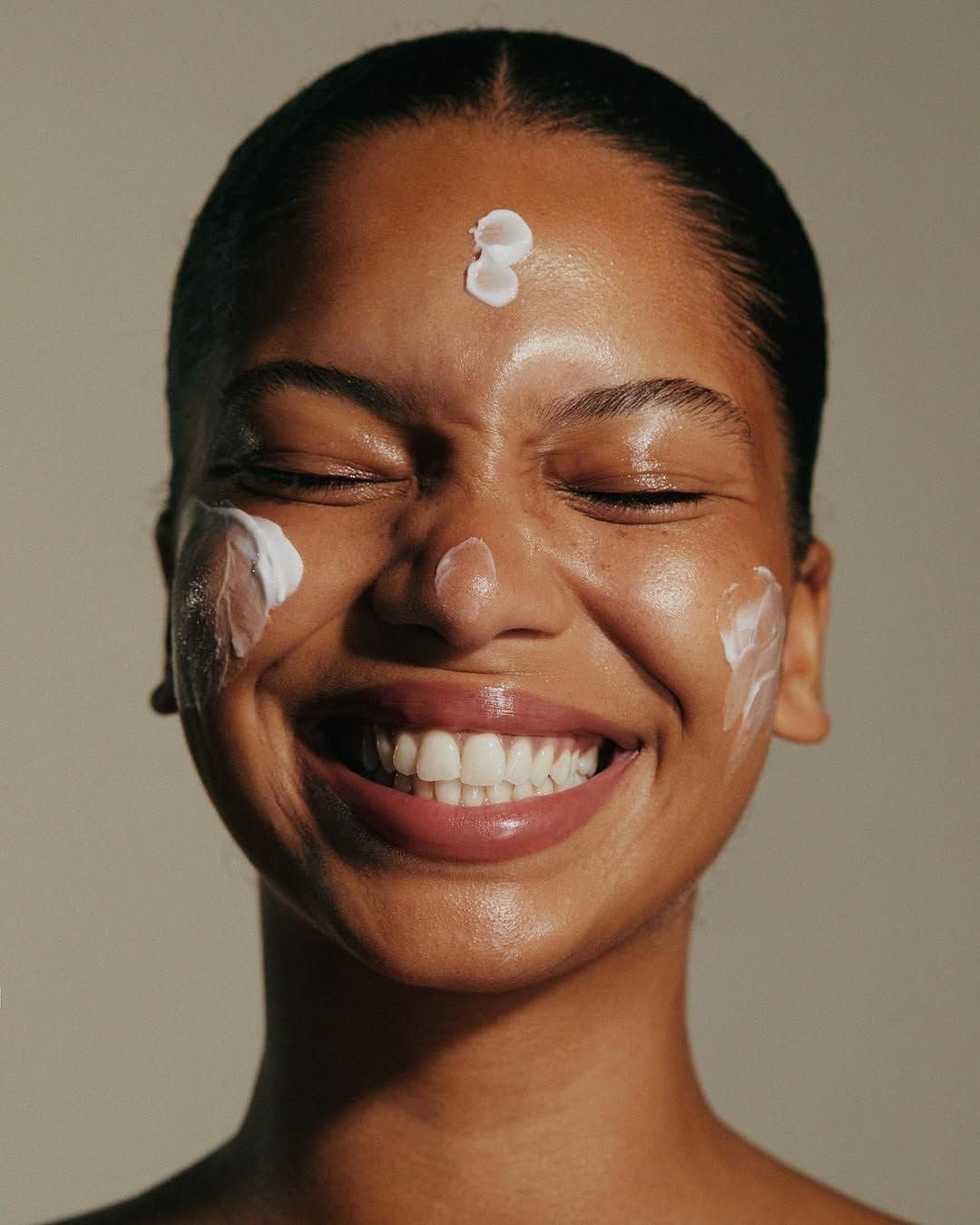
The future of skincare is not necessarily more products or more steps.
It is more awareness.
As conversations around beauty continue to evolve, there is increasing emphasis on understanding over perfection. On individuality over uniformity. On care over correction.
This does not reject innovation.
It reframes it.
Products, techniques, and routines become tools—not definitions. They support the skin rather than dictate how it should look.
In this sense, beauty becomes less about achieving a final result and more about maintaining a relationship.
Conclusion
The language of skin is not spoken loudly.
It does not demand immediate attention, yet it constantly communicates. Through subtle changes, through texture, through response.
To understand it requires a shift.
From reacting to listening.
From correcting to caring.
Skincare, at its core, has always been about connection.
To self.
To history.
To the quiet rituals that shape daily life.
And perhaps, in learning to read this language more carefully, we begin to understand that beauty was never something to chase.
It was always something to engage with.
FAQs
- What does the language of skin mean in skincare?
It refers to how skin reflects internal health, environment, and lifestyle through visible changes.
- How do skincare routines reflect identity?
Culture, climate, personal values, and individual approaches to beauty and self-care shape them.
- What is intentional skincare?
Intentional skincare focuses on mindful product choices and simplified routines based on actual skin needs.
- Why are skincare rituals becoming popular?
People are seeking slower, more meaningful beauty practices that promote both physical and emotional well-being.
- Can skincare affect mental health?
Yes, consistent skincare routines can provide relaxation, structure, and a sense of control.