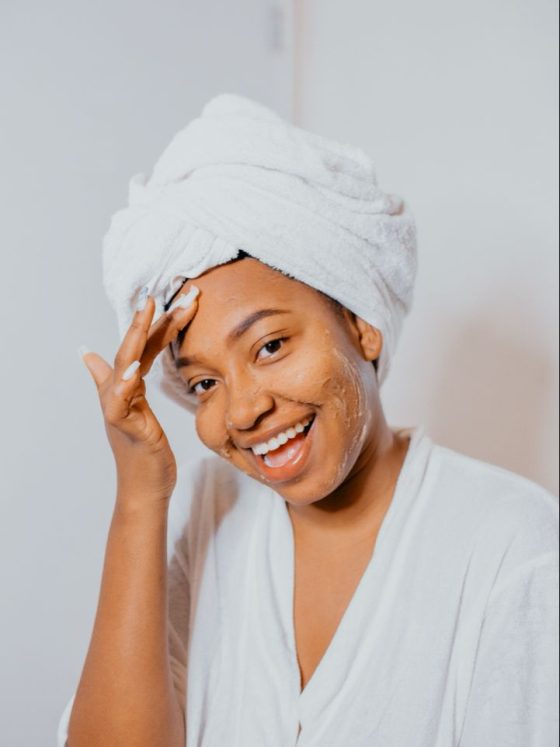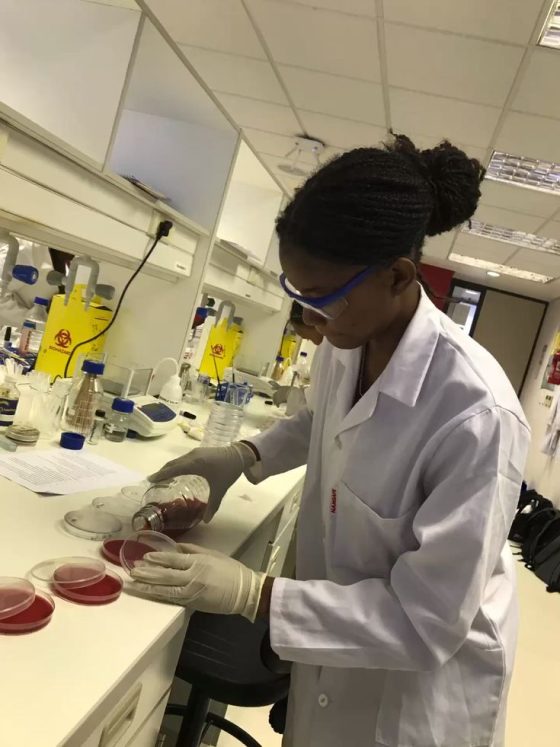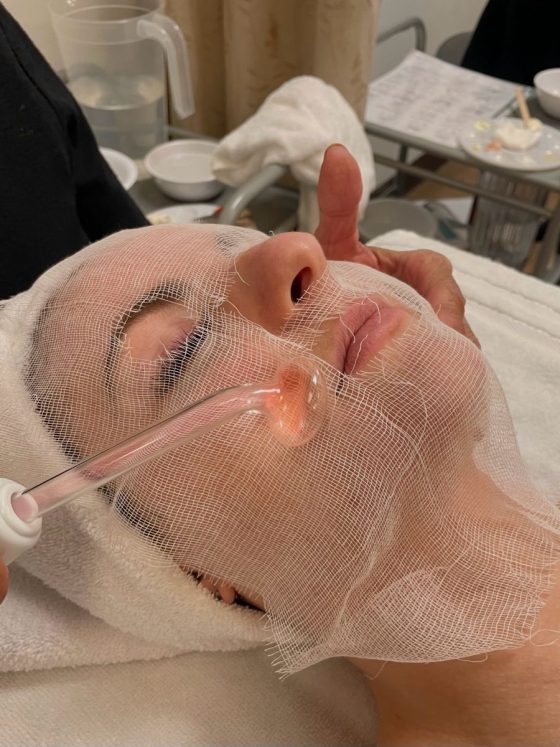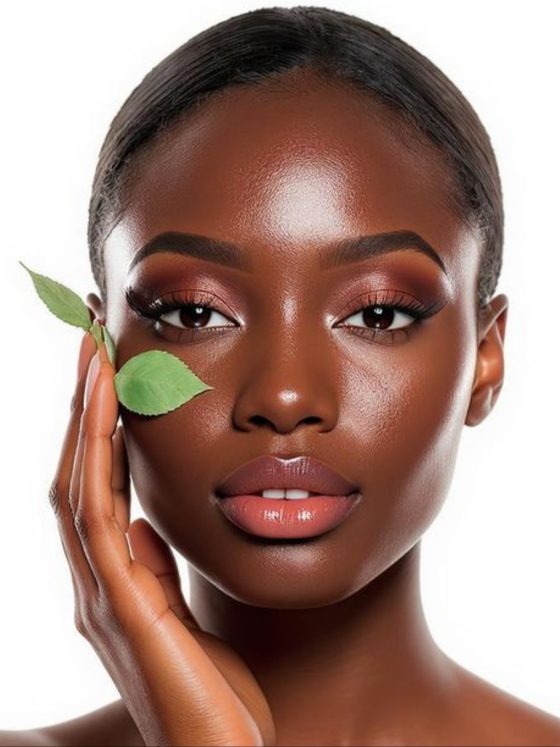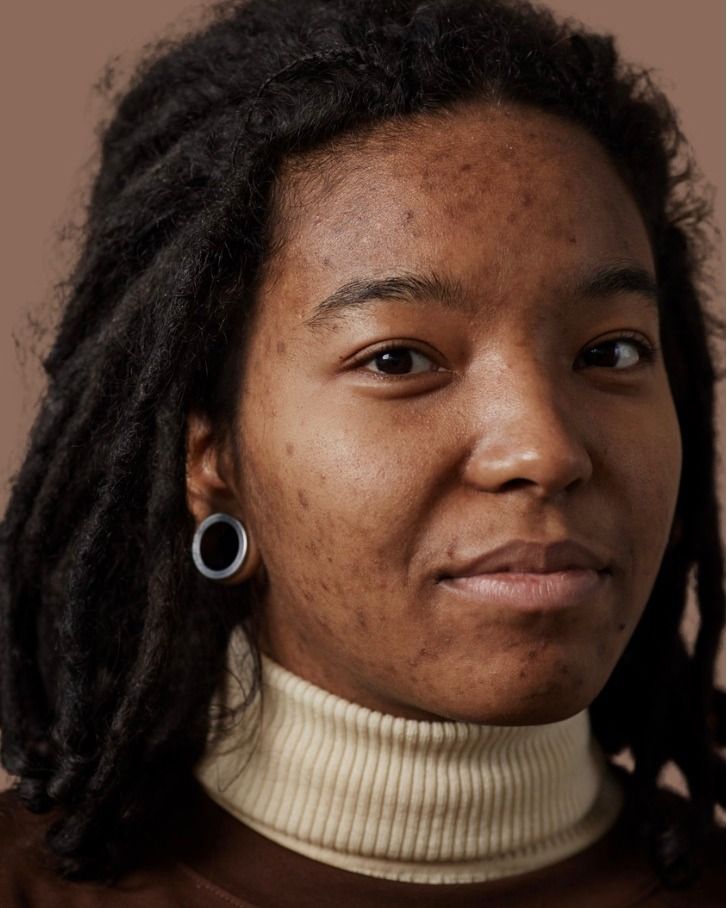
In many African communities, the skin is more than a biological surface. It is history, identity, protection, and expression. From ancestral scarification to modern beauty rituals, skin tells stories of belonging and aspiration. Yet, despite its central role in cultural life, skin health education remains overlooked, fragmented, or misunderstood. This gap has consequences that extend beyond appearance into dignity, productivity, and long-term health.
Across the continent, preventable and treatable skin conditions continue to disrupt daily life, not because solutions do not exist, but because knowledge does not consistently reach the people who need it most. Education and empowerment on skin health are crucial. It bridges tradition and science, local realities and global standards, and care and confidence.
From cultural beliefs and everyday practices shaping African skin health to education models redefining care access across communities and generations.
The Hidden Weight of Skin Conditions
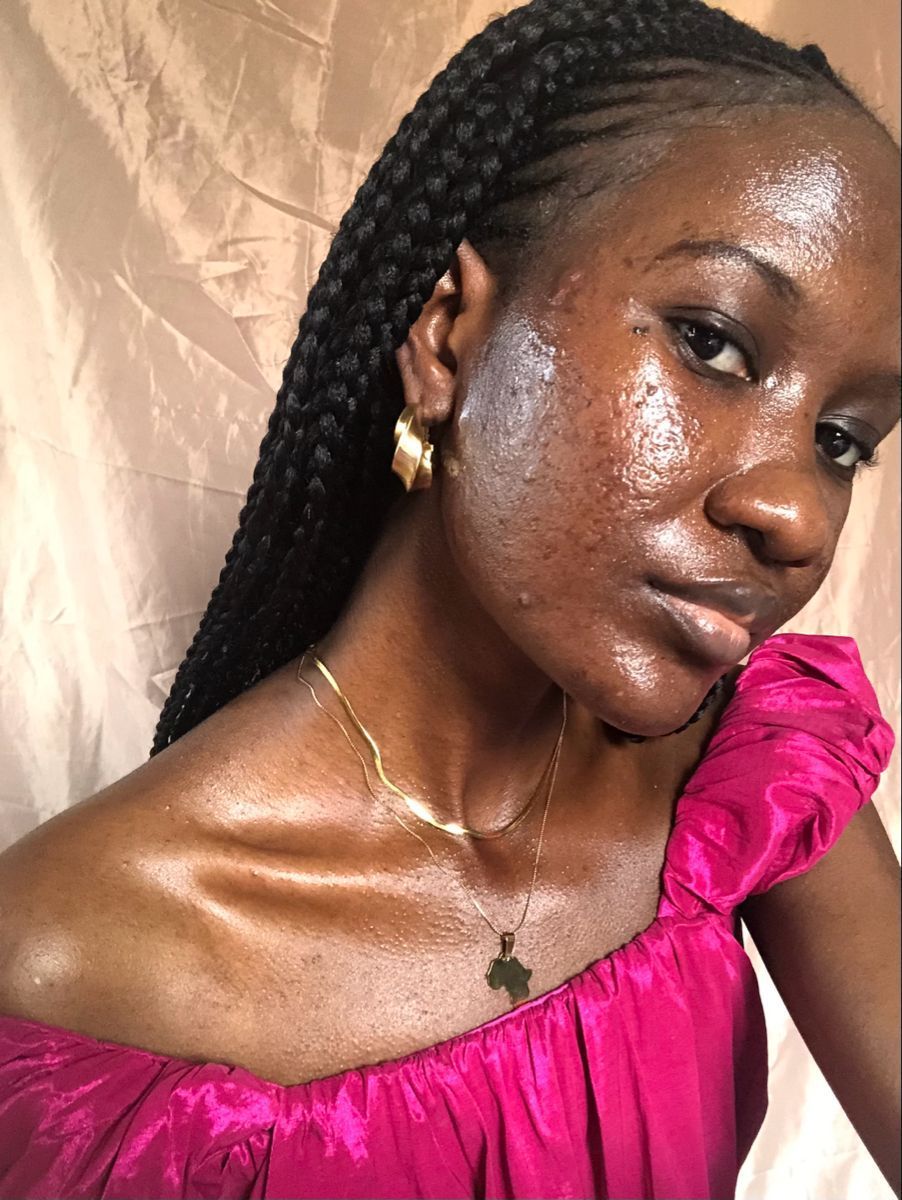
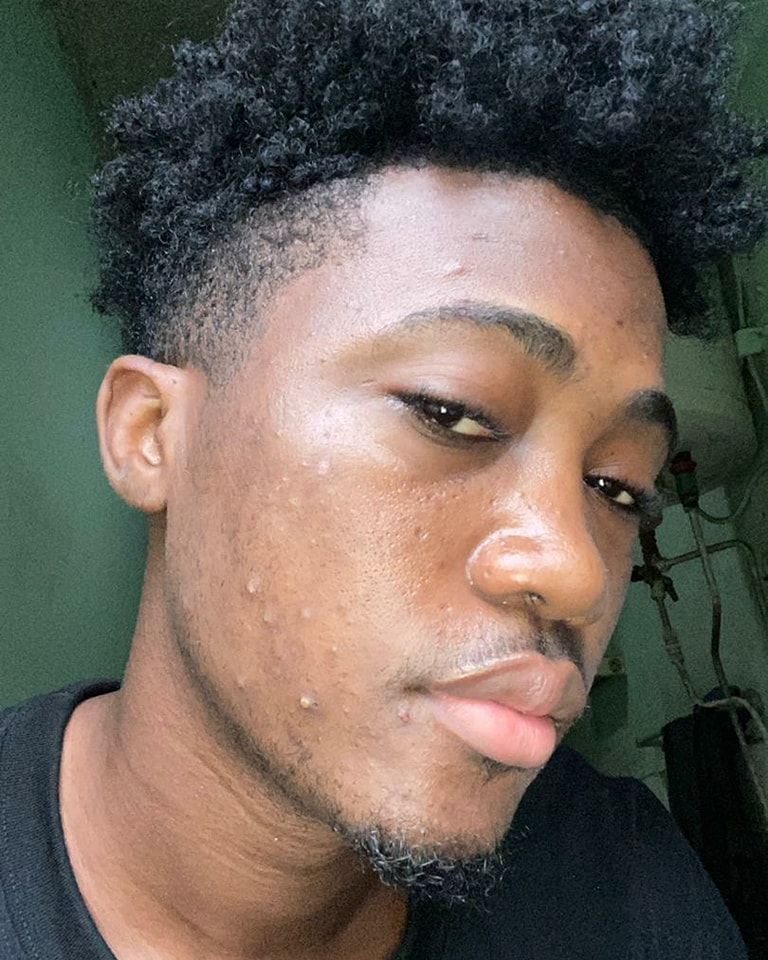
Skin diseases are among the most common health concerns in African settings, yet they rarely receive the attention given to infectious or chronic systemic illnesses. Fungal infections, eczema, acne, scabies, chronic ulcers, and pigmentary disorders are widespread across age groups. In many cases, they are dismissed as minor or inevitable, even when they cause persistent discomfort or social withdrawal.
The issue is not only prevalence but also perception. Skin conditions are often normalised or spiritualised. A child with untreated scabies may be considered neglected rather than ill. An adult with visible lesions may experience exclusion in workplaces or social spaces. Without education, people endure symptoms rather than address them, and preventable complications become accepted realities.
Culture, Beliefs, and Care-Seeking Behaviour
Health education in African communities cannot succeed without cultural literacy. Traditional healers, family elders, and community norms frequently influence the interpretation and treatment of skin conditions. For many, the first response to a rash or discolouration is herbal treatment or spiritual consultation, not necessarily out of ignorance, but out of trust built over generations.
Effective skin health education does not attempt to erase these systems. Instead, it reframes them. Presenting biomedical knowledge with respect for local belief systems makes communities more receptive to incorporating new practices. Education becomes collaborative rather than corrective, honouring cultural traditions while introducing safer, evidence-based care.
Modern Pressures and New Risks
Urbanisation and global beauty standards have introduced new challenges to skin health. Skin practices, driven by colonial beauty legacies and modern media, expose users to harmful chemicals with long-term consequences. Fast beauty consumption, often unregulated, places unsafe products into informal markets.
At the same time, environmental factors such as heat, pollution, and water scarcity place additional stress on the skin. Education must evolve to address these realities, teaching not only treatment, but prevention, ingredient literacy, and sustainable self-care. Skin health becomes part of lifestyle innovation, where informed choices align wellness with ethics.
Read Also:
Education as a System, Not a Campaign
One-off awareness drives rarely change behaviour. Sustainable behavioural education functions as a system, embedded in everyday life. Community health workers, schools, religious centres, and digital platforms will play complementary roles. When children learn basic skin hygiene in school, that knowledge travels home. When primary healthcare workers are trained to recognise early signs of conditions, outcomes improve at scale.
Technology has introduced new possibilities. Teledermatology, mobile health platforms, and social media education are quietly reshaping access, especially in areas with few specialists. These tools reflect a forward-thinking approach, blending global medical expertise with local delivery.
Trust, Representation, and Expertise
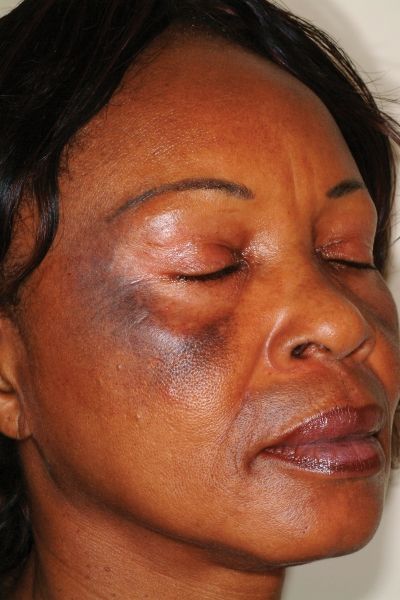
Following principles of experience, expertise, authority, and trust requires more than credentials. It requires representation. Skin health education is most effective when communities see themselves reflected in the messengers, the imagery, and the language used. African skin, in all its tones and textures, must be centred; it must not be treated as a centred thought.
Local professionals, trained and supported, build lasting trust. Diaspora knowledge exchange further strengthens this ecosystem, bringing global research back into local contexts. This cross-cultural narrative enriches care models and ensures relevance without dilution.
Conclusion
Skin health education in African communities is not a peripheral concern. It is foundational to dignity, confidence, and sustainable health systems. When education respects culture, embraces innovation, and prioritises trust, it is formative. The future of skin health on the continent lies not only in clinics but also in conversations, classrooms, and communities where knowledge is shared with intention and care.
FAQs
- Why is skin health education important in African communities?
Many common skin conditions are preventable or treatable, yet remain unmanaged due to lack of awareness and access to accurate information.
- How do cultural beliefs affect skin health practices?
Cultural beliefs shape how symptoms are interpreted and where care is sought, making culturally sensitive education essential for effective outcomes.
- What role does technology play in skin health education?
Digital tools like teledermatology and mobile health platforms expand access to expertise, especially in areas with limited specialists.
- How can harmful beauty practices be addressed through education?
By teaching ingredient literacy, long-term risks, and alternatives rooted in self-worth rather than appearance ideals.
- Who should lead skin health education efforts?
A collaborative network of trained local health workers, educators, community leaders, and informed media voices ensures credibility and reach.