Certain fabrics follow fashion trends. Others shape history. Silk belongs to the latter category.
For thousands of years, silk has functioned as more than a textile. It has brought economic influence, social hierarchy, political symbolism, and artistic innovation across civilisations. From imperial courts to contemporary runways, its relevance has never disappeared. Instead, it has evolved.
What makes silk remarkable is not only its texture or sheen but also its adaptability. It has transitioned from a restricted luxury controlled by empires to a global material used in both couture and everyday garments. Across centuries of social change, industrial development, and aesthetic shifts, silk has remained a constant reference point for refinement.
Its journey reveals how a single fabric can mirror the transformation of fashion itself.
Explore how silk shaped centuries of fashion, from ancient trade routes to modern luxury, and why this iconic fabric still defines elegance today.
Silk and Early Civilisations
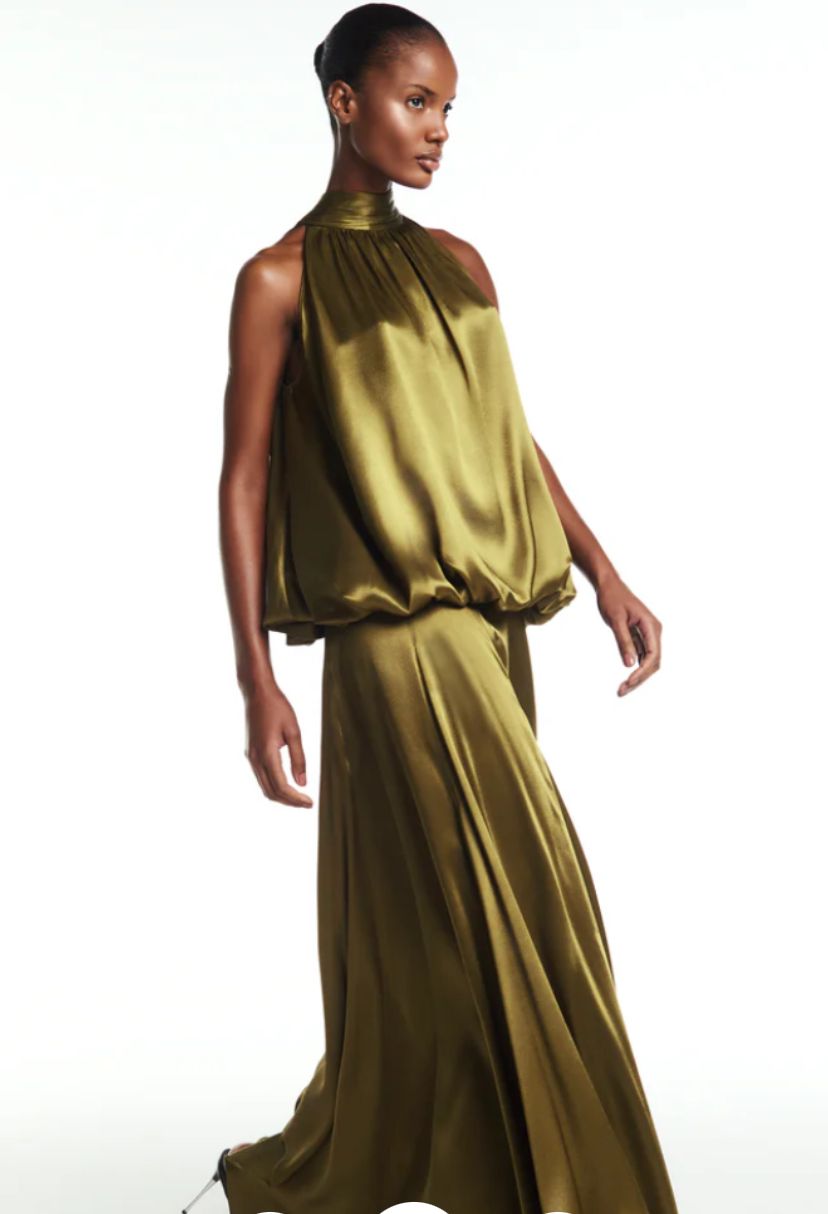
Silk production began in ancient China, where sericulture was developed and protected as state knowledge. For centuries, the technique of extracting fine threads from silkworm cocoons remained confidential. Silk garments were markers of imperial authority and social rank. Laws regulated who could wear certain grades of silk, embedding the fabric within systems of governance.
As trade routes expanded, silk moved westward through what later became known as the Silk Road. It reached Central Asia, the Middle East, and eventually Europe. In Rome, silk was admired for its lightness and lustre, though it was often criticised for symbolising excess. Its rarity increased its desirability. Control over silk production and trade became intertwined with economic power.
From its earliest circulation, silk represented both luxury and influence.
Medieval and Renaissance Europe: Craft and Status
By the mediaeval period, silk weaving had spread to regions such as Italy and parts of Spain. Cities like Florence and Venice became centres of textile production. European silk differed in pattern and weight, reflecting local tastes and artistic traditions.
During the Renaissance, silk was used extensively in court dress. Elaborate brocades and embroidered silks communicated wealth and dynastic stability. The fabric’s ability to retain dye intensity made it ideal for rich jewel tones that symbolised power and prestige.
Silk was not simply decorative. It became an economic driver. Textile guilds regulated production standards, while global trade networks expanded. Fashion and commerce were inseparable, and silk sat at their intersection.
Industrialisation and Accessibility
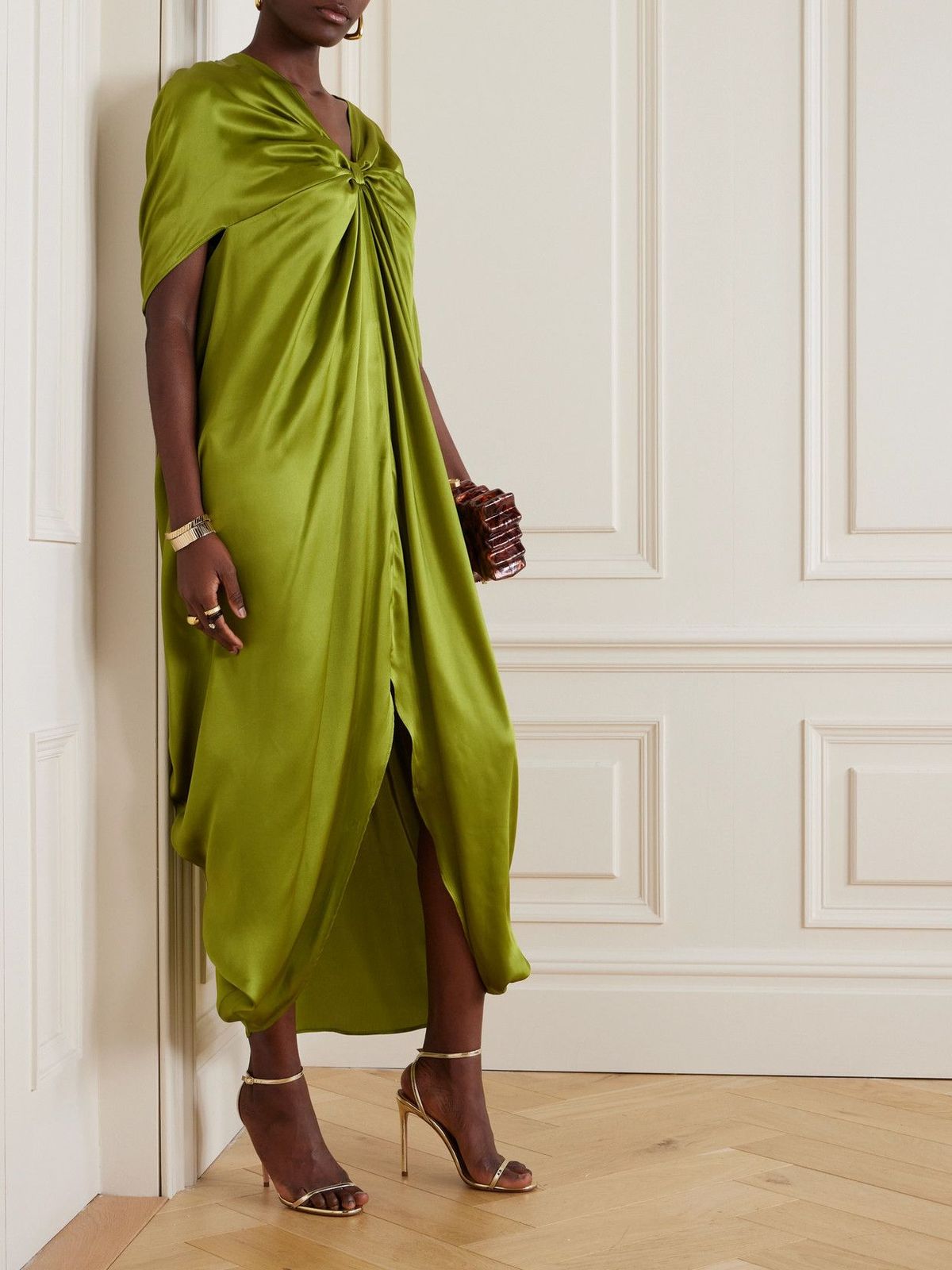
The Industrial Revolution altered silk’s trajectory. Mechanised weaving increased output, and European mills expanded production. At the same time, global demand intensified. Silk shifted from exclusive aristocratic use toward broader market access, though it remained associated with elegance.
By the late nineteenth and early twentieth centuries, silk became central to modern fashion. It was used in evening gowns, lingerie, and tailored linings. Designers valued its drape and lightness, especially as silhouettes softened and women’s clothing evolved away from rigid structure.
The development of synthetic alternatives, such as rayon, attempted to replicate silk’s qualities at a lower cost. Yet despite these innovations, genuine silk maintained symbolic value. It retained an association with craftsmanship and refinement that substitutes struggled to replicate fully.
Silk in Twentieth-Century Design
The twentieth century marked a period of experimentation. Designers used silk in bias-cut gowns, printed scarves, and tailored blouses. Its versatility allowed it to adapt to both structured and fluid aesthetics.
In the 1920s and 1930s, silk’s draping ability supported new silhouettes that emphasised movement. It became a mainstay in both ready-to-wear collections and luxury houses in the decades following World War II. Printed silk scarves emerged as iconic accessories, demonstrating how a small surface of fabric could hold cultural significance.
Silk’s resilience during shifting fashion eras reflects its technical strengths. It is lightweight yet strong. It absorbs dye richly. It responds to tailoring while maintaining fluidity. These qualities ensured that it remained relevant as fashion cycles accelerated.
READ MORE:
- What the Most Influential Fashion Pieces of 2026 Communicate Today
- Simplify, Then Elevate: The Quiet Power of Digital Minimalism in Fashion
Contemporary Relevance and Sustainability Questions
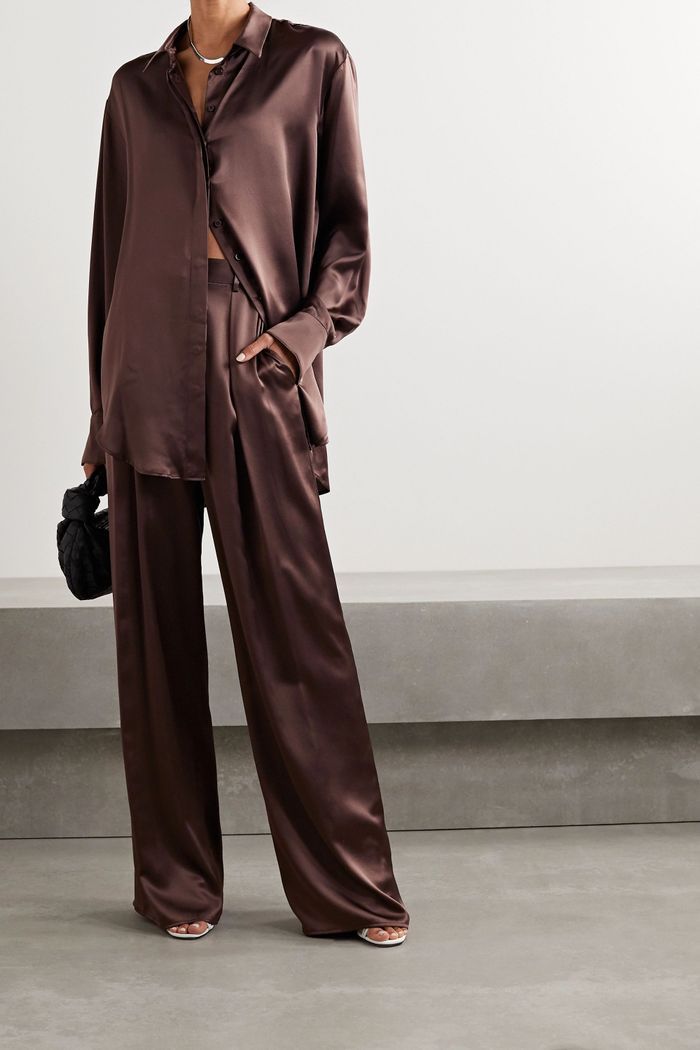
Today, silk occupies a complex position. It remains associated with luxury, but it also faces scrutiny in discussions of sustainability and ethical sourcing. Advances in biotechnology have introduced alternative silk-like fibres, while some designers experiment with peace silk or plant-based innovations.
At the same time, traditional silk production continues in countries with long-standing sericulture heritage. Modern consumers increasingly examine supply chains, prompting brands to balance heritage with transparency.
Despite these debates, silk remains present in contemporary wardrobes. It appears in minimalist slip dresses, structured shirts, scarves, and evening wear. Its tactile and visual qualities continue to resonate in both high fashion and refined everyday dressing.
Why Silk Endures
Few fabrics have sustained such continuous relevance. Silk’s endurance can be traced to three primary factors:
First, its physical properties offer both strength and softness. It performs well structurally while maintaining comfort.
Second, its aesthetic versatility allows it to move across eras without appearing outdated. It adapts to changing silhouettes and design philosophies.
Third, its cultural history adds depth. Wearing silk carries centuries of association with craftsmanship, trade, artistry, and social symbolism.
Silk has functioned as currency, a status marker, an industrial product, and a design medium. Through each transformation, it retained a core identity rooted in refinement and technical excellence.
Conclusion
Designers and silhouettes often tell the history of fashion. Yet materials shape that history just as profoundly. Silk demonstrates how a single fabric can endure across dynasties, continents, and industries while remaining relevant.
Its journey reflects shifts in power, technology, and taste. From imperial courts to modern wardrobes, silk has woven itself into the fabric of fashion history not as a trend, but as a constant.
Some fabrics appear briefly and fade. Silk endured because it adapted without losing its essence. That balance between continuity and evolution is what secures its place across centuries of style.
Step into style — explore Fashion on OmirenStyles.
FAQs
1. How did silk influence fashion history across centuries?
Silk shapes fashion by symbolising wealth, powering global trade routes, and adapting to changing silhouettes from ancient empires to modern couture.
2. Why was silk considered a luxury fabric in ancient times?
Silk production was once secret and labour-intensive, making it rare, expensive, and restricted to royalty and the upper social classes.
3. How did the Silk Road impact the global fashion industry?
The Silk Road enabled the exchange of silk between Asia and Europe, influencing textile design, economic power, and early luxury markets.
4. What makes silk different from other natural fabrics like cotton or wool?
Silk is lightweight yet strong, has a natural sheen, absorbs dye richly, and drapes fluidly, making it ideal for refined garments.
5. Is silk still relevant in modern sustainable fashion discussions?
Yes. While traditional silk raises sourcing concerns, ethical silk production and innovative alternatives keep it relevant in debates on sustainable fashion.