African royal histories are gaining prominence in modern storytelling, no longer relegated to the periphery. You see it everywhere: on Netflix, in Hollywood films, in big museum exhibits, and in streaming series. Ancient kingdoms such as Dahomey, Zulu, Kush, and Ethiopia are being reimagined for today’s world. These stories don’t just nod to their heritage; they also dig into real political issues. It’s a cultural homecoming, told through powerful narratives. African royal histories aren’t just footnotes anymore. Now, they’re the stories people want to see and hear, full of drama, politics, and stunning visuals that rival anything from European dynasties. Clearly, people are hungry for something different, something beyond the same old Western history lessons.
Explore how African royal histories are shaping modern storytelling through films, series, and documentaries that reclaim heritage with contemporary power.
The Kingdoms Speak Up
These royal histories come from civilisations that built empires, led armies, traded across continents, and left behind art that Western schools mostly ignored. Today’s filmmakers, documentarians, and showrunners are fixing that erasure. They’re proving that African royal stories can be as riveting as Tudor or Roman tales. These new interpretations strike a balance between historical accuracy and artistic license, prompting us to consider who has the authority to narrate history and which stories are genuinely worthy of attention.
1. Kingdom of Dahomey – The Woman King & Dahomey
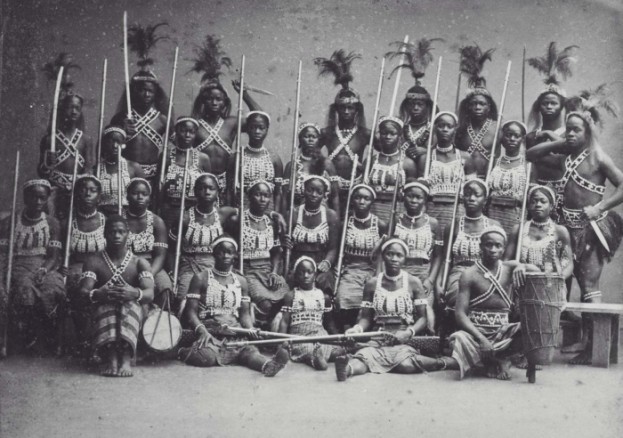
Take The Woman King, for example. This 2022 action film explores the story of the Agojie, the all-female warriors who defended Dahomey from the 1600s to the 1800s. Viola Davis leads the cast, and the movie pulled in nearly $100 million. That’s huge for a film about African history and culture. Dahomey’s warrior women have captured imaginations everywhere. Then there’s Mati Diop‘s documentary Dahomey, which won the top prize at the 2024 Berlin International Film Festival. It follows the journey of 26 royal treasures, returned from France to Benin. Both projects show how African royal stories can be epic crowd-pleasers or thoughtful documentaries, and each form brings out a different side of the truth.
2. Zulu Kingdom – King Shaka
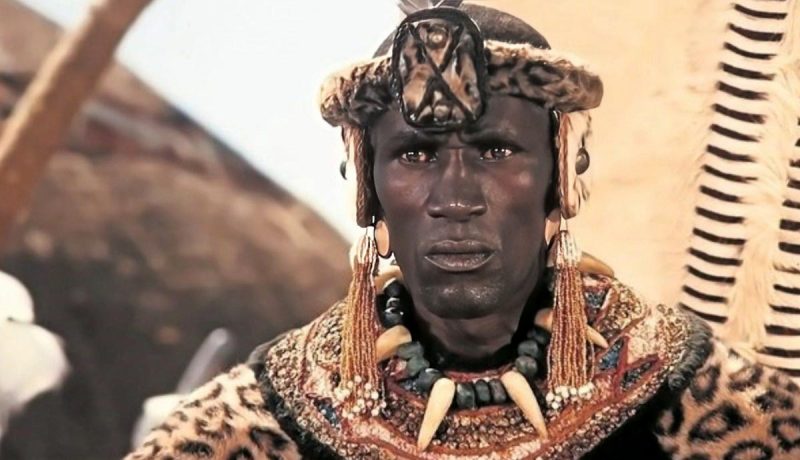
King Shaka tells the story of Shaka Zulu’s rise, a chief who united scattered tribes into a mighty empire. The drama here easily matches any Western conqueror tale. There’s political manoeuvring, military breakthroughs, personal heartbreak, and everything you’d expect from a prestige historical series. Shaka’s story proves that African royal histories don’t need to shy away from harsh or violent realities. They deserve the same complex treatment that European figures get, no apologies, just the real story.
3. Ethiopian Empire – Lost Kingdoms of Africa
Lost Kingdoms of Africa explores Ethiopia’s deep Judeo-Christian roots, its art, language, and architecture, and asks if its emperors really descended from King Solomon and the Queen of Sheba. Ethiopia’s Solomonic dynasty brings together religion and politics in a way that’s unique to African royal histories. Henry Louis Gates Jr.’s documentary series takes viewers through 200,000 years of African history, from the dawn of humanity to 20th-century revolutions. These documentaries show that African royal stories need more than just written records. Oral traditions, artefacts, and religious texts all tell their own parts of the story, pushing back against the old Western idea that only things written down count as “real” history.
4. Kingdom of Kush – Nubia: The Forgotten Kingdom
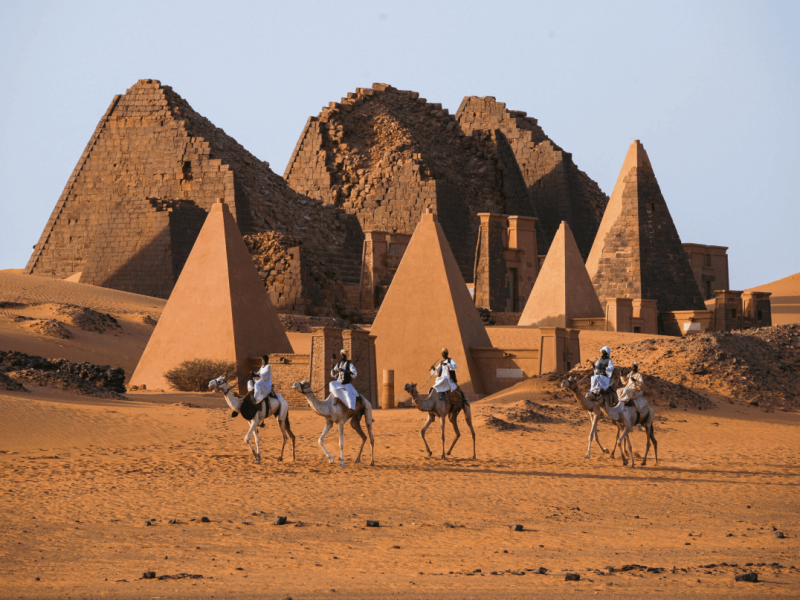
Nubia: The Forgotten Kingdom delves into a civilisation often overlooked in the shadow of Egypt. Here’s a kingdom that flourished along the Nile, in today’s Sudan, and it’s packed with stories people rarely hear. Kush wasn’t just a footnote in history; it had serious military power and a culture that rivalled Egypt’s. The documentary pulls back the curtain on cities buried for centuries, showing off architectural marvels hidden underground. You see how uncovering Africa’s royal past takes real work, digging, preserving, piecing things together, and just because you don’t spot obvious ruins doesn’t mean nothing was there.
5. Kingdom of Great Zimbabwe – Lost Kingdoms of Africa
Lost Kingdoms of Africa takes you right into the heart of Great Zimbabwe, where stone ruins rise out of the landscape and hint at an ancient gold trade that once ran inland from the coast. This story flips old, racist ideas on their head. The stonework at Great Zimbabwe forced scholars to admit that Black Africans were building incredible things long before outsiders showed up. The city’s mysterious fall and the ruins themselves make for powerful visuals, perfect for a documentary.
6. Kingdom of Angola – Queen Njinga
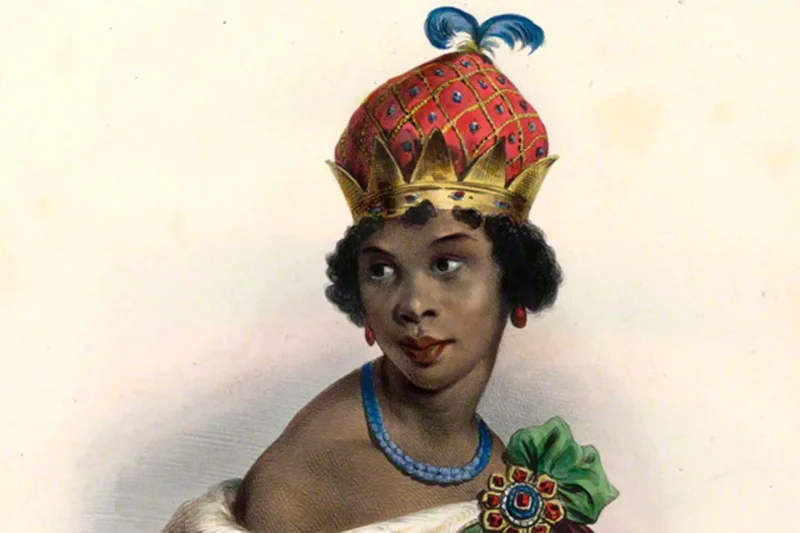
Produced and narrated by Jada Pinkett Smith, Netflix’s series shines a light on Queen Njinga of Angola. Through interviews and dramatic reenactments, you see Njinga battling European powers, outsmarting the Portuguese, and carving out an independent kingdom. She stands out as a political genius, one of those rare female leaders who rewrite the playbook. Njinga’s story flips both Western and African ideas about women’s roles in history. Watching her hold her own against colonisers is a masterclass in strategy and leadership.
7. West African Empires – Ghana, Mali, Songhai
Lost Kingdoms of Africa doesn’t just cover one empire here; it explores Ghana, Mali, and Songhai, massive West African kingdoms that ruled over trade, culture, and learning. These weren’t just military machines; they built universities, libraries, and whole traditions of scholarship. Timbuktu’s famous manuscripts and Mali’s learning centres smash the myth that Africa has no intellectual life. These empires show that African history is packed with moments of enlightenment that rival anything in Renaissance Europe.
8. Kingdom of Benin – Lost Kingdoms of Africa
The legendary Benin bronzes, now in the British Museum, sparked Lost Kingdoms of Africa to trace their origins. Benin’s story centres on art; those bronzes stunned Europeans, who couldn’t believe Africans mastered such complex techniques. But the kingdom’s legacy isn’t just about art; it’s tangled up in today’s fights over who owns these treasures. The conversation about Benin forces us to face both the glory of its past and the reality of colonial theft. You can’t talk about these royal histories without talking about justice and what’s owed.
READ ALSO
- Best-Dressed Nigerian Celebrities in 2025: AMVCA, Headies & AFRIFF Red Carpet Fashion
- 7 Budget-Friendly Honeymoon Countries for Nigerian Couples
- Azumini Blue River: Abia State’s Untouched Luxury Escape
9. Kingdom of Axum – Africa’s Great Civilisations
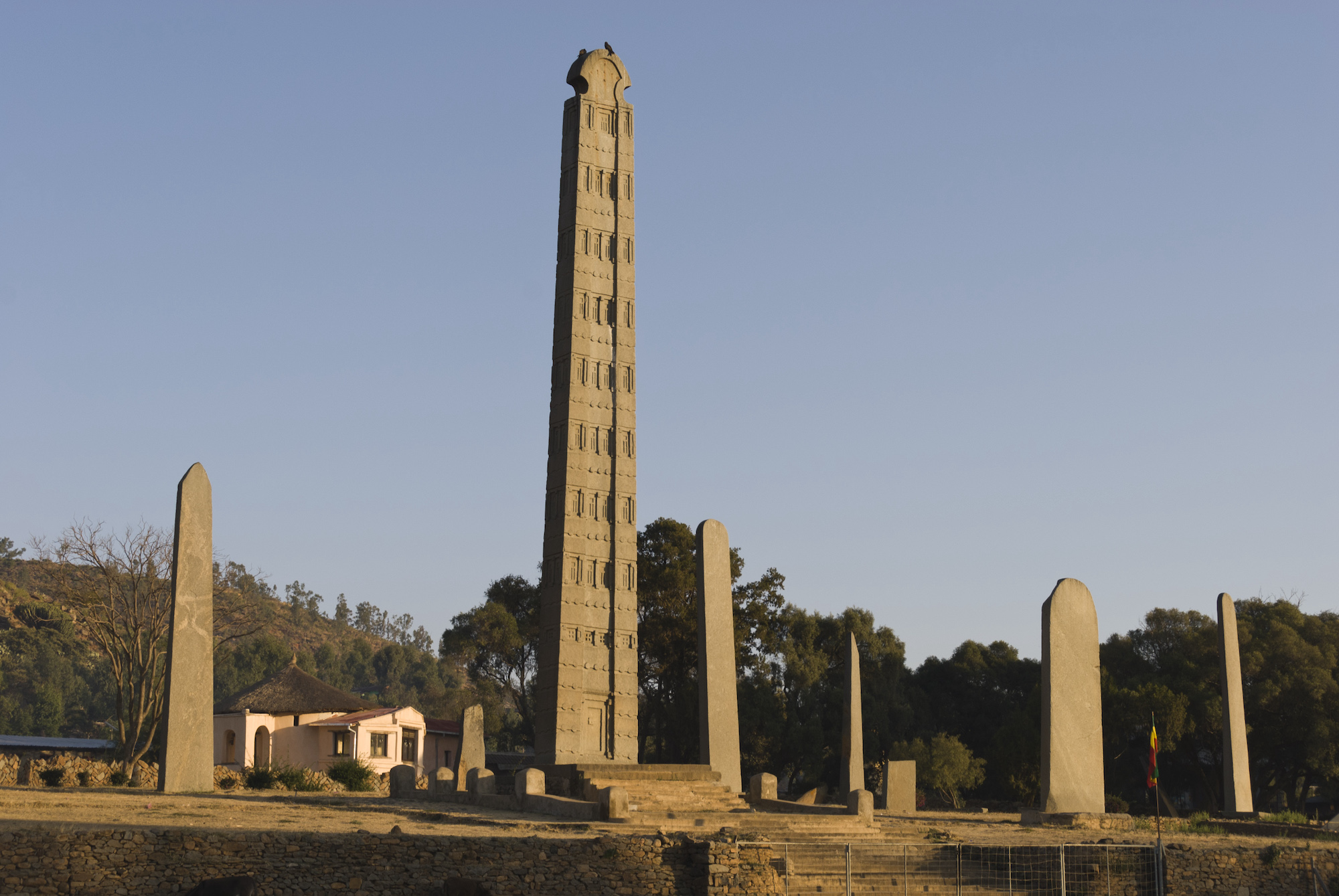
The ancient kingdom of Axum left behind coins, towering obelisks, and the story of its early Christian conversion—enough for any documentary to dive into. Axum sat at a crossroads between Africa and the Middle East, and its legacy as one of the world’s first Christian kingdoms challenges the old idea that Christianity belongs only to Europe. Look at their architecture, their wide-reaching trade routes. Axum wasn’t tucked away, cut off from the rest of the world. Its rulers and merchants were right there, shaping global commerce and religion, refusing to fit the narrative that Africa stood on the sidelines of history.
10. Multiple Kingdoms – Soundtrack to a Coup d’État
The soundtrack to a Coup d’État that doesn’t hold back. It digs into the tangled web of neocolonialism and exposes how the US and Belgian governments helped assassinate Congo’s Patrice Lumumba. The film weaves together the rise of jazz and the struggle for decolonisation in the Cold War era. After its Sundance 2024 premiere, it walked away with the Special Jury Award for Cinematic Innovation. This documentary shows the real weight independence-era leaders carried, how the struggles of African royalty didn’t just disappear with colonialism. Instead, those political legacies continue to echo today.
How Are These Stories Transforming Narratives?
These stories are flipping the global history script. They show Africa had thriving civilisations whilst Europe was still figuring itself out, that African kingdoms connected with the world and kept their own culture, and that African leaders played political games every bit as complex as any European king or queen. World history doesn’t make sense without Africa at its core, not just squeezed in as a footnote. Most of all, these stories prove that African heritage is worth celebrating, that its political legacies deserve study, and that African history can command blockbuster budgets.
Why Do African Royal Histories Matter Now?
What feels different today is how people recognise that heritage means power. Young Africans and those in the diaspora, hungry for more than just stories of suffering, find strength in tales of Dahomey’s warriors, Shaka’s strategy, and Njinga’s diplomacy. These histories shatter old racist myths, showing Africa didn’t need Europe to reach greatness. It’s a reminder that Africans come from emperors, not just from the enslaved. That kind of psychological shift matters just as much as political freedom.
Frequently Asked Questions
1. What are the most important African royal histories being adapted to film?
Currently, some of the biggest stories making it to the screen come from the Kingdom of Dahomey (think The Woman King and Mati Diop’s Dahomey), the Zulu Kingdom (King Shaka), Queen Njinga’s Angola (on Netflix), and other West African empires. Both Hollywood and indie filmmakers are finally paying attention.
2. Are these adaptations historically accurate?
It’s a mix. Films like The Woman King caught heat for glossing over Dahomey’s involvement in the slave trade, whereas documentaries like Lost Kingdoms of Africa stick closer to the archaeological record. Most filmmakers balance facts with dramatic flair, just like Western historical dramas do.
3. Why weren’t these stories told before?
Racism and colonial propaganda did their best to erase African achievements from Western textbooks and screens. On top of that, African filmmakers lacked the resources they needed. But after Black Panther’s massive success, studios started to see the value in these stories, and audiences did too.
4. How can audiences learn more about African royal histories?
Start with documentary series like Africa’s Great Civilisations and Lost Kingdoms of Africa, or pick up books by African historians. Visit museums with African artefacts and support efforts to bring that treasure home. Keep an eye on African filmmakers bringing these stories to life. Plus, more universities are finally offering courses that dig into these royal legacies.
5. What impact do these stories have on African identity?
They change everything. African royal histories let people reclaim a sense of pride, breaking free from the narrow lens of slavery and colonisation. They show that Africans come from powerful, complex societies, serve as fuel for self-worth, challenge old stereotypes, and represent a real step towards decolonising the mind.