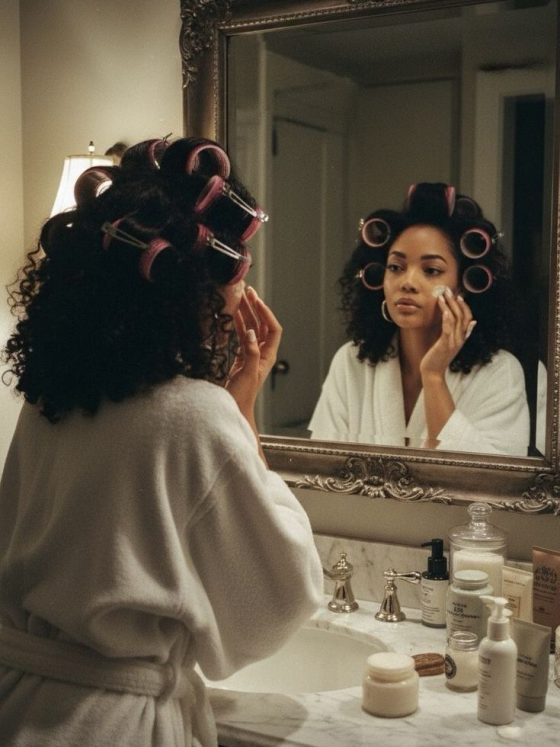
In the private chambers of African royal courts, beauty was never treated as an ornament alone. It was language. It spoke of lineage authority, spiritual alignment and a refined taste. From the sun-drenched palaces of ancient Egypt to the sacred compounds of West and East African kingdoms, royal women approached beauty as a disciplined ritual, shaped by knowledge of nature, cultural craftsmanship, and a deep respect for the body as both a symbol and a vessel.
These rituals were intentionally curated and quietly powerful. They were passed through generations, refined by experience and protected as elite knowledge. Today, as the global beauty industry turns toward sustainability, ritual-based care and heritage-inspired luxury, the practices of African royal women feel strikingly modern. Their approach offers not nostalgia but direction.
From ancient royal courts to modern luxury rituals, African royal beauty traditions reveal culture, craftsmanship, sustainability, and global influence
Beauty as Power and Presence
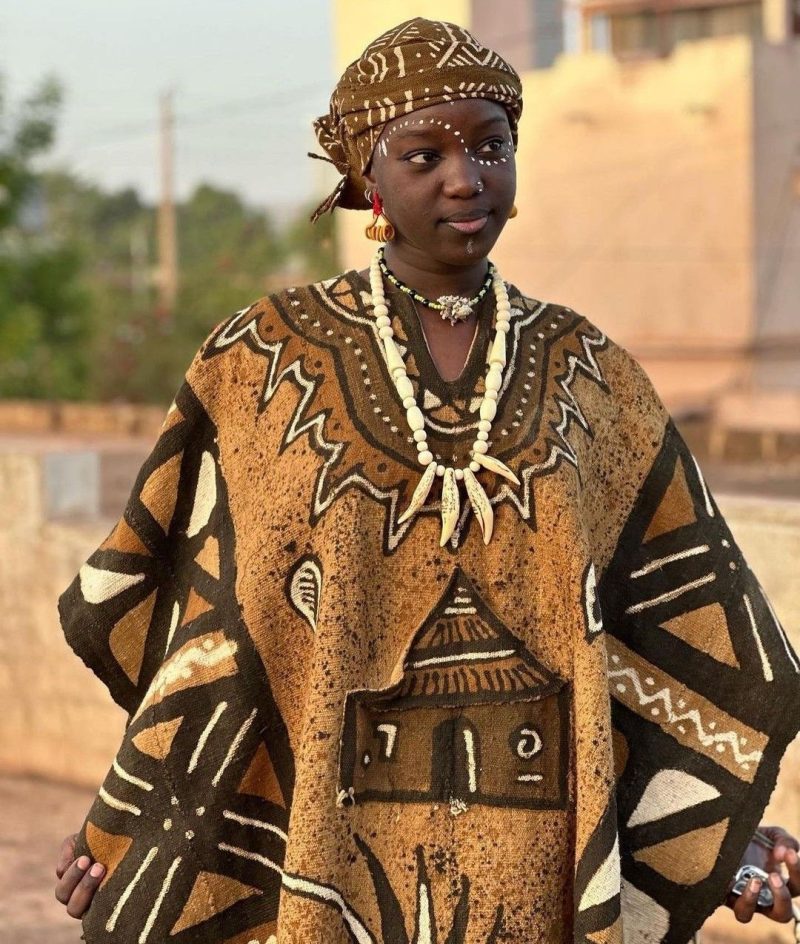
For African royal women, beauty functioned as a visual expression of leadership. A queen’s appearance signalled stability, prosperity, and divine favour. Grooming rituals were structured and consistent, reinforcing the idea that discipline and elegance were inseparable. Smooth skin, well-kept hair and balanced adornment reflect inner order and external authority.
This philosophy positioned beauty as presence rather than excess. Restraint, precision, and harmony mattered more than display. This mindset aligns with the principles of contemporary luxury, emphasising quiet excellence over spectacle.
Nature as the First Atelier
Royal beauty practices are grounded in an advanced understanding of natural resources. Shea butter, palm oil, argan oil, black cumin, aloe clay and botanical infusions were not chosen casually. They were selected for their proven benefits in hydration protection, healing, and longevity.
These ingredients were often prepared by skilled women within royal households who understood ratios, timings, and applications. This was cultural craftsmanship in its purest form, knowledge refined through observation rather than laboratories. Modern clean beauty brands now echo this approach, often returning to Africa to source the same materials once reserved for royalty.
Read Also:
Hair Rituals and Identity
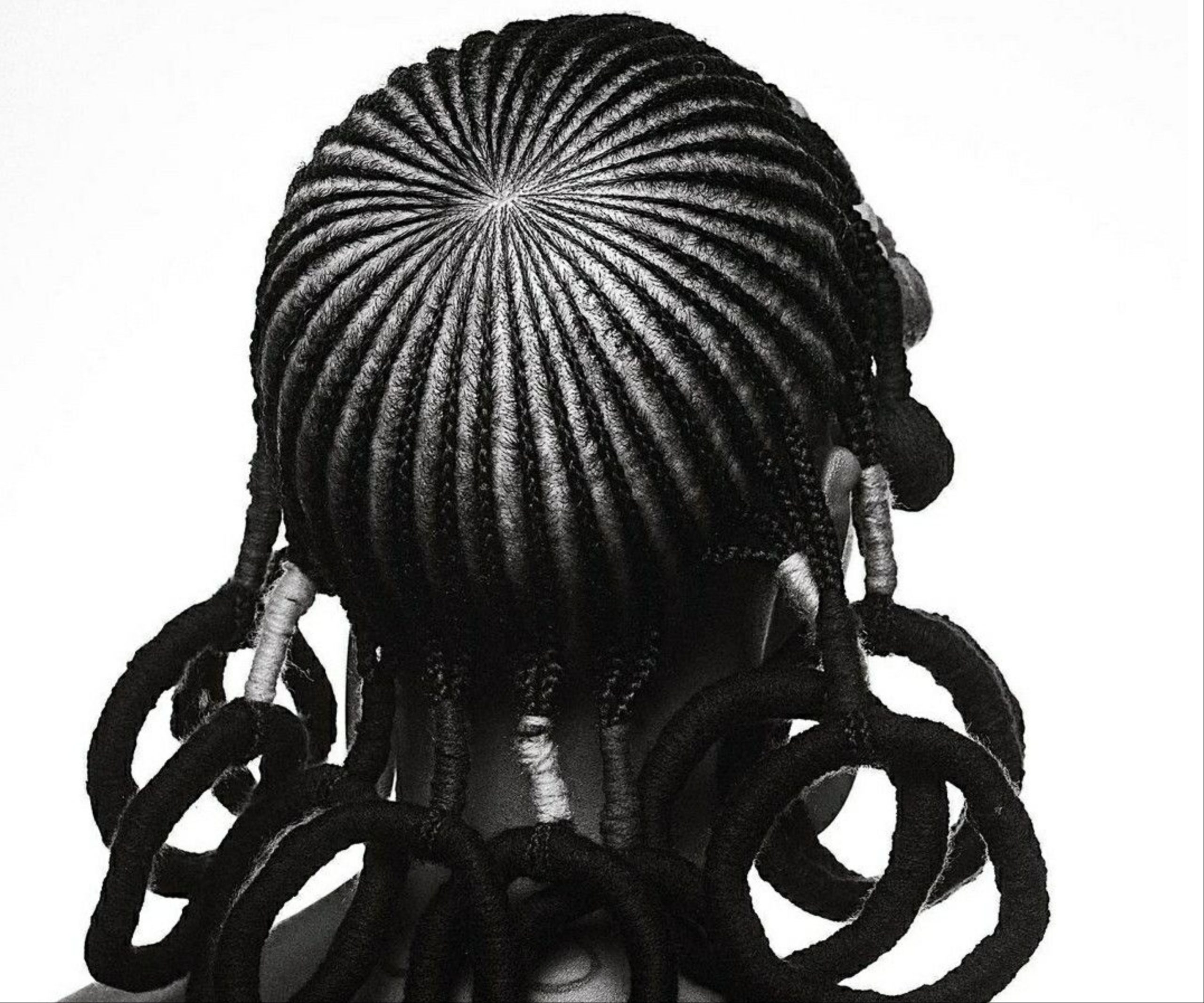
Hair held deep cultural weight. Styles were not merely aesthetic but communicative. Braiding patterns signalled age, marital status, rank and even political affiliation. For royal women, hair care was ceremonial, involving oils, herbal rinses and hours of meticulous styling performed by trusted hands.
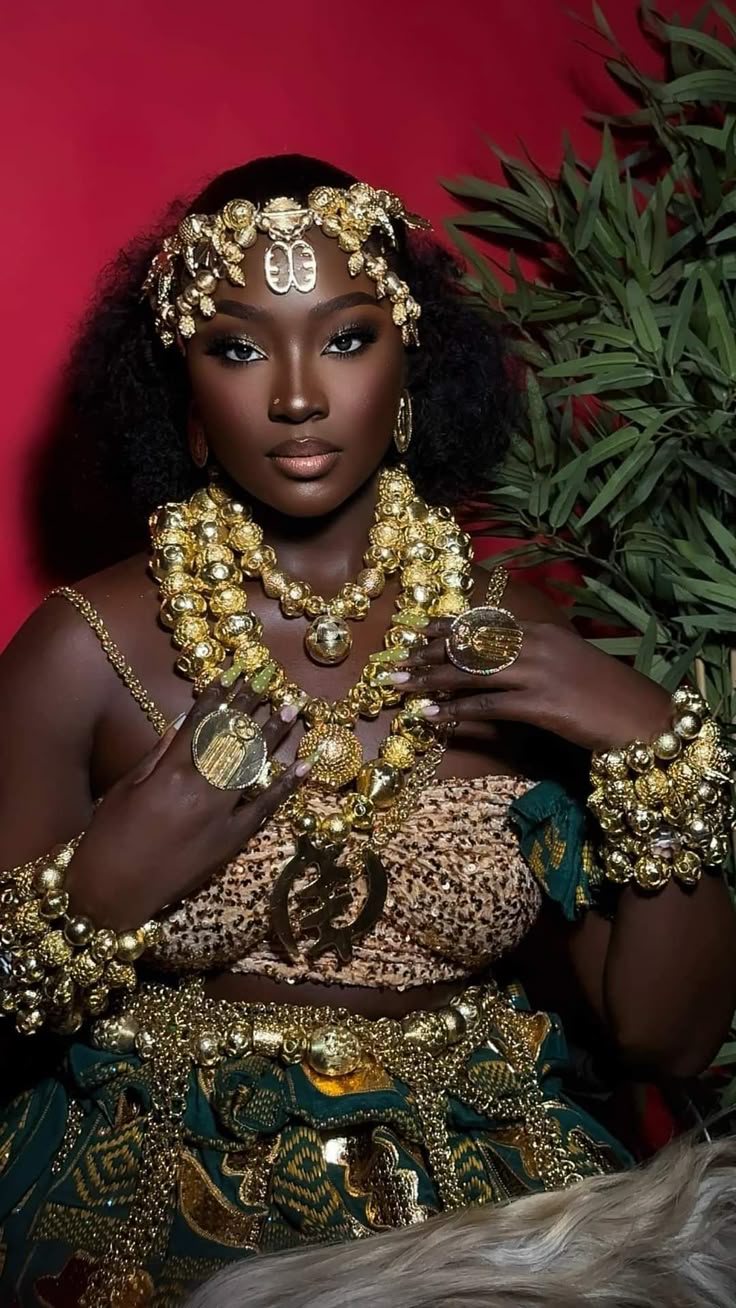
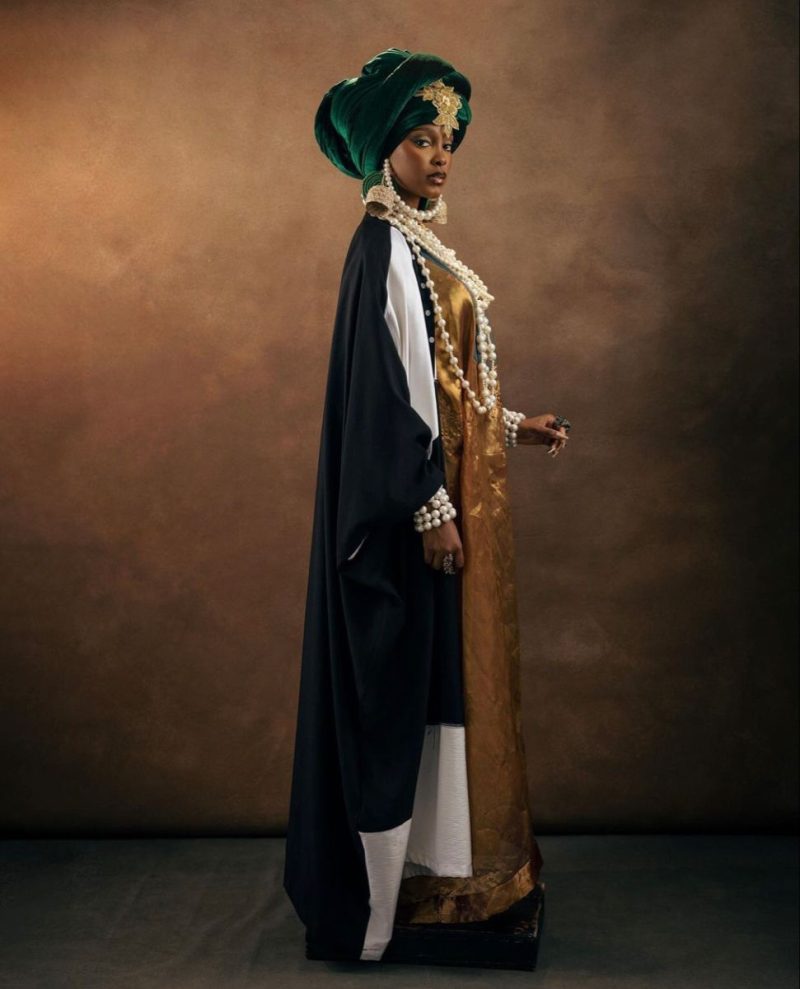
Adornment followed intention. Gold, beads, shells, ivory, and later coral were chosen for both symbolism and beauty. Each element told a story linking the wearer to the ancestors’ land and power. In today’s fashion landscape, these traditions influence runway styling, editorial beauty and luxury accessories, shaping global aesthetics through African heritage.
Scent Texture and the Sensory Experience
Royal beauty rituals engaged all senses. Smoke baths perfumed with aromatic woods softened skin and created a lasting signature scent. Oils infused with resins and flowers were applied slowly, allowing the body to absorb both nourishment and meaning.
Fragrance was personal and political. A queen’s scent announced her presence before she spoke. This layered sensory approach aligns with modern lifestyle innovations, where beauty intersects with wellness, mood, and identity rather than surface appearance alone.
Spiritual Alignment and Inner Discipline
Beauty rituals are often paired with moments of stillness, prayer or reflection. Cleansing the body was inseparable from cleansing the spirit. This integration reinforced the belief that radiance begins internally.
Such practices challenge modern beauty culture’s obsession with speed. They propose a slower, more intentional relationship with self-care, one that resonates strongly with contemporary conversations around mindfulness, longevity and holistic luxury.
From Royal Courts to Global Influence
Colonial disruption attempted to silence many of these traditions, but they endured within communities and across the African diaspora. Today, they re-emerge through fashion, skincare, wellness, and art, often framed as innovations.
Designers reference royal silhouettes. Beauty brands highlight African botanicals. Diaspora creatives reinterpret ancestral rituals for global audiences. What was once local knowledge now informs international conversations around ethical sourcing, sustainability and cultural respect.
Conclusion
The beauty rituals of African royal women were never about trends. It was a system of care rooted in identity, responsibility, and foresight. Their relevance today lies not in imitation but in philosophy, a commitment to craftsmanship that balances sustainability and meaning.
As modern luxury continues to redefine itself, these traditions offer more than inspiration. They offer a blueprint. One that demonstrates true elegance is intentional, deeply informed, and quietly powerful.
5 FAQs
- Were African royal beauty rituals purely aesthetic?
No, they combined health, spirituality, identity, and leadership, making beauty a holistic practice rather than surface decoration.
- What ingredients were most commonly used by royal women?
Shea butter, argan oil, palm oil, aloe, clay, herbal infusions, and aromatic resins were widely valued.
- How did these rituals influence modern beauty?
They shaped today’s focus on natural ingredients, ritual-based care, sustainability and heritage storytelling.
- Why was hair so important in royal beauty traditions?
Hair communicated status, lineage, and cultural belonging, making it a central element of royal presentation.
- Are these rituals still practised today?
Yes, many survive across African communities, and the diaspora often adapts to modern skincare and wellness practices.