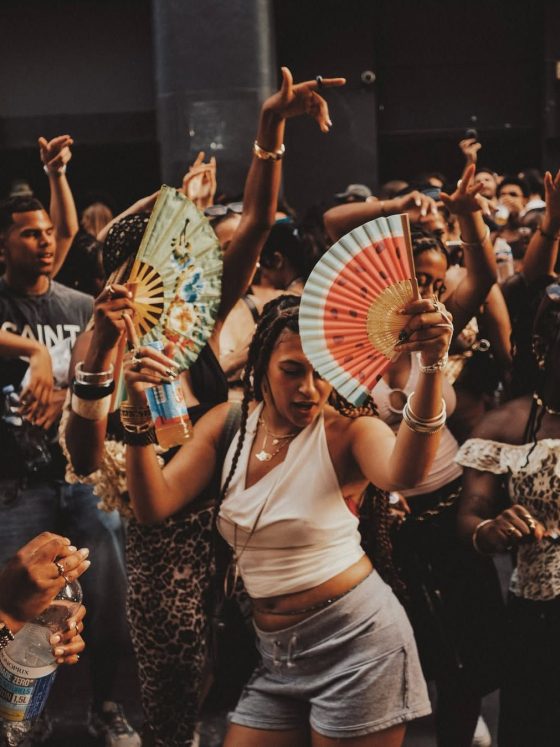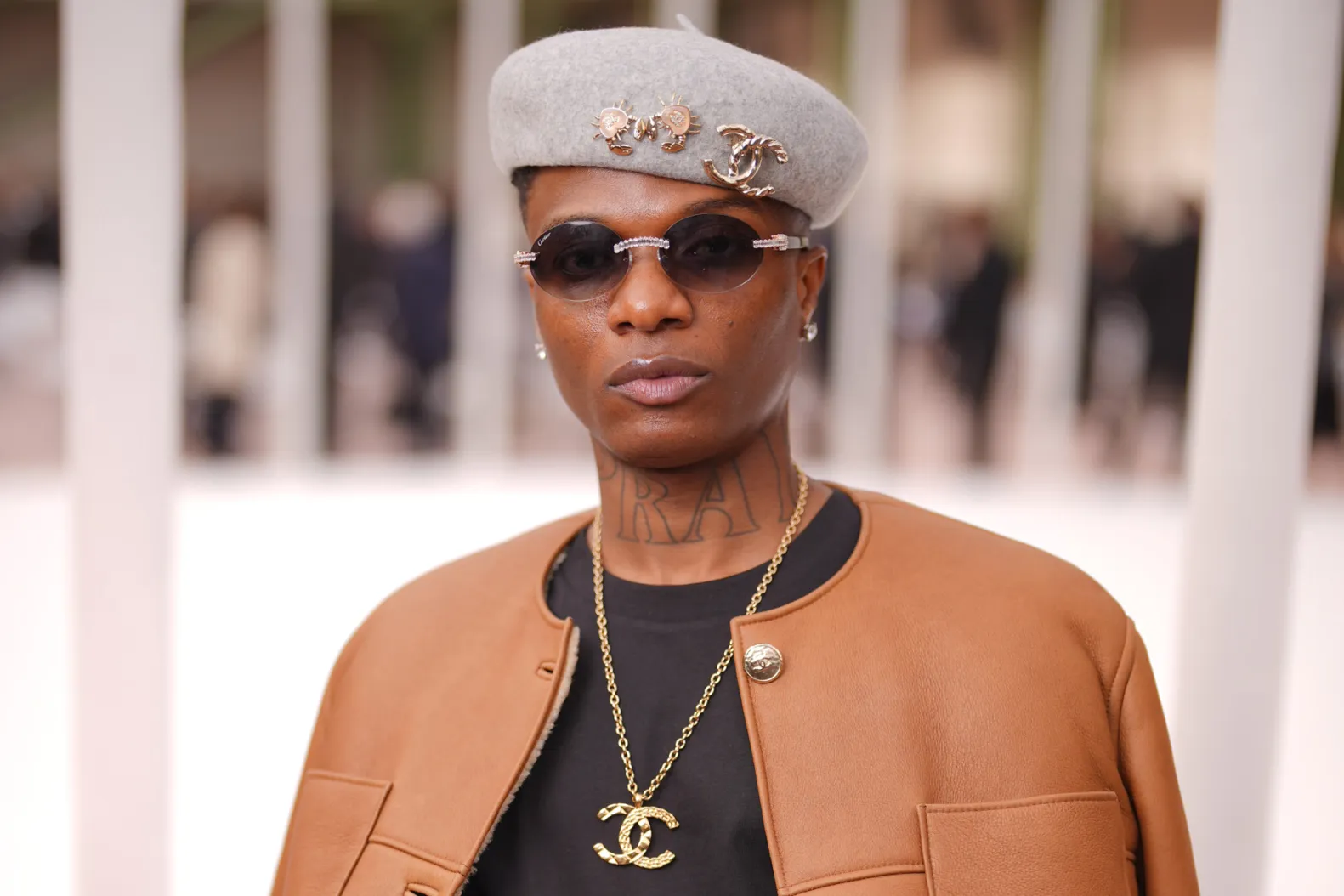
Something wild happened in music over the last decade or so. Afrobeat, once just a murmur in Lagos clubs or Kingston parties, is now everywhere, bouncing through London’s O2, pulsing at Paris runways, and blasting from cars in New York. It’s not some fad or borrowed style. It’s Africa and the Caribbean planting their flags smack in the middle of global pop and refusing to play it safe. These are heritage sounds, rich with history, now captivating millions and earning billions. Burna Boy is headlining stadiums in France. Wizkid’s “Essence” has become an anthem you hear at weddings and nightclubs, from Atlanta to Amsterdam. Dancehall and Afropop blend, with Kingston’s bass pounding beneath the shimmer of Lagos. And the phenomenon isn’t just about a few stars making it big. The whole landscape is shifting: what people listen to, which beats top the charts, and who sells out the world’s biggest venues. Afrobeat’s global takeover is about power – artistic, cultural, and economic – all driven by artists who refuse to water down where they come from just to fit in.
Explore how Afrobeat, dancehall rhythms, and Afropop melodies are reshaping global charts, streaming culture, and the rise of African music worldwide.
How Did the Global Afrobeat Expansion Begin?
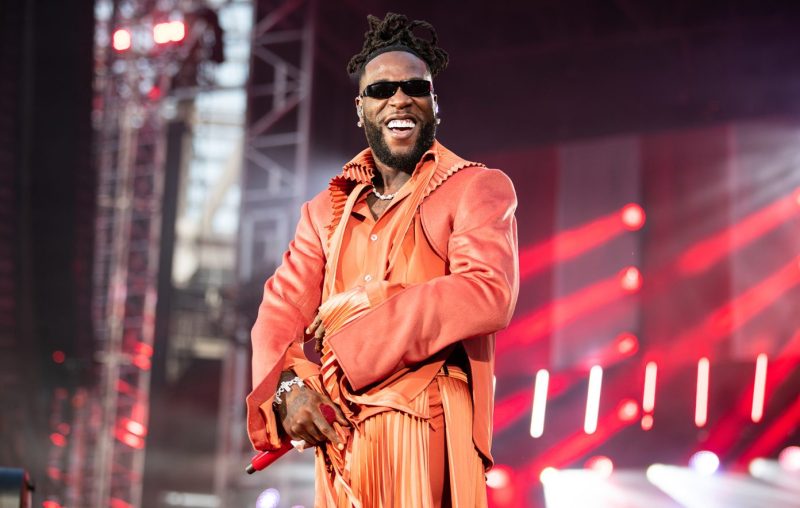
Afrobeat’s roots run deep, but its global rise really took off in the 2010s. The big turning point? Wizkid showed up on Drake’s “One Dance” in 2016. Suddenly, a Nigerian artist helped push a song to the top of charts everywhere. Millions became enthralled with those rhythms, leading to a significant surge in popularity. After that, everything seemed to move faster. By 2020, there was “Essence” by Wizkid and Tems, singing mainly in Yoruba, which landed in the American Top 10 and dominated summer playlists. Burna Boy’s story is just as huge. In 2020, his album “Twice as Tall” won a Grammy, something Nigerians had already believed he deserved. Then, in 2023, Burna Boy sold out a U.S. stadium, with 20,000 tickets gone, showing this isn’t just about fame but real economic power too.
Even the big institutions took notice. In 2024, the Grammys finally added a Best African Music Performance category. Tyla’s “Water” took the first trophy, proof that African artists aren’t just lumped into “world music” anymore. They’ve got their own lane now, and it’s not going away.
What’s Keeping This Afrobeat Explosion Going Strong?
Several factors contribute to this phenomenon. The first factor is the music itself. The beats are compelling, featuring intricate layered percussion, captivating melodic hooks, and an infectious vibe that compels you to move. It doesn’t matter if you know Yoruba, Igbo, or Pidgin; the groove is universal. Second, the storytelling. These artists sing about hustle, heartbreak, faith, politics, and real stuff. Burna Boy exposes corruption, Wizkid sings of love, and despite their Nigerian origins, these emotions resonate with people worldwide.
Third, smart collaborations have pushed Afrobeat even further. When artists such as Ed Sheeran, Drake, Justin Bieber, or Beyoncé participate, the genre’s popularity soars, yet its fundamental essence remains unchanged. Remember Beyoncé’s “The Lion King: The Gift”? She stacked the album with Afrobeat stars, beaming those sounds into Disney households worldwide.
And finally, this movement is about more than music. It’s cultural power in action. Africa’s not asking for permission. It’s showing off its creativity, demanding respect, and celebrating identity, loudly and unapologetically. For young Nigerians, seeing their heroes fill Madison Square Garden means their culture finally gets the spotlight it deserves. It’s a new era, and honestly, it’s just getting started.
So, How Do Streaming Platforms Fit Into All This?
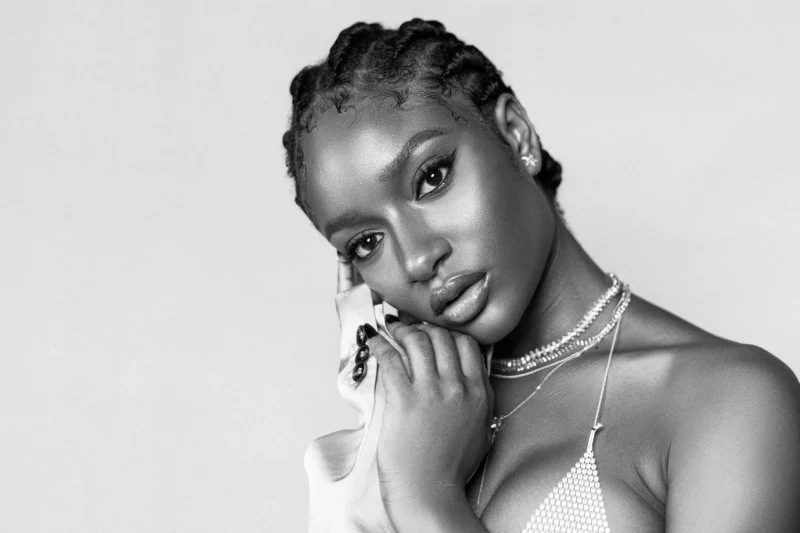
Streaming changed the rules completely. Platforms like Spotify, Apple Music, and Boomplay aren’t just reporting big numbers; they’re fuelling this explosion. Spotify’s “Afrobeats: Journey to a Billion Streams” campaign in 2024 was all about showing just how fast the genre is taking over. Anyone can drop a track in Lagos and see it blow up in London, New York, or Tokyo on the same day. There is no need to wait for radio spins or hope for shelf space in a foreign record store. Afrobeat artists gain global recognition quickly due to their speed and reach. The more people listen, the more the algorithms recommend, and the audience just keeps growing.
The launch of Billboard’s U.S. Afrobeats chart in 2022 was a significant event. It wasn’t just a nod to the genre’s popularity; it was a signal to the whole music industry. Now there’s real data and real money behind it, and labels are paying attention in ways they never did before.
Where Does Dancehall Come In?
The connection between dancehall and Afrobeat is a story of two cultures swapping ideas and energy. Dancehall, born in Kingston’s sound system scene in the late ’70s, shares many things with Afrobeat; think complex rhythms, messages from the diaspora, and a spirit of resistance. Lately, as Afrobeat goes global, dancehall artists are teaming up with African stars to cook up sounds that blend both traditions.
Burna Boy is the poster child for this mix. Critics call his style “Afro-fusion” because he draws on Afrobeat, dancehall, reggae, hip-hop, and R&B. This kind of genre-blending is what makes Afrobeat’s global wave so exciting. It’s not just about Nigeria anymore; it’s about Africa and the Caribbean coming together.
This surge has given dancehall a new boost on the world stage. Now, legends like Sean Paul are collaborating with Afrobeat’s biggest names. The result? Together, they are creating innovative sounds that neither genre could have independently created. If you want to hear what’s next, check out cities like London, Toronto, and New York, where African and Caribbean communities mash up their influences and keep pushing the sound forward.
What About Afropop’s Role?
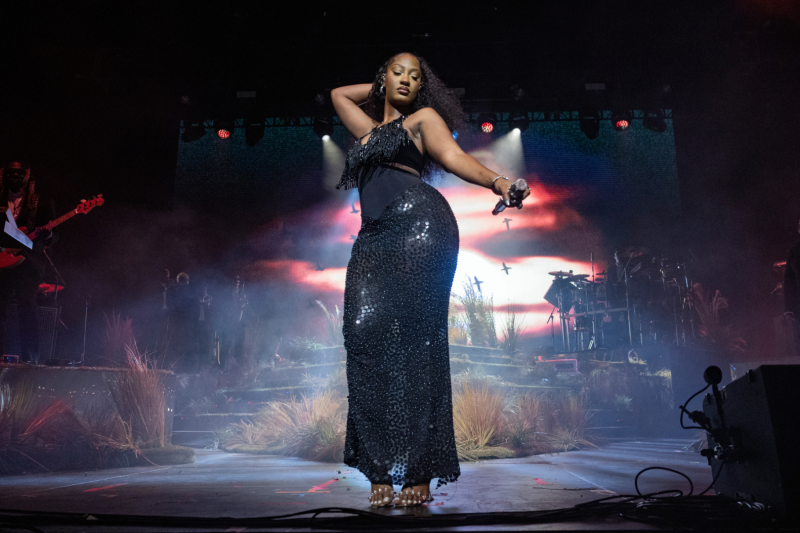
Afropop is the engine that’s driving Afrobeat’s global takeover. Traditional Afrobeat still has its roots in Fela Kuti’s political edge, but Afropop leans into pop’s catchiness while staying true to African rhythms. Artists like Davido, Rema, Ayra Starr, and Tems are proof of just how powerful this blend can be.
Take Rema’s “Calm Down” remix with Selena Gomez. It was everywhere in 2023, topping charts and racking up billions of streams. That kind of breakout shows African artists don’t have to water down their sound to make it big; they can own the pop world and keep their identity.
Tems is another standout. Her soulful voice and dreamy production style connect with listeners all over the world, from Lagos to Los Angeles. Winning a Grammy before even dropping a debut album? That’s not normal, but that’s the pace of Afrobeat’s global rise right now.
And it’s not just music. Fashion and lifestyle brands are getting in on the action, teaming up with stars like Burna Boy and Wizkid. From Chanel to Puma, these partnerships show Afrobeat isn’t just a sound; it’s a whole lifestyle people want to be part of.
READ ALSO:
- 7 Budget-Friendly Honeymoon Countries for Nigerian Couples
- Greeting Styles of Different Tribes in Nigeria: A Traveller’s Cultural Guide
- Best-Dressed Nigerian Celebrities in 2025: AMVCA, Headies & AFRIFF Red Carpet Fashion
How Are Major Labels Investing in the Global Afrobeat Expansion?

Universal Music Group buying a majority stake in Mavin Global, Don Jazzy’s powerhouse Nigerian label, says a lot. Major labels aren’t just paying attention to Afrobeat anymore. They see it as a real, lasting force in global music, and they’re putting serious money behind it.
These investments accelerate the global Afrobeat movement. Suddenly, African artists have bigger distribution, slicker marketing, and real access to international tours. When they sign with major labels, they don’t just get a seat at the table; they get a megaphone. It’s what lets them headline massive festivals and team up with international stars.
But there’s always that question: Does going global mean losing what makes Afrobeat special? So far, the answer’s no. The top Afrobeat artists keep their sound true to their roots, and honestly, that’s what people want. The world craves something real, music that carries the pulse of African heritage.
Conclusion
Afrobeat’s rise isn’t just about chart numbers or big business deals. It’s shifting the whole idea of what the world values in music. Suddenly, the sounds that set trends and influence mainstream pop come from Lagos, Accra, or Kingston. When Burna Boy plays Buckingham Palace, or Wizkid fills arenas in Paris and London, it’s not just about personal success. Africa’s creative voice is finally gaining the recognition it deserves.
This whole wave started in local studios, grew through social media and streaming, picked up steam with Grammy wins, and now, with billion-dollar deals. What it proves is simple: you don’t have to water down your sound to find global success. African and Caribbean rhythms resonate everywhere, and now the future of popular music speaks with African and diasporic accents.
Afrobeat’s global surge is opening doors for more artists, giving long-overlooked cultures a spotlight, and showing the world what Africa has always known: its music isn’t just part of the global scene. It shapes it. People are finally listening, dancing, and waking up to the fact that African sounds set the pace.
Frequently Asked Questions
1. What is the global Afrobeat expansion?
It’s the explosive rise of African genres, Afrobeat, Afropop, and their dancehall fusions, taking over streaming platforms, topping international charts, and packing out festivals around the world.
2. Which artists are leading the global Afrobeat expansion?
Burna Boy, Wizkid, Davido, Tems, Rema, and Ayra Starr are front and centre. They’re grabbing Grammys, filling major venues, and showing up on charts across Europe, the US, and everywhere else.
3. How has streaming affected the global Afrobeat expansion?
Streaming changed everything. Spotify, Apple Music, and others connect African artists straight to global listeners. Billions of streams later, the data speaks for itself, and big labels want in.
4. What role does dancehall play in the global Afrobeat expansion?
Dancehall and Afrobeat keep blending; artists mix Kingston’s rhythms with African melodies, creating something fresh and expanding the sound that’s driving this global wave.