Healthy skin sounds simple. Drink water, use sunscreen, and mind your business. But scroll through social media or walk past a skincare billboard, and the meaning shifts. Healthy skin looks poreless, even-toned, luminous, and ageless. This shift represents a visual standard rather than a medical one. That shift is where culture, power, and money enter the chat.
Skin is our most visible organ. It carries history, ancestry, labour, climate, stress, and joy. Yet public discourse often reduces it to an aesthetic goal. The idea of healthy skin has become a social signal, a means of reading discipline, wealth, youth, and even moral worth on someone’s face. When we ask who benefits from that definition and who is excluded, skincare ceases to be a routine and becomes a cultural narrative about value and belonging
From beauty ideals to power and identity, this piece explores who defines healthy skin, who benefits, and why the glow standard shapes lives taily.
The modern glow ideal did not emerge from nowhere. In the late nineteenth and early twentieth centuries, Western societies began linking cleanliness with morality and social status. Clear skin signalled hygiene, self-control, and refinement. These ideas travelled through colonial systems that ranked people along racial and cultural lines. Lighter skin was framed as delicate and civilised, while darker skin was associated with labour and exposure. Those hierarchies still echo today, even when the language has changed.
Fast forward to the digital age, and the glow has been repackaged as wellness. Radiant skin now signals that you eat well, rest well, earn well, and manage stress like a professional. It is less about disease and more about lifestyle performance. The subtext is quiet but firm: if your skin does not look healthy, maybe you are not living right. That message lands differently depending on your access to time, money, healthcare, and safe environments.
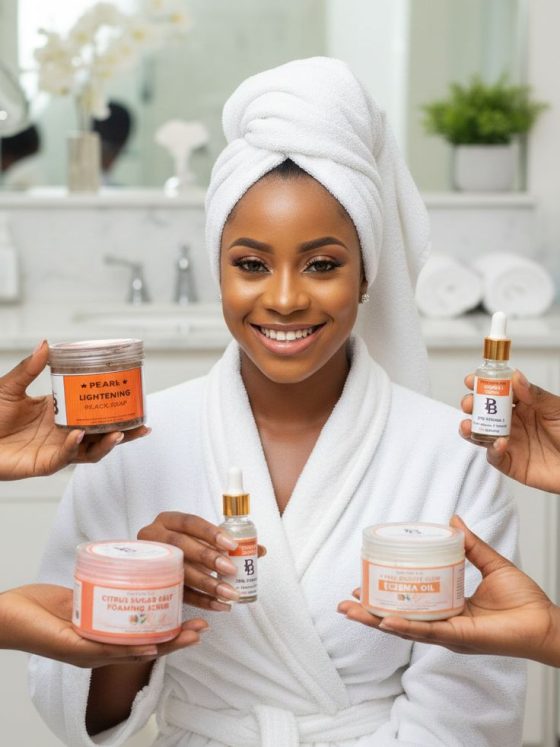
The beauty and wellness industries play a central role in shaping this narrative. Skincare is marketed with the authority of science and the intimacy of self-care. Clinical language builds trust, whereas before-and-after images build desire. Everyday experiences such as texture, pores, hyperpigmentation, and hormonal acne are framed as problems requiring correction. Consumption becomes a pathway to social legitimacy. You are not just buying a serum. You are buying entry into the category of people who appear to have their lives together.
Colourism adds another layer. Across many cultures, lighter or more even skin tones are socially and economically rewarded. While outright skin-lightening claims have become more controversial, the preference often persists through coded language. Words such as ‘brightening’, ‘clarifying’, and ‘tone correcting’ can subtly reinforce the notion that certain complexions are healthier than others. The politics here are not abstract. They shape hiring, dating, media visibility, and self-esteem.
READ ALSO:
Gender deepens the pressure. Women and girls are taught early that their faces are public property. Skin becomes something to manage, monitor, and improve. Breakouts are not just physical discomfort but social risk. Skincare marketing increasingly targets men, but the cultural penalties for visible skin conditions still disproportionately affect women. The expectation to look effortlessly well-maintained is labour, even when it is framed as pleasure.
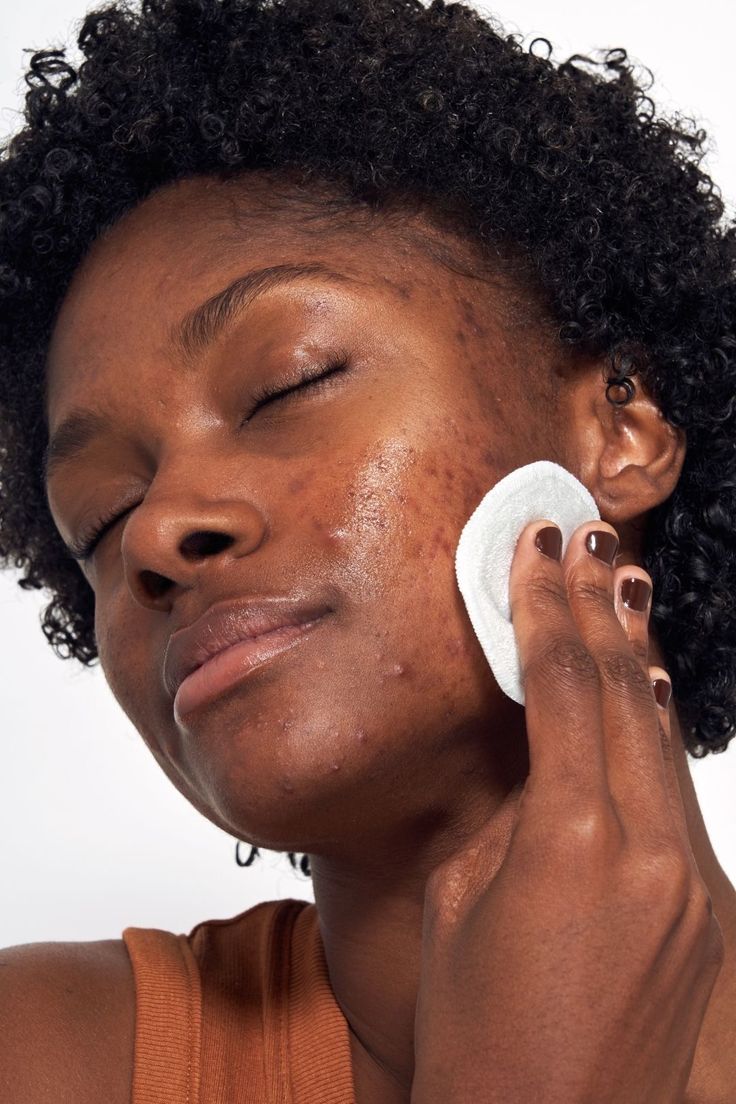
Social media accelerates everything. Filters blur pores. Lighting tricks mimic professional photography. Influencers share routines that look achievable but often rely on sponsorships, dermatology access, and editing. The result is a visual environment in which real skin begins to feel like a mistake. When social media feeds serve as mirrors, perceptions of normality shift. What used to be ordinary variation now looks like a flaw.
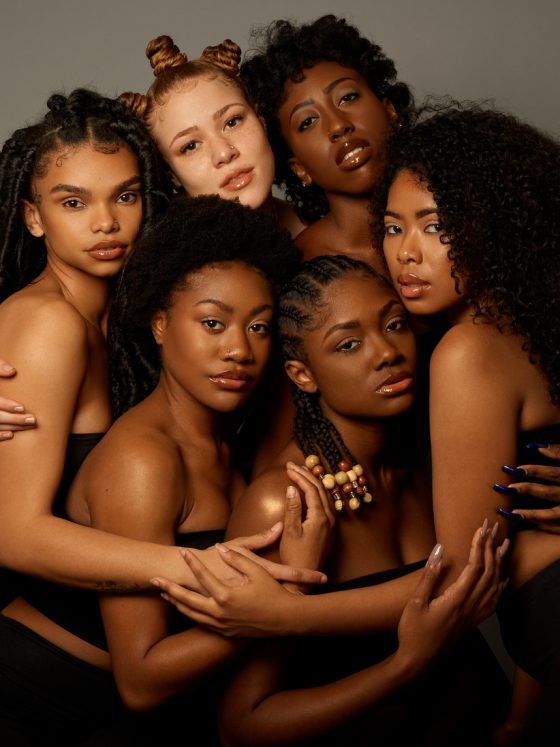
This noise obscures the medical reality. Truly healthy skin is skin that functions. It protects, regulates temperature, heals, and senses the world. It can have acne, scars, stretch marks, or chronic conditions and still be healthy in a clinical sense. When appearance becomes a primary indicator of health, individuals with noticeable differences are marginalised. Conditions such as eczema, psoriasis, vitiligo, and rosacea are treated as aesthetic failures rather than as neutral aspects of human diversity.
There is also a mental health cost. Constant monitoring of the face can turn into anxiety and shame. The promise that the proper routine will fix everything keeps people chasing control in a world that is already demanding. Skin becomes a surface where deeper pressures around productivity, youth, and worth are projected.
Still, resistance is growing. Online communities challenge narrow standards by sharing unfiltered images and honest stories about living with various skin conditions. Dermatologists and educators are speaking more openly about the gap between marketing claims and medical evidence. Cultural critics are questioning why ‘glow’ is treated as a moral achievement. These conversations do not reject skincare. They ask for a shift from correction to care, from perfection to function.
When we broaden the lens, healthy skin becomes less about pursuing an aesthetic and more about supporting the body you inhabit. It connects to public health, environmental justice, and labour conditions. Pollution, climate, stress, and access to healthcare all shape skin outcomes. That means the glow is not just personal. It is political.
Conclusion
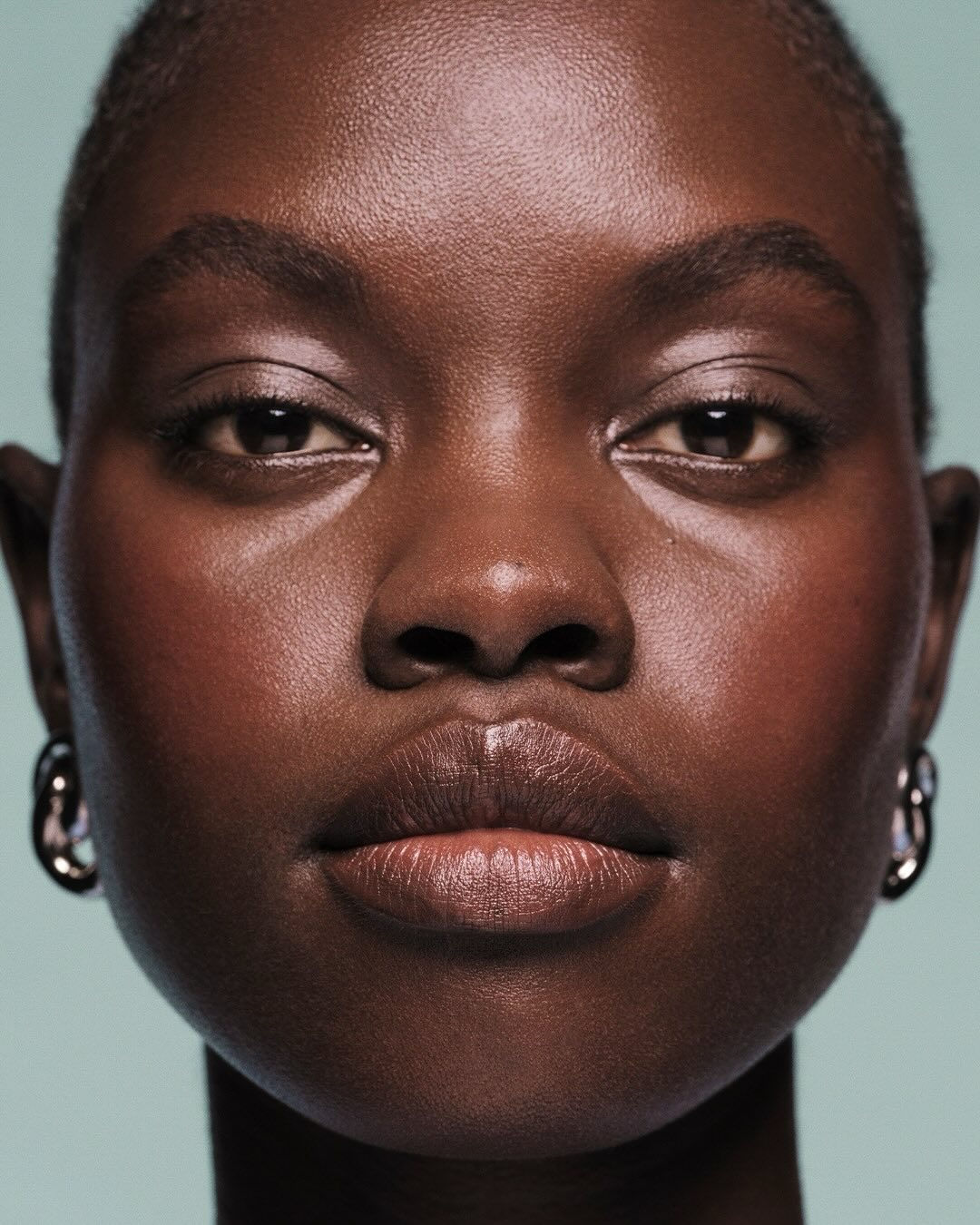
The phrase “healthy skin” carries more weight than it appears. It reflects history, reinforces hierarchies, and fuels entire industries. But it can also be reclaimed. When we separate medical health from visual ideals, we make room for more people to see themselves as usual, worthy, and already enough. The goal shifts from performing wellness to actually experiencing it. That shift matters because skin is not just how we are seen. It is how we live in the world.
Nourish your skin, elevate your glow — explore Skincare on OmirenStyles.
5 FAQs
- Is clear skin the same as healthy skin?
No. Skin can be medically healthy while still having acne, texture, or pigmentation. Appearance and function are distinct.
- Why is glowing skin associated with success?
Media and marketing link radiance with wealth, rest, and good habits, turning a look into a social status symbol.
- How does colourism connect to skincare?
Preferences for lighter or more even tones shape product marketing and beauty standards, often reinforcing old social hierarchies.
- Are skincare routines necessary for healthy skin?
Basic care, such as cleansing, moisturising, and sun protection, supports skin function. Many extra steps are cosmetic, not medical.
- What does a more inclusive idea of healthy skin look like?
It focuses on comfort and function rather than perfection, and it recognises all tones, textures, and conditions as part of normal human diversity.