From Saturday, 24 January, Paris Fashion Week moved into a phase defined less by runway programming and more by industry-level developments. The focus shifted from collections and show schedules to leadership changes, institutional decisions, and post-show industry positioning.
At this stage of the week, the event functioned less as a fashion showcase and more as a coordination space for the luxury industry, where long-term strategies, creative transitions, and structural priorities became the central focus.
This period marked the point where Paris Fashion Week stopped producing new fashion content and started producing industry direction.
Paris Fashion Week 2026 shifts from runway shows to leadership transitions, long-term menswear strategy, craftsmanship, and brand stability across luxury houses.
Hermès: Leadership Transition and Creative Continuity
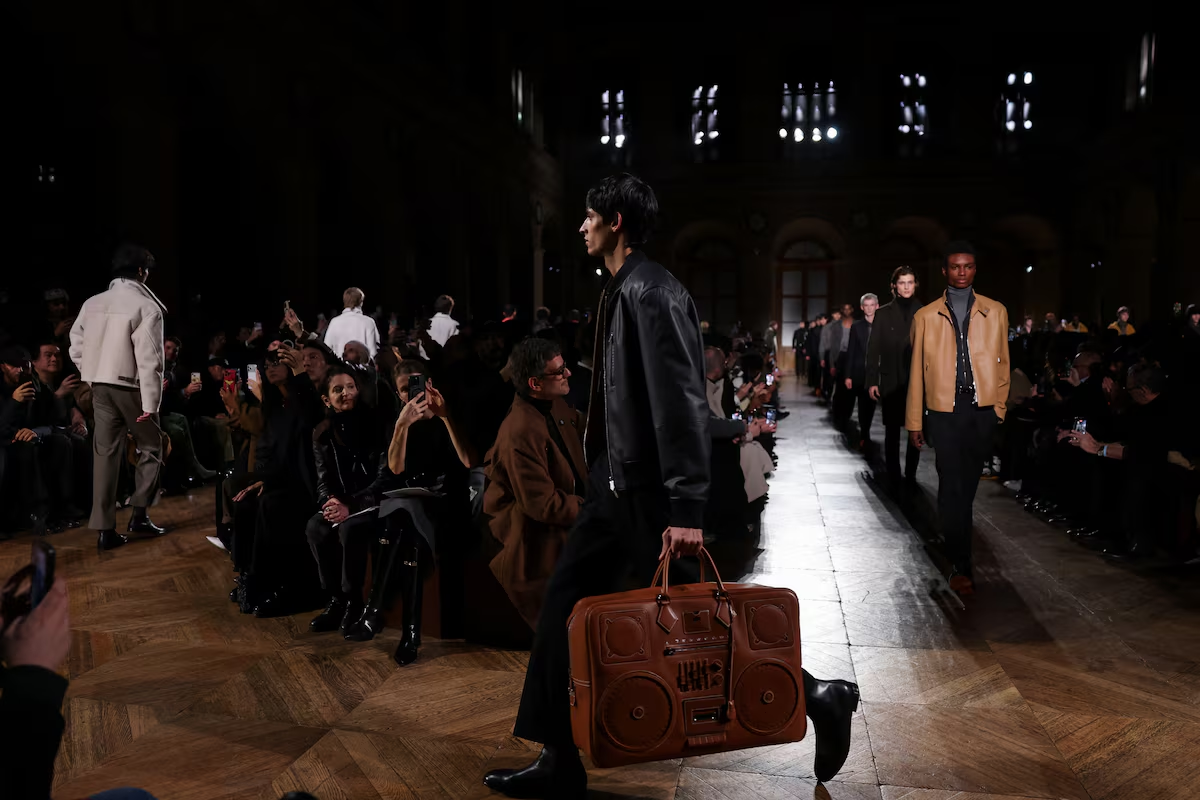
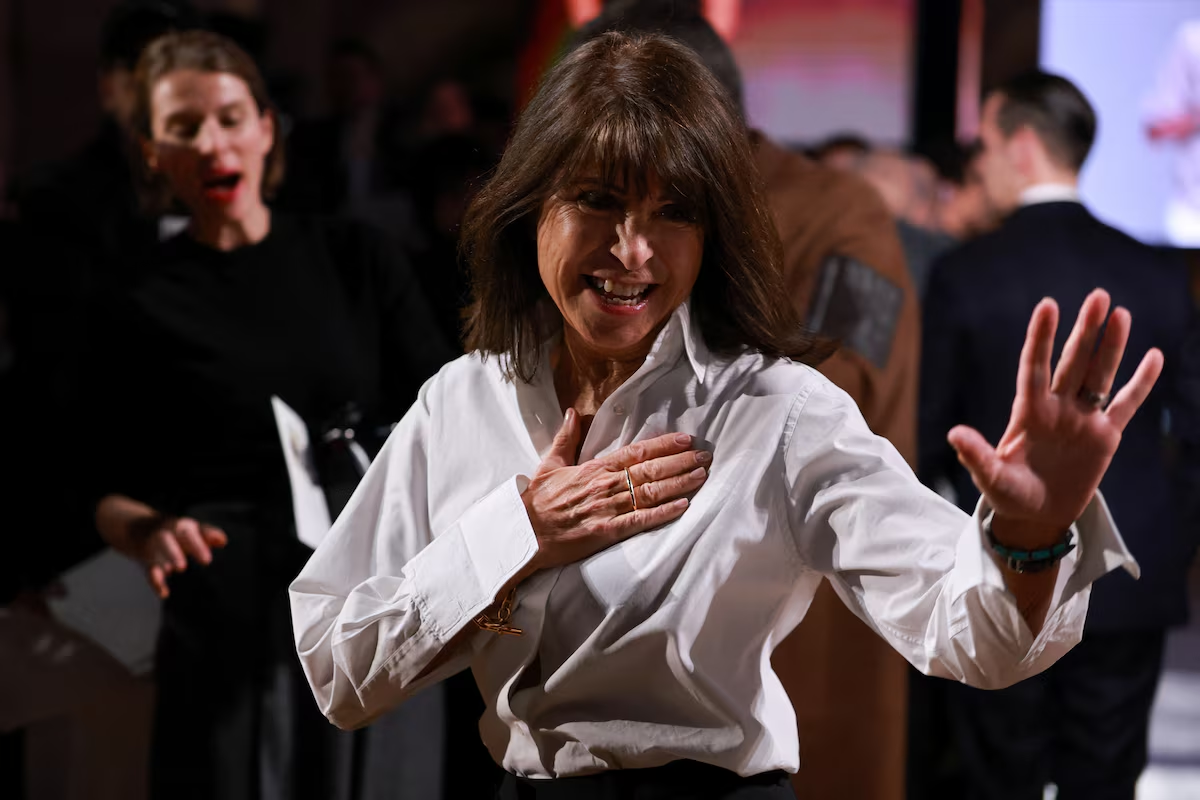
On Saturday, 24 January, Hermès presented the final menswear collection by Véronique Nichanian, concluding her 37-year tenure as creative director of the men’s line.
This development matters structurally because Hermès represents one of the most stable creative systems in luxury fashion. A single designer directing menswear for nearly four decades establishes:
- long-term design consistency
- stable brand identity
- predictable product language
- controlled market positioning
- strong consumer trust
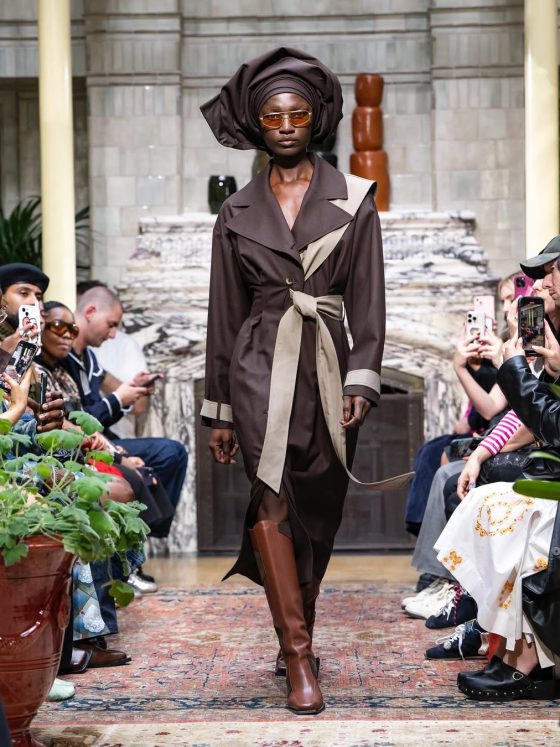
The final collection did not introduce a new design direction. It maintained the established Hermès design system: refined tailoring, material precision, restrained silhouettes, and functional elegance. This continuity indicates that the brand prioritises operational stability over creative disruptions.
The confirmed succession of Grace Wales Bonner reflects a controlled transition model rather than a creative reset. The handover is structured, gradual, and institutionally managed, showing how major luxury houses are approaching leadership change as a strategic process, not a branding spectacle.
Post-Show Industry Focus: Craft, Longevity, and Market Positioning
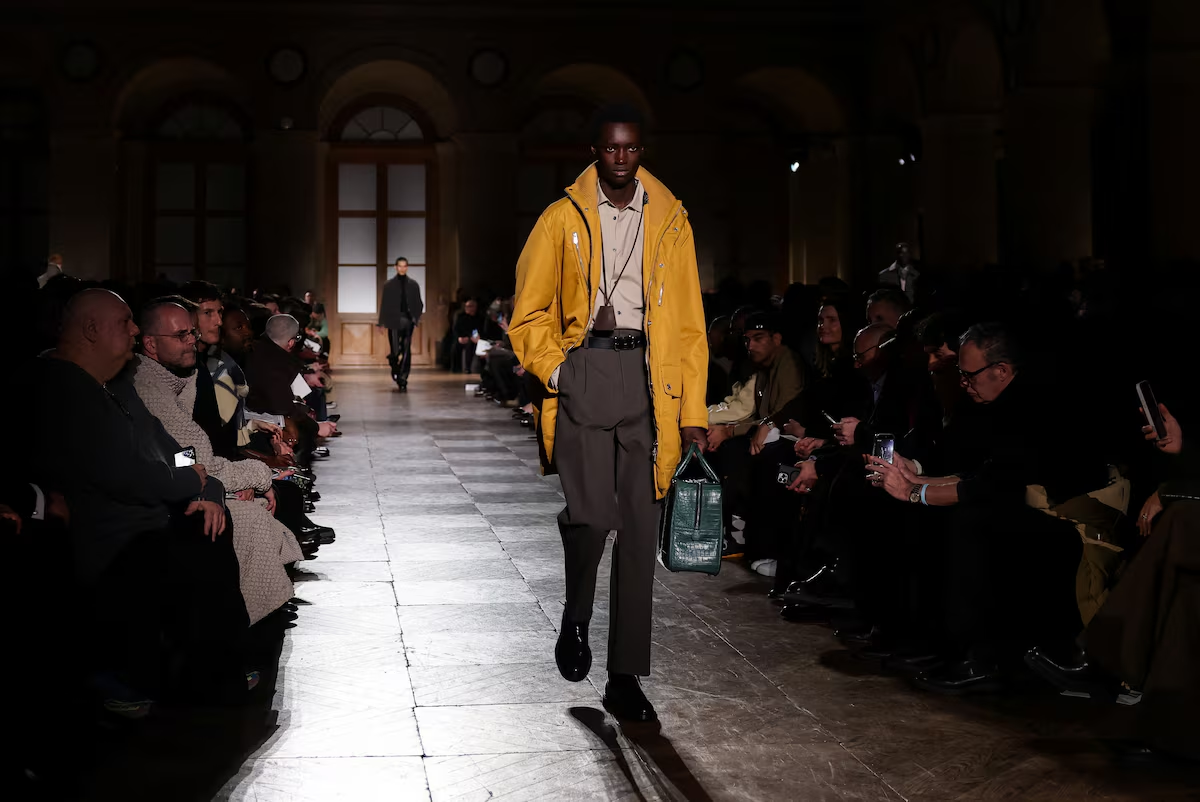
Following the conclusion of the main runway schedule, industry commentary concentrated on product direction rather than visual trends. The dominant post-week analysis focused on:
- durability of garments
- construction quality
- long-term wearability
- material performance
- production value
- lifecycle longevity
Industry reporting identified rebuilt tailoring, quiet craftsmanship, and clothes built for long-term use as defining characteristics of the season.
This signals a shift in how luxury menswear is being positioned in the market. Fashion houses are no longer centring collections around novelty or visual experimentation. Instead, they are building around:
- reliability
- material integrity
- long-term value
- functional relevance
- consumer retention
- brand trust
Menswear is increasingly being treated as a product system, not a trend system.
READ ALSO:
- Paris Fashion Week 2026: Dates Revealed and Collections to Watch
- Quiet Luxury: What Subtle Dressing Really Says About Status
Institutional Strategy Over Seasonal Creativity
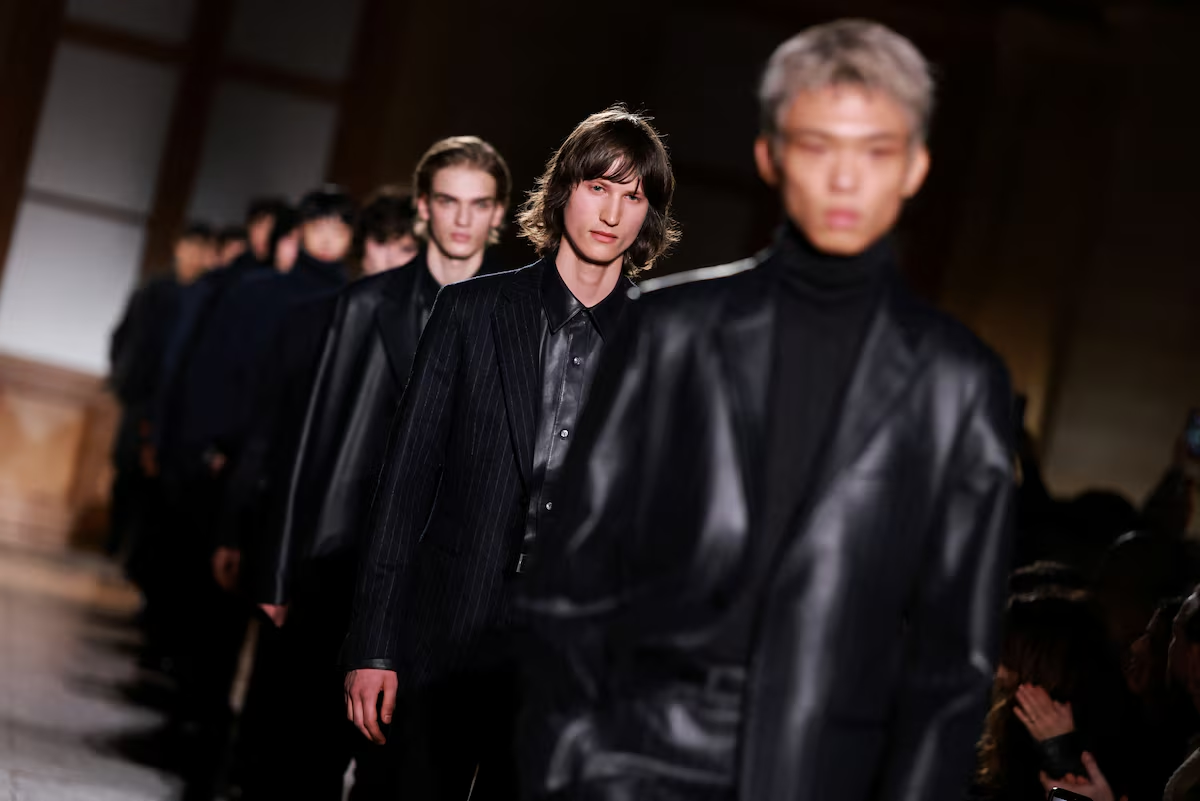
From the 24th onward, Paris Fashion Week functioned more as an industry coordination space than a creative event. Media coverage, industry conversations, and professional engagement shifted toward:
- creative director transitions
- brand restructuring
- market strategy
- institutional continuity
- business sustainability
- production models
This reflects a broader transformation in how fashion weeks operate globally. Fashion weeks are no longer primarily about fashion culture. They are increasingly about industry management.
Collections serve as:
- brand stability tools
- market signals
- investor confidence mechanisms
- consumer trust structures
- institutional identity markers
What This Phase of Paris Fashion Week Represents
This stage of Paris Fashion Week 2026 shows a clear redefinition of fashion’s function:
Menswear is being repositioned as:
- long-term product infrastructure
- stable brand architecture
- economic asset class
- institutional output
- market instrument
The runway is no longer the main event.
Decision-making is.
Creative direction is no longer the core focus.
Organisational stability is.
Fashion is no longer driven primarily by aesthetics.
It is driven by systems.
Conclusion
From Saturday, 24 January 2026 onward, Paris Fashion Week shifted from presentation to positioning.
The focus moved from collections to structures:
- leadership transitions
- institutional continuity
- market strategy
- product longevity
- brand stability
This phase of the week reveals where the fashion industry is heading:
toward controlled growth, structural consistency, and long-term positioning rather than short-term cultural impact.
Paris Fashion Week is no longer just a fashion event.
It is an industry coordination platform.
And from this point in the calendar, it became clear that the future of menswear is being shaped less by creativity and more by systems, structure, and strategy.
See fashion’s biggest moments — explore Fashion Week Coverage on OmirenStyles.
FAQs
- What recent developments happened at Paris Fashion Week?
Paris Fashion Week shifted focus from runway shows to industry developments, leadership transitions, and strategic positioning within luxury fashion.
- Why are the latest phases of Paris Fashion Week important?
Recent phases highlighted a move away from seasonal fashion displays toward institutional decisions, creative leadership changes, and long-term brand restructuring.
- How has Paris Fashion Week changed in its recent updates?
Paris Fashion Week has transitioned from fashion presentations to industry-level discussions around craftsmanship, durability, brand stability, and structural planning.
- What developments are shaping the current Paris Fashion Week?
Key developments include leadership transitions at major fashion houses, a focus on long-term menswear production, and strategic repositioning of luxury brands.
- What do the latest developments at Paris Fashion Week mean for menswear?
The current focus signals a shift toward durable design systems, long-term product strategy, institutional stability, and strategic growth in global menswear.