In the rich and ever-evolving story of Nigerian music, one truth stands quietly yet powerfully in the background:
Women have always been there.
Despite historic attempts to marginalise them, women have consistently written, sung, performed, produced, organised, and shaped the industry. Long before flashy music videos, global tours, and Afrobeats dominating the charts, Nigeria already had women experimenting with sound, building brands, and commanding entire nations with their voices in a male-dominated society.
The 1980s and 1990s marked a pivotal period, a golden era of mellifluous voices. These decades didn’t just hit us with songs; they gave us identities, memories, and role models. Many of these pioneering Nigerian women musicians were cultural icons, entrepreneurs, activists, and storytellers. They certainly hit us after hit, keeping the dancefloor busy. These ladies didn’t only sing songs; they also lent their voices to social, cultural, and political issues.
They worked in a male-dominated industry at a time when:
- Record labels doubt female leadership.
- Show promoters prioritise male headliners.
- Artistic independence was rare.
- And the pressure to conform was everywhere.
Nevertheless, they rose with elegance, resilience, and creative brilliance.
Their work established the credibility of Nigerian music well before the eras of Tiwa Savage and Yemi Alade, paving the way for today’s stars to navigate effortlessly.
Explore the golden era of Nigerian music. We celebrate the pioneering female artists of the 80s and 90s whose talent, courage, and unforgettable songs laid the foundation for Nigeria’s global music industry today.
The 1980s: Breaking the Glass Ceiling
The 1980s represented both challenge and opportunity. Nigeria was shifting socially and politically, and music reflected everyday struggles, love, hope, faith, politics, hardship, and celebration.
For women, the space was even tougher.
These iconic ladies weren’t expected to lead bands, tour across continents, negotiate contracts, or dominate the airwaves. But they refused to stay silent. They experimented boldly, mixing classic Nigerian pop and highlife, traditional rhythms, folklore, reggae, and gospel influences into something entirely fresh, and registering their names in the history of the Nigerian music hall of fame.
These decades (the 80s and 90s) gave us some of the most defining voices in Nigerian history.
Onyeka Onwenu — The Elegant Stallion
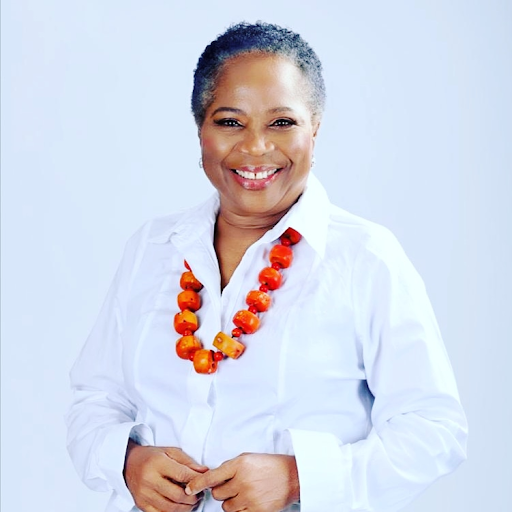
Onyeka Onwenu is one of the most critical figures in Nigerian music history. Known as “The Elegant Stallion”, she blended grace, intellect, and authenticity with extraordinary musical talent.
Onyeka Onwenu emerged in the early 1980s as a sophisticated and socially conscious force, seamlessly blending pop, highlife, and R&B. A graduate of Wellesley College and The New School in the US, she began as a journalist at NTA before launching her musical career with the critically acclaimed album “For the Love of You”. Her 1984 duet with King Sunny Adé, “Wait for Me”, became a national classic, but anthems like “One Love” and the politically charged “Iyogogo” cemented her status. Onwenu’s artistry was defined by her impeccable, elegant vocals, polished stage presence, and lyrics that addressed love, unity, and socio-political issues, offering a refreshingly intellectual perspective in the pop landscape.
Beyond her music, Onwenu’s influence expanded into acting, with starring roles in Nollywood films like “Nightmare”, and into public service as a former Chairperson of the Imo State Council for Arts and Culture and a director at the National Centre for Women’s Development. She transcended the label of a mere singer to become a cultural institution, a respected administrator, activist, and icon. Her career embodies the multifaceted power of the 80s female artist: using platform and talent not just for entertainment, but for advocacy and nation-building, thereby paving a broader road for women in the creative and public sectors.
Songs like
- “One Love”
- “Iyogogo”
They were more than hits; they became anthems of unity, compassion, and cultural pride.
She combined traditional Igbo motifs with modern arrangements, delivering music that crossed ethnic and class lines. Beyond performing, Onyeka Onwenu was also active in journalism, film, activism, and cultural leadership, proving that female artists could embody both creativity and authority.
Onyeka Onwenu demonstrated that women didn’t just belong in the studio. They belonged in boardrooms, at policy tables, and in cultural conversations.
Christy Essien-Igbokwe — Nigeria’s Lady of Songs
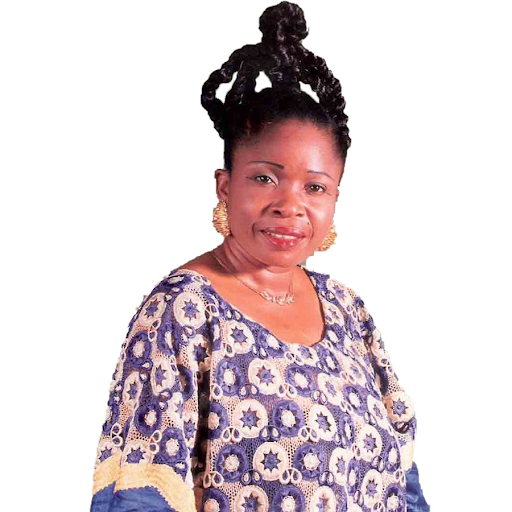
Christy Essien-Igbokwe’s voice travelled like a warm embrace. Known affectionately as “Nigeria’s Lady of Songs”, she recorded timeless classics such as:
- “Seun Rere”
- “Ever Liked My Person”
She is an actress and musician. Christy Essien-Igbokwe sang in multiple Nigerian languages, including Igbo and Yoruba, symbolising unity and diversity. But Chrihttps://en.wikipedia.org/wiki/Performing_Musicians_Association_of_Nigeriasty’s influence extended beyond music. She played a prominent role in shaping PMAN (Performing Musicians Association of Nigeria advocates for improved welfare, professional standards, and recognition for artists.
Christy Essien-Igbokwe shot to superstar status as a teenager in the late 1970s and dominated the 1980s, earning the enduring title, “Nigeria’s Lady of Songs.” Her 1981 smash hit “Seun Rere” remains one of the most iconic Nigerian tunes of all time, a timeless piece of motherly advice delivered with heartfelt emotion. Possessing a powerful, versatile voice, she excelled in highlife, pop, and gospel and was remarkably prolific, recording albums in English, Igbo, and Yoruba to connect with a pan-Nigerian audience. Songs like “Ever Liked My Person” and “Give Me a Chance” showcased her ability to tackle themes of love and social harmony with unmatched vocal clarity and charm, making her a beloved figure in every household.
Christy Essien-Igbokwe was proof that women could:
- organise musicians
- defend artists’ rights
- and shape the direction of the industry
Her leadership helped lay the foundations for the growth of the Nigerian music industry that we celebrate today.
Nelly Uchendu—Guardian of Folklore
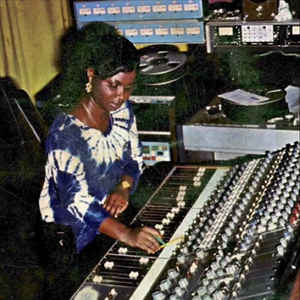
Nelly Uchendu introduced many young Nigerians to the beauty of folklore. Her interpretations of traditional songs, especially the memorable “Love Nwantinti,” modernised village melodies into mainstream favourites. The artist CKay revived “Love Nwantinti” as a popular song in 2019.
Nelly Uchendu was a monumental figure in Nigerian folk and Igbo traditional music, celebrated for her powerful, emotive contralto voice and mastery of the intricate, storytelling-rich genre known as “folk opera”. Rising to prominence in the late 1960s and dominating the 1970s and 80s, she was a leading ambassador of Igbo cultural heritage. Her music told deep stories about history, morality, love, and social values, often accompanied by the traditional udu pot drum and complex harmonies. Landmark albums like “Aku ruo ulo” (When Wealth Comes Home) and anthems such as “Cheluwa” and “Onye” were not merely songs but moral lessons and historical epics, making her the voice of a generation seeking cultural authenticity in a modernising world. She perfectly embodied the transition from pure folk traditions to a more arranged, yet deeply authentic, popular musical form.
Uchendu’s influence extended far beyond recordings. She was a captivating live performer and a respected matriarch in the industry, known for mentoring younger artists. Her career was also marked by notable collaborations, including the famous folk-opera partnership with Chief Osita Osadebe on the classic album “Uto Mma Di na Mba.” Tragically, a fatal car accident in 2005 cut short her life, causing deep mourning across the nation. Nelly Uchendu’s legacy is that of a cultural custodian; she preserved and popularised Igbo musical traditions with unmatched grace and authority, ensuring their relevance and providing a vital sonic and philosophical foundation for later artists, both within and beyond the Igbo genre. Her work remains a critical reference point for authenticity and depth in Nigerian music.
She preserved cultural memories while modernising them. Her music became a living archive, reminding listeners that our roots could coexist beautifully with contemporary sound.
Evi-Edna Ogholi — Reggae’s First Lady
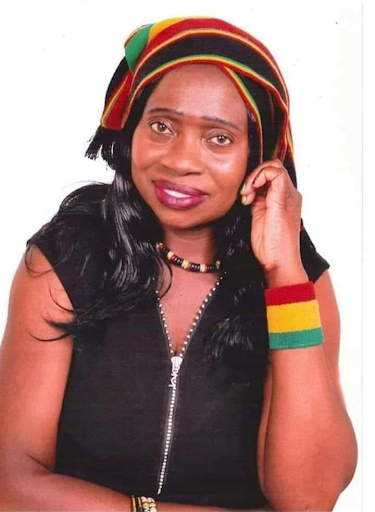
When reggae began sweeping across Africa, one woman stood boldly at the front in Nigeria — Evi-Edna Ogholi.
Isoko-born artist Evi-Edna Ogholi, known for her lovely, melodious voice and uplifting lyrics, emerged as a defining voice of late 80s and early 90s Nigerian pop-highlife. Discovered by producer and music executive Nelson Brown, she released her debut album “My Happiness” (1988), which became a monumental success, with the title track and “Happy Birthday” becoming nationwide feel-good anthems. Her music, often characterised by catchy hooks, vibrant highlife guitar patterns, and clean production, represented the era’s optimistic, danceable side. Tracks like “Peace on Earth” and “Life” reflected a conscious desire to spread joy and positivity, making her music a staple at parties and celebrations across the country.
Ogholi’s impact lies in her mastery of a specific, commercially potent sound that captured the mood of the time. She represented a new wave of female artists who were not just vocalists but complete pop packages, delivering consistent, high-quality albums that dominated charts. While her active chart presence peaked in the early ’90s, her songs have endured as classic old-school jams, frequently sampled and referenced by modern artists. Her career exemplifies how female artists of that period could achieve massive, mainstream success by perfecting a distinct sonic identity and influencing the direction of Nigerian pop music, emphasising melody and universal appeal.
With uplifting, socially conscious hits like
- “My Happiness”
- “Peace on Earth”
She addressed justice, hope, and human dignity. Her style was natural, joyful, and deeply rooted in empathy. Evi-Edna helped popularise reggae while proving that female voices could dominate serious, message-driven genres, not only love songs.
Oby Onyioha — Modern, Urban, and Fearless
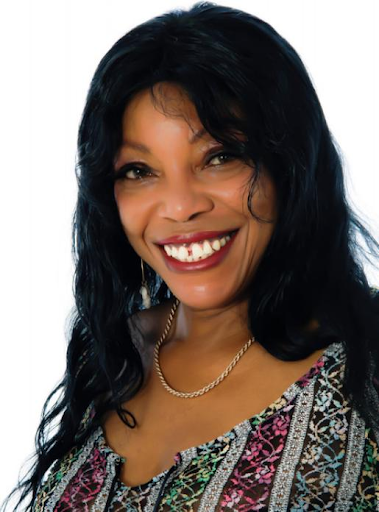
Oby Onyioha brought a fresh, futuristic sound. Her hit “I Want to Know” captured the essence of 80s disco and funk.
Oby Onyioha stormed the Nigerian music scene in the early 1980s as the undisputed “Disco Queen,” bringing a spectacular, high-energy glamour to the pop landscape. Her debut album, I Want to Feel Your Love (1981), and its follow-up, Breaking Up, were landmark releases, featuring the monumental hit “Enjoy Your Life.” This song, with its infectious disco-funk rhythm, soaring horns, and Onyioha’s commanding, vibrant vocals, became the ultimate party anthem of its time. Her style was bold, fashionable, and unapologetically modern, often incorporating elements of American disco and funk into a distinctly Nigerian pop framework, filling dance floors across the country.
Onyioha was not just a hitmaker, but also a complete performer and a symbol of style. The glamour and energy of her music videos and stage shows set a new standard for visual presentation in Nigerian pop. After a period away from the spotlight, her music experienced a global renaissance in the 21st century, with “Enjoy Your Life” being sampled by international DJs and celebrated by critics of African music. Oby Onyioha’s legacy is that of a trendsetting pioneer who defined a specific, joyous sonic moment and proved that Nigerian female artists could master and own a globally influenced, dance-oriented sound with absolute charisma and authority.
At a time when music technology was evolving, Oby embraced modern production styles and fashion influences. Oby projected urban sophistication, demonstrating that Nigerian women could transcend traditional boundaries. They could be global in sound and outlook.
Veno Marioghae—A Voice of Hope
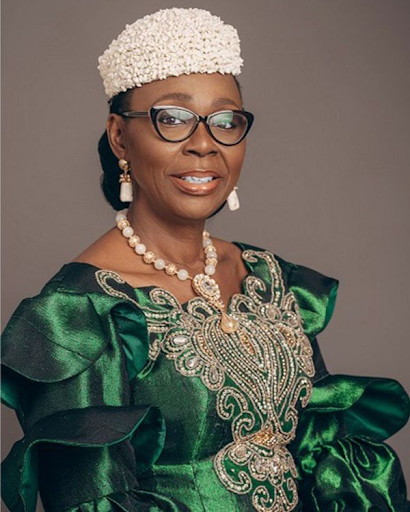
Veno Marioghae gave Nigerians one of the nation’s strongest motivational songs, “Nigeria Go Survive”.</span>
Veno Marioghae (often confused with Veno Martinez, but a distinct artist) wrote one of the most iconic and socially resonant songs of the 1980s, “Nigeria Go Survive” (1985). Released during a period of severe economic hardship and political turmoil under military rule, the song became an instant, defiant national anthem of hope and resilience. With its catchy, synth-driven highlife beat and Veno’s clear, declarative vocals, the track was both a danceable hit and a powerful socio-political statement. It captured the unshakeable spirit of the Nigerian populace, making Marioghae a voice for the nation’s collective endurance.
While “Nigeria Go Survive” remains her signature masterpiece, defining an entire era’s mood, Veno Marioghae’s contribution is monumental precisely because of that song’s cultural weight. She demonstrated how a female artist could wield massive influence by directly engaging with the national consciousness, using music as a tool for social commentary and unity. People still invoke the song’s phrase during challenging times, demonstrating its enduring relevance. Mario Gae secured her place in history by creating a timeless artefact that transcended entertainment and became a vital part of Nigeria’s social fabric.
Her music carried encouragement during economic and social uncertainties. Her music was patriotic without being political, and it was hopeful without ignoring reality.
She reminded Nigerians that music can comfort, educate, and strengthen the national spirit.
Stella Monye — Energy, Rhythm, and Stage Power
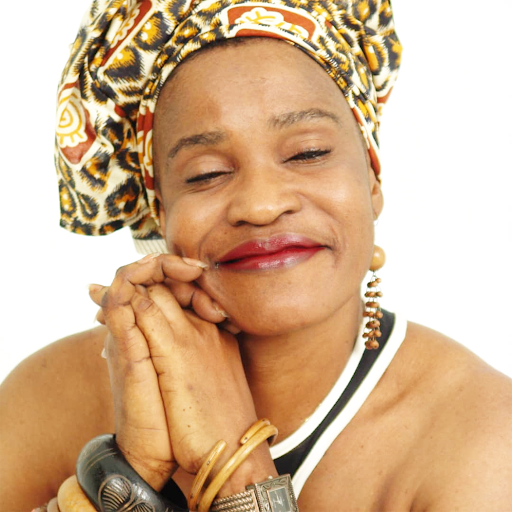
Stella Monye brought attitude, charisma, and rhythm to the stage. With energetic performances and memorable songs such as “Oko Mi Ye” (often later confused with dance-style rhythms), she exuded urban pop confidence.
Stella Monye is a celebrated vocalist whose versatile career, spanning several decades, saw her excel in jùjú, pop, and gospel. She first gained significant recognition in the 1980s as a backing vocalist for the legendary jùjú maestro, Chief Commander Ebenezer Obey, where she honed her skills and stagecraft. Her solo breakthrough came with the vibrant jùjú-pop hit “Oko Mi Ye” (My Husband is Good), which became a nationwide favourite for its catchy melody, praise-oriented lyrics, and Monye’s powerful, clear vocals. This success established her as a formidable solo artist capable of leading the complex, multi-instrumental jùjú ensemble format, a space traditionally dominated by men.
Monye’s artistry evolved with the times, and she successfully transitioned into gospel music in the latter part of her career, releasing impactful albums and winning awards in that genre. Her journey from a sought-after backup singer to a headline act in secular music and then to a gospel powerhouse illustrates the dynamic, resilient career paths forged by women of her era. Stella Monye’s legacy is one of adaptability and enduring vocal talent, serving as a bridge between traditional Nigerian genres and contemporary gospel while maintaining a consistent standard of professional excellence.
Her stage presence showed that women could command audiences with energy equal to, and often beyond, that of their male peers.
Martha Ulaeto is known for her contributions to disco and funk music from Cross River
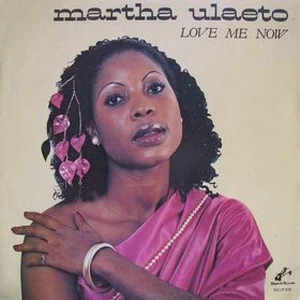
Martha Ulaeto’s “Love of Best” was influenced by early 1980s disco and funk. She represented the voices emerging from Cross River State, proving that regional identity could coexist with global sound.
Martha Ulaeto rose to prominence in the early 1990s as the epitome of smooth, jazz-influenced Nigerian pop, renowned for her sultry vocal tone and polished, internationally appealing sound. Her debut album, My Love (1992), was a critical and commercial triumph, anchored by the timeless love ballad “My Love, My Love,” which became a national anthem for romance. Ulaeto’s style was a sophisticated fusion of R&B, soul, and highlife, characterised by clarity and warmth that set her apart. Songs like “Sweet Love” and “Obi Agu” showcased her ability to glide effortlessly between English and Igbo, delivering lyrics of love and relationships with a mature, captivating elegance.
Trained as a lawyer, Ulaeto brought an intellectual poise and business acumen to her career that mirrored the trajectory of artists like Onyeka Onwenu. She represented a new kind of Nigerian female artist for the 90s: cosmopolitan, highly educated, and in complete control of her artistic image. Despite her focused time in the spotlight of active music, her impact was profound. She proved that there was a vast audience for refined, adult-contemporary African music and inspired a generation of young women to see a career in the arts as compatible with academic excellence and professional sophistication.
Her music contributes to a colourful mosaic of Nigerian pop culture.
Funmi Adams — Songs of Faith and Inspiration
Funmi Adams’ voice became part of many childhood memories. Her gospel and inspirational songs carried warmth, moral lessons, and emotional depth.
Funmi Adams carved a unique niche in the late 80s and 90s Nigerian music scene with her distinctive folk-pop sound, characterised by her gentle, crystalline voice and the prominent, melodic use of the acoustic guitar. Her music was a refreshing alternative, often introspective and deeply personal, drawing on Yoruba folk traditions while appealing to a modern sensibility. Her 1989 debut album, Funmi Adams, and subsequent releases, such as Destiny (1992), spawned hits such as “Omo Olomo” and “Eje Kojá.” These songs, often reflecting her life, destiny, and societal values, resonated with her lyrical simplicity and soothing, accessible arrangements, making her a favourite on the radio and among households seeking thoughtful entertainment.
Adams’ legacy is that of a subtle yet influential pioneer who demonstrated that a female artist could succeed without conforming to the dominant highlife or jùjú templates of the time. She was a skilled guitarist and songwriter in an era where few women in the mainstream played their instruments so prominently. By forging a successful path with a softer, folk-orientated sound, she expanded the definition of what a Nigerian female pop star could be, influencing later artists who would blend acoustic storytelling with contemporary Afro-pop and cementing her place as a cherished voice of a gentler, more reflective side of the 90s.
She wasn’t just entertaining; she was nurturing values, identity, and hope in young listeners.
Other Notable Mentions
No celebration of this era would be complete without acknowledging:
The Lijadu Sisters
A powerful duo blending jazz, funk, Afrobeat, and Yoruba rhythms. Their harmonies and stage presence were ahead of their time, bold, experimental, and deeply rooted in African spirituality.
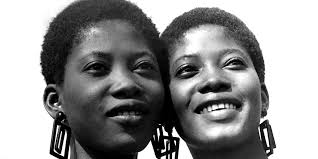
The Lijadu Sisters, identical twins Kehinde and Taiwo, formed one of the most unique and groundbreaking acts of the 1970s and 80s, blending Afrobeat, funk, reggae, and psychedelic rock with sharp, often politically conscious lyrics. Discovered and produced by their cousin, the legendary Fela Kuti, they carved their own distinct path with albums like Horizon Unlimited (1978) and Danger (1976). Their harmonies were tight and mesmerising, and their stage presence was bold and avant-garde, often featuring matching, statement-making outfits. Tracks like “Danger,” “Life’s Gone Down Low,” and “Orere Elejigbo” showcased their ability to weave social commentary with irresistible grooves, earning them a cult following both in Nigeria and internationally among fans of adventurous African music.
Despite facing significant industry challenges and a tragic stage accident in the 1980s that hampered their career, the Lijadu Sisters’ legacy has grown exponentially with time. They are now celebrated as protofeminist icons and sonic pioneers who defy easy categorisation. International labels have rediscovered and reissued their music, contemporary hip-hop artists have sampled it, and critics have hailed it as groundbreaking. Their story is one of artistic fearlessness, representing a branch of Nigerian music that is experimental, intellectual, and globally orientated—proving that female artists could be at the absolute forefront of musical innovation and radical expression.
Dora Ifudu
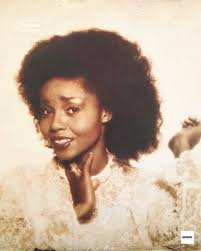
A soulful vocalist who added richness and texture to the evolving soundscape. Her style emphasises emotions over theatrics, demonstrating another dimension of female artistry.
Dora Ifudu emerged in the late 1980s and early 1990s as a voice of remarkable clarity and emotional depth, specialising in soulful highlife and gospel-influenced pop. Her career breakthrough came with her self-titled 1991 album, which featured the massive hit “Obiageli,” an instant classic for its poignant storytelling and Ifudu’s flawless, stirring vocals. She stood out for her ability to deliver both powerful dance tracks and tender ballads with equal conviction, as heard in other hits like “Onye Uwa” and “Ogene.” Her music often carried messages of love, caution, and moral guidance, wrapped in sophisticated melodies that appealed to a broad adult contemporary audience.
Her consistency and vocal excellence defined Ifudu’s impact during a vibrant period in Nigerian music. She maintained a strong presence throughout the 90s, releasing successful albums and performing alongside the era’s biggest names. While she stepped back from the mainstream spotlight in the 2000s, her recordings remain timeless benchmarks of quality and soulfulness from that golden period. Dora Ifudu exemplifies the cohort of female artists who sustained the
ALSO READ
The 1990s: Expansion and New Flavours
If the 1980s shattered boundaries, the 1990s expanded the scope.
The seeds planted earlier began to flourish, and female artists explored new directions – jùjú, highlife fusion, soul, reggae, gospel-pop, and early hints of what would later be known as Afrobeats.
This was the era where brand building became central — fashion choices, stage costumes, album photography, interviews, and personalities formed part of the artistry.
Some defining names included:
Blessing Nwafor (Veno Martinez) — “Lekki Mama”
Her songs reflected urban life and changing social dynamics. She represented the new Lagos woman: stylish, modern, street-smart, yet deeply Nigerian.
Blessing Nwafor, popularly known by her stage name Veno Martinez, became a sensational one-hit wonder whose impact in the mid-90s was so profound that it defined an entire era. Veno is a major player in Nigerian youth culture. Her 1995 dancehall-inspired track “Lekki Mama”, produced by the legendary OJB Jezreel, was an unprecedented viral phenomenon before the internet age. The song’s catchy pidgin lyrics, infectious rhythm, and Veno’s playful, charismatic delivery made it an inescapable anthem in clubs, parties, and on radio stations across the nation. “Lekki Mama” transcended music and became a cultural catchphrase, symbolising the vibrant, aspirational, and slightly cheeky spirit of Lagos in the 1990s.
While her catalogue was not extensive, Veno Martinez’s legacy as a disruptor is significant. She demonstrated the massive commercial potential of Naija dancehall and a more colloquial, street-oriented style performed by a female artist. Her success paved the way for a distinct female musical expression that was less formal and more closely linked to contemporary urban slang and dance trends. In this way, she serves as a crucial bridge between the highlife/pop queens of the 80s and the more genre-bending, street-savvy female artists that would emerge in the late 90s and 2000s, proving that a single, perfectly captured moment could forever change the industry’s landscape.
Chichi Morah
A storyteller through song, bringing relatable narratives into mainstream pop.
Mandy Brown-Ojugbana
A soulful powerhouse whose romantic style brought softness and emotional vulnerability into Nigerian pop.
Rita Fashek
Associated with reggae collaborations with Majek Fashek, she showed that women could participate in powerful activist-styled genres, too.
These women did more than sing; they understood business.
They negotiated performance deals
They curated their public image
They built loyal fan bases before social media existed
Their work contributed significantly to the growth of the Nigerian music industry, helping to professionalise its ecosystem.
Their Lasting Impact & Legacy
The legacy of these queens stretches far beyond nostalgia.
They normalised:
- Women are headlining concerts.
- Women are actively discussing social and political issues in the realm of music.
- Women own their artistic direction.
- Women command respect in negotiations.
Their courage laid the foundation for modern female stars, from Tiwa Savage and Yemi Alade to Ayra Starr and Niniola, who now enjoy global platforms with increased creative freedom.
The global rise of Afrobeats owes a debt to them.
They created trust in Nigerian music, shaping its identity long before the digital revolution.
Their songs told us:
We could dream
We could love
We could hope
We could proudly be Nigerian.
Conclusion: Let’s honour the queens who created the rhythm.
These pioneers were, and remain, the heartbeat of Nigeria’s musical heritage.
They were artists
They were mothers
They were activists
They were entrepreneurs
They were visionaries.
Remembering them is not simply about nostalgia.
It is about acknowledging that without them, the story of Nigerian music would be incomplete.
Their courage deserves reverence
Their songs deserve replays
Their stories deserve to be told, again and again.
Which of these legendary queens is your favourite? Which of their songs still resonates today? Share your memories in the comments below, and keep their legacy alive by streaming their classic hits!