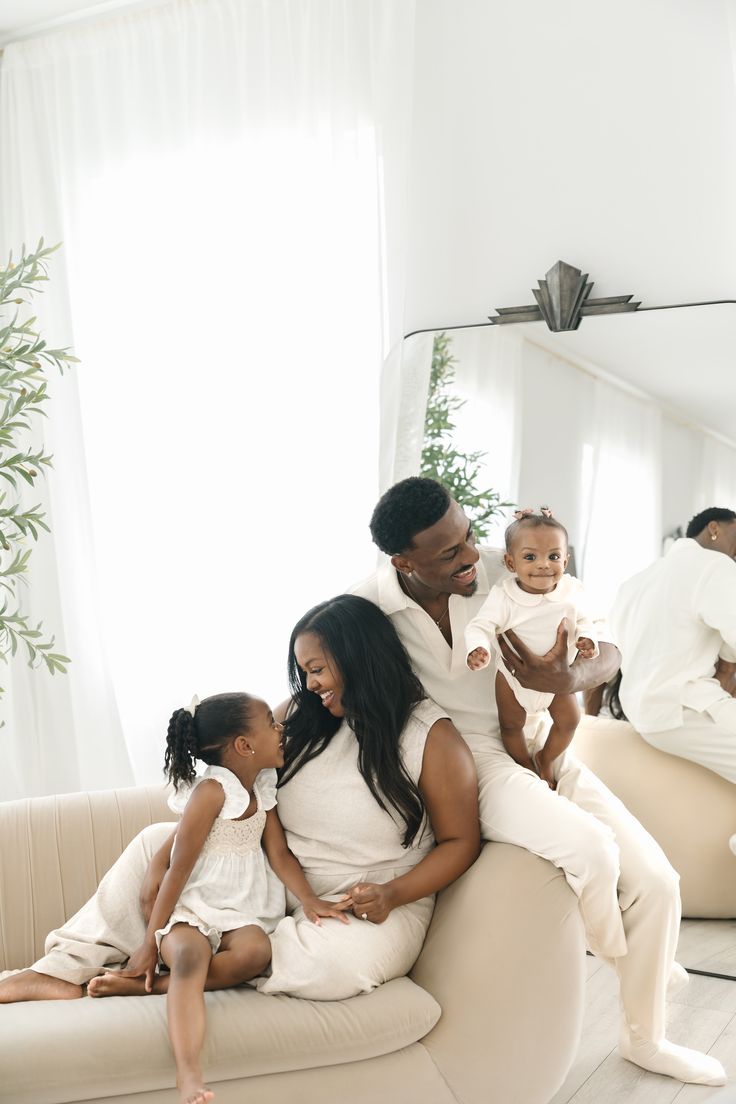
Parenting has shifted from instinct to intention. Family life is being redesigned with clarity, structure, and purpose. Parents are no longer reacting to inherited models or external pressure. They are choosing how children are raised, how homes are structured, and how values are lived daily.
This new era of parenting is not louder or softer. It is more considered.
It prioritises emotional awareness without indulgence, structure without rigidity, and ambition without burnout. Children are being raised within environments that respect individuality while maintaining clear boundaries.
What is emerging is not a trend, but a recalibration. Parenting has become a lifestyle decision rather than a default role.
Modern parenting across African cities is evolving toward intentional routines, emotional intelligence, and lifestyle-led childrearing, shaped by global exposure.
Parenting as a Lifestyle Framework
Modern parenting now sits at the intersection of home design, education choices, work rhythms, and emotional well-being. It is no longer confined to discipline and provision.
Parents are building ecosystems around their children.
Homes are structured to support routine and rest. Schedules are intentional rather than overcrowded. Social exposure is curated, not chaotic. Education is viewed as development, not competition.
This approach reflects a broader cultural shift. Success is no longer measured solely by achievement but by balance. Children are being raised to navigate complexity, not simply outperform peers.
Parenting has become a long-term strategy.
The Rise of Emotionally Literate Parenting

One of the clearest changes is how emotions are handled.
Children are encouraged to express feelings, but they are also taught to regulate them. Emotional intelligence is treated as a skill rather than a personality trait. Conversations replace punishment, but accountability remains.
Parents are moving away from fear-based authority and permissive extremes. Instead, they are choosing clarity. Children are expected to understand consequences, articulate needs, and respect boundaries.
This model produces children who are confident without entitlement and expressive without fragility.
Education Beyond the Classroom
Schooling is no longer considered the sole site of learning.
Parents are supplementing formal education with exposure to art, travel, language, nature, and conversation. Curiosity is nurtured at home. Questions are encouraged. Creativity is treated as essential, not extracurricular.
There is also a growing awareness of learning styles. Children are not forced into uniform expectations. Strengths are observed early and supported deliberately.
Education has become adaptive rather than prescriptive.
Home as the First Classroom
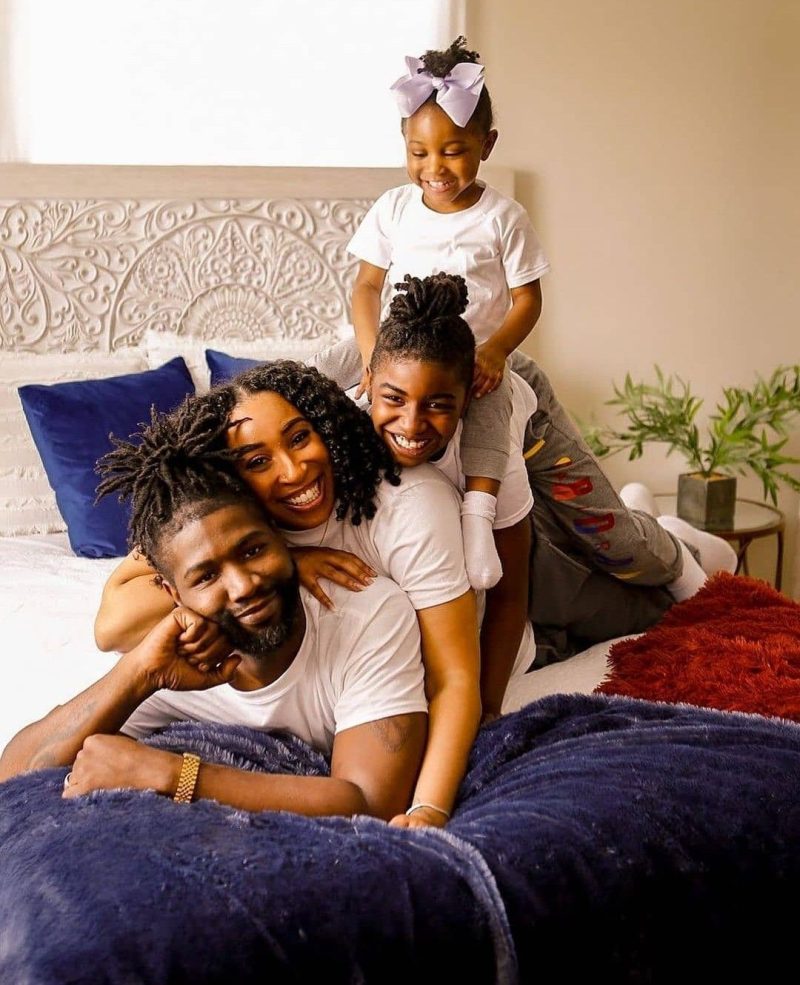
The home environment now plays a central role in child development.
Spaces are calmer. Screens are managed. Meals are intentional. Bedtimes are respected. Routines are protected.
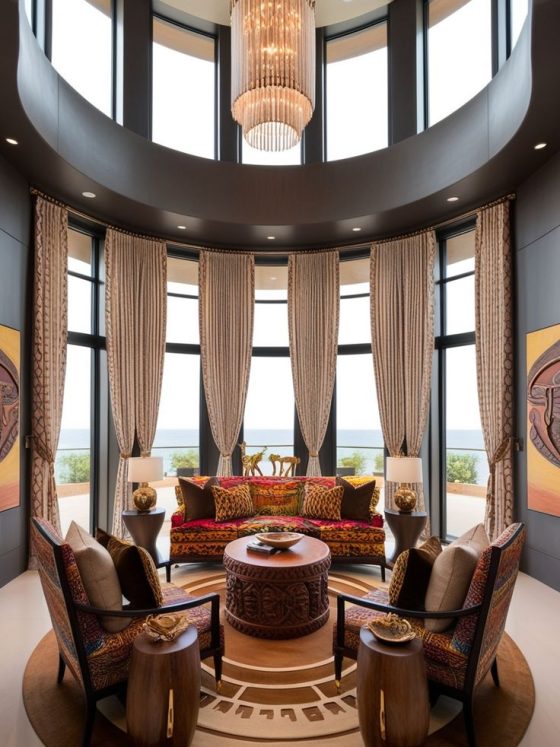
Design choices reflect this shift. Open living areas support conversation. Quiet corners allow reflection. Children are given autonomy within structured environments.
Home is no longer just a place to return to. It is where values are reinforced daily.
Redefining Discipline and Authority
Authority has not disappeared. It has evolved.
Parents are asserting leadership without intimidation. Rules are explained, not imposed arbitrarily. Discipline focuses on understanding behaviours rather than suppressing them.
This does not mean children control households. It implies authority is exercised with consistency and respect.
Children raised within this framework learn responsibility early. They understand limits. They trust guidance.
Technology, Exposure, and Boundaries
Modern parenting is inseparable from digital life.
Rather than banning technology entirely, parents are setting boundaries around usage, content, and purpose. Screens are tools, not babysitters.
Exposure is guided. Conversations accompany content. Children are taught discernment rather than restriction alone.
The goal is literacy, not isolation.
Community, Culture, and Identity
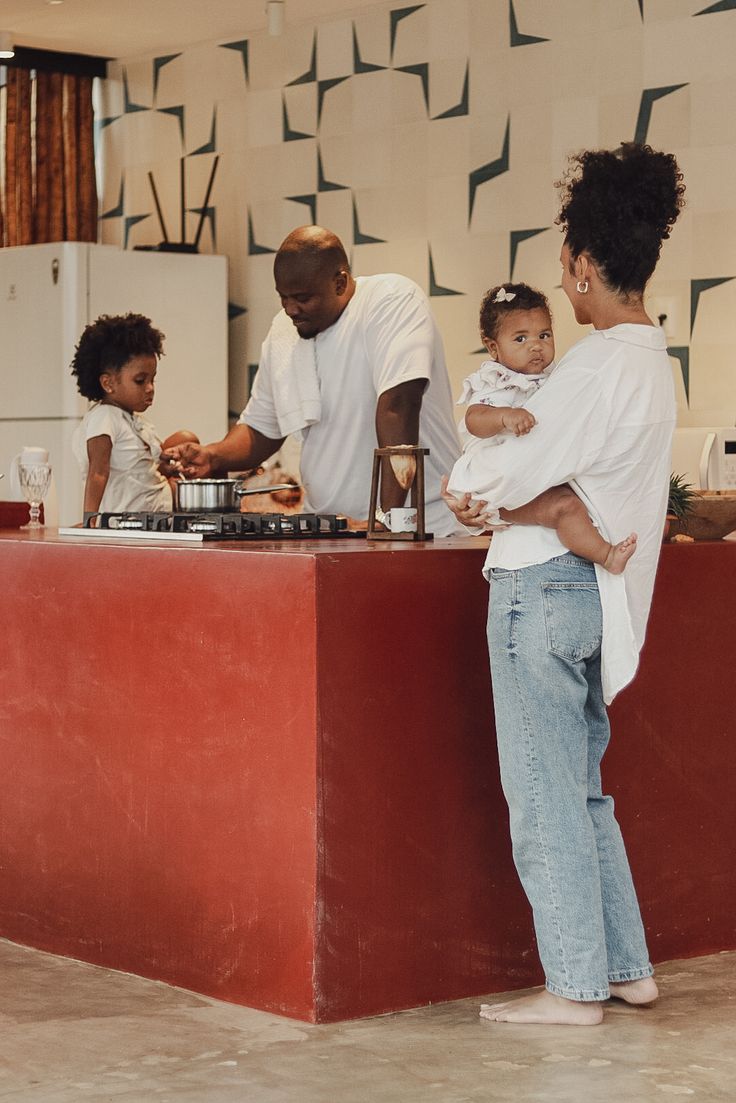
While parenting has become more global in influence, it remains grounded.
Parents are intentional about language, tradition, and social context. Children are taught where they come from without being confined by it.
Identity is framed as something lived, not performed. Culture is integrated naturally through food, stories, relationships, and values.
Children grow up with both confidence and context.
What This Shift Is Producing
The results are already visible.
Children raised in this environment tend to be articulate, observant, and emotionally aware. They are comfortable in conversation. They ask questions. They adapt quickly.
Parents are more present. Family life feels less reactive and more grounded.
Parenting, in this sense, is no longer survival. It is stewardship.
The Long View of Parenting
This new era is not about perfection. It is about sustainability.
Parents are thinking long-term about how children handle failure and how they relate to others. How do they manage pressure? What is their definition of success?
The focus has moved from control to preparation.
Parenting has become less about authority in the moment and more about influence over time.
Read also:
- The New Menswear Renaissance: How Tailoring Defines Modern Style
- 10 Women Leading Global Media: Redefining Journalism and Entertainment
A More Conscious Way to Raise the Next Generation
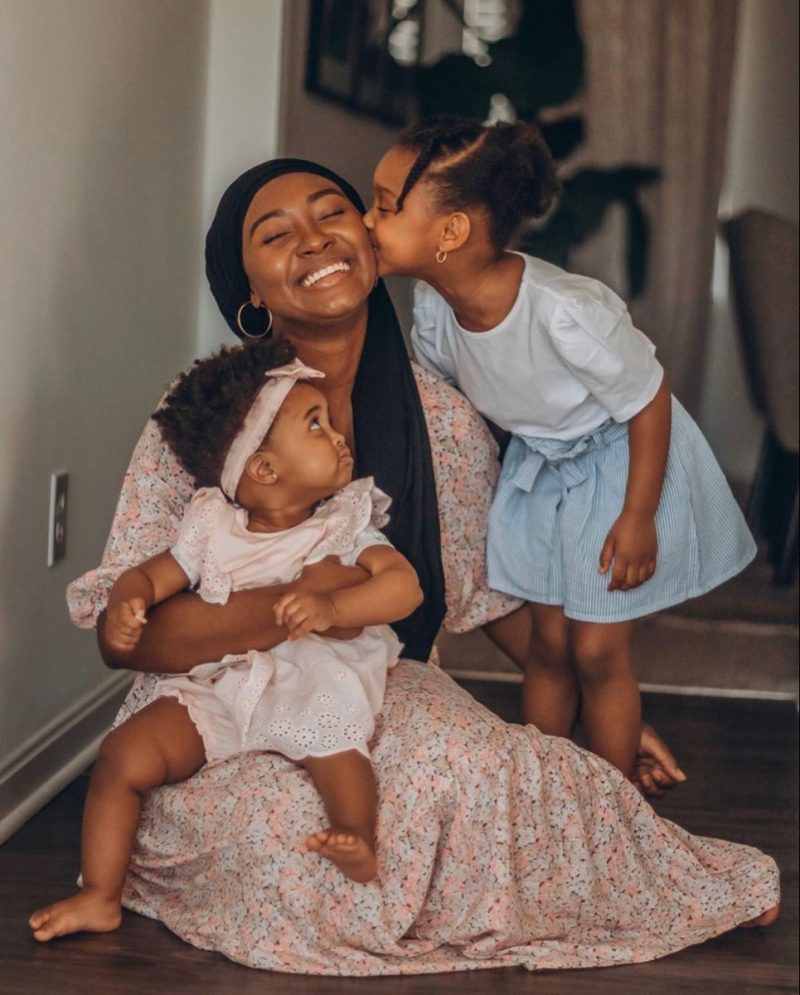
Raising children differently does not mean rejecting the past. It means choosing deliberately.
This era of parenting is quieter, more intentional, and deeply considered. It reflects a belief that how children are raised shapes not only families but also societies.
And that belief is changing everything.
FAQs
- What defines modern parenting today?
Intentional routines, emotional awareness, and lifestyle-led decision-making.
- Is this parenting style permissive?
No. It combines empathy with structure and accountability.
- How is education viewed differently now?
Education is now viewed as holistic development, not just academic performance.
- What role does home play in modern parenting?
Home is treated as the foundation for learning, values, and emotional safety.
- Is this approach limited to urban families?
No. It reflects broader shifts influenced by exposure, access, and evolving values.