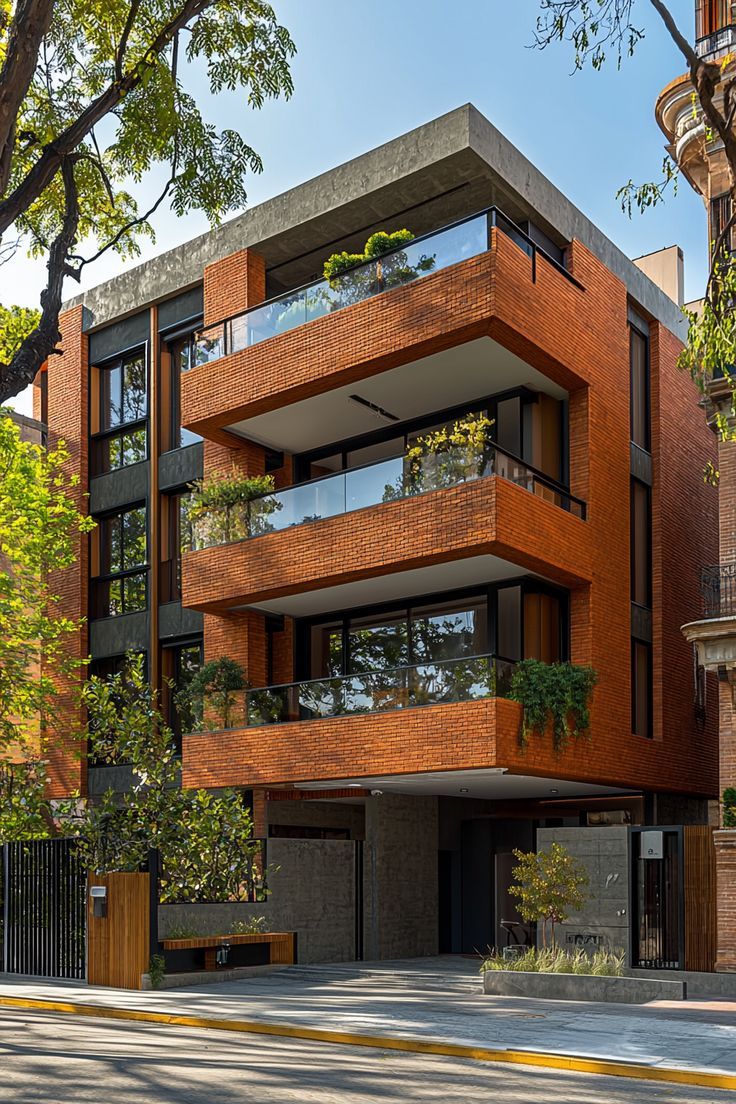
In Nairobi, something quiet but meaningful is happening. Balconies that once held little more than chairs or unused storage are being put to work. A few pots of herbs, a line of greens, a small tomato plant reaching for the sun. These small choices are changing how people relate to their homes and to the city around them.
For many residents, balcony gardening is not about trends or perfection. It is about fresh food within reach, lower grocery bills, and a sense of control in a fast-moving urban environment. It draws on familiar habits many grew up with, in which something was always planted somewhere, even when space was limited. Now, that mindset is finding its place in modern apartments and high-rise living.
This shift reflects a broader way of living in Nairobi today. People are choosing intention over excess and practicality over show. Balcony gardens fit naturally into this rhythm, offering a simple way to live more sustainably while staying connected to culture, climate, and everyday life in the city.
From urban balconies to sustainable lifestyles, this guide explores how Nairobi residents grow food, embrace ethical living and redefine modern African city life
The Urban African City as a Growing Space
Nairobi sits at a unique intersection of tradition and modernity. Historically, food cultivation has been central to Kenyan households, even in peri-urban settings. Today, that heritage is resurfacing within apartment blocks and gated estates. Balcony gardening allows city dwellers to reconnect with the land without leaving the city, echoing rural practices through an urban lens.
This practice reflects a broader African narrative where innovation often emerges from constraint. Limited space encourages vertical gardens, container planting, and efficient water use. The result is not improvisation but refinement. Every pot is deliberate. Every plant has a purpose.
Designing with Intention and Restraint
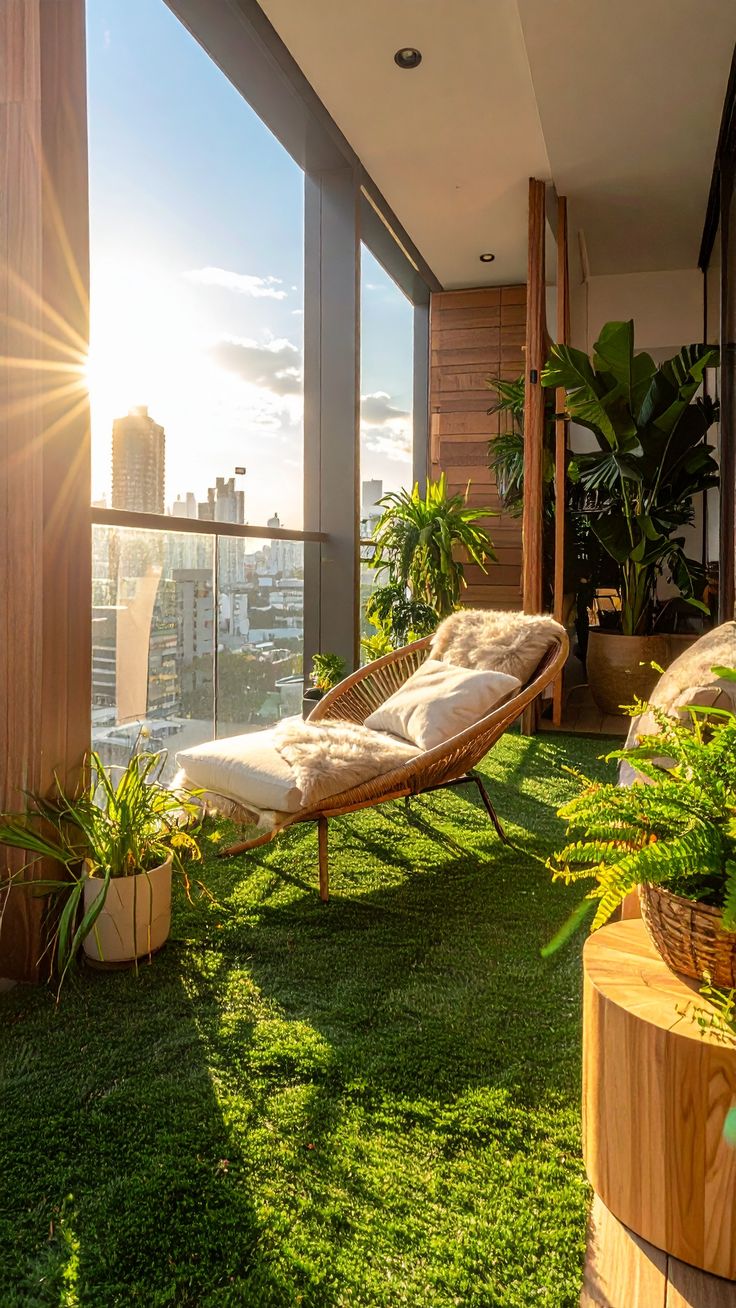
A successful balcony garden begins with observation. Sunlight patterns, wind exposure, and structural limits inform what can thrive. Nairobi’s climate allows for a wide range of crops, particularly leafy greens and herbs that mature quickly and require minimal intervention.
Containers are chosen not just for function but for form. Terracotta, woven baskets lined with waterproofing, recycled wood boxes, and neutral grow bags reflect a preference for understated beauty. This space is where cultural craftsmanship meets modern design. The garden becomes part of the home’s visual language, aligned with a lifestyle that values simplicity and depth over excess.
What Grows Well in Nairobi Balconies
Balcony gardens in Nairobi favour plants that reflect everyday Kenyan cooking while accommodating global tastes. Sukuma wiki, spinach, and amaranth coexist with basil, rosemary, and cherry tomatoes. These choices are practical, familiar, and adaptable.
Microgreens and seedlings add a contemporary layer, appealing to a generation influenced by global wellness culture and plant-forward diets. They grow fast, require little space, and deliver high nutritional value. In this way, the balcony becomes both pantry and statement, blending local food culture with global health consciousness.
Sustainability as a Daily Practice
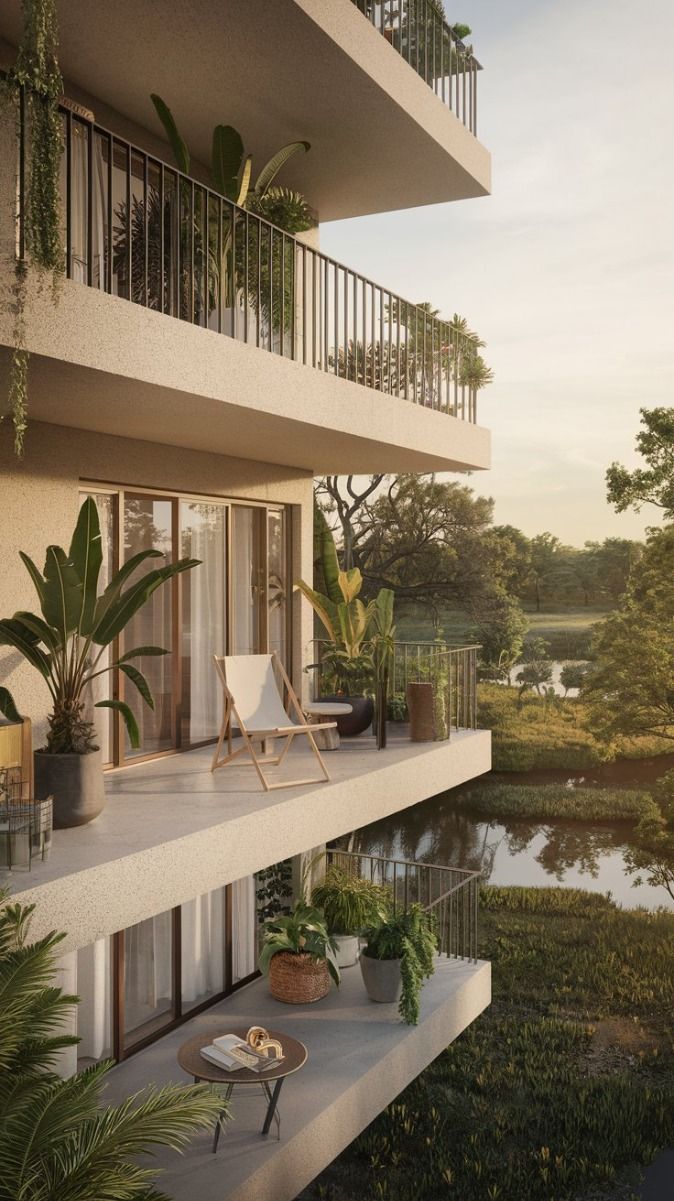
Water scarcity and climate variability have made sustainable gardening non-negotiable. Nairobi balcony gardeners often adopt low-waste systems, such as self-watering containers, drip irrigation using reused bottles, and rainwater harvesting during wet seasons.
Organic composting, even on a small scale, closes the loop. Kitchen waste returns to the soil, reducing household waste while enriching plant health. These practices are quiet but powerful expressions of ethical living. Sustainability here is not performative. It is integrated, lived, and practical.
Read Also:
Innovation Without Excess
While some gardeners explore hydroponics and soilless systems, the Nairobi approach remains grounded. Technology is welcomed when it serves efficiency, not novelty. Simple moisture meters, lightweight trellises, and modular vertical systems allow gardeners to scale without losing control.
This balance reflects a broader African innovation ethos, where solutions are adaptable, cost-aware, and rooted in real needs. The balcony garden becomes a testing ground for ideas that respect both environment and economy.
Lifestyle, Identity, and the African Diaspora
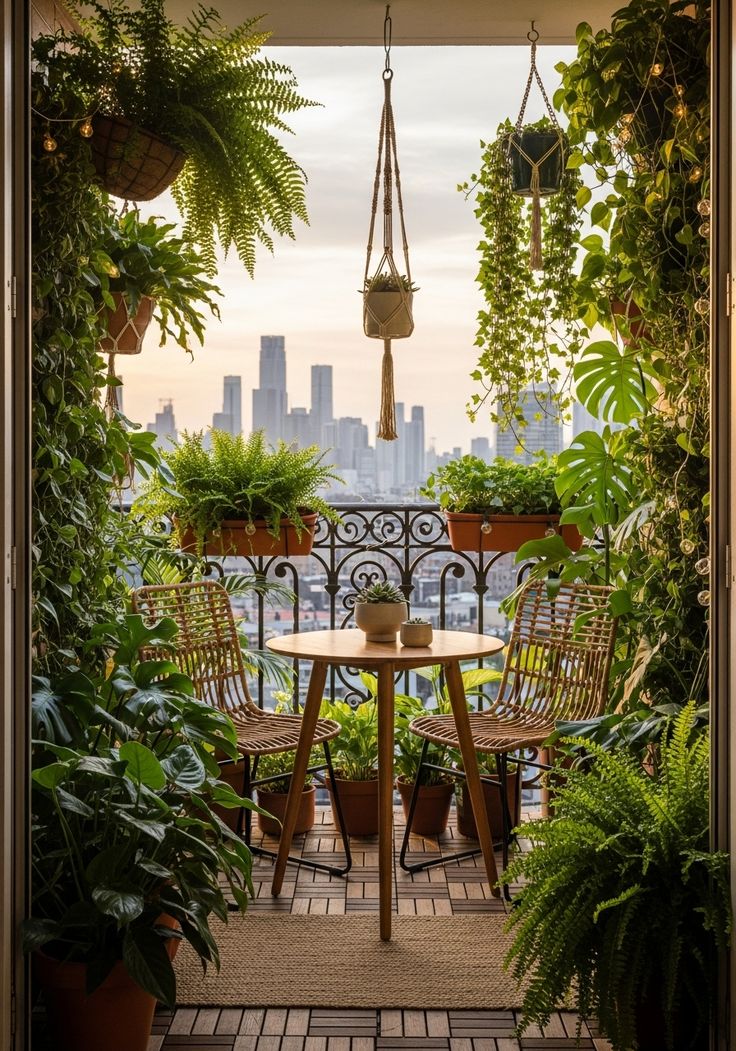
Urban gardening in Nairobi resonates strongly with diaspora narratives. For many Africans globally, growing food is a way to maintain cultural continuity. In Nairobi, this connection is immediate. The balcony garden becomes a personal archive of memory, taste, and identity, while remaining open to global influence.
It also redefines modern luxury. To grow your own food, however modestly, signals autonomy, awareness, and care. It suggests a lifestyle that values longevity over display and intention over speed.
Conclusion
The Nairobi Green Revolution is not about transforming cities into farms. It is about restoring balance. Balcony gardening offers a way to live deliberately within urban density, honouring African agricultural heritage while embracing contemporary design and sustainability.
Each balcony garden tells a story of adaptation, resilience, and refinement. Together, they form a quiet movement reshaping how Nairobi lives, eats, and imagines the future. In these small green spaces, the city grows not outward, but inward, cultivating a more thoughtful and sustainable way of life.
FAQs
- Can balcony gardening work in small Nairobi apartments?
Yes. With vertical planters and containers, even the smallest balcony can support herbs and leafy greens.
- How much sunlight do balcony plants need?
Most edible plants require 4 to 6 hours of direct sunlight daily. Observation is key before planting.
- Is balcony gardening expensive to start?
No. Many gardeners begin with recycled containers, bare soil, and seedlings, expanding gradually.
- What is the most beginner-friendly plant to grow?
Sukuma wiki, spinach, and basil are resilient, fast-growing, and well-suited to Nairobi’s climate.
- How does balcony gardening support sustainability?
It reduces food miles, cuts household waste through composting, conserves water, and promotes mindful consumption.