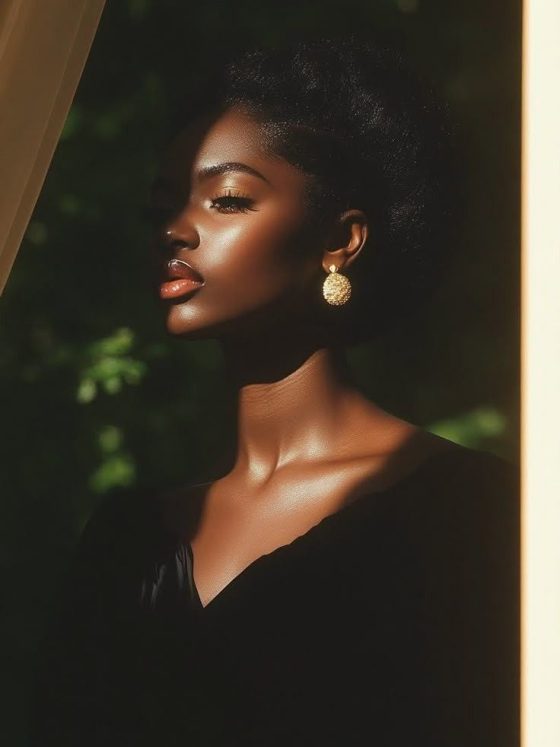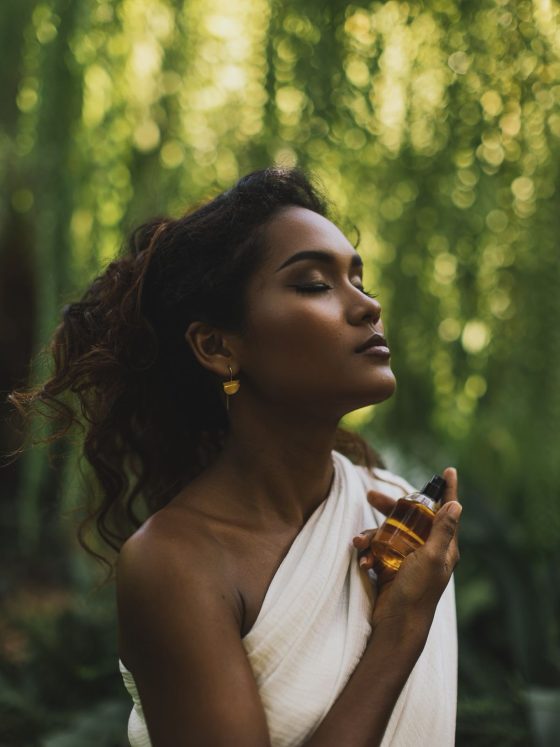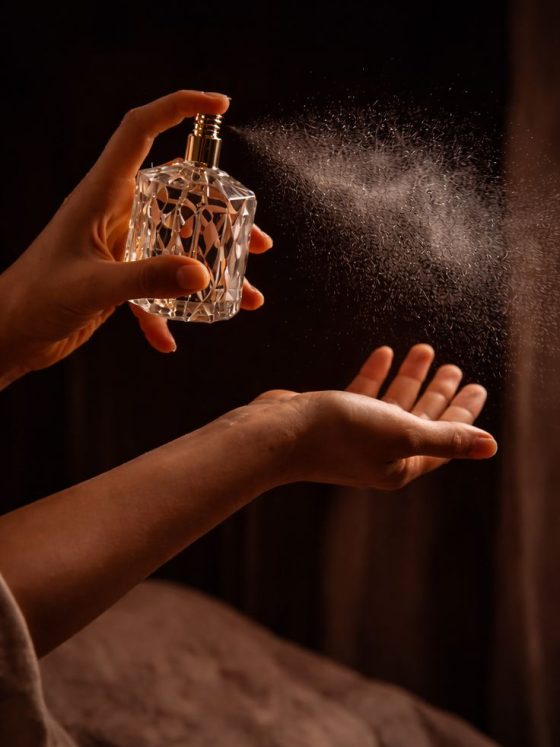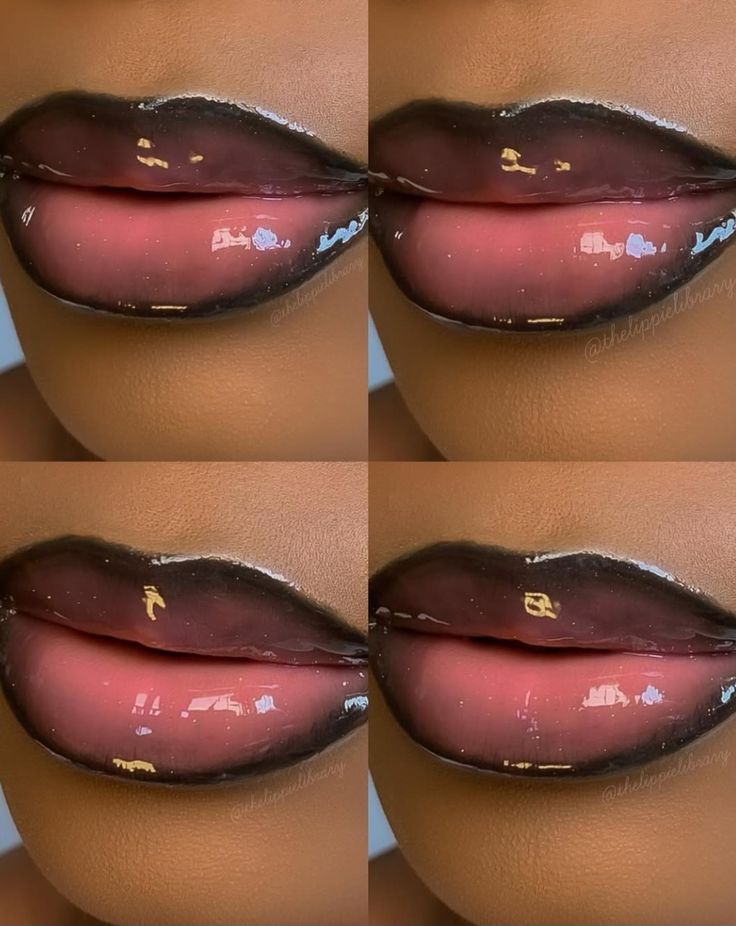
On a busy Lagos morning, before the traffic fully settles into its daily chaos, there is a quiet ritual happening in mirrors across the city. A swipe of lipstick. A laid wig. A careful blend of powder under harsh bathroom lighting.
It would be easy to read this as routine. Or even vanity.
But in times of economic pressure, these small acts take on a different meaning. They become deliberate. Calculated. Necessary.
Economists call this pattern the lipstick effect—the tendency for beauty spending to remain steady or even rise when economies struggle. But that definition only scratches the surface. It explains what happens, not why it matters.
Because in reality, beauty during uncertainty is not about indulgence. It is about control, visibility, and, in many cases, survival.
From global downturns to Lagos streets, the lipstick effect reveals beauty as survival power identity and strategy, not vanity.
The Pattern: Small Spending, Big Meaning
Across different crises—from the Great Depression to the 2008 financial collapse—people have consistently cut back on large luxuries while holding onto smaller ones like cosmetics.
The logic is simple. When bigger dreams feel out of reach, smaller pleasures become substitutes.
But this is not just about replacing a designer bag with a lipstick. It is about maintaining a sense of self when financial instability threatens to shrink it.
A lipstick is affordable. But what it restores, confidence, presence, identity, is not.
Why Beauty Persists When Money Fails
To understand the lipstick effect, you have to move beyond economics into human behaviour.
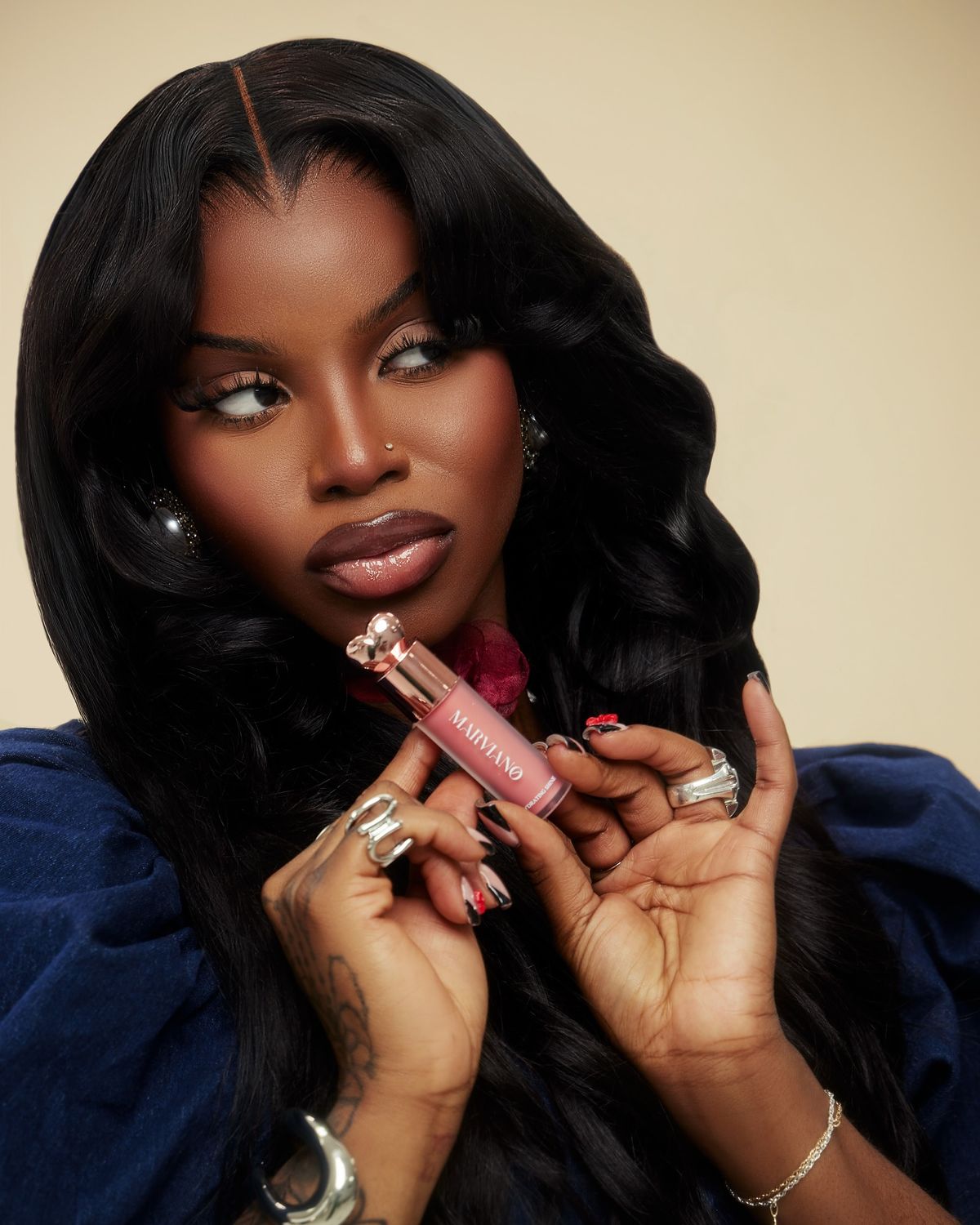
In uncertain times, people look for control. Beauty offers one of the fastest ways to achieve it. You cannot fix inflation overnight, but you can fix your appearance in minutes.
More importantly, appearance shapes perception. And perception shapes opportunity.
In competitive environments, especially during downturns, how you present yourself can influence:
- Hiring decisions
- Client trust
- Social mobility
So the decision to invest in beauty is rarely random. It is strategic.
The African Context: Beauty as Economic Language
What global theories often miss is how deeply practical beauty is in African cities.
In Lagos, beauty is not detached from daily life. It is woven into how people are seen, judged, and valued.
Looking polished can determine whether:
- A vendor attracts customers
- A job seeker is taken seriously
- A creative is perceived as premium
This is not about excess. It is about alignment with expectation.
Hair, in particular, carries layered meaning. Braids, wigs, natural styles—they are not just aesthetic choices. They reflect history, class, and identity. They signal belonging or distinction.
So when women spend on hair or makeup during hard times, they are not escaping reality. They are responding to it in the most visible way possible.
Beauty as Work, Not Just Expression
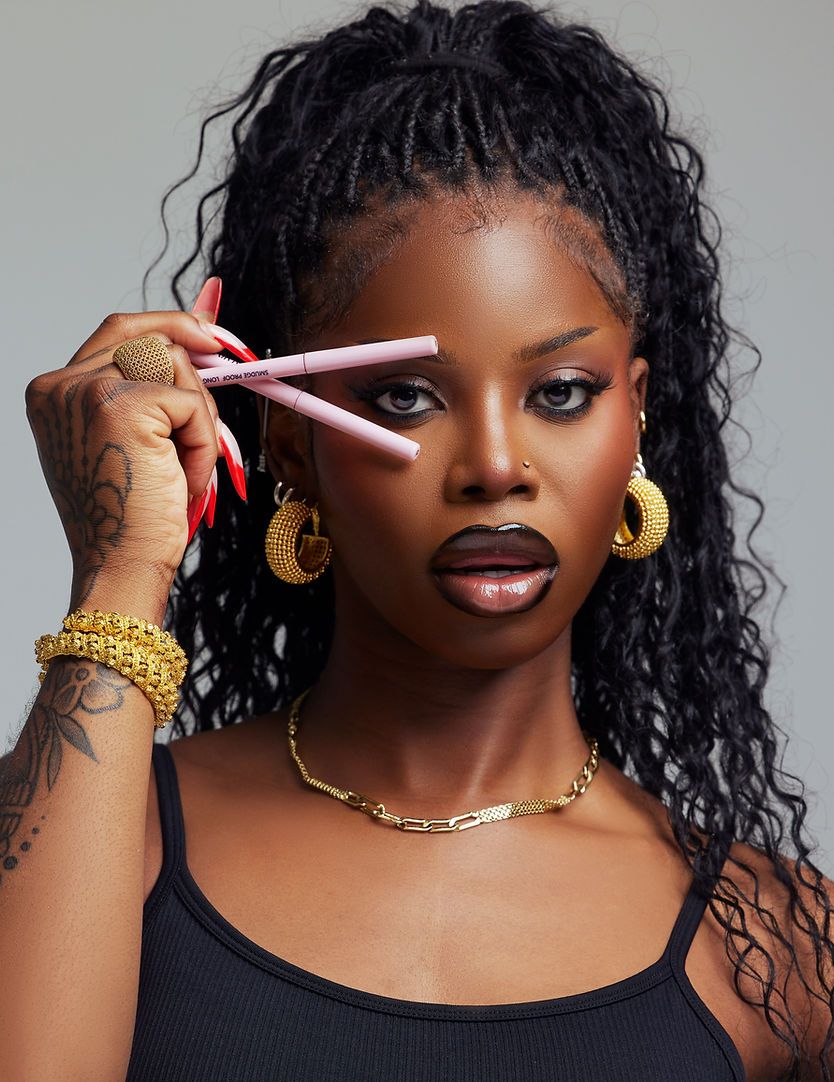
There is also a truth that is often avoided in conversations about beauty: it is labour.
For many women, especially in competitive economies, maintaining a certain look is part of staying relevant. It is unpaid work that produces real outcomes.
During economic downturns, this pressure increases.
Fewer opportunities mean tighter competition. And tighter competition raises the stakes of presentation.
This is why the lipstick effect is gendered. It reflects not just preference, but expectation.
READ ALSO:
Who Benefits: The Invisible Economy Behind Beauty
The story does not end with the consumer.
Beauty spending sustains entire ecosystems:
- Wig makers
- Makeup artists
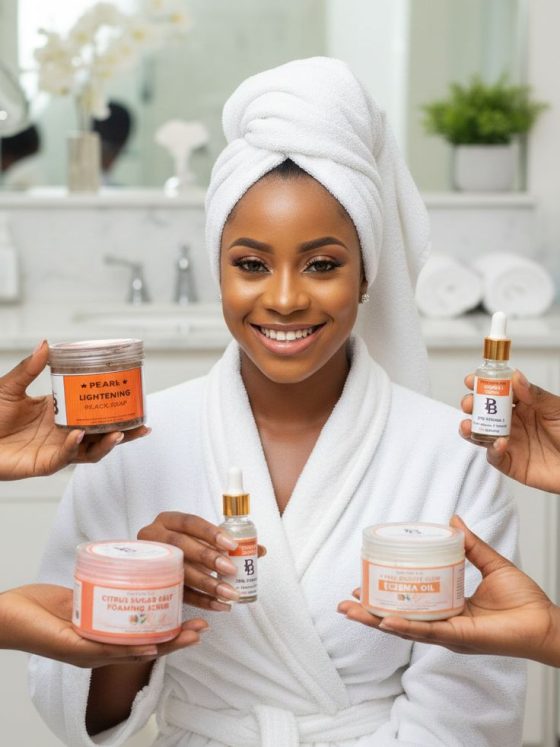
- Skincare vendors
- Salon owners
Many of these businesses are run by women and operate within informal economies that rarely receive formal recognition.
So when beauty spending continues during economic hardship, it quietly supports livelihoods.
It keeps money circulating in communities where other sectors may be slowing down.
In this sense, the lipstick effect is not just about individual behaviour. It is about collective resilience.
Redefining Luxury in Real Terms
Western definitions often frame luxury as expensive and excessive. But in contexts shaped by economic instability, luxury becomes something else entirely.
Luxury becomes:
- The ability to show up confidently
- The discipline to maintain self-worth
- The choice to invest in appearance despite uncertainty
A simple lip gloss can carry the weight of what a luxury handbag represents elsewhere—status, intention, and presence.
This reframing matters because it shifts beauty from being dismissed as superficial to being understood as functional.
The Deeper Meaning: Visibility as Power
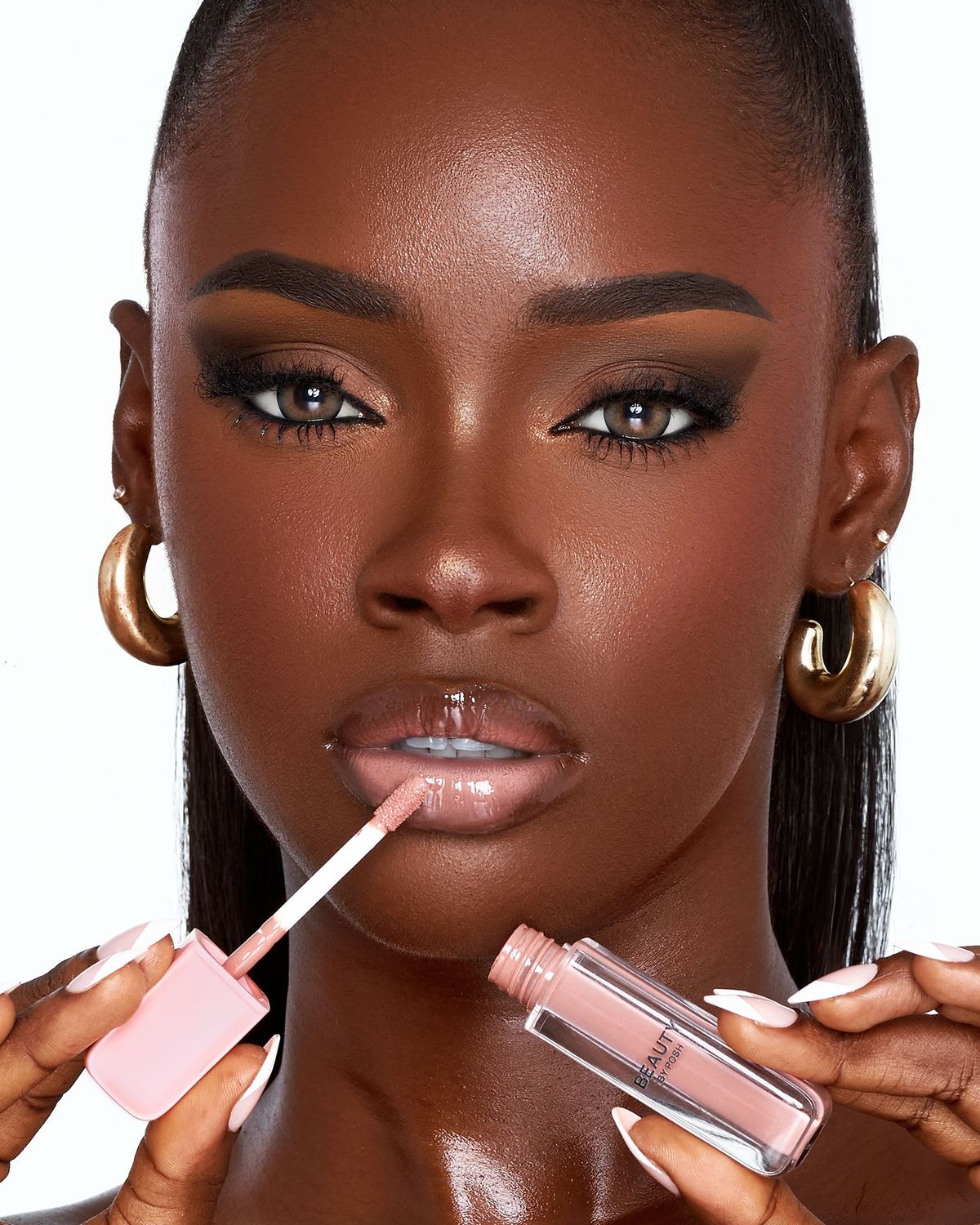
At its core, the lipstick effect reveals a deeper truth.
People invest in beauty when being seen matters.
During the COVID period, when masks reduced visibility and social interaction declined, beauty spending dropped. Not because people stopped caring, but because the need to be seen changed.
Visibility is tied to value. And beauty is one of the tools used to secure it.
Conclusion
The lipstick effect is often treated as a curious economic habit. But it is more than that.
It is a reflection of how people adapt when systems fail them.
In African cities, where opportunity is often negotiated through perception, beauty becomes a form of strategy. A way to hold ground. A way to signal readiness. A way to remain visible in a world that can easily overlook you.
So the next time someone frames beauty spending during hard times as unnecessary, they miss the point.
It is not about looking good for the sake of it.
It is about staying seen, staying competitive, and, in many cases, staying afloat.
FAQs
1. What is the lipstick effect in simple terms?
It is the tendency for people to keep buying small beauty items during economic downturns instead of larger luxury goods.
2. Why does beauty spending increase during tough times?
It offers a sense of control, boosts confidence, and helps people maintain their social and professional image.
3. Is the lipstick effect the same everywhere?
No. In places like Lagos, beauty is more closely tied to opportunity and income, making it more strategic than emotional.
4. Does this mean beauty is a necessity?
In many contexts, yes. It functions as a tool for visibility, perception, and access to opportunities.
5. What does this say about society?
It shows that appearance is deeply linked to value, and that people adapt their spending to protect how they are seen when circumstances become unstable.