In Lagos, subtlety rarely commands a room.
The city moves loudly, with traffic, colour, ambition, music, and light. It is not a place that rewards visual hesitation. And increasingly, its fashion reflects that rhythm.
Silhouettes are expanding.
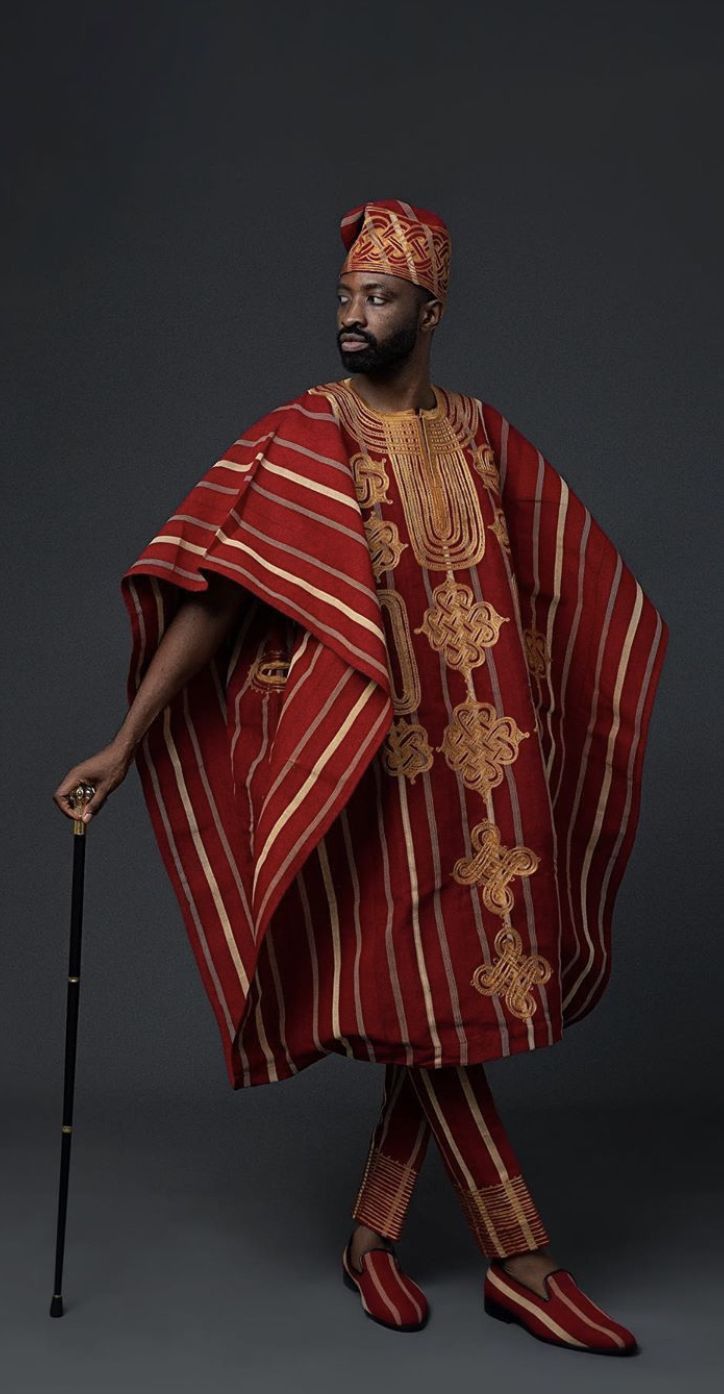
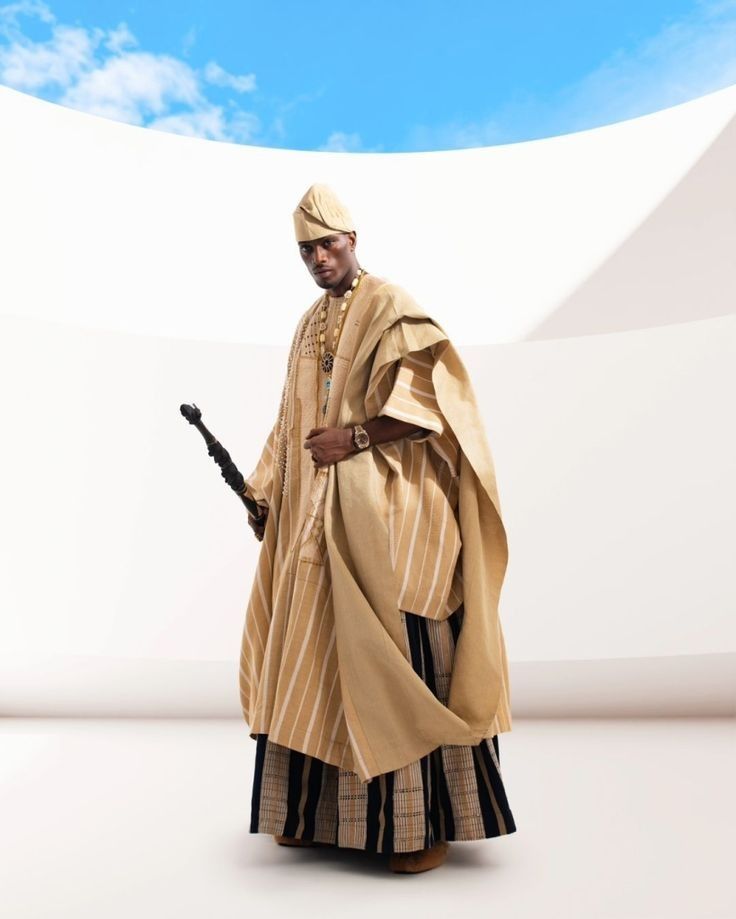
Agbadas are cut wider. Sleeves fall longer. Trousers puddle intentionally. Boubous glide across marble floors in private lounges and wedding halls. Even contemporary tailoring shows generosity, pleats, drapes, and exaggerated shoulders.
In Lagos, volume is not excessive.
It is an authority.
Exploring how expansive agbadas and dramatic silhouettes in Lagos signal a new status symbol rooted in culture and scale.
Scale as Social Language
Across history, scale has communicated status.
Royal robes were large. Court garments required space. Structured uniforms expanded the body to amplify presence. Volume alters perception; it enlarges silhouette, slows movement, and commands visual attention.
In Lagos, that language feels intuitive.
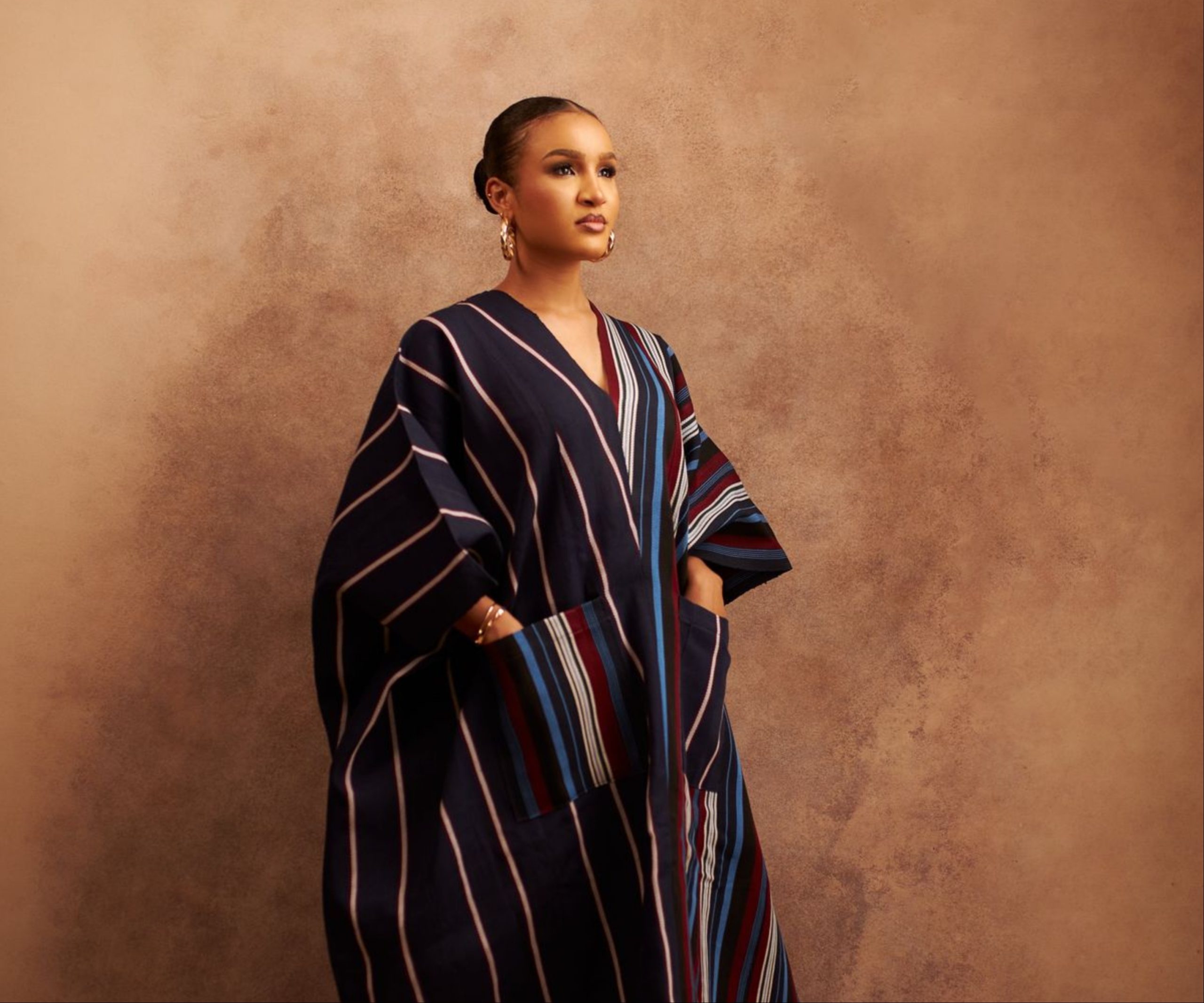
The structured agbada, once confined to traditional ceremonies, has reentered elite social life as a contemporary statement of power. Cut in silk, aso-oke, or handwoven cotton, it transforms the body into architecture.
The wearer does not chase attention.
He occupies it.
The Agbada Reimagined
The modern Lagos agbada is not shapeless. It is engineered.
Designers are experimenting with:
- Sharper embroidery placement
- Monochrome palettes (ivory, charcoal, deep wine)
- Heavier fabric that holds structure
- Layered under-tunics for depth
The effect is sculptural. Masculine without rigidity. Cultural without nostalgia.
Worn by entrepreneurs, politicians, and creatives alike, the agbada becomes both a heritage garment and a high-fashion uniform.
Volume here is strategic.
Women and Expansive Elegance
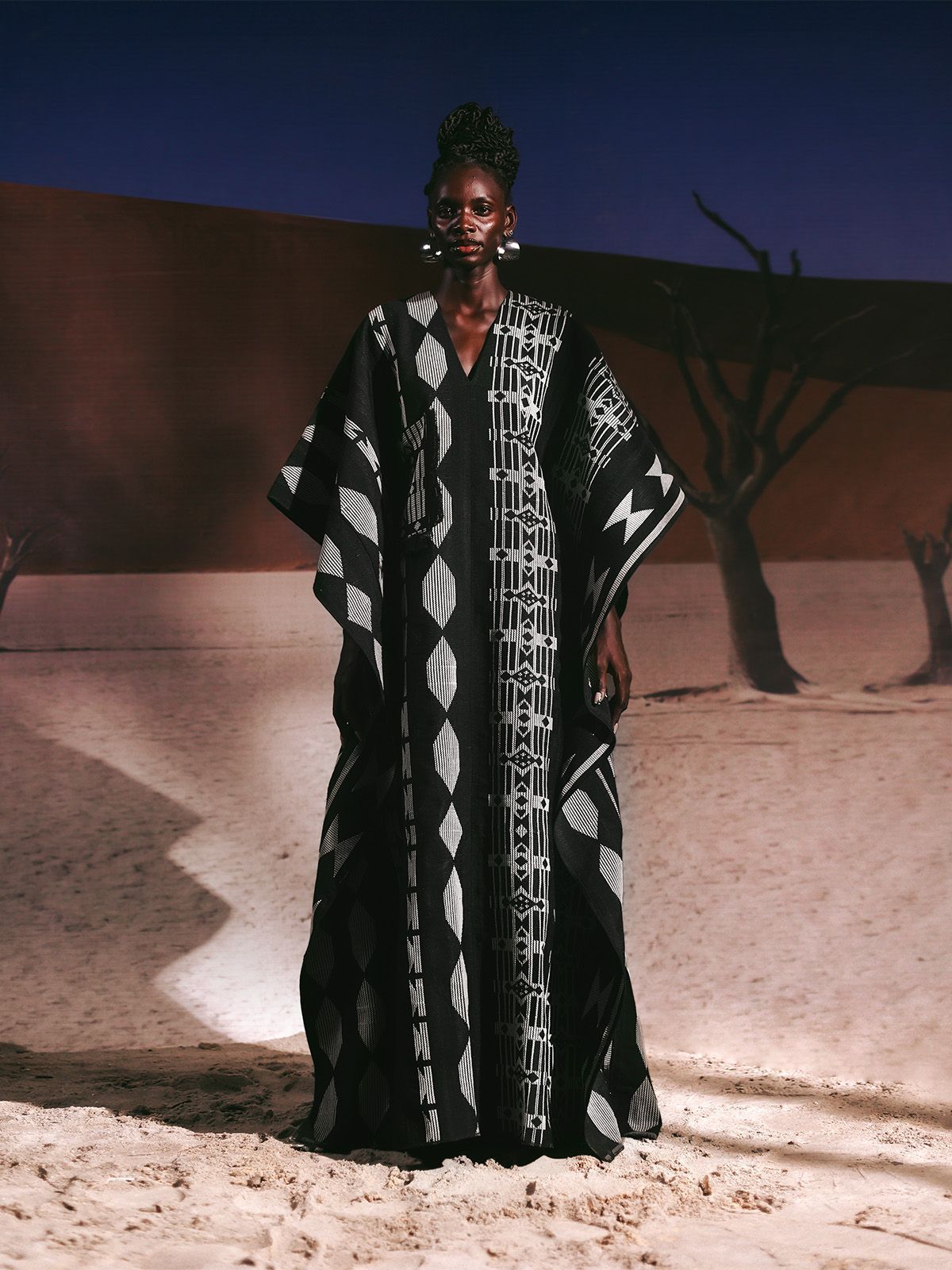
The Lagos silhouette is not limited to menswear.
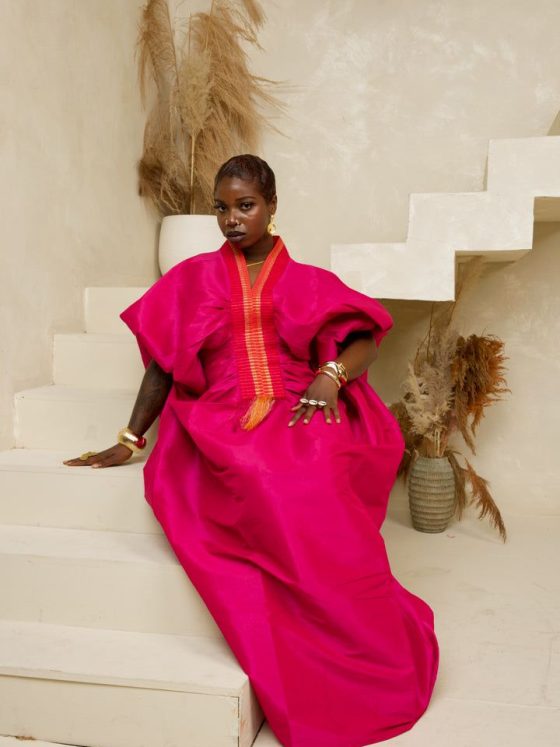
Women are embracing wide-sleeved kaftans, dramatic gele headwraps, flared skirts, and layered fabrics that create movement. Structured iro and buba sets are being modernised with bolder proportions and refined tailoring.
Volume creates drama without relying on exposure. It signals wealth through fabric quantity and construction complexity rather than skin.
In a digital era where miniskirts dominate global feeds, Lagos fashion chooses presence instead.
Against the Era of Tight Minimalism
For years, global fashion centred on sleek minimalism — slim tailoring, muted tones, body-conscious silhouettes — favoured restraint and understatement.
Lagos resists that compression.
Volume allows air, movement, and theatricality. It also reflects the climate with loose garments that breathe in tropical heat. Beyond practicality, they also express cultural memory.
In Yoruba dress traditions, the abundance of fabric has long symbolised prosperity. More cloth historically indicated a higher status. That logic persists.
Abundance is visual.
The Economics of Fabric
Volume is not accidental.
Generous cuts require more material, more tailoring skill, and more financial investment. A wide agbada in premium aso-oke requires resources across weaving and finishing.
In that sense, volume becomes a subtle economic signal.
But unlike logo-driven luxury, the signal is cultural rather than corporate. It references local craftsmanship rather than imported branding.
The message is clear: wealth can be articulated through tradition.
Movement as Performance
There is also choreography embedded in the Lagos silhouette.
Wide garments move differently. Sleeves ripple. Fabric sways when greeting, when dancing, when entering a hall. The body becomes a stage.
In wedding culture, especially, entrances matter. Processions matter. The celebration is theatrical.
Volume amplifies gesture.
It slows the pace slightly, forces posture, and demands spatial awareness.
Power is partly about how you move through space.
A City That Rewards Presence
Lagos is competitive. Creative industries are saturated with talent. Visibility matters.
Fashion becomes a tool.
A structured, expansive silhouette ensures recognition. It photographs powerfully. It occupies physical and digital space with equal confidence.
Where minimalism whispers, Lagos volume declares.
RECOMMENDED:
- Caftan Reimagined: How Morocco Turned a Ceremonial Garment into Everyday Luxury
- How Ohimai Atafo is Shaping Modern African Menswear
The Future of the Lagos Silhouette
The evolution is ongoing.
Younger designers are blending traditional volume with contemporary cuts — pairing wide trousers with cropped jackets, layering agbadas over tailored suits, experimenting with sheer overlays.
The silhouette expands but refines.
Volume no longer means heaviness. It means intention.
Beyond Trend
Is this simply a fashion cycle?
Perhaps partially. But in Lagos, scale runs deeper. It reflects cultural values — celebration, hierarchy, craftsmanship, and community.
Volume is not rebellion against minimalism.
It is an affirmation of identity.
In a global fashion system that often equates quietness with sophistication, Lagos proposes another equation:
Presence equals power.
And power, in this city, is never small.
FAQs
- Why is volume important in Lagos fashion?
Volume signals status, prosperity, and presence, reflecting long-standing cultural traditions around fabric and scale.
- What is modern agbada?
A refined version of the traditional Yoruba robe, often tailored with structured embroidery and contemporary fabrics.
- Is this trend limited to menswear?
No. Women in Lagos are also embracing wide sleeves, layered fabrics, and expansive silhouettes.
- Does volume replace minimalism?
Not entirely, but it offers a culturally rooted alternative to the global slim-fit, minimalist aesthetic.
- Is Lagos influencing global fashion?
Increasingly, yes. Lagos designers and silhouettes are gaining international visibility through fashion weeks and celebrity styling.