Home no longer represents a pause between journeys. It has become the destination itself.
For a growing class of globally exposed individuals, luxury is no longer defined by constant movement or external validation. It is determined by where life slows, where routines feel intentional, and where identity is no longer performed but lived. Across cities, coastal towns, and culturally rooted urban centres, people are investing not just in their properties but also in their presence.
This shift is neither nostalgic nor sentimental. It is strategic. Home is being redesigned as a place of wellness, social life, creativity, and quiet confidence. It is where work blends into leisure, where design reflects personal values, and where lifestyle feels curated rather than rushed.
Luxury, currently, is not about leaving. It is about arriving.
Home is becoming the ultimate expression of luxury, where design, comfort, culture, and intentional living converge into a lifestyle worth returning to.
When Lifestyle Priorities Changed
For years, status was measured by distance travelled—stamps on passports. Cities conquered. A life lived in motion.
But something changed.
Global exposure created clarity rather than restlessness. After experiencing the world, many people began asking more profound questions: Where do I actually feel grounded? Where does life feel whole? The answer increasingly pointed inward, toward familiar cities, inherited cultures, and environments that offer emotional ease alongside modern infrastructure.
Home began to represent stability without stagnation. Home is a place where global taste and local rhythm can coexist harmoniously. Ambition no longer necessitates displacement.
This experience is not about retreating from the world. It is about choosing a base that supports a fuller life.
Home as a Curated Experience
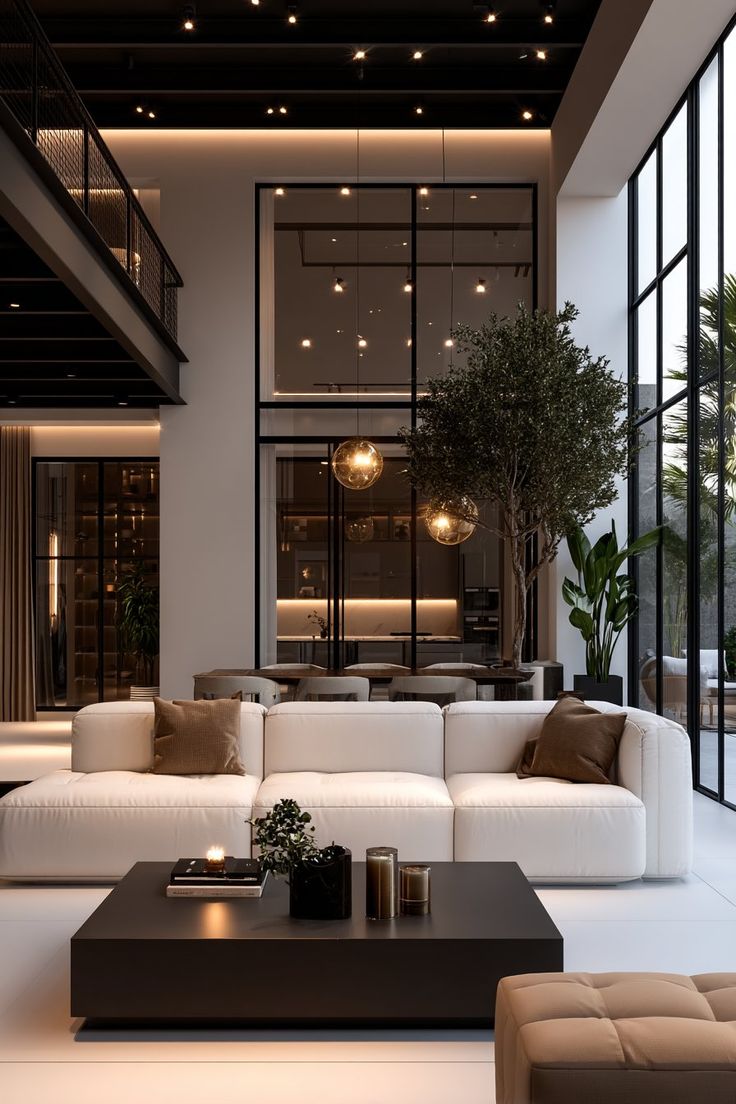
Today’s idea of home is intentional. It is not simply bought; it is designed.
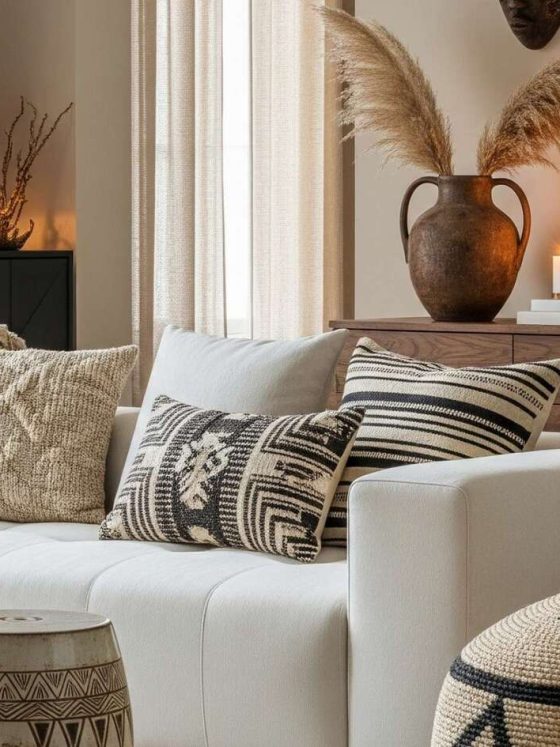
Interiors now reflect lifestyle philosophies. Living rooms double as creative studios. Kitchens become social hubs again. Outdoor spaces are treated as extensions of wellness and rest. Materials are chosen for how they feel, not just how they photograph.
Design has shifted from excess to meaning. Comfort has become intelligent. Technology is integrated quietly. Spaces are built to support rest, productivity, and community in equal measure.
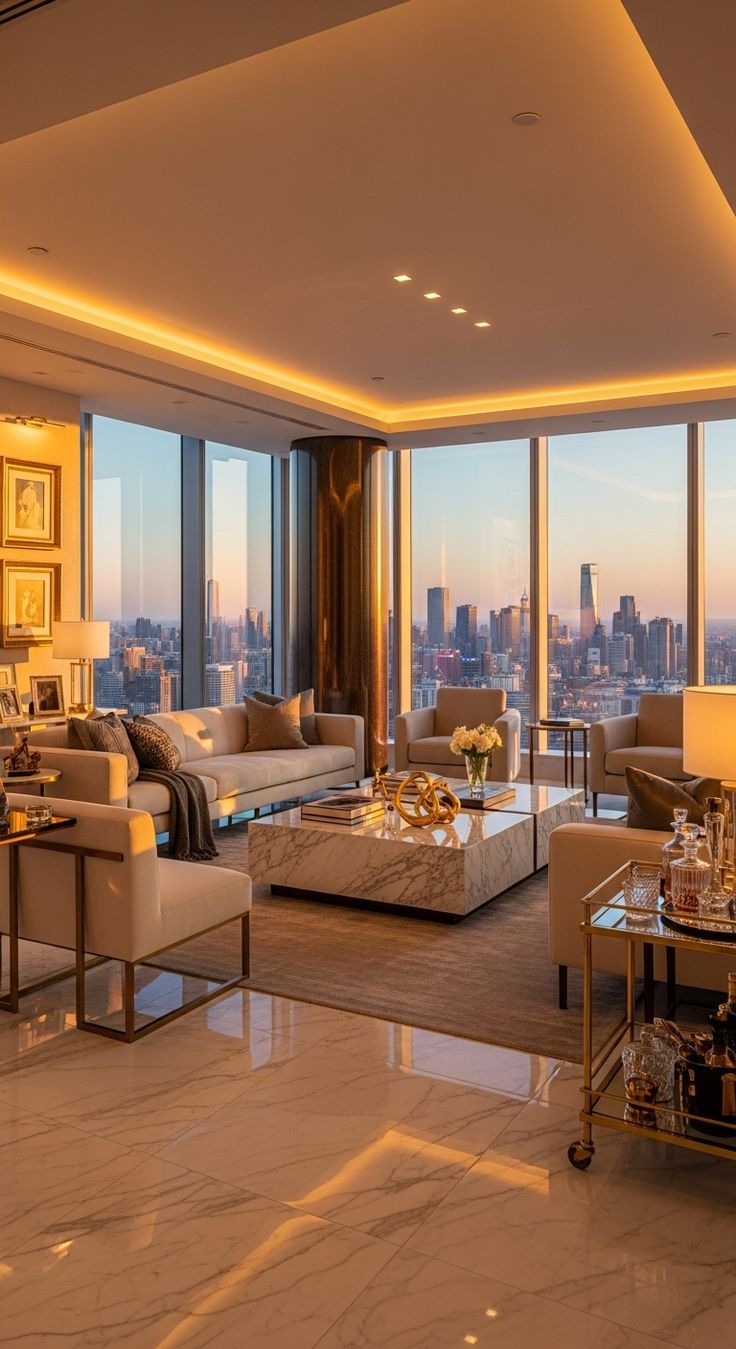
Luxury lives in details that last. Natural light. Airflow. Textures that age beautifully. Layouts that allow life to unfold without friction.
Home is no longer about square footage alone.
It is about how space supports living.
The Rise of Home-Centred Social Life
Another quiet change is reshaping lifestyle culture: social life has moved inward.
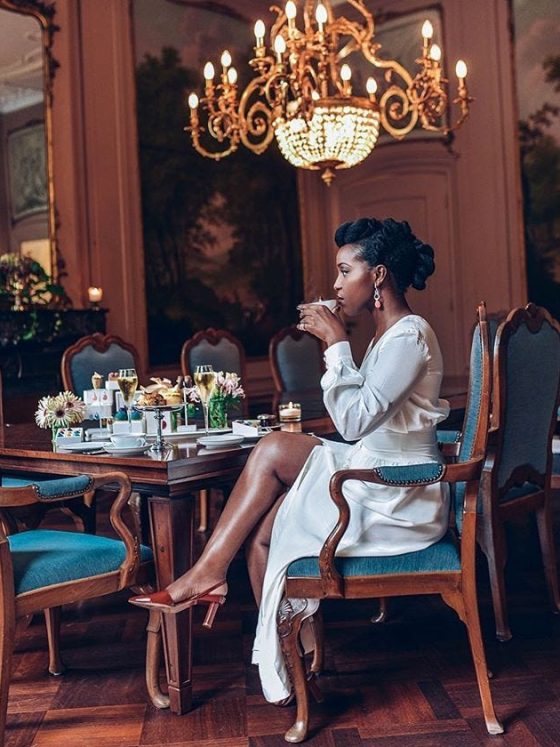
Private dinners now rival public outings. Hosting has become a form of expression. Tables are styled with care. Food is slow, intentional, and shared. Music plays softly. Conversations linger.
Home offers control over atmosphere, pace, and privacy. It allows people to gather without performing. To celebrate without spectacle. It enables people to connect without any distractions.
This shift does not reject public life. It rebalances it.
Home has become the most exclusive address because it is inherently selective.
Work, Creativity, and the Reinvention of Space
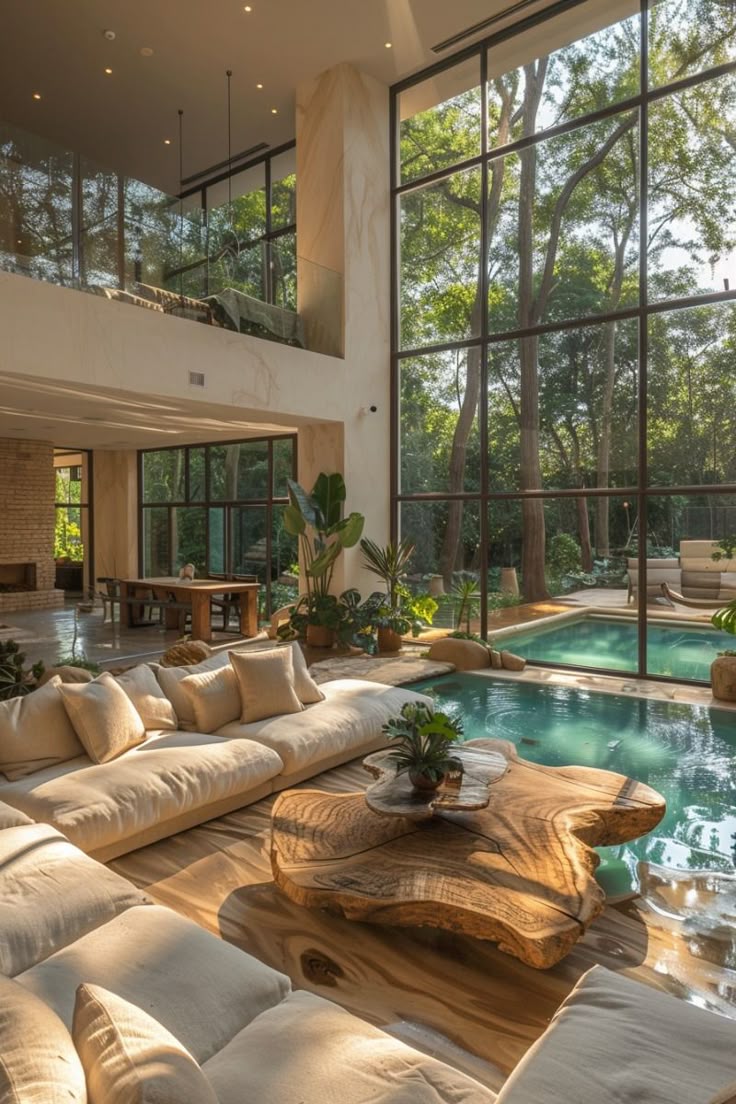
Remote work did more than change schedules. It redefined how people relate to places.
Living spaces are now designed to hold ambition. Home offices are treated with the same care as boardrooms. Corners are carved out for thinking, planning, and creating.
Entrepreneurs, creatives, and professionals build strategies and test ideas quietly at home before releasing them publicly.
The line between professional and personal life has softened but not blurred. Instead, it has become more honest.
Luxury now includes the freedom to work where life feels aligned.
Why “Coming Home” Feels Different Now
Returning home no longer feels like a compromise.
Cities once considered temporary stops are being rediscovered as lifestyle capitals in their own right. They offer cultural depth, evolving infrastructure, strong creative communities, and a sense of belonging that global hubs often lack.
What makes this moment different is choice.
People are not returning because options are limited. They are returning because options are abundant, and home finally competes on every level that matters: quality of life, access, community, and cultural relevance.
Home is no longer a fallback. It is a first choice.
Luxury Without Performance
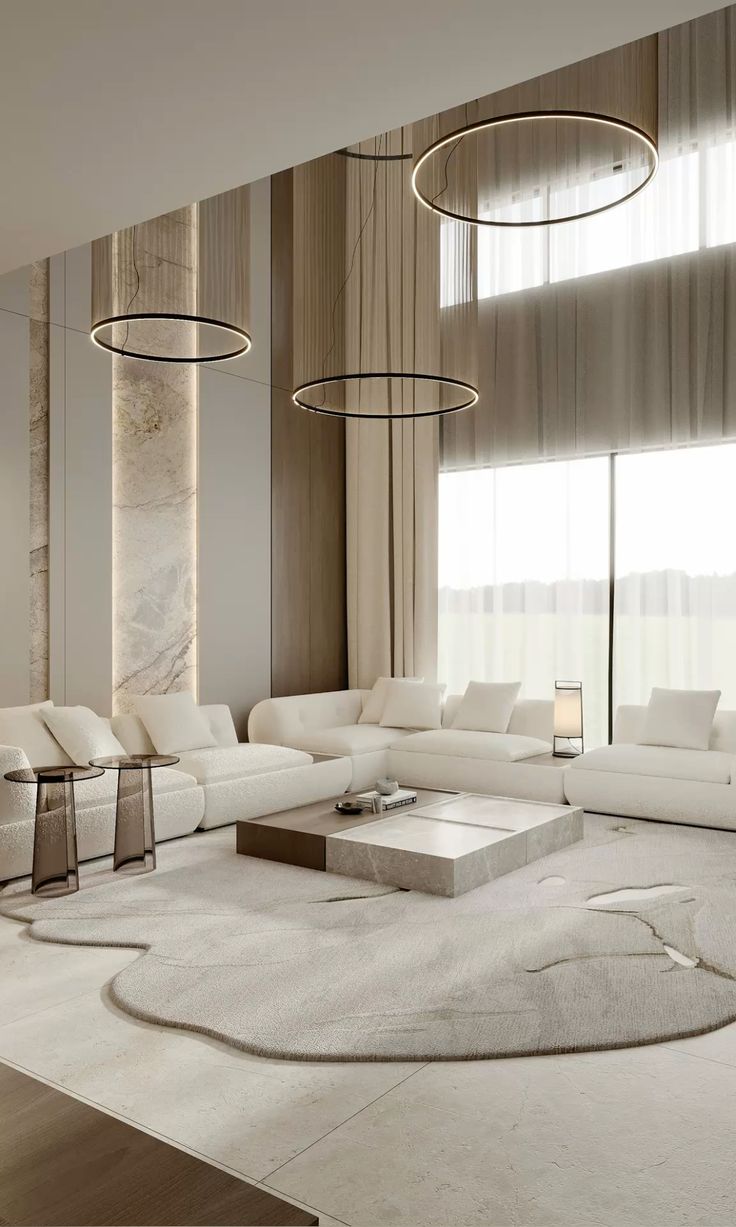
The defining feature of this shift is its understated feel.
There is less need to signal success externally. Less urgency needs to be seen everywhere. Fulfilment is quieter, more profound, and more rooted.
Luxury is felt in mornings without rush. One finds comfort in getting to know their neighbours. Familiarity does not dull ambition. Living in proximity to what truly matters is crucial.
This is not minimalism. It is maturity.
Home offers a kind of wealth that does not announce itself but sustains.
What This Shift Means for the Future of Lifestyle
As this movement grows, its influence is already visible.
Real estate is being approached as a lifestyle investment. Architecture prioritises liveability. Hospitality is derived from residential design. Wellness is being integrated into daily life rather than packaged as escape.
The future of luxury looks less nomadic and more intentional. The future of luxury is less performative and more personal.
Home is not replacing the world.
It is redefining how we engage with it.
READ ALSO:
- Wellness Retreats in Africa: The Rise of Luxury Wellness Communities
- Miracle Godsent Nwachukwu: The Vision Elevating Nigerian Luxury Interiors
- African Interior Designers Shaping Global Aesthetics
Where Luxury Finally Feels Personal
Luxury has always followed meaning.
Currently, people find meaning in belonging, comfort, and choice. People find meaning in spaces that mirror their true selves, rather than attempting to conform to preconceived notions. People design their lives with rhythm, not with haste.
Home has become the most powerful expression of lifestyle because it holds everything else together.
And in this era, that is the ultimate luxury.
FAQs
- Why is home now considered a luxury?
This is because it symbolises stability, intentional living, and quality of life, rather than just possessions.
- Is this shift about rejecting travel or global exposure?
No. It is about integrating global experience into a grounded lifestyle rather than constantly chasing movement.
- How is this changing design and architecture?
Homes are now built for flexibility, wellness, and long-term comfort, blending work, rest, and social life.
- Who is driving this lifestyle shift?
Professionals with global exposure, creatives, entrepreneurs, and families are prioritising alignment over visibility.
- Is this trend likely to last?
Yes. It reflects bigger changes in how people define success, fulfilment, and modern luxury.