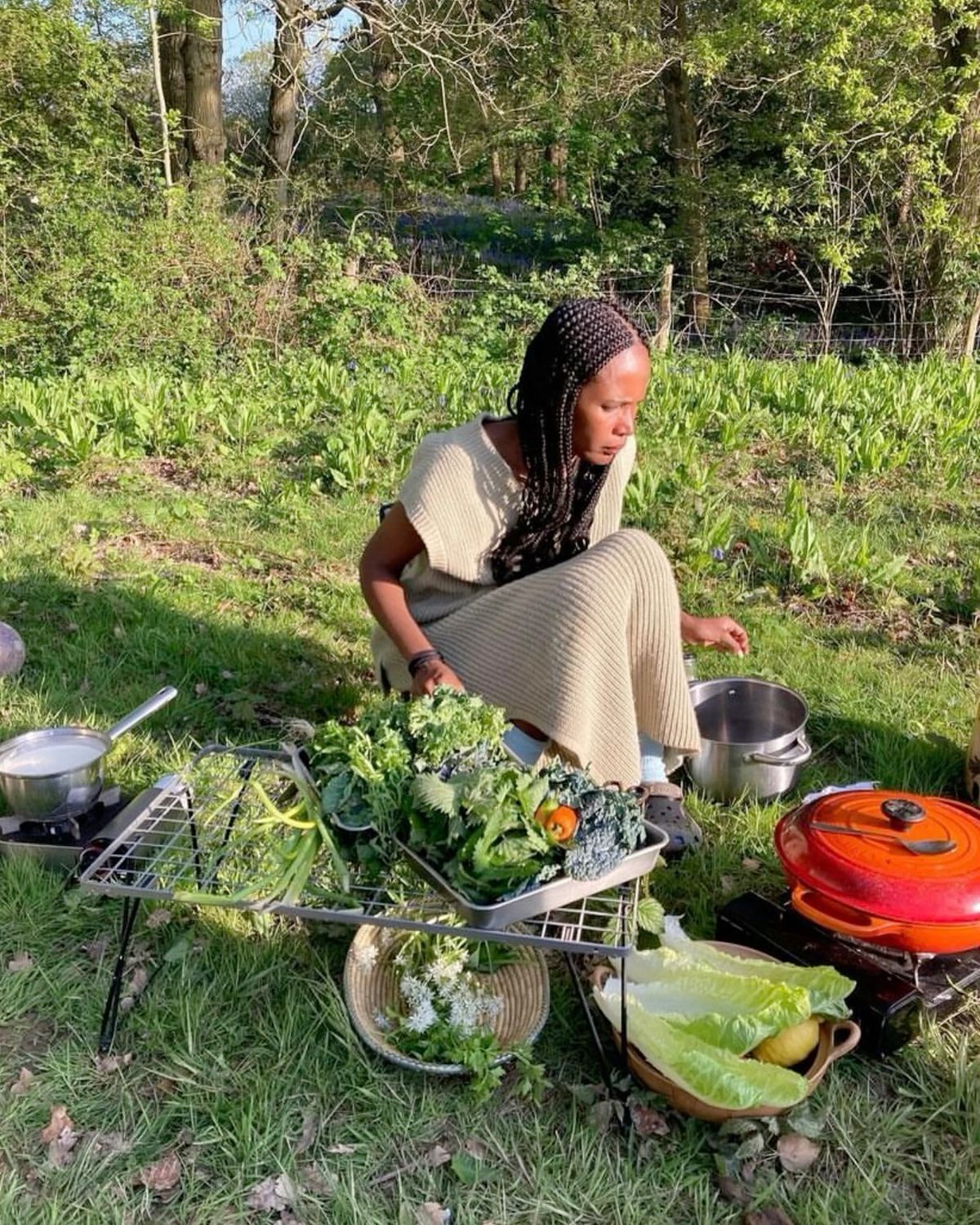
Long before wellness became an industry, food was already a language of care. Across villages, trade routes, and diasporic homes, meals were designed not just to satisfy hunger but to restore balance, strength, and clarity. Healing foods have always lived at the intersection of culture and intention. Today, as global wellness turns toward sustainability, authenticity, and lived experience, these foods are being rediscovered not as trends but as systems of knowledge refined over centuries. From African kitchens to global wellness tables, healing foods now represent a new form of modern luxury, one rooted in meaning rather than excess.
Exploring healing foods from African roots to global wellness culture, revealing how tradition, science, and lifestyle innovation shape modern nourishment
Food as Knowledge, Not Trend
Healing foods are best understood as functional nourishment. They deliver essential nutrients while actively supporting the body’s repair, immunity, and resilience. What distinguishes them is not novelty, but depth. These foods carry cultural craftsmanship passed down through oral tradition, ritual, and daily practice. Across many African societies, food has long been treated as preventative care. Bitter leaves, fermented grains, palm oil used with restraint, and spice-forward stews were chosen intentionally for their cleansing and restorative properties. These choices were guided by observation, environment, and lived experience rather than written science.
African Culinary Intelligence and Wellness Systems
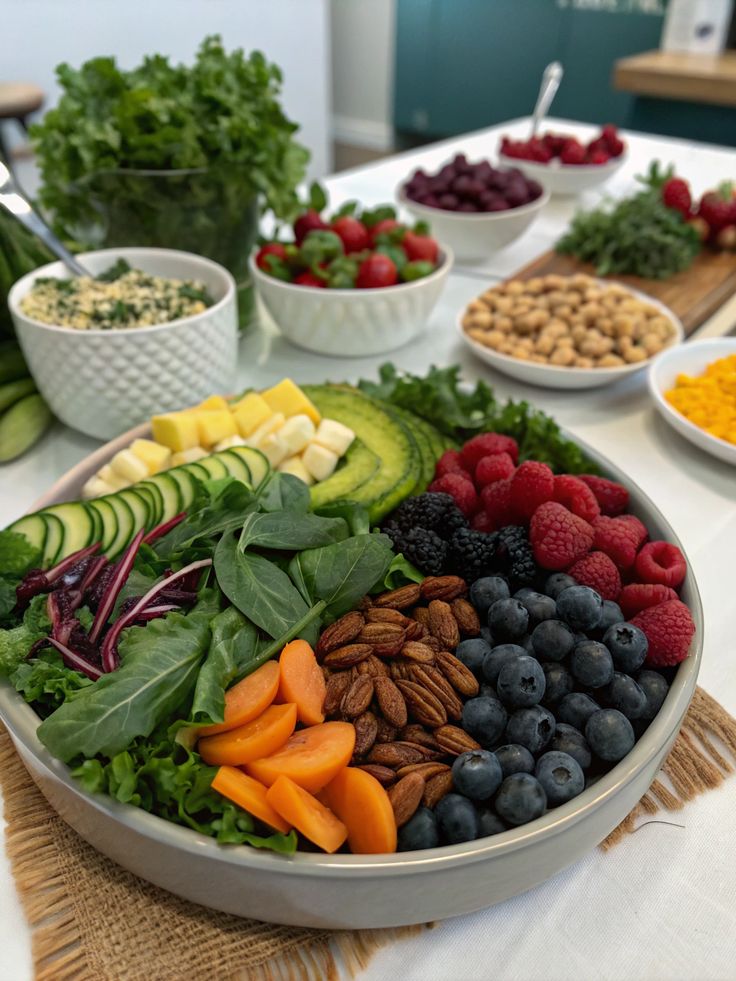
Fermentation, now celebrated globally for its role in gut health, has always been embedded in African foodways. Foods like ogi, iru, ugba, and kunnu supported digestion, immunity, and food preservation long before refrigeration. These practices were sustainable by necessity, seasonal by design, and deeply respectful of nature. What emerges is a wellness system rooted in balance. Meals were designed to support energy, regulate body heat, and maintain strength through changing seasons. This quiet sophistication challenges the assumption that wellness knowledge flows only from modern institutions.
Global Parallels and Shared Philosophy
Across the world, similar philosophies evolved independently. In East Asia, fermented vegetables and mineral-rich broths supported internal harmony. Mediterranean cultures emphasised olive oil, legumes, herbs, and seafood to promote longevity and heart health. These regions were not connected by geography but by intention.
The shared thread is a belief that food should sustain life beyond the plate. Healing foods were shaped by climate, labour, and community, creating diets that were adaptive, resilient, and enduring.
Read Also:
Science as Confirmation, Not Replacement
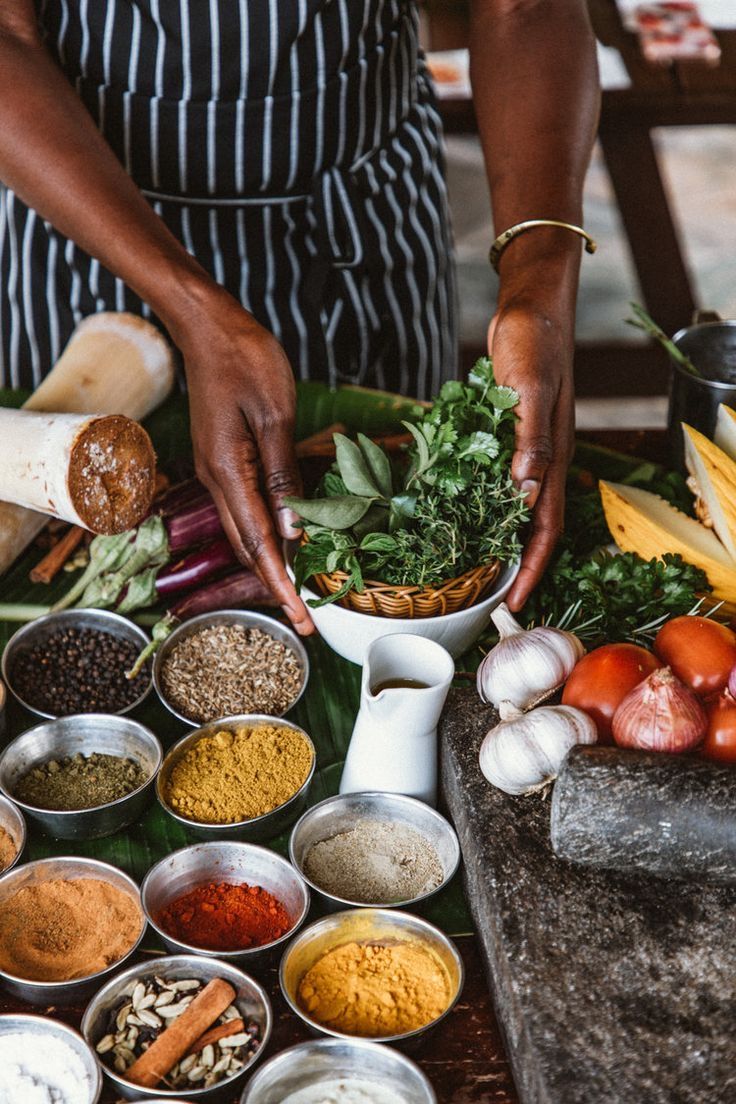
Modern nutrition science now validates what ancestral systems already practised. Antioxidants found in leafy greens and teas help reduce cellular stress. Healthy fats support cognitive and cardiovascular function. Probiotics influence immunity and mental clarity through the gut-brain connection.
Yet science does not replace tradition. It offers language and measurement, not origin. The authority of healing foods lies in the continuity of their use across generations.
Diaspora Influence and Contemporary Expression
Diaspora communities play a vital role in shaping how healing foods appear today. Across global cities, traditional African ingredients are reinterpreted through modern techniques, fine dining, and wellness spaces. These reinterpretations blend heritage with global artistic influence, creating new expressions without erasing origin.
Here, healing foods become identity markers. A hibiscus infusion, a spice-rich broth, or a fermented grain bowl becomes both nourishment and cultural storytelling.
Sustainability, Ethics, and the New Luxury
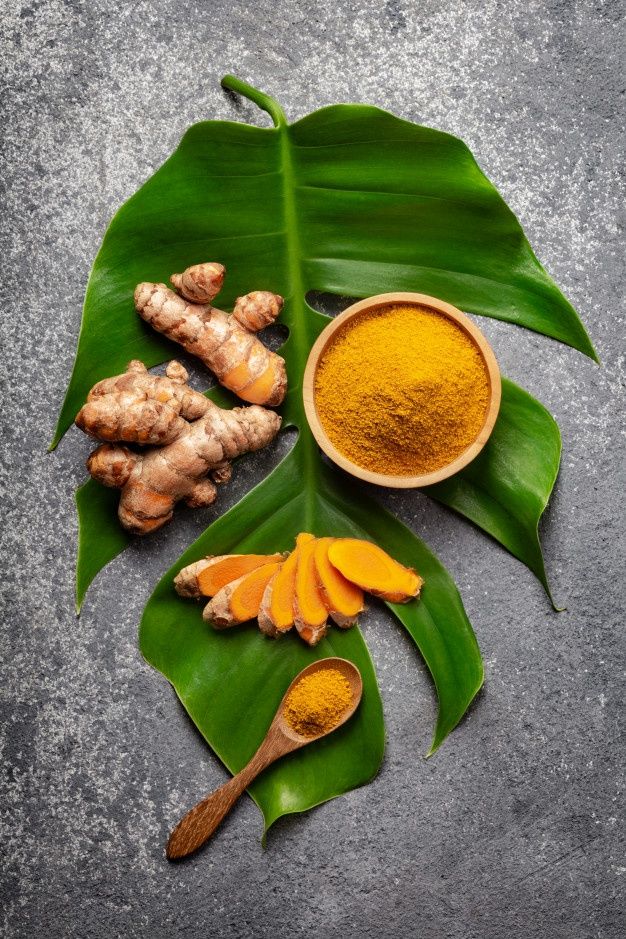
Indigenous food systems were inherently sustainable. They prioritised biodiversity, seasonal eating, and minimal waste. As global wellness confronts climate responsibility, these practices offer viable models for ethical consumption.
In this context, healing foods align naturally with modern luxury. They reflect discernment rather than excess, intention over impulse. Choosing foods with purpose mirrors a choice for craftsmanship over mass production. Wellness becomes an extension of lifestyle values, not a performance.
Conclusion
Healing foods are not a return to the past. They are a continuation. Rooted in African knowledge yet shaped by global exchange, they represent a future where wellness is intentional, culturally grounded, and ethically informed. As modern living places increase demands on the body and mind, these foods offer more than nutrition. They offer alignment, continuity, and a deeper understanding of what it means to live well.
FAQs
- What makes food healing rather than simply nutritious?
Healing foods actively support bodily systems such as immunity, digestion and inflammation while carrying cultural and functional purpose.
- How do African food traditions influence global wellness today?
They contribute fermentation techniques, plant diversity, spice usage and sustainable food philosophies now embraced worldwide.
- Are healing foods supported by modern science?
Yes, many traditional ingredients are now validated for antioxidant, anti-inflammatory, and gut health benefits.
- Why is cultural context important in wellness foods?
Without context, foods lose meaning, ethical sourcing and recognition of the communities that preserved this knowledge.
- How do healing foods fit into modern luxury lifestyles?
They reflect intentional living, sustainability and refined choices, making nutrition part of a broader lifestyle philosophy.