Graphic novels are in the middle of a real creative explosion. A new wave of writers and artists is pushing the genre far past its old superhero roots. They’re diving deep into identity, history, folklore, and the messiness of real life, and doing it with a kind of nuance you just didn’t see before. You’ll find everything from Senegalese legends brought to life with wild, abstract art, to Philly recast as a vampire-ridden wasteland. There are sweeping queer romances that stretch across decades, and middle-grade stories that tackle everyday microaggressions head-on. These creators aren’t just telling stories – they’re building cultural archives, tearing into politics, and letting their imaginations run wild, all at once.
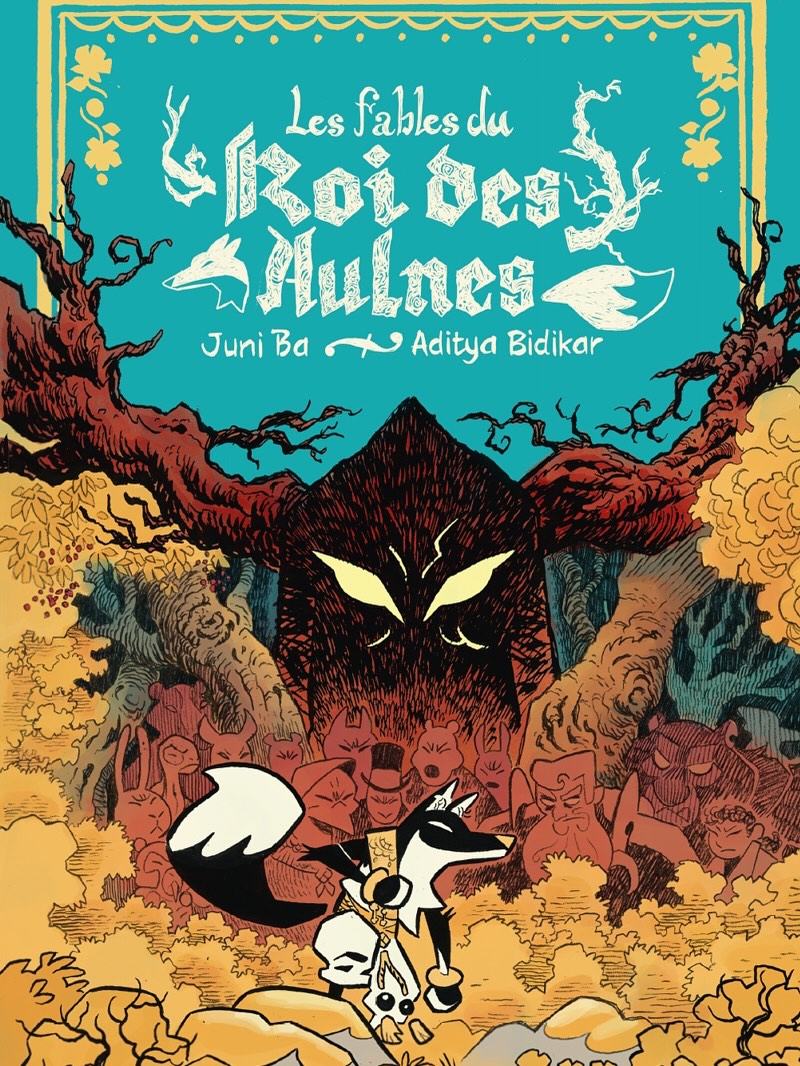
Take Juni Ba, for example. He grew up in Senegal, then moved to France at 19. That mix – West African memories, French comics, two different worlds – seeps into everything he makes. His breakout graphic novel, Djeliya, is pure proof. It’s what happens when you grow up navigating more than one culture, then channel it all into art. This new generation of graphic novelists gets that comics can do things prose never could. When you blend images and words, you get a kind of storytelling that’s bigger than the sum of its parts.
How graphic novelists are revolutionising sequential art through heritage, innovation, and bold storytelling that continues to challenge industry conventions.
The Visionaries Transforming Sequential Art
These artists aren’t just making cool books – they’re rewriting the rules for the whole field. They’re showing us new ways to tell stories, opening doors for voices that were once shut out, and making it clear that graphic novels aren’t just for kids or superhero fans. Whether it’s keeping old traditions alive or inventing new genres, writing for children or scaring adults, their work proves that the graphic novel is one of the most exciting places in literature right now.
1. Juni Ba – West African Folklore Meets Modern Fantasy
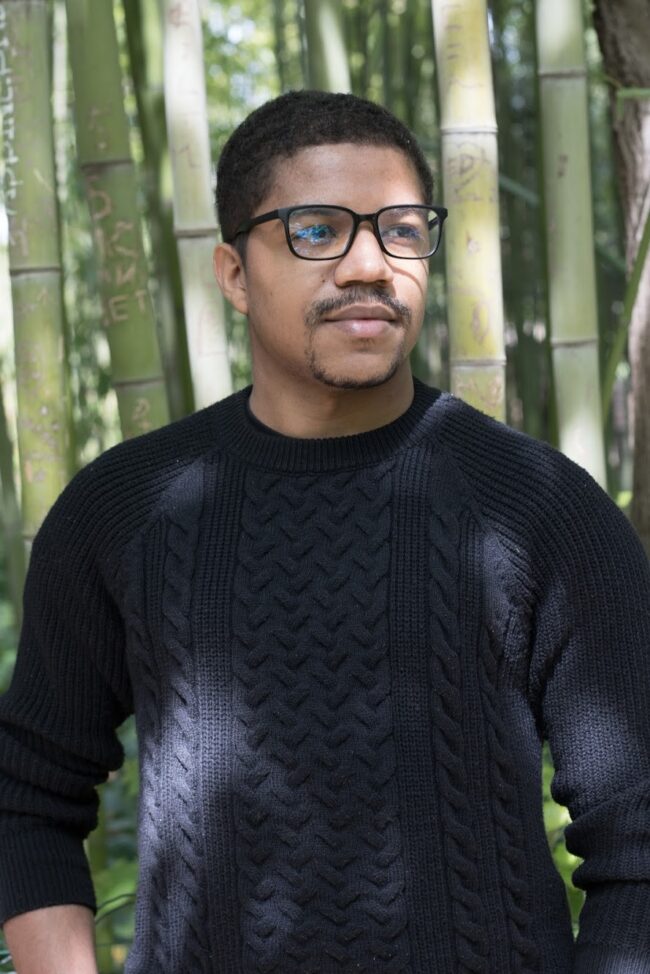
Juni Ba pulls from stories that have echoed through West Africa for generations. In Djeliya, he follows Mansour Keita, the last prince of a crumbling kingdom, and Awa Kouyaté, his fiercely loyal storyteller, as they hunt down the wizard who destroyed their world. Ba realised no one had ever made a fantasy comic rooted in West African myths, the way Japanese manga draws on its own folklore. So he made it himself.
Ba’s art doesn’t play by the usual rules. It’s loud, abstract, and always a little unexpected. You see hints of every culture he’s lived in, wrapped up in a style that feels totally his own. His later series, Monkey Meat, cranks up the action to Dragon Ball Z levels, all while skewering capitalism – imagine a mega-corporation running a fantasy island, doling out “fun” at a price.
What makes Ba’s work stand out isn’t just the art or the action. It’s that he treats heritage as a superpower, not a relic. He shows that folklore isn’t just about looking back – it’s a living, breathing force that can spark fresh, exciting stories right now.
2. Rodney Barnes – Horror as Historical Reckoning
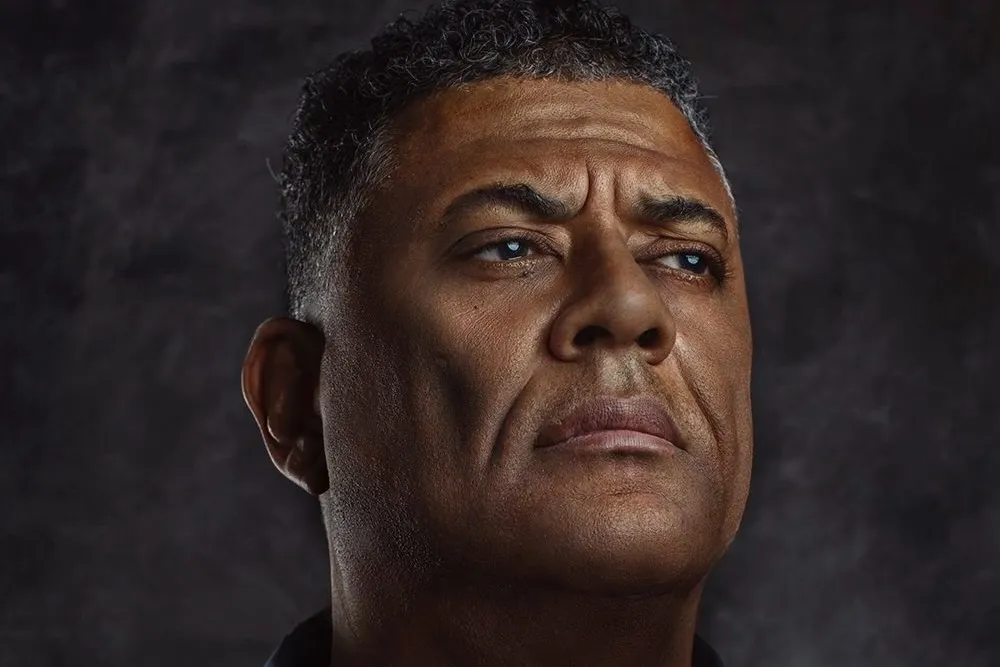
Rodney Barnes isn’t afraid to use horror to dig into real history. His hit graphic novel, Killadelphia, earned him an Eisner nomination and is already on its way to becoming a TV series. Jordan Peele called it “the stunning and fresh horror fable I’ve been craving,” whilst Chris Rock said, “It’s the best graphic novel I’ve ever read. Five times more graphic and eight times more novel.”
Barnes already had a shelf full of awards from his work on shows like The Boondocks and Everybody Hates Chris. In 2022, he went a step further and started Zombie Love Studios, where he published Blacula: Return of the King, which also nabbed an Eisner nomination.
What sets Barnes apart is how he uses genre not to escape reality, but to confront it. In Killadelphia, vampires haunt the birthplace of American liberty, and the story digs straight into the country’s violent past. Barnes isn’t just writing horror – he’s using it to ask big questions about history, power, and what haunts America now.
3. David F. Walker – Political Comics as Activism
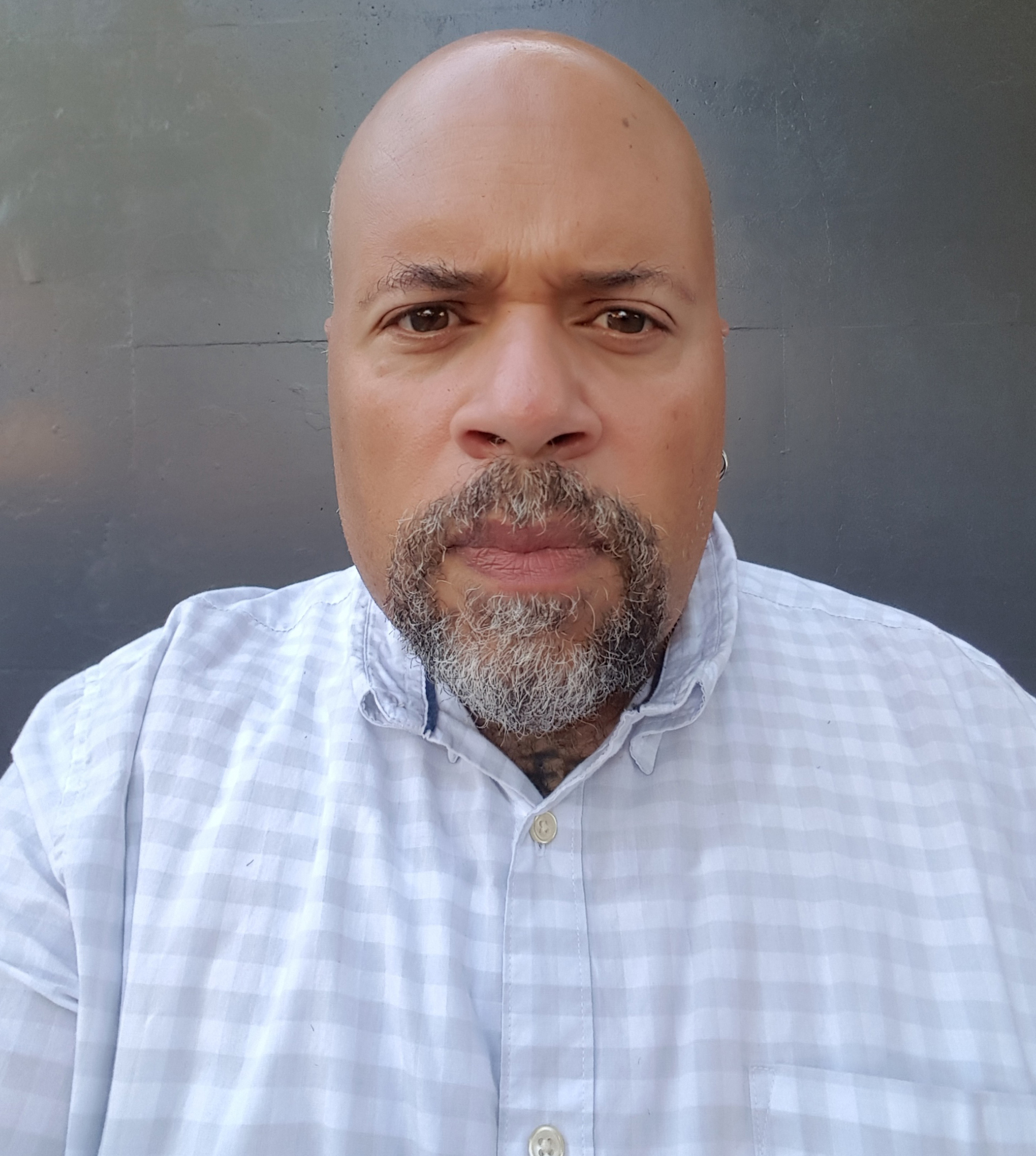
David F. Walker writes comics that don’t just entertain – they fight back. In Bitter Root, he drops us into 1920s Harlem, where a family of monster hunters battles both literal and all-too-human monsters spawned by racial violence. His take on The Black Panther Party: A Graphic Novel History shows how comics can teach and keep history alive, using art to open doors that textbooks slam shut. Walker also helped create Naomi, adding fresh faces to DC’s lineup – heroes who actually look like today’s world. He gets that comics can educate, stir things up, and save stories others want to erase.
4. Tee Franklin – Queer Romance Across Generations
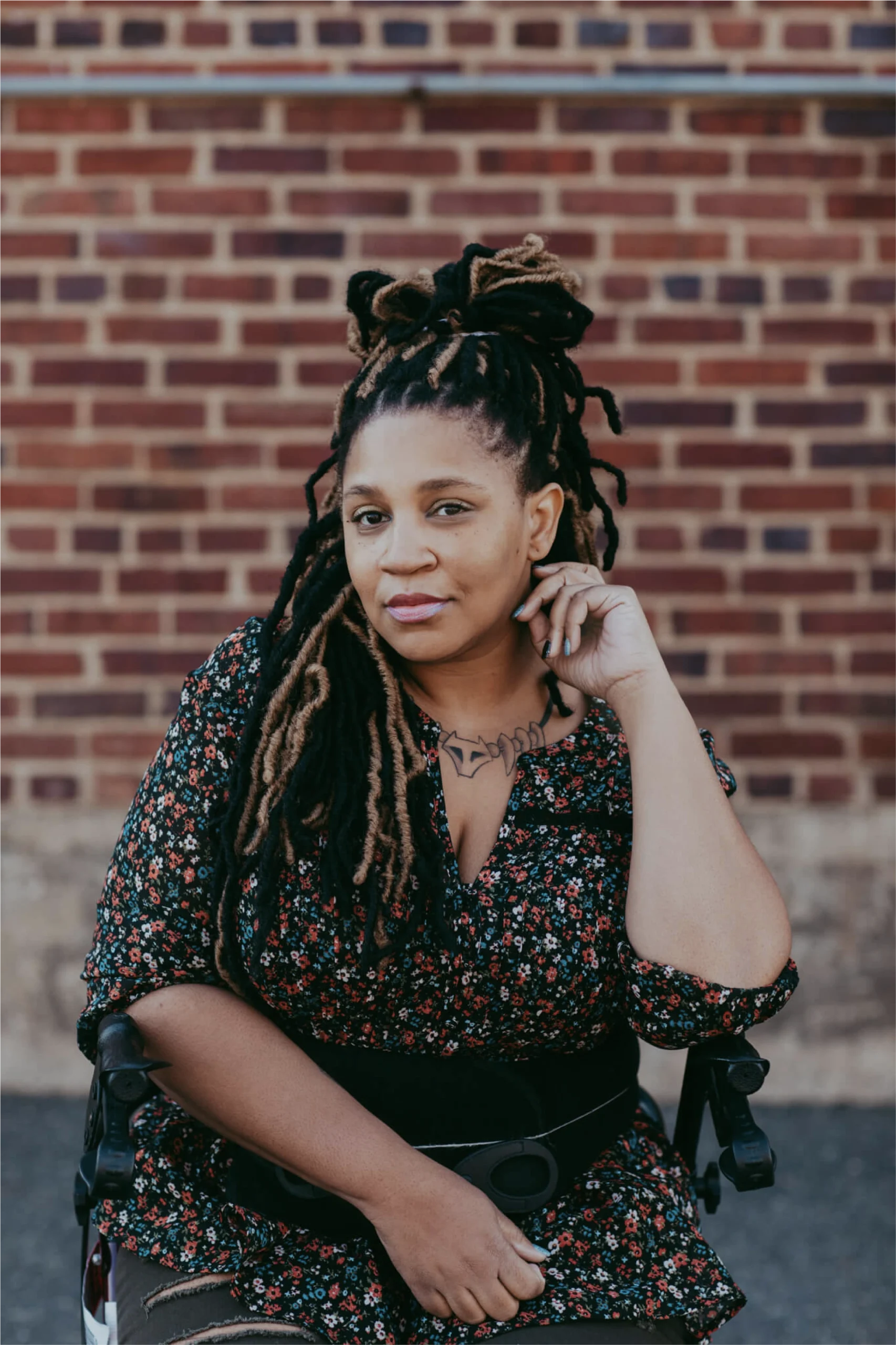
Tee Franklin is a force – Black, queer, disabled, autistic, and a bestselling, award-winning comics creator. She made history as the first Black, queer, disabled woman to write a series at Image Comics with Bingo Love, a graphic novella about queer romance that spans from first love as teenagers to reunion decades later. Franklin snagged the 2017 Prism Queer Press Grant, raised nearly $60,000 on Kickstarter, and saw Bingo Love nominated for a GLAAD Award and win the Virginia Library Diversity Award in 2019.
She’s also the first Black woman to write DC’s Harley Quinn and Poison Ivy in the GLAAD-nominated, bestselling HARLEY QUINN: EAT. BANG! KILL TOUR. Franklin puts queer Black women front and centre, showing their whole lives from youth to old age, and proves comics can handle intersectional stories with heart and honesty where mainstream books used to look away.
5. Jerry Craft – Middle-Grade Revolution
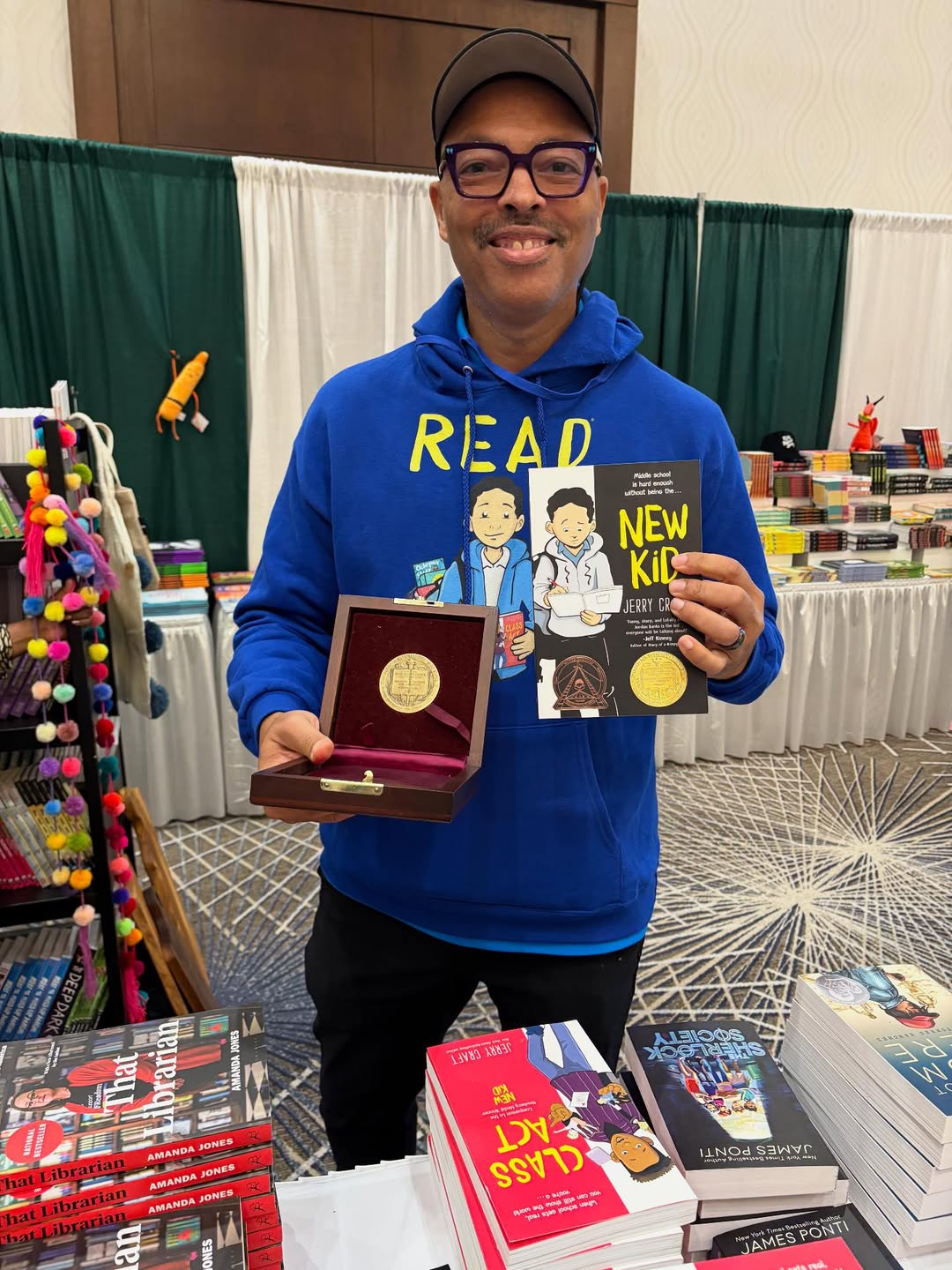
Jerry Craft changed the game with New Kid, the first graphic novel ever to win the Newbery Medal and the Coretta Scott King Award – and it didn’t stop there. New Kid also picked up the Kirkus Prize, making history three times over. Its follow-up, Class Act, dives right back into the world of Riverdale Academy Day School, digging into race and class with the same sharp eye.
Craft wanted African American kids to see themselves in stories that feel real. He shows that kids’ books can address microaggressions, code-switching, and inequality without preaching. He just lets the jokes, the awkward moments, and the honest voices of kids do the work.
6. Robyn Smith – Visual Poetry of Black Womanhood
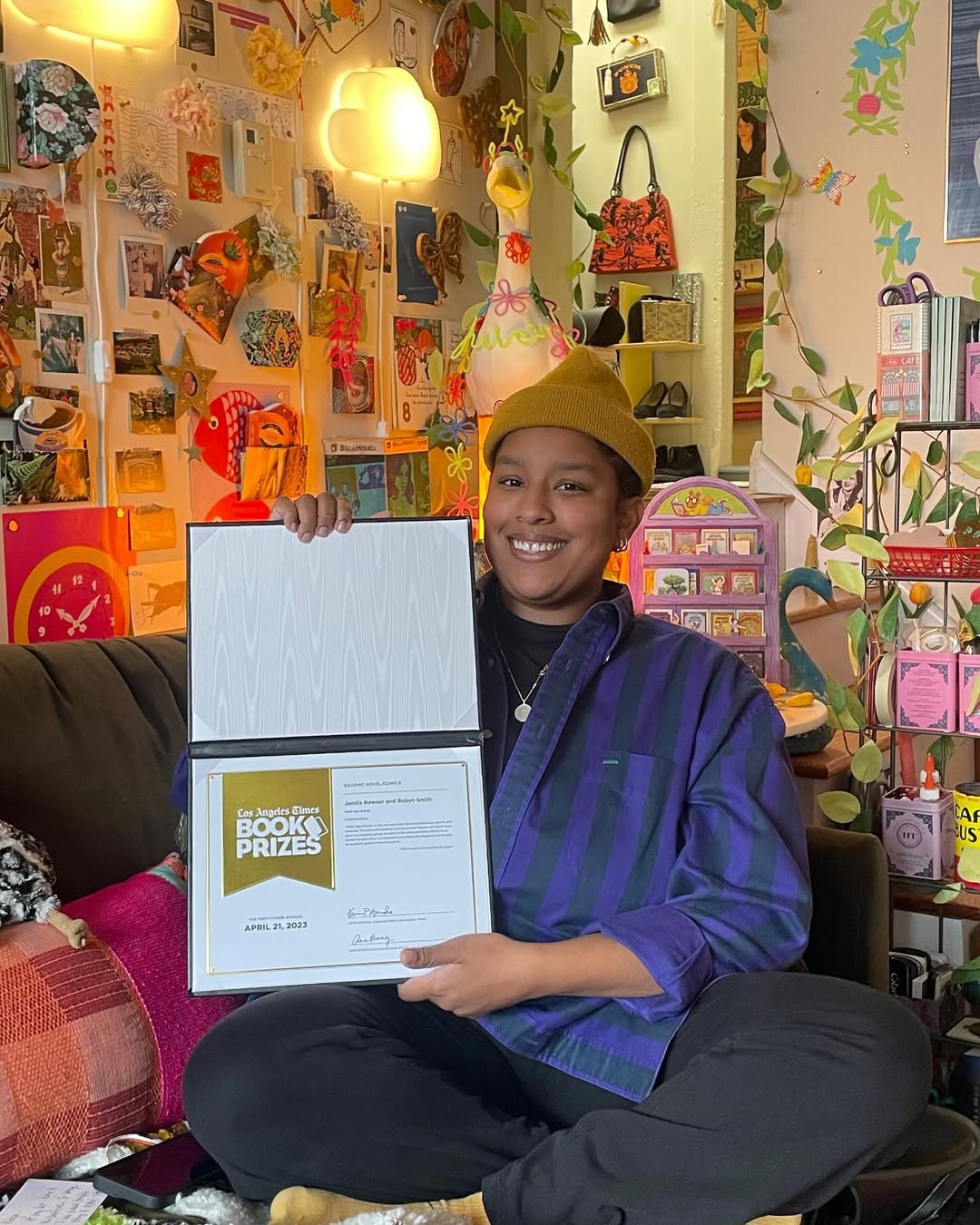
Robyn Smith’s art in Wash Day Diaries, which won the 2023 LA Times Book Prize, turns an everyday ritual – wash day – into something more profound. Following four Black women through their wash day routines, she draws out the care, community, and identity woven into each step. Her style blends realism with dreamlike touches, turning the ordinary into something almost magical. Smith shows how comics can elevate everyday life to something profound, especially in Black women’s stories.
7. Nnedi Okorafor – Afrofuturist Visionary
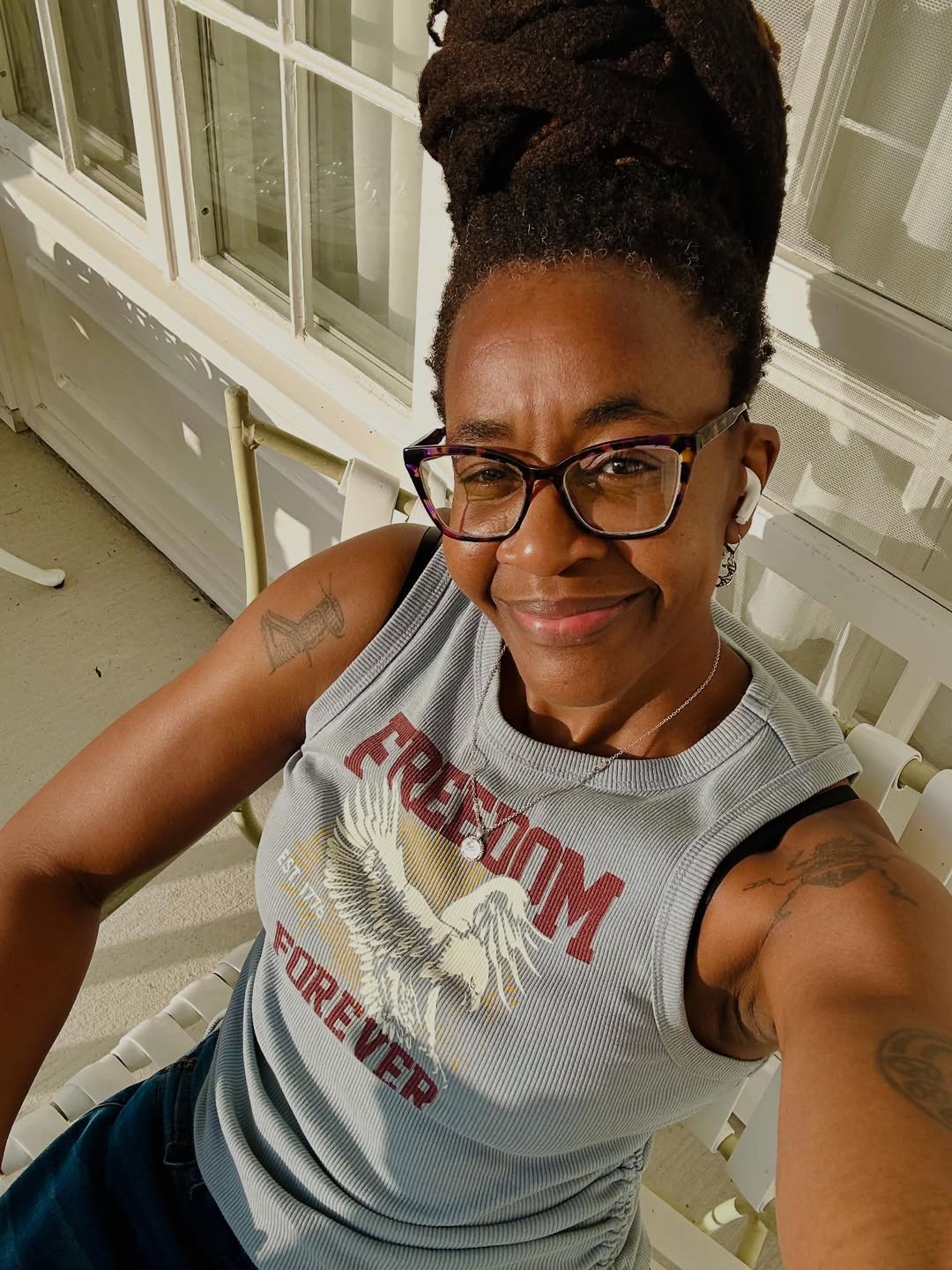
Nnedi Okorafor, known for her brilliant sci-fi novels, brings that same spark to comics like Shuri: Wakanda Forever and LaGuardia. She proves that graphic novels aren’t just prose with pictures – they’re something else entirely. Okorafor uses panels to build worlds, control pacing, and blend African aesthetics with future tech in a way that words alone just can’t match.
8. John Jennings – Literary Adaptation Master
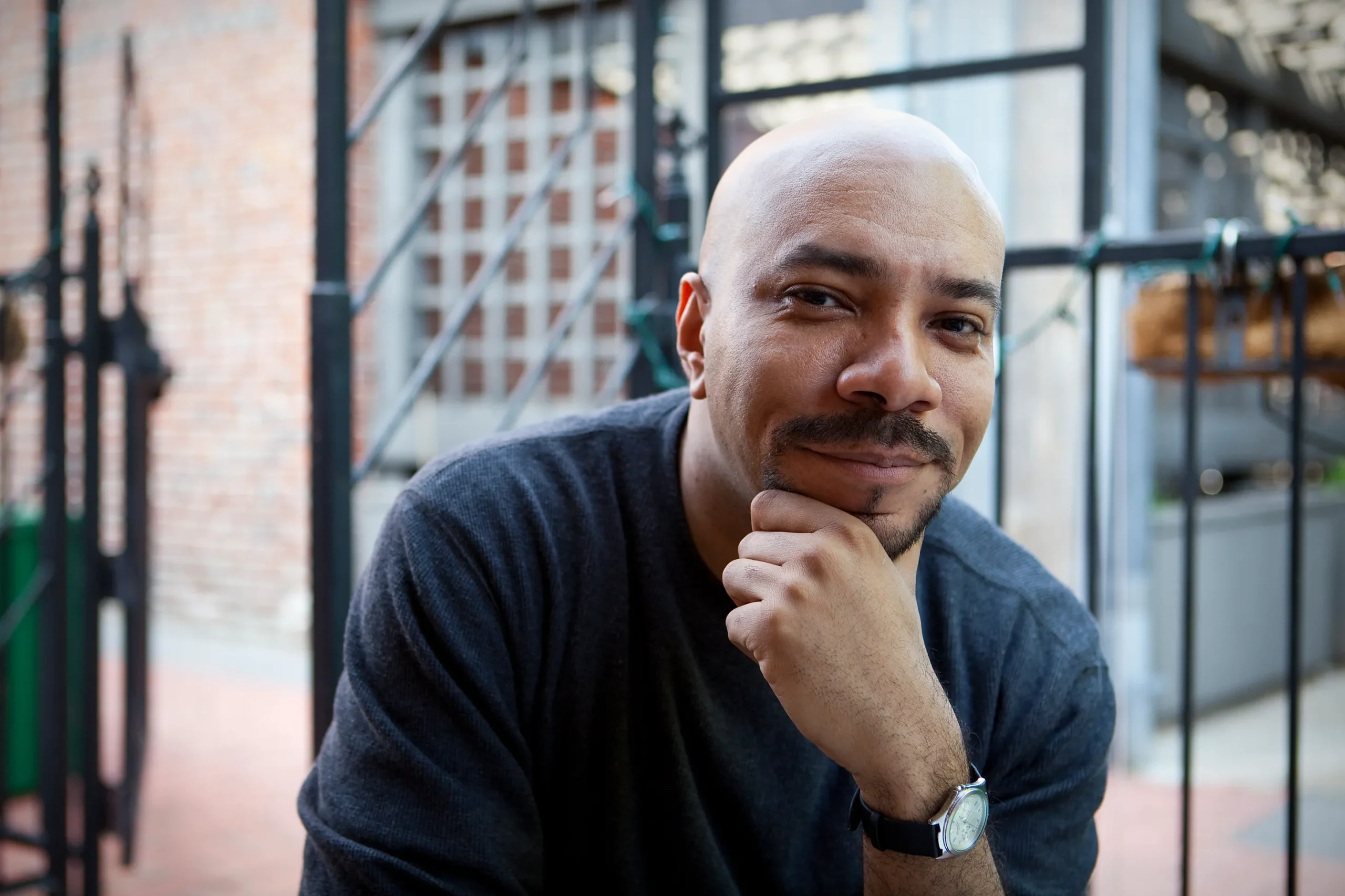
John Jennings took Octavia E. Butler’s Kindred and gave it new life as a graphic novel, showing that adaptation is more than just illustration – it’s transformation. He respects the original but adds his own artistic vision, translating Butler’s inner worlds into vivid, external images. Jennings proves that comics can capture the psychological depth of classic literature and turn it into something you can see and feel on the page.
9. Shobo & Shof – Nigerian Afrofuturism
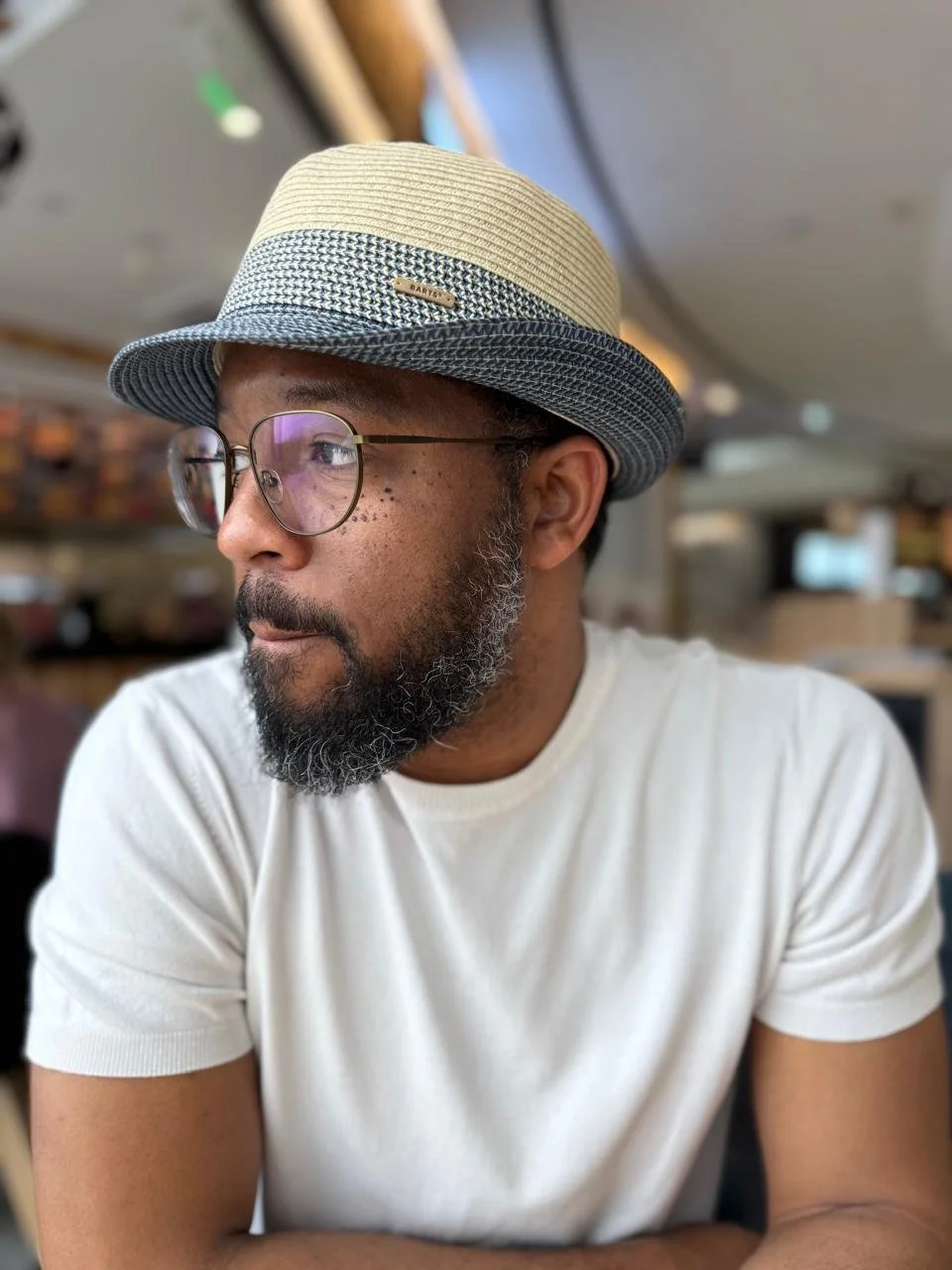
Brothers Shobo and Shof are shaking things up with New Masters, a sci-fi graphic novel that fuses Afrofuturism with superhero tropes. The real kicker? They’re doing it from Nigeria, building a comic industry at home for both local and global readers. Their work proves African creators don’t need to leave or wait for approval from Western publishers – African stories, told by Africans, are already here and thriving.
10. Ben Passmore – Underground Comix Spirit
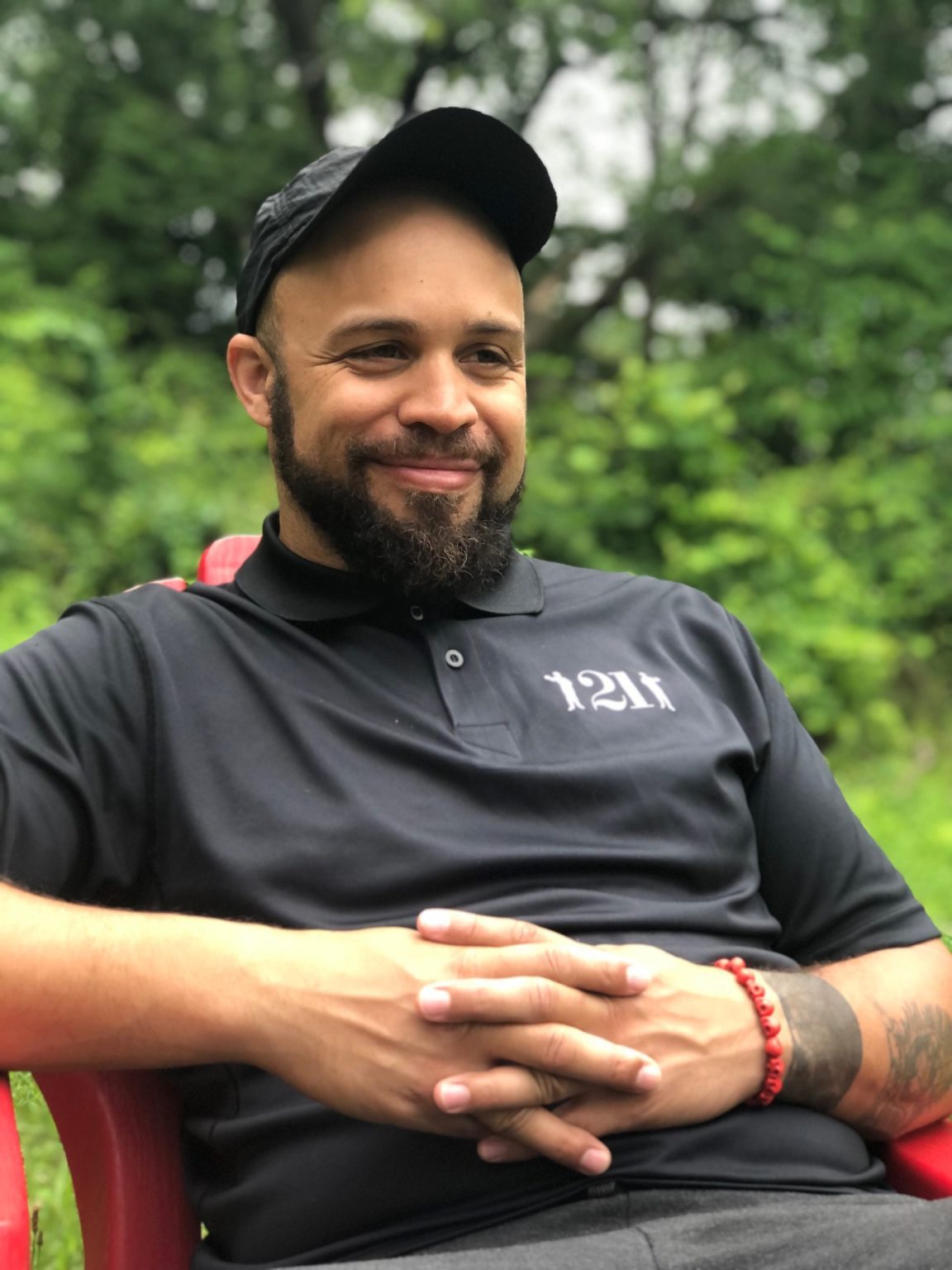
Ben Passmore doesn’t hold back. In Your Black Friend and Other Strangers and BTTM FDRS, he pulls underground comix’s sharp, confrontational energy straight into the present. His art looks raw and unfiltered, and he’s not afraid to make comfortable readers uneasy. Passmore stands with those graphic novelists who refuse to water things down for mass appeal.
READ ALSO:
- Global Blackness: New Visual Codes in Diaspora Art
- How Black Humour Shapes Culture: Laughter as Survival & Social Power
- 10 African Women Changing the Face of Contemporary Art
Why Does This Movement Matter Now?
Look at what these graphic novelists have pulled off. They’re not just selling books – they’re earning absolute respect and keeping their artistic edge. When New Kid won the Newbery Medal, it wasn’t just a prize for one book. It was a signal: graphic novels belong in the literary world. But this kind of attention comes with baggage. There’s always the risk that mainstream success could blunt their message or that official recognition could squeeze comics into a stiff “literary” box.
But here’s the thing: these creators aren’t just waiting around for the industry to decide their fate. Rodney Barnes launched Zombie Love Studios. Tee Franklin built Inclusive Press. Others are taking the indie route, keeping the rights and steering projects. They’re creating new paths – so artists keep their freedom and their fire.
What Cultural Work Do These Comics Perform?
These graphic novels aren’t just stories. They push back against tired publishing ideas about what sells, and they show younger readers that comics can actually reflect their lives. They also keep cultural history alive, making it easy for anyone to pick up and understand. The bigger picture? These creators know their work is about more than just one story. They’re laying the groundwork for creative spaces where all kinds of voices get to speak – and keep talking.
See life through a creative lens — explore Culture & Arts on OmirenStyles.
Frequently Asked Questions
1. What makes graphic novels different from comic books?
Graphic novels tell a complete story in one go, or sometimes in a short series – not endless issues. They usually tackle more mature themes and aim for a literary tone. Comic books, on the other hand, often mean superhero adventures that run in long, serialised stretches. Graphic novels cover everything: memoir, history, sci-fi, horror, and literary fiction. They use words and pictures together to delve into complex subjects.
2. Who are the most influential contemporary graphic novelists?
Juni Ba is reshaping West African folklore. Rodney Barnes turns American history into horror. Jerry Craft’s New Kid broke barriers with the Newbery win. Tee Franklin puts queer Black women front and centre. John Jennings adapts Octavia Butler’s work, and David F. Walker tells the story of the Black Panther Party through comics. All of them are changing the game.
3. Why do graphic novelists explore folklore and history?
Folklore and history give graphic novelists a treasure trove of stories – full of culture and detail you don’t find everywhere else. These old tales help tackle today’s issues from fresh angles. Plus, folklore connects readers to the wisdom and struggles of people who came before. It’s something mainstream comics just can’t fake.
4. How do graphic novelists make money?
They mix it up: advances and royalties from publishers, selling books at conventions, teaching, speaking gigs, licensing their work for films or TV, crowdfunding, commissions, and more. More and more, they’re publishing on their own to keep control and earn more from their work. Most use a bunch of these at once to make a living.
5. Where can readers discover new graphic novels?
Try comic shops and indie bookshops. Libraries have them too, and online stores are packed with choices. Go to conventions like Comic-Con to meet creators and see what’s new. Awards often spotlight great graphic novels. Social media is full of artists sharing their latest, and critics and teachers are always recommending something worth checking out.