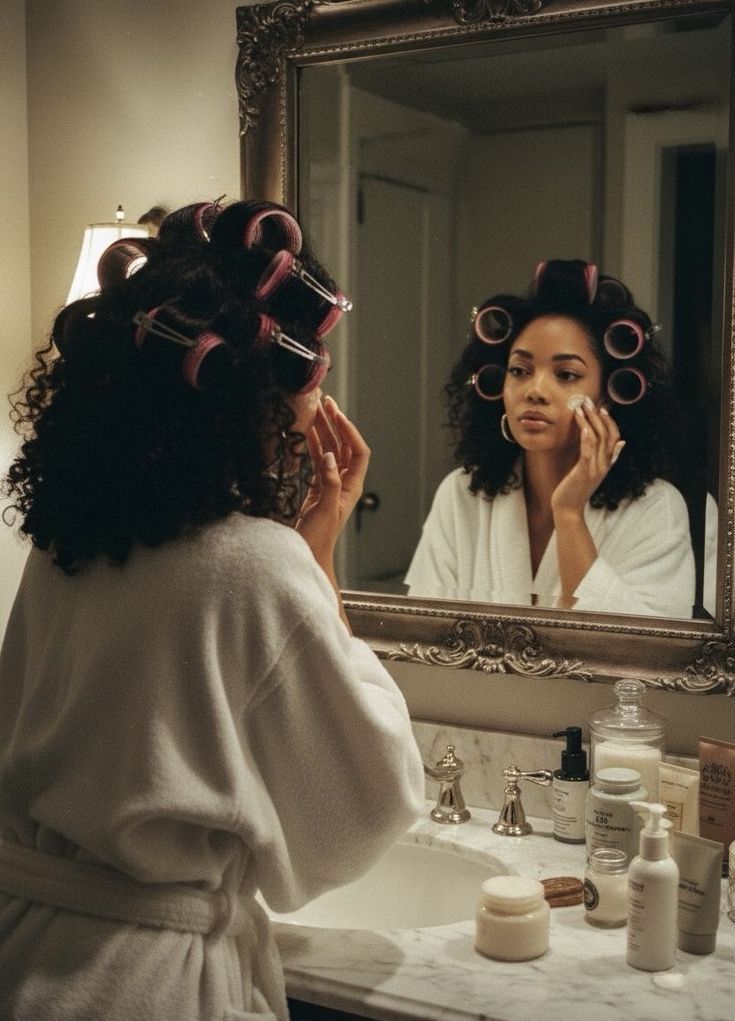
Beauty is more than skin deep. When you step into the bathhouses of Morocco, the spice markets of Indonesia, or the morning rituals in Japan, you find not just a routine but a cultural heartbeat. For centuries, people have developed beauty traditions that reflect their environment, history and beliefs about health and community. These practices teach modern wellness a simple truth: caring for our bodies also means caring for our stories, our connections, and our place in the world. This piece is not about selling products or chasing trends. It is an exploration of how global beauty traditions reveal a more profound human need for balance, meaning, and belonging.
Explore what global beauty traditions teach modern wellness, revealing how rituals, care practices, and cultural knowledge shape holistic wellbeing today.
The Roots of Beauty as Wellness
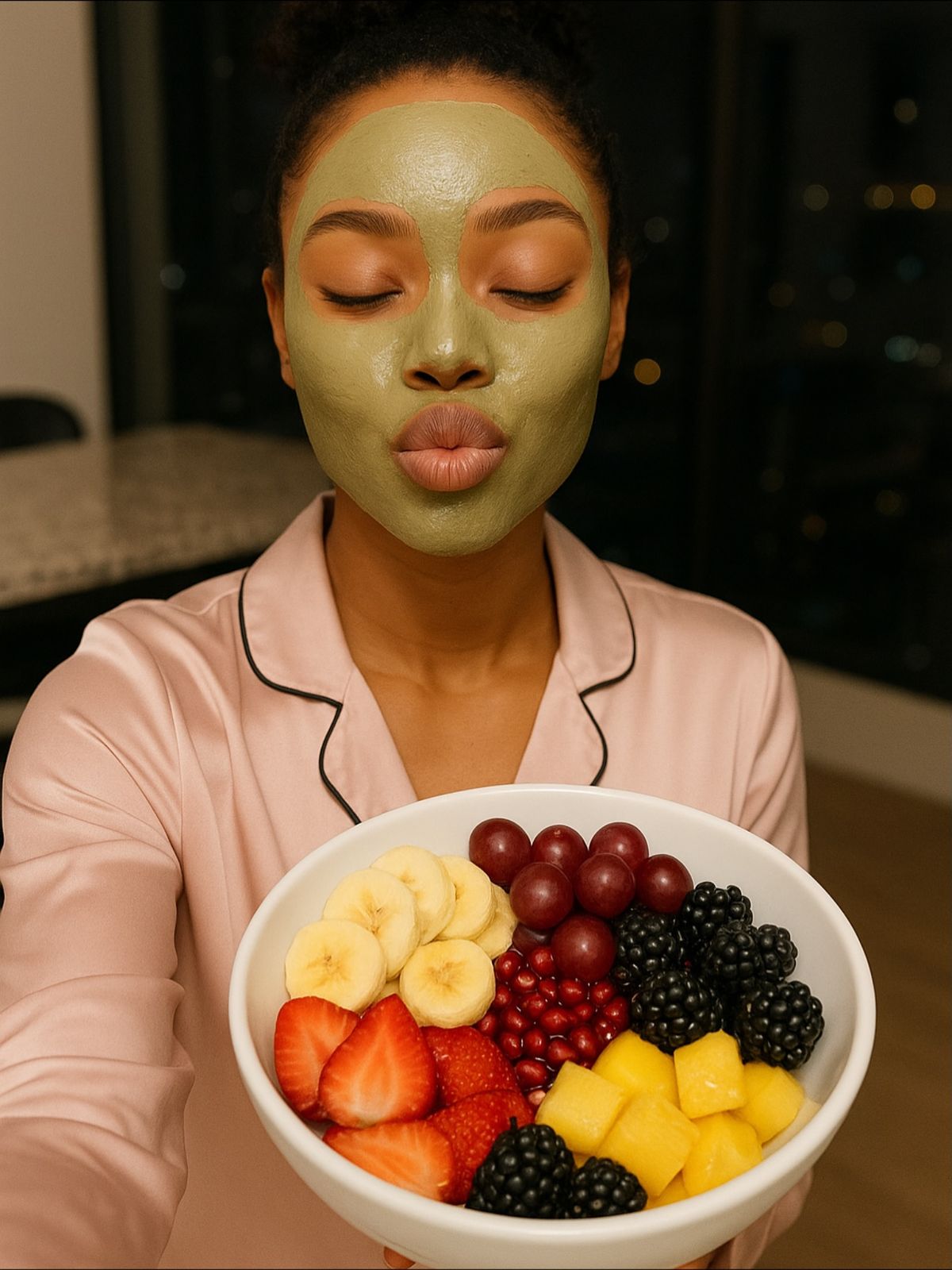
In many cultures, beauty and health are inseparable. In India’s Ayurvedic traditions, daily oil massage, herbal pastes, and mindful cleansing are not cosmetic add-ons but rather ways to balance life energies and support digestion, immunity, and skin health. In China, gua sha—the repeated gentle scraping of the skin—was developed not to chase the glow but to release tension, support circulation, and bring harmony to internal organs. These practices exist because people early on recognised that stress, emotion, and physical health are interconnected through the body’s largest organ: the skin.
Nature as Healer and Teacher
Across continents, local landscapes gave rise to beauty wisdom anchored in native plants and minerals. In Japan, camellia oil has long been used to protect skin and hair from humidity and cold because camellia trees grow abundantly in the islands’ temperate climate. Indonesian Jamu tonics combine turmeric, ginger and lemongrass. These exotic ingredients are trusted sources of antioxidant and anti-inflammatory support, passed down through generations.
In West Africa, shea butter is more than a softener; it is a product of ecological knowledge and community labour that nourishes skin and supports livelihoods. In the Amazon, indigenous communities harvest copaiba and other resins with a deep understanding of how to sustain the forest while using its gifts.
Ritual as Relationship — With Self and Community
Beauty rituals are often moments of connection. The Moroccan hammam is a communal space where people cleanse, exfoliate and share stories. In Chad, the Chébé hair tradition involves women gathering for long hours to prepare and apply natural pastes, mixing care with laughter, song and shared identity. These rituals are not individual tasks but social glue.
Even solitary practices like Japan’s double-cleansing at night or Korea’s multi-step skincare can become intentional pauses that punctuate the day — a way of listening to the body after stress, travel or hard work.
Read Also:
The Science Behind Ancient Wisdom
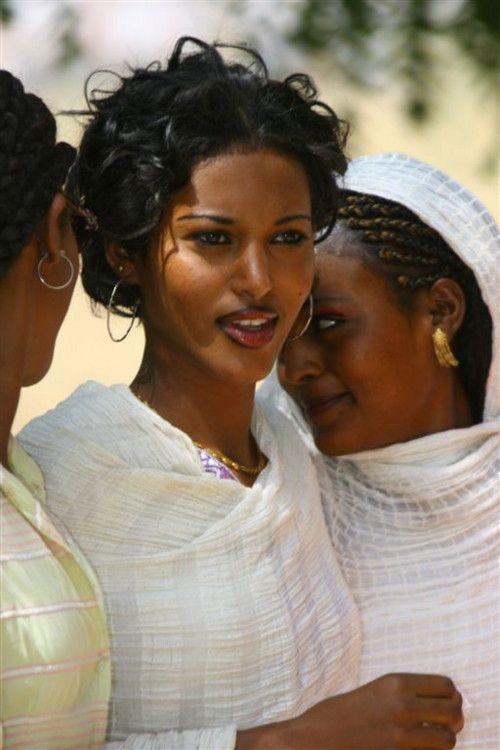
Many ancient practices have scientific echoes. Gua sha’s effects on circulation and inflammation are now under study; massage and mindful touch activate the parasympathetic nervous system, lowering stress hormones. Herbal tonics rich in antioxidants support metabolic and immune function. Steam and exfoliation can improve skin barrier function when done with care.
This does not mean every tradition is a universal prescription; context matters. But it does mean that modern wellness can learn from these practices rather than dismissing them as superstition or an exotic novelty.
When science and tradition find common ground, we gain tools that are both evidence-informed and culturally grounded. This reduces the leap from curiosity to practice and builds respect for wisdom that has endured precisely because it worked for real people over generations.
Sustainability and Respect for Place
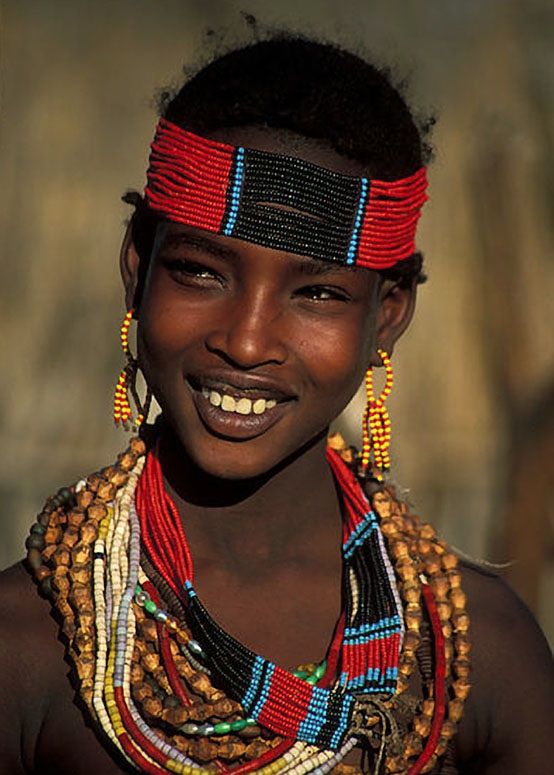
Before global supply chains, beauty was local. People used what grew around them and harvested in ways their communities understood. This meant sustainability was not a marketing slogan but a lived necessity. Overharvested ingredients today — from sandalwood to argan- remind us that extraction without respect destroys not just ecosystems but the traditions that kept them healthy.
Wellness that harms people or the planet is not wellness. Learning from traditions that grew in specific landscapes teaches modern readers to value place, respect limits and consider the long arc of human-environment relationships.
Conclusion
Global beauty traditions are not relics. They are living records of how people across time and place have understood connection, health and dignity. They teach modern wellness: to slow down, to see our bodies as ecosystems, to respect community, and to honour the earth. Beyond routines, these practices are stories of survival, care, celebration, and identity. Embracing them thoughtfully enriches our own experiences of wellness and deepens our understanding of what it means to live well in a world that is older and wiser than any trend cycle.
Beauty starts here — dive into Beauty Secrets on OmirenStyles.
5 FAQs
1. What is a beauty tradition?
A beauty tradition is a culturally rooted practice for caring for the body that reflects a community’s history, environment and beliefs about health and identity
2. How do ancient beauty practices influence modern wellness?
They emphasise holistic care — blending skin, nutrition, stress management and community — helping modern wellness move beyond isolated routines to more integrated approaches.
3. Are traditional beauty rituals effective?
Many are supported by science when understood in context, though effectiveness can vary by individual needs. Their value often extends beyond physical outcomes to include psychological and social benefits.
4. Can another practice beauty traditions from one culture?
Yes, provided they do so respectfully and with an awareness of their origin and meaning. Appreciating the cultural context prevents appropriation and honours the people who developed these practices.
5. Why does sustainability matter in beauty and wellness?
Sustainable practices respect the environment and the cultures that stewarded resources. They ensure wellness does not come at the cost of ecosystems or community well-being.